Best pool cleaner searches usually begin with one very fair wish: “I want the pool to stay clean without turning every Saturday into a chore.” In DFW, the best pool cleaner is not always the fanciest pool cleaning robot or the cheapest automatic pool cleaner online. North Texas pools deal with oak leaves, pollen, dust, sunscreen, hard-water scale, long swim seasons, and storm debris. The right pick depends on pool size, surface, tree coverage, filter condition, and how much professional service the pool already receives.
Quick takeaway: a robotic pool cleaner can be a great helper, but it is not a full pool care plan. It does not test water, balance chemistry, clean filters, empty baskets, or catch equipment problems before they get expensive. PoolBurg sees the best results when homeowners use a cleaner as a partner between visits, not a replacement for service.
Do You Need a Robotic Pool Cleaner in DFW?
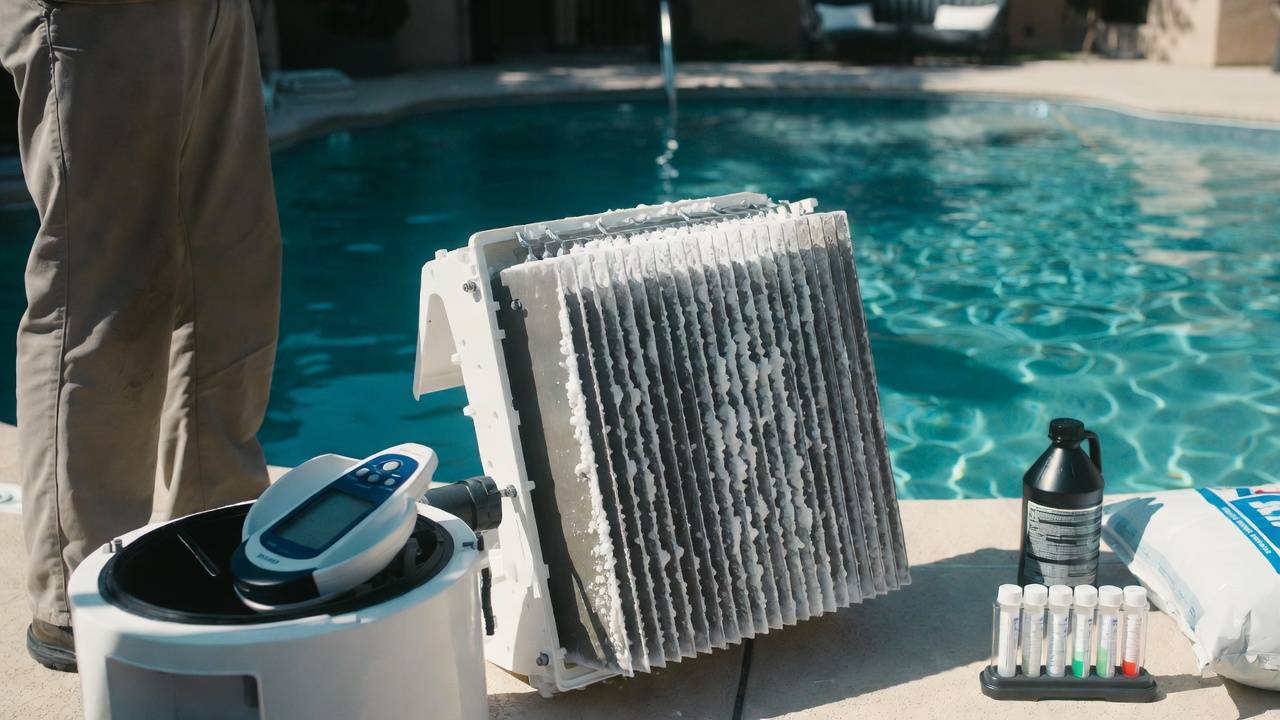
For many busy homeowners, the best pool cleaner will be a robotic pool cleaner because it works independently from the pool pump and filter. You drop it in, let it run, rinse the filter, and move on with life. That matters in neighborhoods with mature trees, windy backyards, and kids using the pool every day.
Still, not every pool needs the same machine. A small above ground pool may only need a compact pool cleaning robot. A large gunite pool with walls, benches, and heavy leaves needs stronger navigation and filtration. If your pump flow is weak or the filter clogs quickly, even the best pool cleaner may struggle because the larger system still needs attention.
If you are choosing between DIY cleaning and professional help, PoolBurg’s starting pool service guide is a smart place to begin.
Robotic vs Suction vs Pressure Cleaners
A robotic pool cleaner is usually the best pool cleaner category for homeowners who want strong floor and wall cleaning with less strain on equipment. It has its own motor and filter, so it is not constantly pushing debris into your pool filter.
A suction-side automatic pool cleaner can be more affordable, but it relies on pump suction and sends debris through the pool system. A pressure-side cleaner is helpful for big leaves and acorns, but some models need a booster pump. For many DFW pools, robotic wins on convenience, while suction and pressure models can still make sense in the right setup.
Cleaner Type Comparison for DFW Pools
| Cleaner Type | Best For | Big Advantage | Watchout |
| Robotic cleaner | Large inground pools and busy families | Independent cleaning | Higher upfront cost |
| Suction-side cleaner | Budget-focused pools with strong flow | Simple setup | Loads the filter |
| Pressure-side cleaner | Leaf-heavy yards | Handles larger debris | May need booster pump |
Top Best Pool Cleaner Picks for North Texas Pools
Best overall: Dolphin Nautilus CC Plus. A strong fit for many inground pools because it is easy to use, reliable, and built for pools up to 50 feet.
Best premium: Dolphin Premier. A better match when homeowners want premium filtration options, wall cleaning, and waterline coverage.
Best for smart control: Polaris P965iQ. A solid option for app-minded owners who want WiFi control and scheduling through iAquaLink.
Best for smaller pools: Dolphin E10. Designed mainly for above ground pools up to about 30 feet, so it can be a practical choice for compact setups.
Best value alternative: Hayward TigerShark. A familiar name with cartridge access and floor, wall, cove, and waterline cleaning on many models.
What the Best Pool Cleaner Cannot Do
A good automatic pool cleaner can vacuum debris, scrub surfaces, capture fine particles, and make the pool look better between visits. That is why a pool cleaning robot feels almost magical the first week.
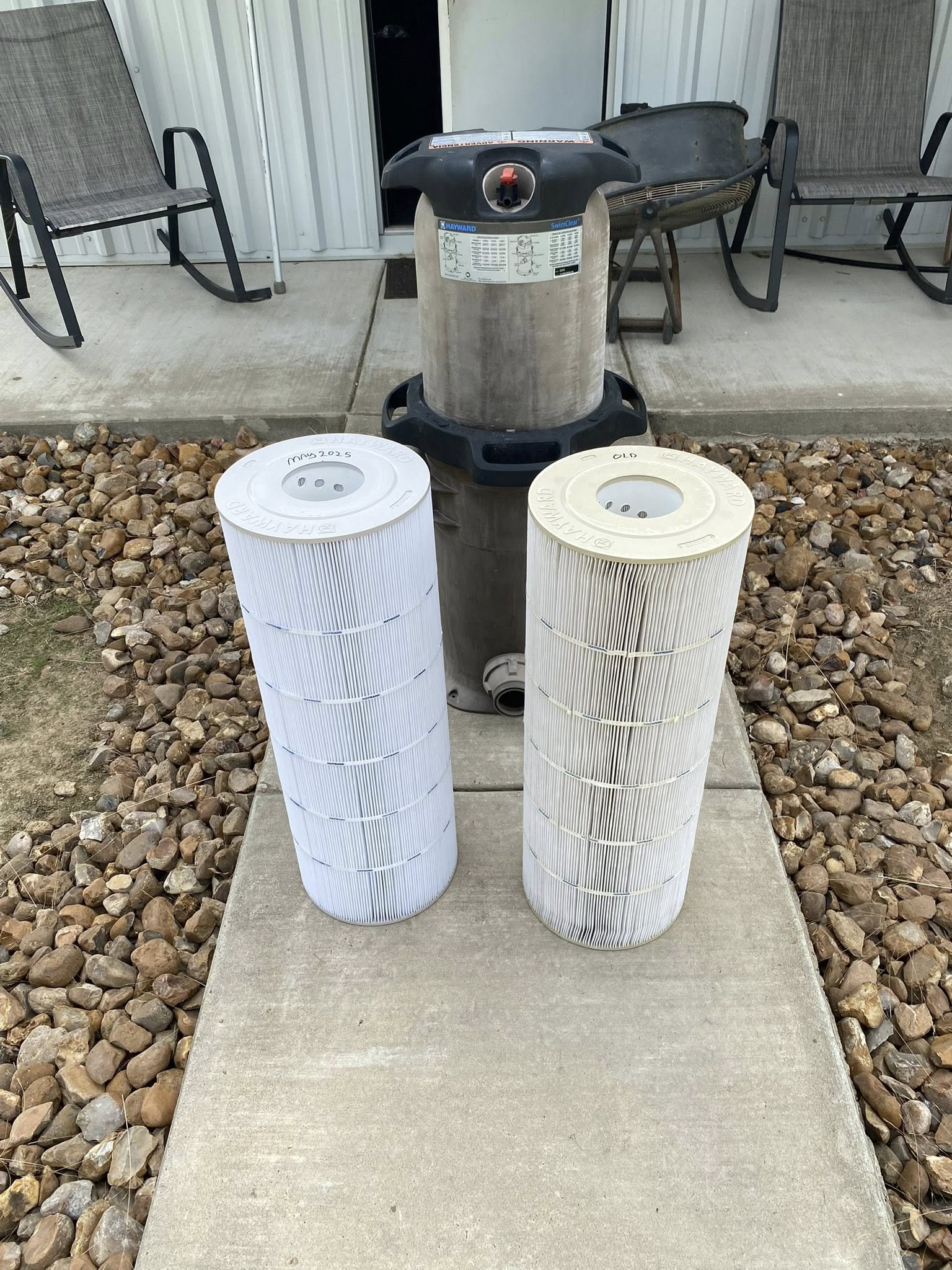
But even the best pool cleaner cannot sanitize water, correct pH, manage calcium, clean the pump basket, wash the filter, diagnose a leak, or prevent algae without proper chemistry. The CDC’s pool water treatment guidance is a useful reminder that clear-looking water still needs proper sanitation.
That is where PoolBurg’s residential pool maintenance helps DFW homeowners keep the parts a robot cannot handle under control.
Best Pool Cleaner Maintenance Tips
- Rinse the filter bag or cartridge after every run.
- Store the unit out of direct Texas sun when not in use.
- Check tracks, brushes, wheels, and cables monthly.
- Do not leave the robot in the pool 24/7.
- If cleaning patterns look weak, inspect circulation and equipment too.
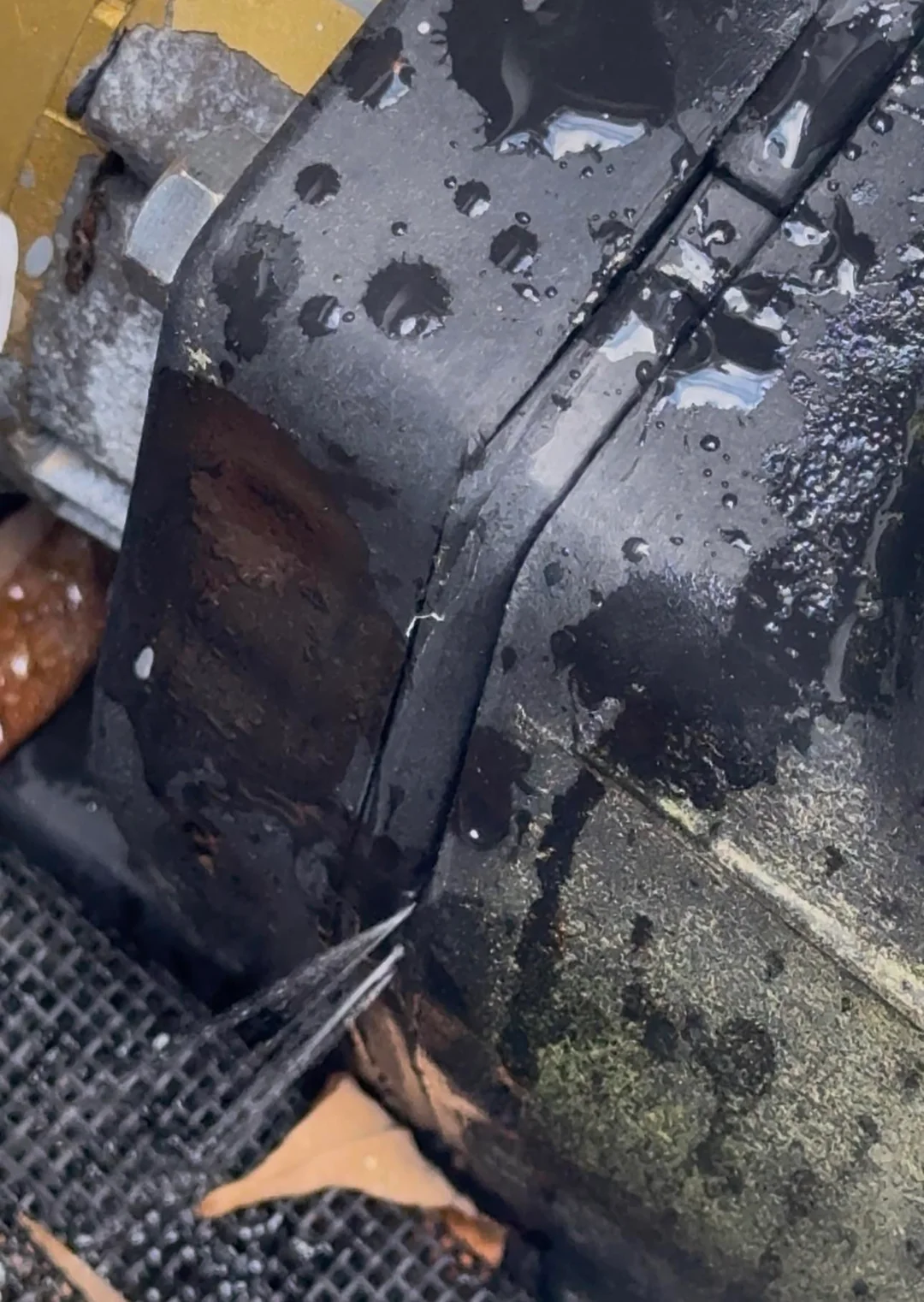
If the cleaner clogs constantly, pressure rises fast, or suction feels weak, PoolBurg’s pool equipment repair team can inspect the system before a small issue becomes a bigger repair.
People Also Ask
Are robotic pool cleaners worth it in Texas?
Yes, especially for larger DFW pools with leaves, dust, pollen, and frequent swimming. The best pool cleaner saves time, but it should still work alongside regular service.
Can a robotic cleaner replace pool service?
No. A pool cleaning robot removes debris, but it does not manage chemistry, equipment health, filters, baskets, or algae prevention.
Should I get a robotic cleaner or a suction-side cleaner?
Choose robotic if you want better cleaning with less strain on equipment. Choose suction-side if budget matters more and your pump flow is strong.
Do robotic cleaners work on above ground pools?
Some do, but you need the right model. A cleaner built for a large inground gunite pool may not be the best pool cleaner for an above ground pool.
PoolBurg’s Take on the Best Pool Cleaner
The best pool cleaner is the one that fits your actual pool, not just the one with the flashiest box. A robotic pool cleaner can make your pool look better between visits, and a good automatic pool cleaner can absolutely save time. But your pool still needs chemistry care, brushing, basket cleaning, filter attention, and equipment checks.
Want cleaner water between PoolBurg visits? Contact PoolBurg and ask which pool cleaning robot makes the most sense for your pool size, surface, debris level, and service schedule.