Chemicals needed to open a pool are not the same for every backyard. A clear pool that stayed covered well through cooler weather may only need testing, balancing, and a sanitizer boost. A green, leafy, pollen-loaded pool in Frisco or McKinney needs a very different plan. That is why the first move should not be tossing in every bottle from the garage. The first move is testing the water, cleaning the pool, getting circulation moving, and then adding the right pool start-up chemicals in the right order.
What To Test Before Adding Anything
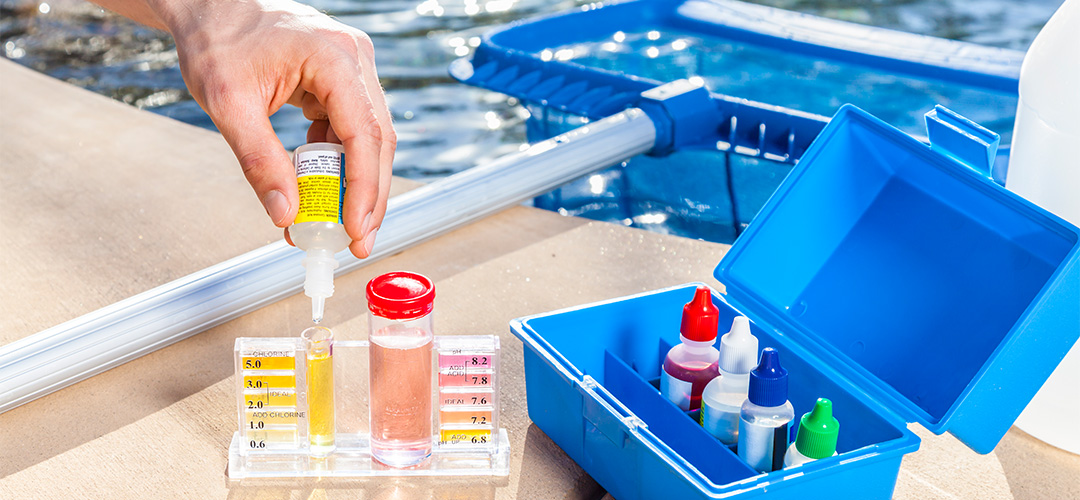
Before deciding what chemicals to add when opening a pool, test chlorine, pH, total alkalinity, stabilizer, and calcium hardness. CDC guidance says chlorine and pH are the first defense against germs in pool water and recommends a pool pH of 7.0 to 7.8 with at least 1 ppm chlorine, or at least 2 ppm chlorine when cyanuric acid or stabilized chlorine is used.
Guessing at opening can get expensive fast. If pH is high, chlorine works less effectively. If alkalinity is off, pH can swing. If stabilizer is too low, sunlight burns chlorine quickly. If calcium is out of range, you can invite scaling or surface issues. PoolBurg’s pool water testing kits guide and swimming pool pH levels article are both worth reading before dumping in chemicals blindly.
Core Opening Chemicals Most Pools Need
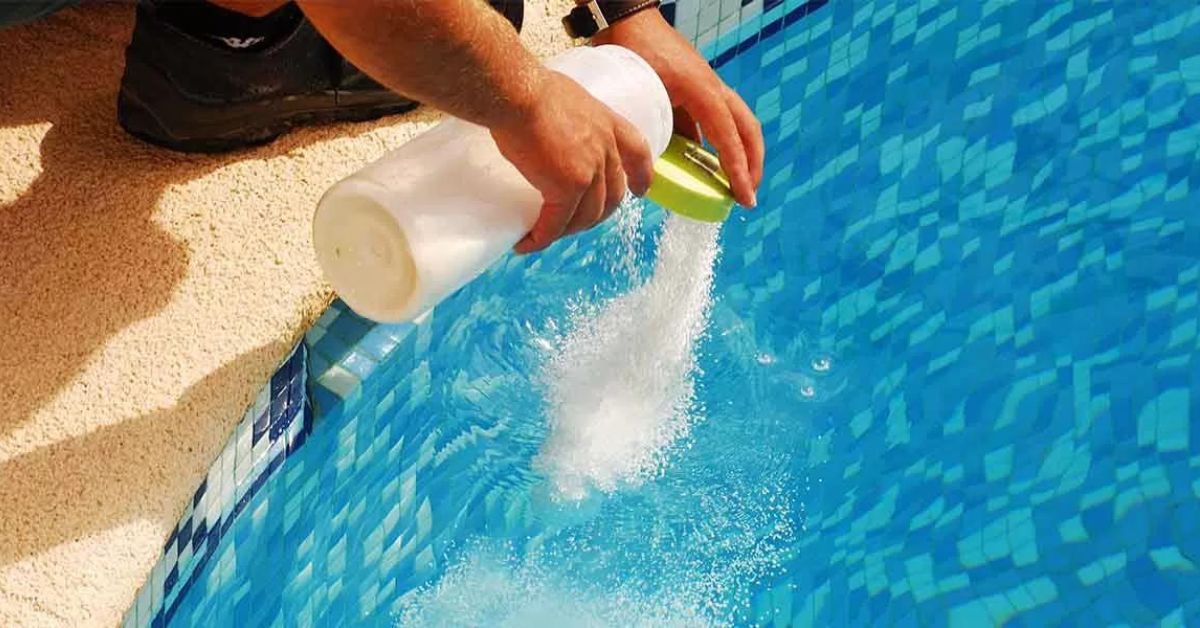
Most pool openings involve some version of sanitizer or shock, pH adjusters, alkalinity increaser or reducer, stabilizer, and sometimes calcium hardness increaser. Outdoor pools often need cyanuric acid to protect chlorine from sunlight, but too much stabilizer can also make chlorine management harder, so test before adding.
For saltwater systems, spring pool opening chemistry also includes checking salt level, cell condition, chlorine output, pH, stabilizer, and calcium hardness. Salt pools are still chlorine pools. They just make chlorine through a salt system, so they still need balanced water and proper testing.
Clear Pool Versus Dirty Pool Opening
A clear pool does not need panic dosing. It usually needs debris removal, equipment inspection, water testing, balancing, and a controlled sanitizer boost. Leslie’s opening guidance notes that debris should be removed before balancing chemistry and shocking, because heavy leaves and algae can interfere with treatment.
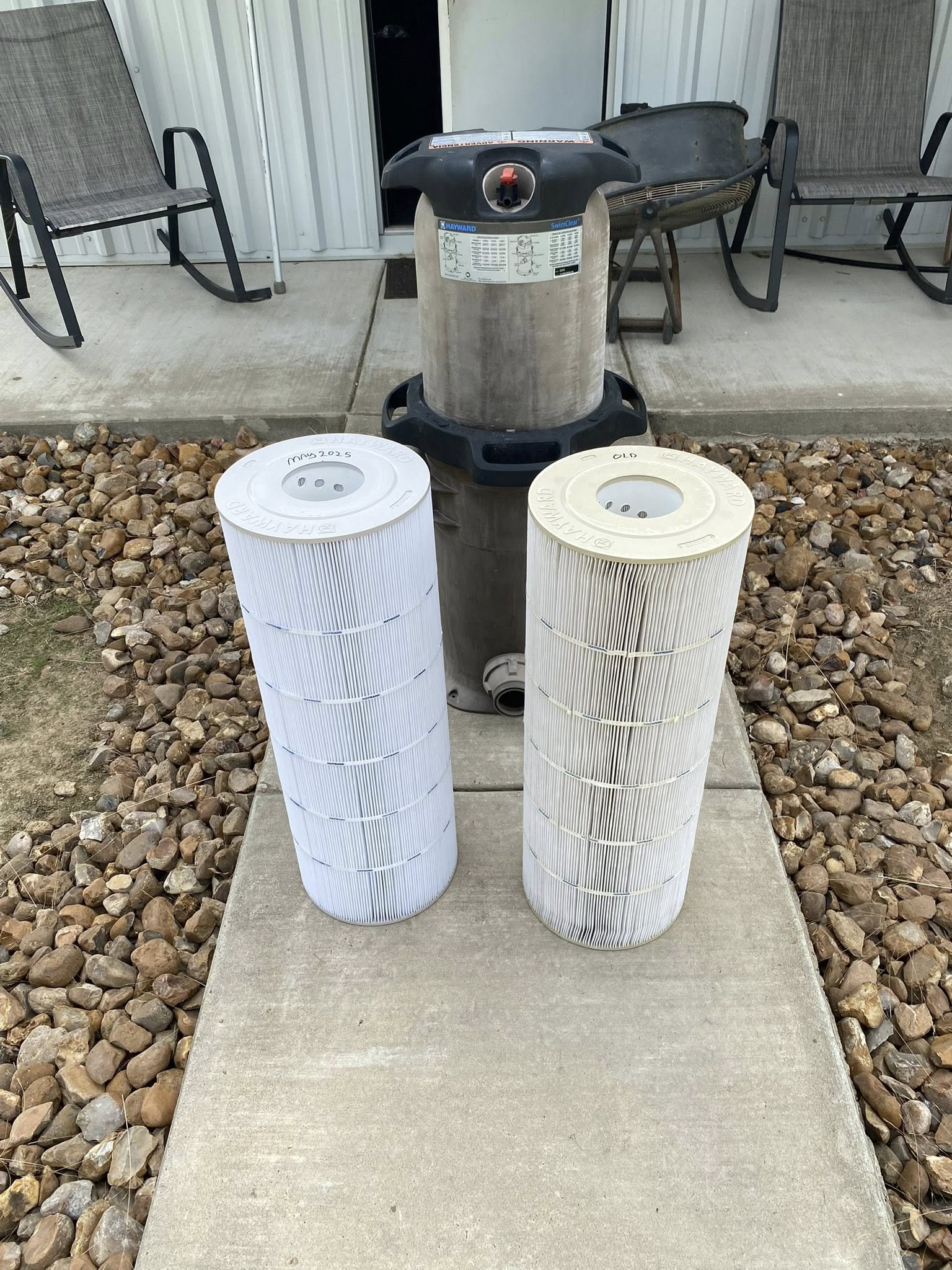
A green or debris-heavy pool needs a different sequence. Remove leaves first, empty baskets, clean or check the filter, run circulation, test the water, correct pH when needed, then treat algae and sanitizer demand. If the filter is dirty or the pump is not moving water well, even the best pool opening chemicals will struggle.
Common Opening Mistakes
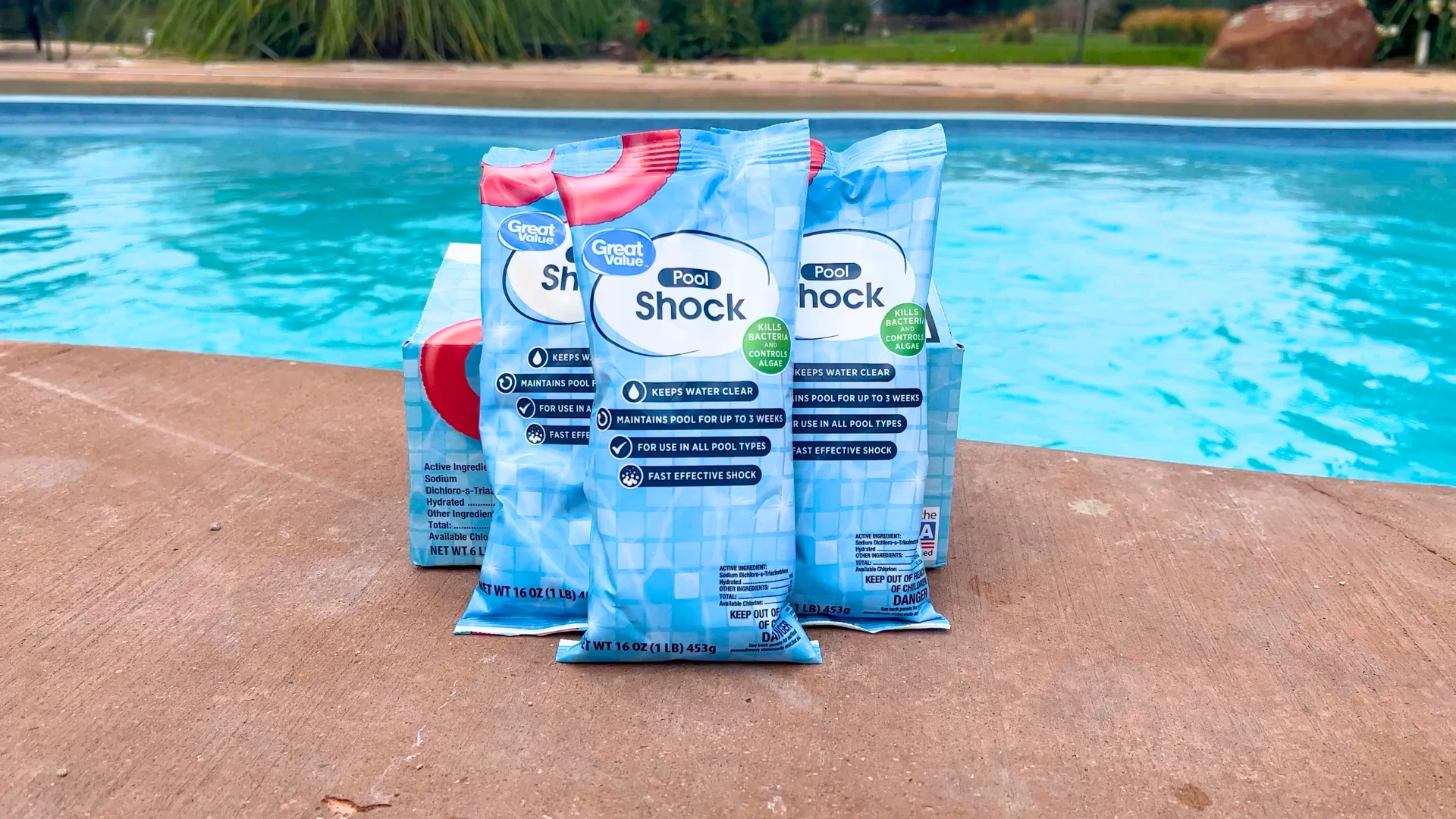
The biggest mistake is adding everything at once. Another one is shocking before testing pH. Homeowners also forget the boring stuff: brushing walls, cleaning baskets, checking filter pressure, confirming valves are open, and making sure the pump is primed. A pool opening is not just chemistry. It is chemistry plus circulation plus filtration.
CDC pool chemical safety guidance warns that pool chemicals can cause injuries when handled improperly, especially when products are mixed or used against label directions. That is a good reason to slow down, read labels, and avoid chemical soup.
Why Texas Spring Openings Need Extra Attention
Frisco, McKinney, Allen, Prosper, Southlake, Grapevine, and nearby DFW pools often reopen after storms, wind, oak pollen, dust, and temperature swings. Even if the water looks decent, pollen and organic debris can create a chlorine demand that shows up after the pool starts circulating.
That is why PoolBurg likes opening pools by condition, not habit. A pool with clear water and good readings gets a clean, balanced start. A pool with debris, algae, or cloudy water gets a stronger recovery plan. PoolBurg’s monthly pool maintenance checklist is a helpful follow-up once the pool is open and ready for the season.
People Also Ask
What chemicals do I need to open a pool?
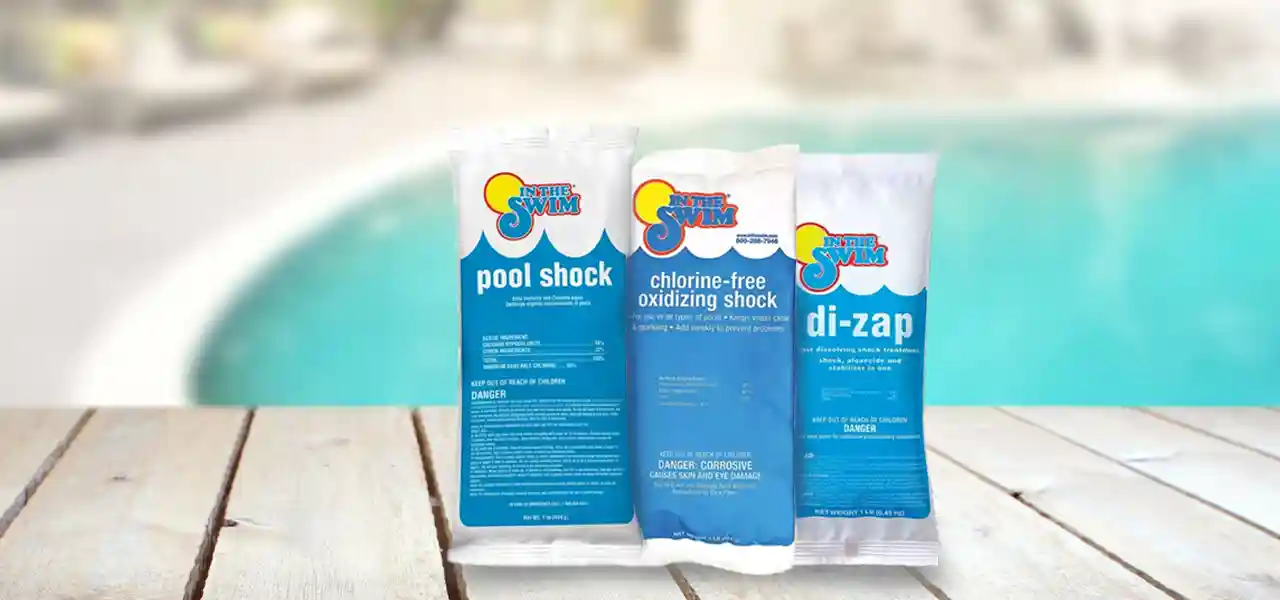
Most pools need sanitizer or shock, pH adjustment, alkalinity adjustment, stabilizer, and sometimes calcium hardness adjustment. The exact list depends on test results and water condition.
Should I shock a pool when opening it?
Often, yes, especially after winter, storms, debris, or algae. But test pH and clean debris first so the shock can work more effectively.
How long after opening can you swim?
Swim only after the water is clear, the pump and filter are working, and chlorine and pH test in a safe range. Always follow product label wait times after adding chemicals.
Do saltwater pools need different opening chemicals?
They need many of the same balance checks, plus salt level, cell condition, and chlorine output verification. A salt pool still needs effective chlorine.
Can I open a pool without testing the water?
You can, but you should not. Testing prevents overcorrection, wasted chemicals, cloudy water, and avoidable equipment stress.
PoolBurg Can Open, Test, And Balance Your Pool In One Visit
The chemicals needed to open a pool should be based on what the water is actually doing, not a random kit or a guess from last year. PoolBurg can handle spring start-up, testing, brushing, equipment checks, and balancing so your pool opens cleaner and faster. If you want the pool opened, tested, and balanced without playing chemistry roulette, contact PoolBurg for spring pool opening service in Frisco, McKinney, Allen, Prosper, Southlake, Grapevine, and nearby DFW cities.