Owning a pool in North Texas is a little bit like owning a truck, a grill, and a high-maintenance pet at the same time. You love it. You use it. But it definitely asks questions back.
So if you have ever Googled a DFW pool FAQ, wondered why your water turned cloudy overnight, or asked three neighbors three different pool questions DFW homeowners always seem to argue about, this guide is for you.
Here is everything about pools that most DFW homeowners should understand before the next hot weekend sneaks up.

1. How often should a pool be cleaned in DFW?
For most homes, weekly service is the sweet spot. North Texas heat, wind, pollen, dust, and sudden storms can change pool water fast. A weekly visit usually includes skimming, brushing, checking baskets, testing water, and adjusting chemicals.
If your pool has heavy tree coverage, lots of swimmers, pets, or frequent parties, you may need more attention. That is where professional pool cleaning can save you from playing chemical detective every Saturday morning.
2. Why does pool water get cloudy so quickly?
Cloudy water usually means the pool is out of balance, the filter is struggling, circulation is weak, or organic debris is building up. The CDC notes that pool water should be properly disinfected and maintained at the right pH for safer swimming conditions.
In plain English, your pool needs three things working together:
- Good water movement
- Proper filtration
- Balanced chemistry
If one of those falls behind, cloudy water shows up like an uninvited guest.
3. What chemicals should pool owners pay attention to?
The big ones are chlorine, pH, alkalinity, calcium hardness, and stabilizer. Chlorine helps sanitize the water, while pH affects swimmer comfort and how well chlorine works. CDC guidance for healthy swimming highlights the importance of checking disinfectant and pH levels before swimming.
This is one reason many homeowners eventually choose weekly pool service instead of guessing with test strips and hoping for the best.
4. Why is pool maintenance different in North Texas?
The pool owner FAQ North Texas homeowners need starts with weather. DFW pools deal with extreme summer heat, clay soil movement, surprise freezes, windstorms, pollen, and long swim seasons.
That means your pool is not just sitting pretty. It is reacting to the environment every week.
5. How long should my pool pump run?
It depends on pool size, pump type, plumbing, season, and usage. In summer, many DFW pools need longer run times because warm water encourages algae growth and faster chemical loss.
Variable speed pumps can often circulate water more efficiently than older single speed pumps, and ENERGY STAR notes that certified pool pumps can reduce energy use compared with standard models.If your pump sounds rough, loses prime, or shuts off randomly, schedule pool pump repair before it becomes a full replacement situation.

6. When should I worry about pool equipment?
Watch for these signs:
- Loud pump noises
- Weak return jets
- Air bubbles in the pump basket
- Heater errors
- Filter pressure that climbs too fast
- Automation that stops responding
- Breakers tripping near pool equipment
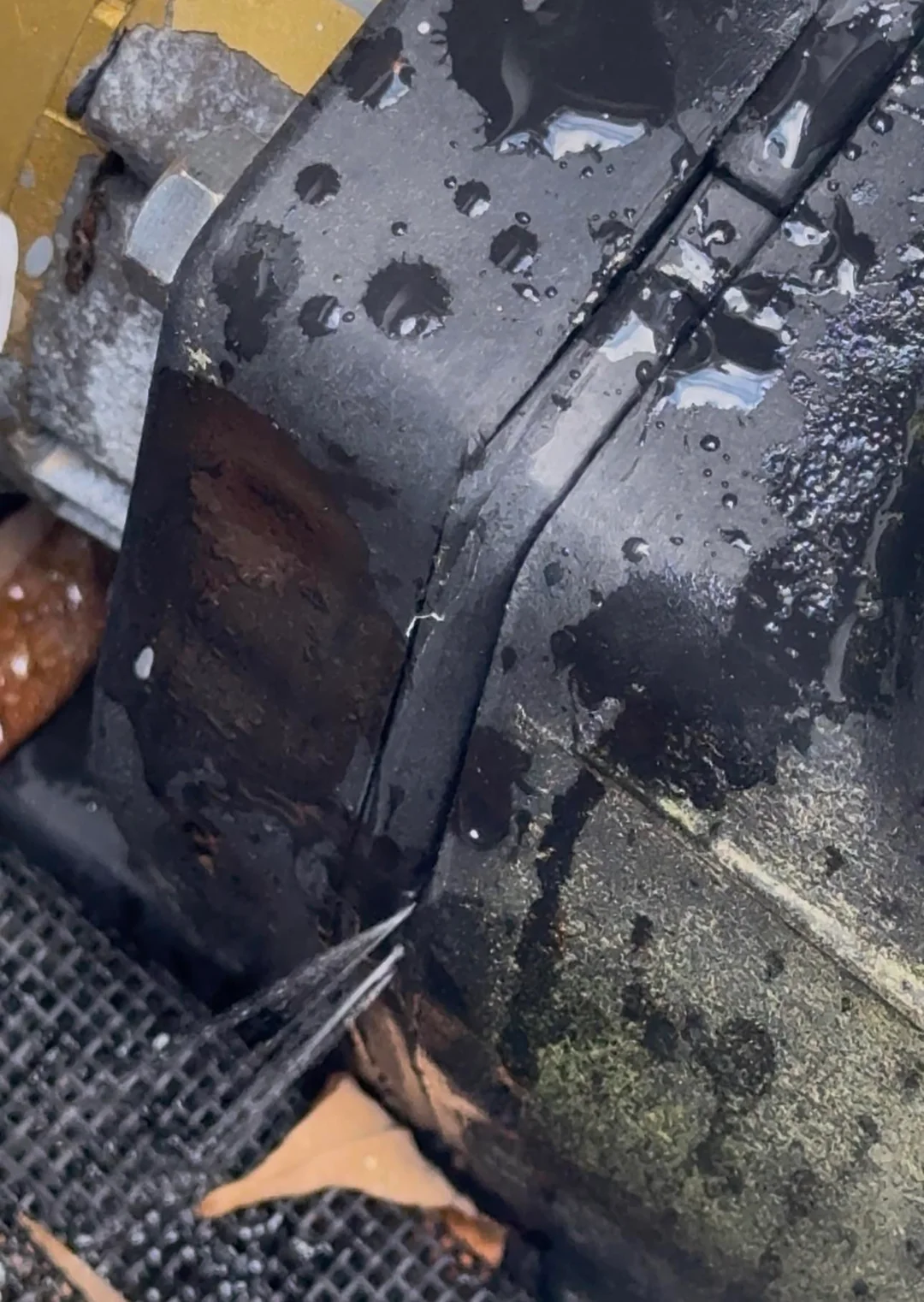
Small equipment issues can become expensive fast. A professional pool repair visit can catch problems before they snowball.
7. How often should filters be cleaned?
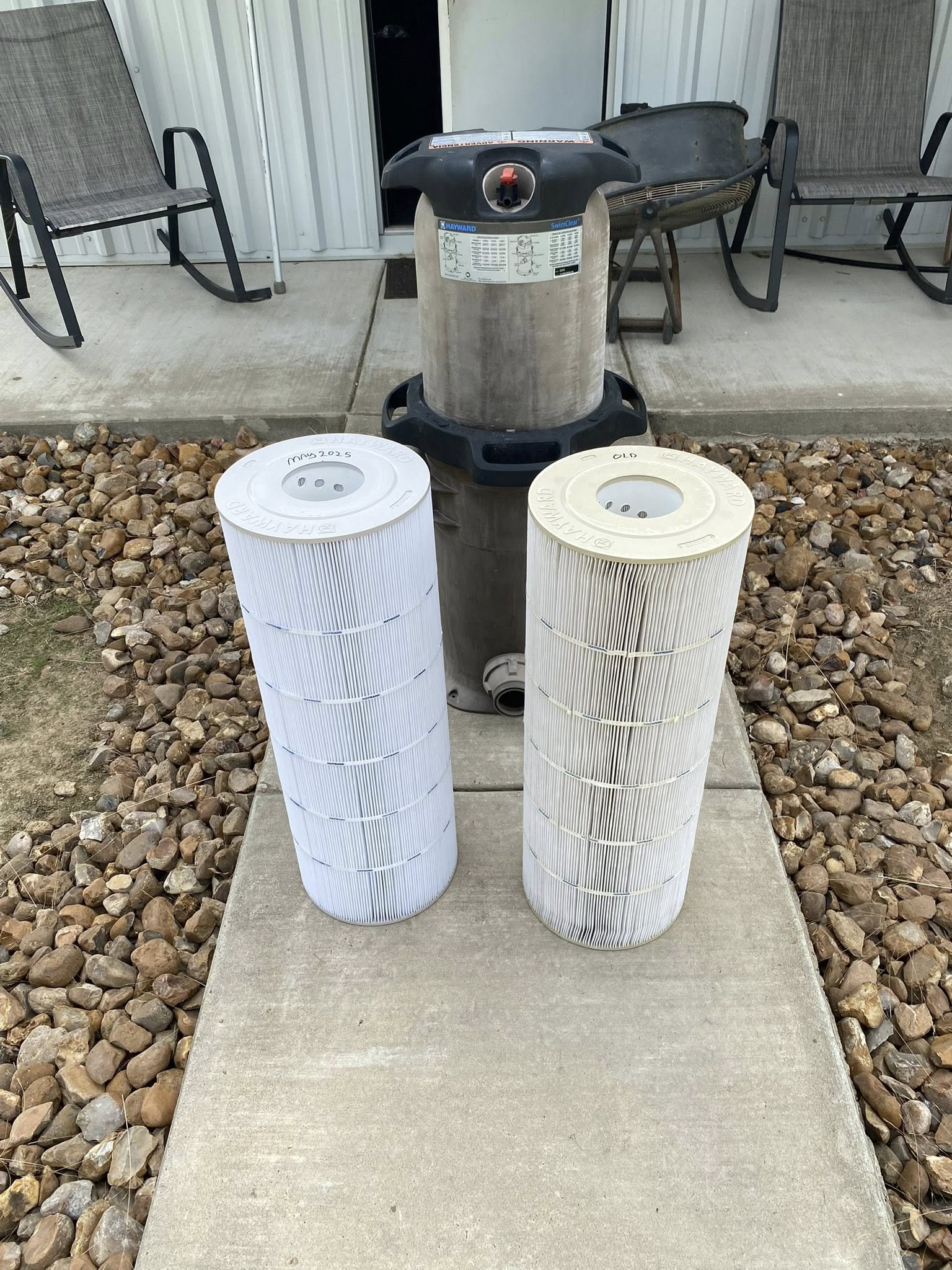
Cartridge filters usually need cleaning several times a year, but DFW pools with heavy debris may need it more often. DE and sand filters have different maintenance schedules. If pressure rises, water flow drops, or the pool keeps getting cloudy, your filter may be begging for attention.
8. Do pools need inspections?
Yes, especially when buying a home. A regular pool inspection can reveal equipment problems, leaks, unsafe wiring, surface damage, plumbing issues, and hidden repair costs.
If you are buying a house with a pool, do not treat the pool like backyard decoration. Treat it like a major system. A pool inspection can give you a clearer picture before closing.
9. What is the most common mistake DFW pool owners make?
Waiting too long.
People wait when the water is “only a little cloudy.” They wait when the pump is “just making a weird noise.” They wait when the pool app disconnects. Then suddenly, it is green, expensive, and stressful.
With pools, small problems are cheaper than dramatic ones.
10. Is pool safety really part of maintenance?
Absolutely. Pool care is not only about clear water. It is also about safe drains, secure gates, working lights, proper electrical protection, and clear visibility in the water. The CDC emphasizes that healthy swimming includes preventing illness and injury, not just keeping water pretty.
If kids, guests, or grandparents use the pool, safety should be part of your regular checklist.
11. How do I know when to call a professional?
Call a pro when the issue keeps returning, involves equipment, affects water safety, or requires electrical, plumbing, or leak diagnosis.
Good rule of thumb: if you have already tried two fixes and the problem came back, stop feeding the pool money one random product at a time.

12. What should every DFW pool owner remember?
Here is the simplest answer in this entire everything about pools DFW guide:
A pool does not stay healthy by accident. It stays healthy because water, equipment, cleaning, and timing all work together.
That is the heart of this DFW pool FAQ. Your pool is not just water in a hole. It is a system. When that system is maintained, it gives you clear water, better weekends, safer swimming, and fewer surprise repairs.
For homeowners who want less guessing and more swimming, PoolBurg can help with pool cleaning, pool repair, pool pump repair, weekly pool service, and pool inspections across the DFW area.Ready to stop wondering and start enjoying the pool again? Contact PoolBurg and let the backyard breathe a little.