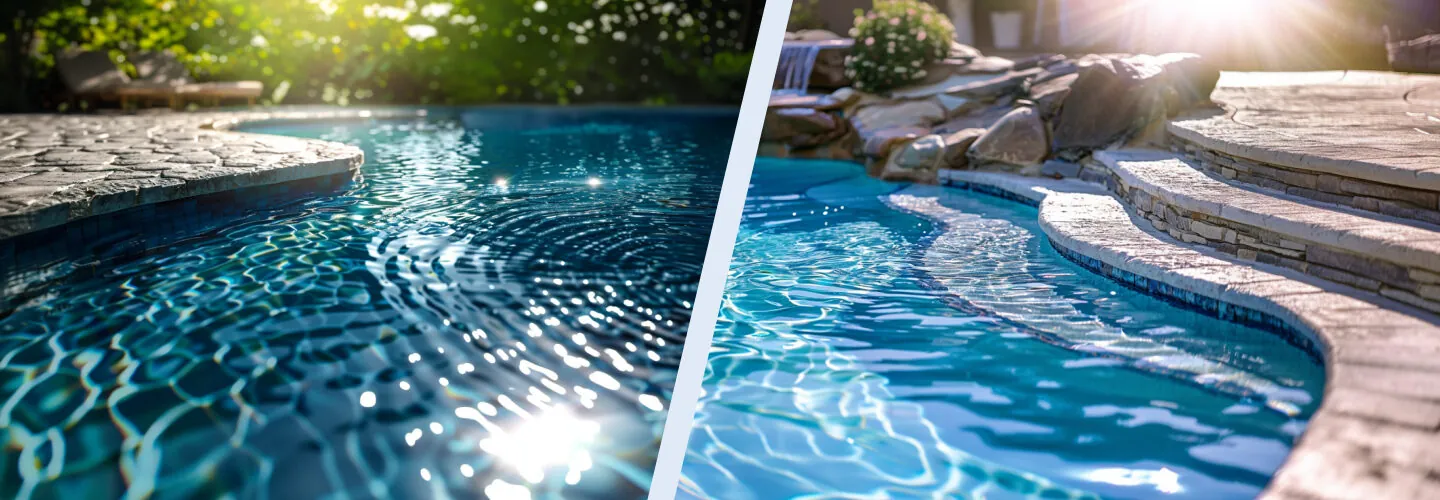
Gunite vs fiberglass—this is the heavy-hitter question I get every time a new family moves into a subdivision in Frisco or McKinney. Honestly, choosing a pool is a bit like choosing a truck; it depends on what you are hauling and how much time you want to spend in the shop. In North Texas, the stakes are a little higher because our ground literally moves under our feet. Between our “liquid rock” hard water and the soul-crushing August heat, the best pool type for Texas has to be a survivor.
If you are stuck between the custom flexibility of gunite and the low-maintenance speed of a fiberglass shell, you aren’t alone. This guide breaks down the technical and financial reality of gunite vs fiberglass so you can stop researching and start swimming.
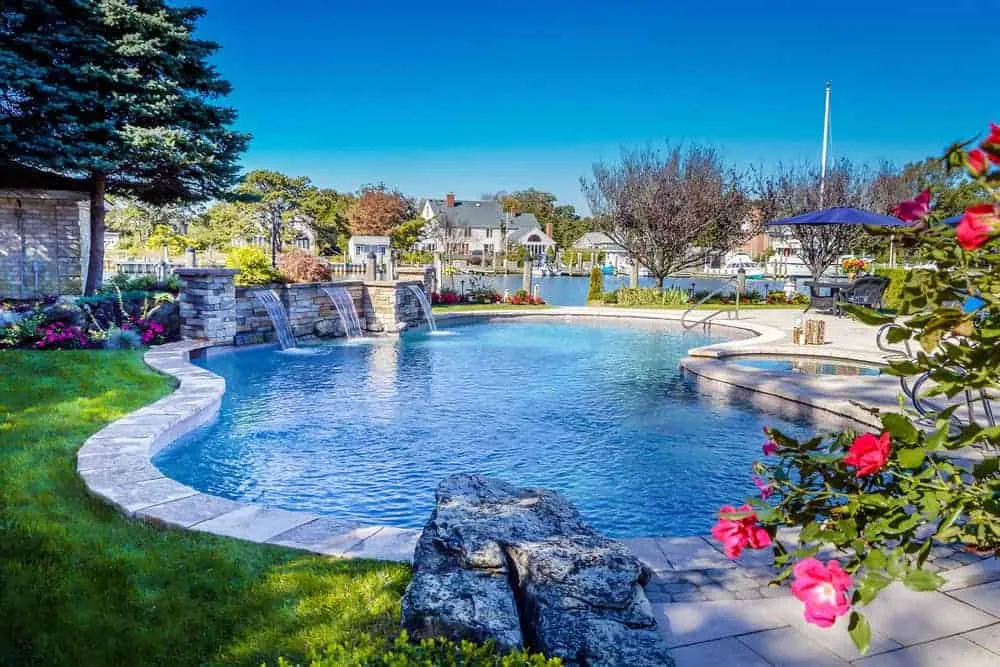
The Two Most Popular Pool Types in DFW — Gunite and Fiberglass
In our neck of the woods, gunite (concrete) has been the king for decades. It is what most people picture when they think of a luxury “backyard resort” in Southlake. However, the gunite vs fiberglass debate has shifted recently. As of 2026, fiberglass installations have surged by 25% in high-growth markets like ours. Why? Because families are starting to value their free time and lower utility bills just as much as they value a custom shape.
Head-to-Head Comparison for North Texas
1. Construction Speed: 3 Weeks vs. 4 Months
If you want to swim this season, the gunite vs fiberglass choice is easy. A fiberglass pool is a pre-manufactured shell that arrives on a truck and can be in the ground in about 3 to 6 weeks. Gunite, on the other hand, is built from scratch. Between the steel rebar, the concrete pour, and the 28-day cure time for plaster, you are looking at a 10-to-16-week project—if the Texas weather cooperates.
2. Durability and the DFW Clay Factor
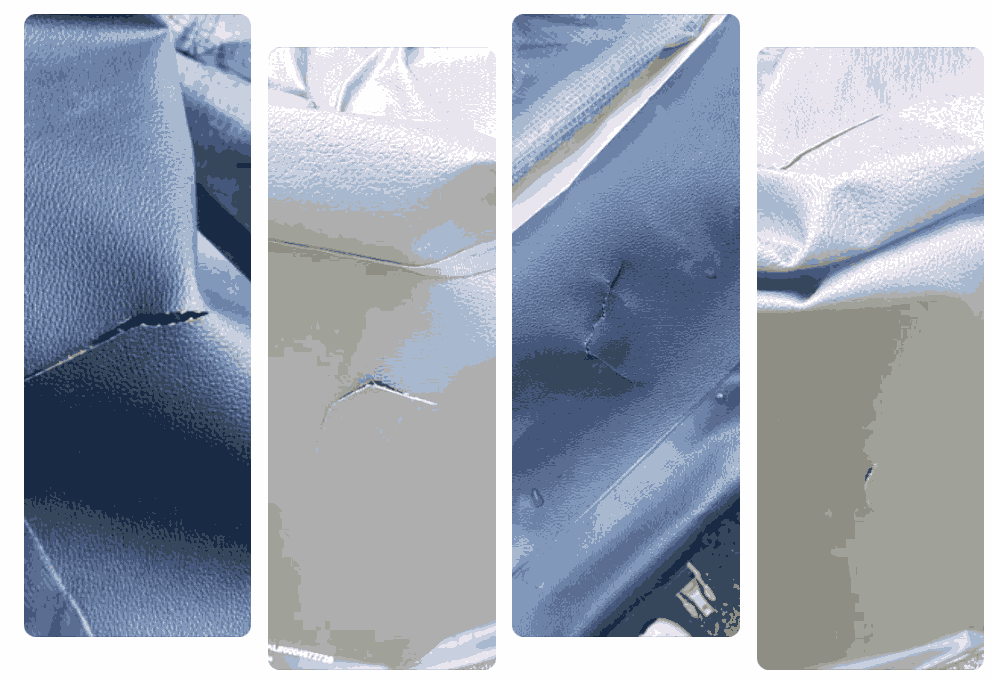
Here is the kicker: DFW sits on some of the most expansive clay soil in the country. This soil, rich in montmorillonite, can heave up to 4 inches as it absorbs and loses moisture. When comparing gunite vs fiberglass, the flexibility of fiberglass is a massive win. It acts like a giant Tupperware bowl that can flex with the soil shifts. Gunite is rigid, and if the engineering isn’t perfect, that shifting soil will eventually lead to structural cracks.
3. Surface Maintenance and Hard Water
Our tap water is “liquid rock,” often testing at over 300 ppm of calcium. In a gunite vs fiberglass battle, the surface matters. Gunite is porous, which means it acts like a sponge for calcium scale and algae. Fiberglass has a non-porous gelcoat finish that scale simply can’t stick to as easily. This means fewer chemicals and a much easier time managing our hard water pools.
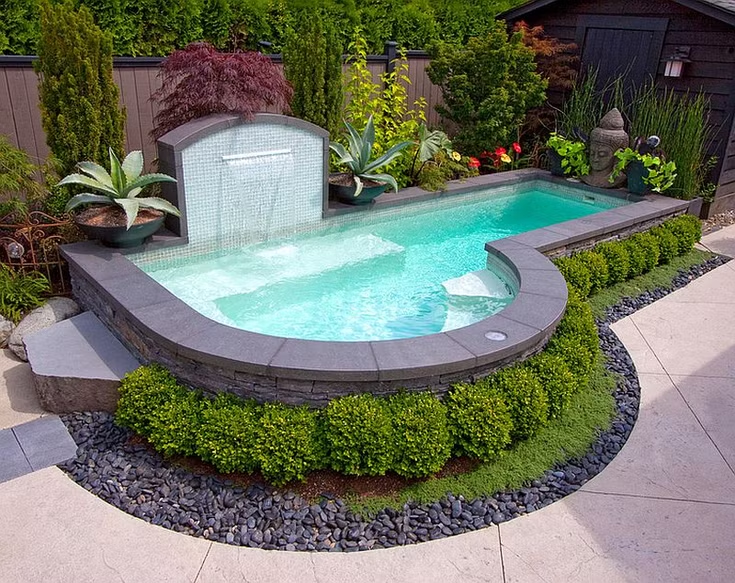
4. Aesthetics and Customization
If you want a specific “L-shape” to fit a tight lot in Dallas or a massive vanishing edge overlooking a ravine, gunite is the best pool type for Texas luxury. You can build anything. With fiberglass, you are limited to the shapes the manufacturer makes. If you can’t find your dream shape in a brochure, gunite wins this round of gunite vs fiberglass every time.
5. Upfront and Lifetime Costs
Upfront, the gunite vs fiberglass price gap is closing. You can expect a quality fiberglass build to land between $35,000 and $90,000. Gunite typically starts at $50,000 and can easily soar past $150,000 for a resort-style setup. However, the lifetime cost is where the math changes. A gunite pool requires replastering every 10 to 15 years, which costs $5,000 to $15,000. Fiberglass usually only needs its gelcoat refreshed every 25+ years.
6. Resale Value: The Texas Tradition
In cities like Southlake and Westlake, buyers still perceive gunite as the premium choice. It adds a level of “heft” to a property that can increase home value by 7% or more. However, in newer developments in Prosper and Celina, fiberglass is becoming the new standard. Buyers love the idea of lower maintenance bills.
PoolBurg’s Recommendation for DFW
The best pool type for Texas really comes down to your priorities. If you are building a “forever home” and want a one-of-a-kind architectural masterpiece, go with gunite. But if you want a pool that installs fast, survives our shifting soil, and costs less to run, fiberglass is the smart play. Either way, you need a “Guardian” to handle the weekly pool service so the Texas sun doesn’t wreck your investment.
People Also Ask
Is fiberglass better in Texas?
For soil stability, yes. Fiberglass is less likely to crack than gunite during our extreme wet-to-dry weather cycles.
Which pool type is cheaper to maintain?
Fiberglass is significantly cheaper. It uses about 30% fewer chemicals and requires much less electricity for circulation.
Does a pool add value to my home?
Yes. In DFW, a well-maintained pool can add 5% to 15% to your resale value, depending on the neighborhood.
Can gunite crack in the heat?
It isn’t the heat itself, but the soil contraction caused by drought that puts pressure on gunite shells, potentially causing cracks.
PoolBurg Knows Your Pool — Whether Gunite or Fiberglass
At PoolBurg, we are the guardians of North Texas water. We don’t build pools—we protect them. We know how to treat the delicate gelcoat of a fiberglass shell and how to prevent algae from rooting into your gunite plaster. We provide the expert pool maintenance services your backyard needs to thrive in the DFW climate.
Whether gunite or fiberglass, PoolBurg knows your pool — get a free assessment today.