Pool sand replacement is one of those maintenance tasks that most of my neighbors forget about until their backyard paradise starts looking more like a local stock tank. If you are staring at a hazy pool despite running your pump for 12 hours a day and dumping in buckets of shock, the problem probably isn’t your chemistry—it is your media.
In North Texas, the relationship we have with our filters is much more intense than in the rest of the country. Between the “liquid rock” hard water coming out of our taps and the oak pollen that hits every April, your filter works overtime. This guide will walk you through the unvarnished truth about when to replace pool filter sand and why a professional pool sand replacement is the best move to protect your equipment and your family’s health.
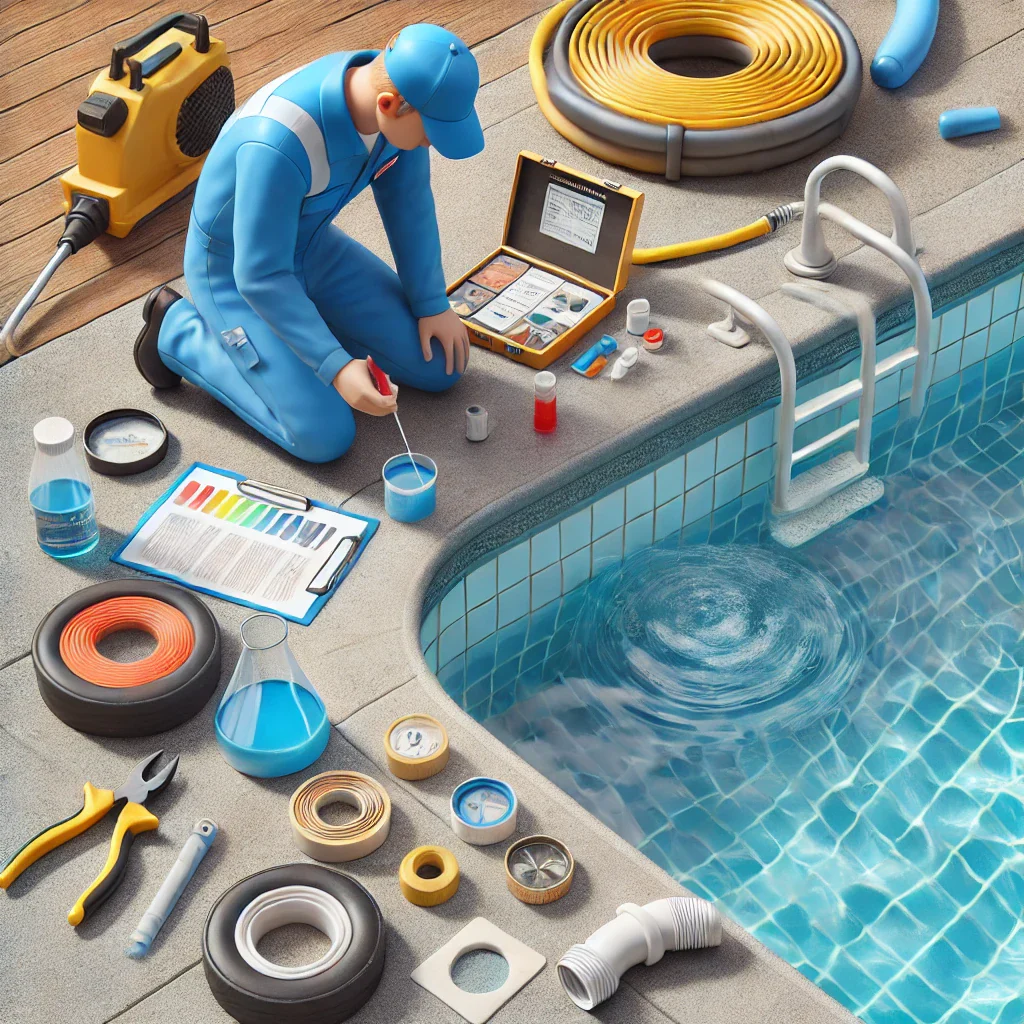
When Does Pool Filter Sand Need Replacing?
If you read a generic pool manual, it might tell you that you only need a pool sand replacement every five to seven years. In the North Texas reality, that is a total myth. Because DFW water is notoriously “hard,” containing high levels of calcium and magnesium, your filter sand undergoes a process called calcification. Essentially, the minerals in our water turn those jagged grains of sand into solid, smooth clumps, or “mudballs,” that water simply flows around rather than through.
For most DFW pools, you should be planning for a pool sand replacement every three to five years. If you are wondering when to replace pool filter sand, you need to look for these specific red flags:
- Cloudy Water: Even after a heavy shock, the water stays dull or hazy for days.
- No Pressure Rise: A healthy filter’s pressure should rise between backwashes; if yours stays low, the water is “channeling” through holes in the sand bed.
- Sand in the Pool: If you see small piles of sand sitting near your return jets, it is a definitive sign that an internal component like a lateral has cracked.
According to the WQA, high mineral content in the Southwest significantly accelerates scale buildup in all aquatic systems. If you have been battling hard water pools issues, your sand is likely the first casualty.
What Type of Sand to Use in DFW
When it comes time for your pool sand replacement, do not just grab any bag of “play sand” from a big-box hardware store. You must use #20 grade silica sand. This specific grade is ground to an angular shape (roughly 0.45mm to 0.55mm) designed to snag debris as small as 20 microns.
However, many DFW homeowners are now switching to high-performance alternatives during their pool sand replacement:
- FilterGlass: Made from recycled glass, it is smooth to the touch but filters down to 5 microns and lasts up to 10 years—nearly triple the life of sand.
- ZeoSand: This is a natural volcanic mineral that uses “ion exchange” to trap ammonium ions, which helps prevent chlorine sensitivity issues like red eyes and itchy skin.
Both of these alternatives handle our DFW calcium levels much better than standard silica. You can compare these different types in our Guide.
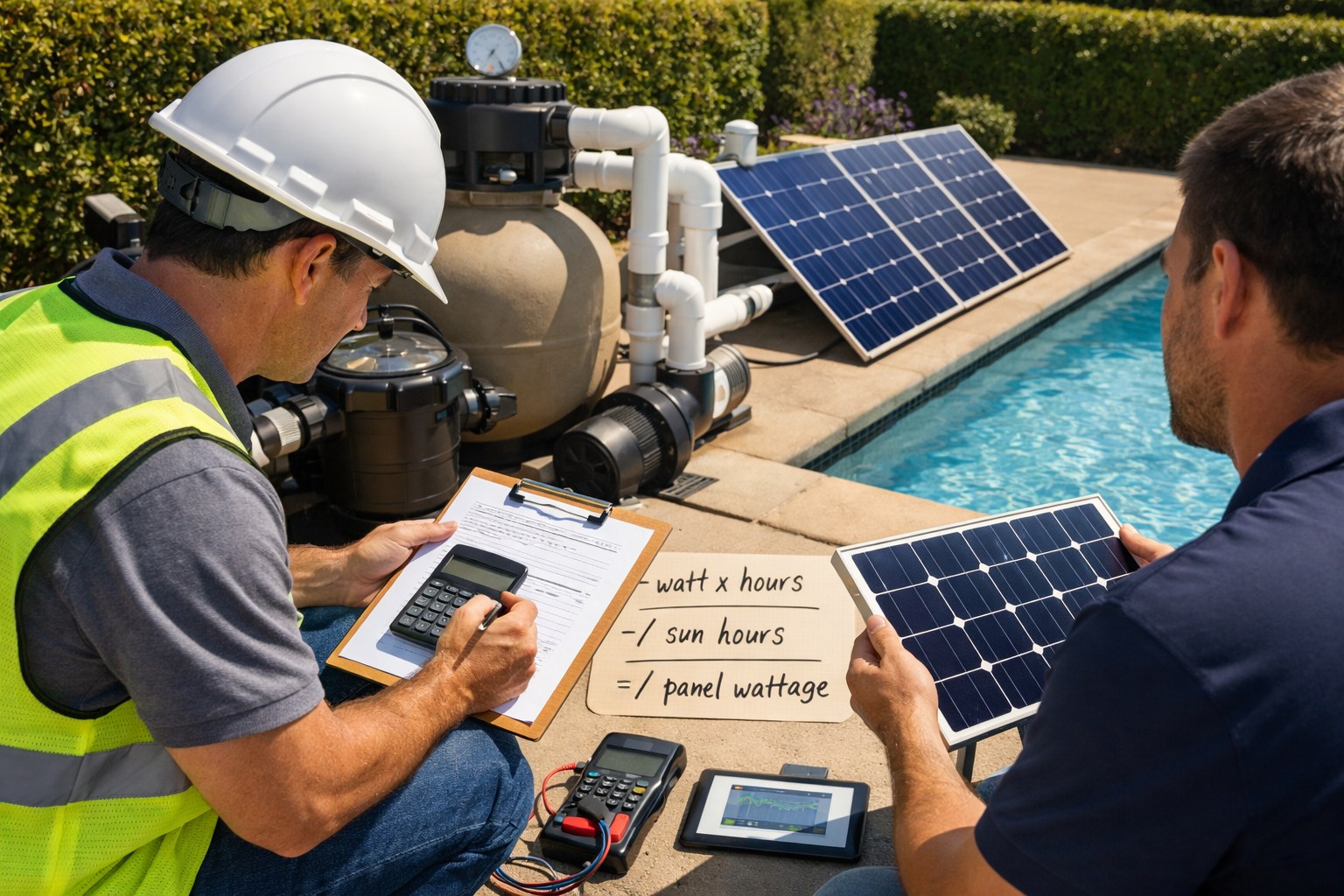
Step-by-Step Pool Sand Replacement Guide
If you decide to tackle a pool sand replacement yourself, be prepared for a long, messy afternoon. Here is the professional 10-step sequence we use at PoolBurg to ensure the job is done safely:
- Power Off: Shut off the pump at the circuit breaker—water and high voltage do not mix.
- Drain the Tank: Remove the drain plug at the bottom of the filter to let the standing water out.
- Remove the Multiport Valve: Disconnect the PVC plumbing and lift the valve assembly off the top of the tank.
- Tape the Pipe: This is the most important step—cover the internal standpipe with duct tape so no new sand falls inside it.
- Scoop the Old Sand: Use a wet/dry shop-vac to suck out the hundreds of pounds of wet, calcified sand.
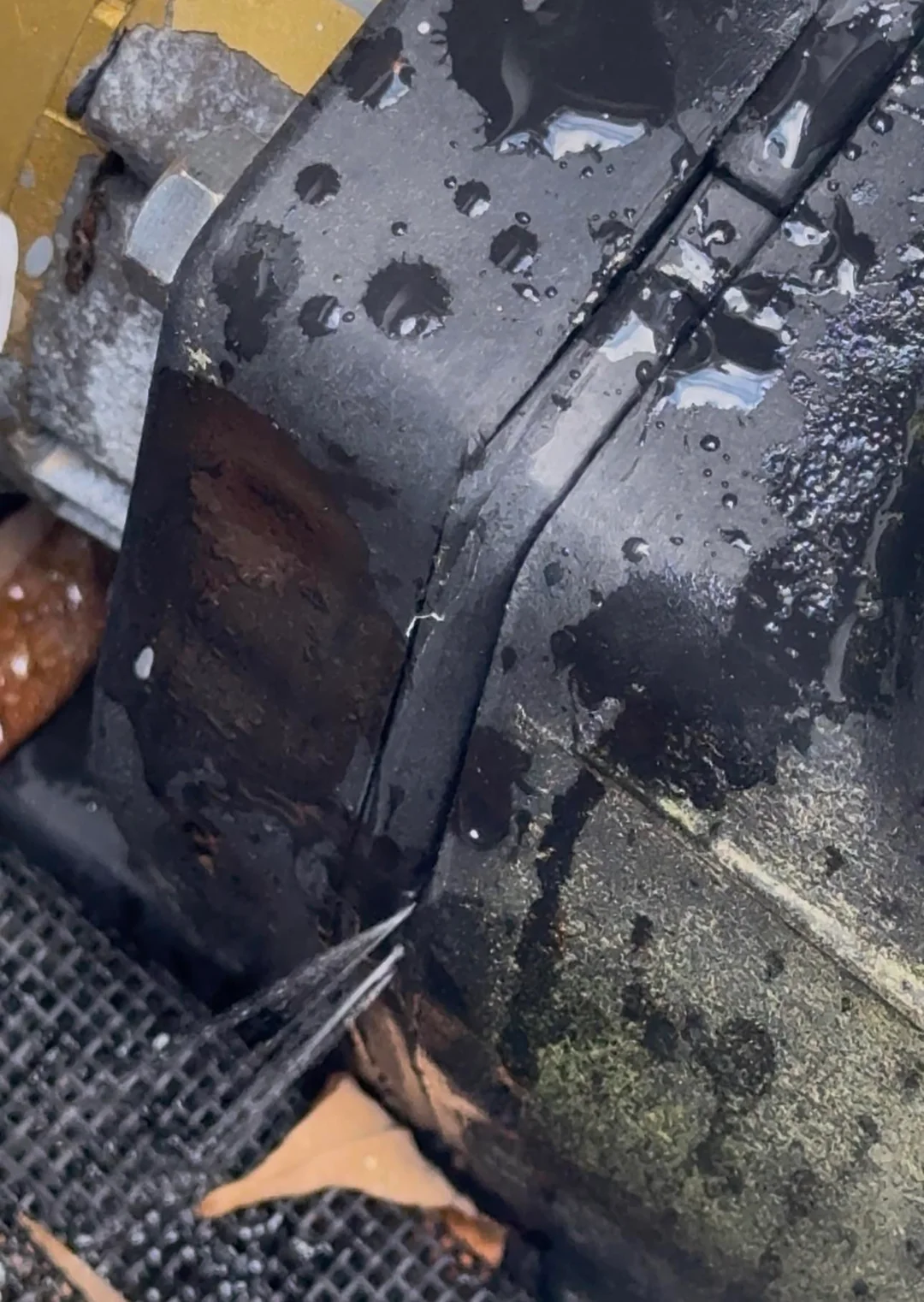
- Inspect the Laterals: Check the star-shaped pipes at the bottom for any hairline cracks. According to Pentair, even a tiny crack here will blow sand straight back into your pool.
- Add the Water Cushion: Fill the tank halfway with fresh water before adding sand to protect those brittle plastic laterals from the weight.
- Add New Sand: Slowly pour in your #20 silica or glass media until the tank is about two-thirds full.
- Reassemble: Lubricate your multiport O-rings with silicone-based lube and secure the valve.
- Backwash and Rinse: Run a full cycle to flush out the “dust” from the new media before returning to the “Filter” position.
Sand Replacement Cost in DFW
Budgeting for a pool sand replacement depends on whether you want to do the heavy lifting yourself.
- DIY Cost: You will spend roughly $50–$150 on sand, parts, and a bag of duct tape.
- Professional Cost: Expect to pay between $200–$400 in the North Texas area for labor and disposal.
While DIY is cheaper, hiring a pro for your pool sand replacement means you do not have to deal with disposing of 300 lbs of heavy, oily waste or risking a $500 repair because you accidentally snapped a lateral. Most families find that the peace of mind and professional disposal are well worth the price.
People Also Ask
How often should I do a pool sand replacement?
In Texas, every 3 to 5 years is the sweet spot to prevent “mudballing” from hard water.
Can I use regular play sand?
No! Play sand is too fine and round; it will blow straight through your filter and leave your pool feeling like a beach—in a bad way.
Why is there sand in my pool?
It almost always means you have a broken lateral at the bottom of the tank, often caused by the pressure of old, clumped sand.
Is ZeoSand better?
Yes, in terms of clarity. It filters down to 2-5 microns, which is comparable to an expensive DE filter.
Overdue for a sand change? PoolBurg handles the heavy work
At PoolBurg, we are the guardians of your North Texas water. We know that a pool sand replacement is back-breaking labor that most Frisco families want to avoid. We provide expert-level service across McKinney, Allen, and Plano, ensuring your laterals are inspected and your water is pristine. Don’t risk an algae bloom because of old sand. According to, proper filtration is your primary defense against the CDC waterborne pathogens.
Overdue for a sand change? We handle the heavy work while you relax.