
A pool is not protected by one giant warranty. New pools may have a builder warranty, a workmanship warranty, a surface warranty, and a separate pool equipment warranty from each manufacturer. If you bought a home with an existing pool, some warranties may still be active or transferable, but you have to confirm that in writing.
This matters around Frisco, Plano, McKinney, Allen, Prosper, Dallas, and the rest of North Texas because pools here deal with hard water, blazing heat, shifting soil, surprise freezes, and heavy storm seasons. A pool warranty can be helpful, but it is not a magic shield. The fine print decides almost everything.
Types of Pool Warranties for DFW Homeowners
A builder or contractor structural warranty usually covers major shell problems, like structural cracking, leaks tied to shell failure, or severe movement. These warranties may last several years, but they often exclude cosmetic cracking, normal settlement, drainage problems, or “acts of God” such as unusual freeze events.
A workmanship warranty is usually shorter, often around the first year or two. This is the window for tile installation issues, coping problems, plumbing connection concerns, or equipment installation defects. If something looks off, document it immediately with photos and dates. Waiting until the warranty expires is where homeowners get burned.
Surface warranties are their own animal. Plaster, quartz, or pebble finishes may be covered for premature failure or delamination, but water chemistry is the big catch. Low pH can etch surfaces, high calcium can cause scale, and poor records can make a claim difficult. That is why documented water testing is not just “nice to have.” It can protect your pool equipment warranty and your surface warranty at the same time.
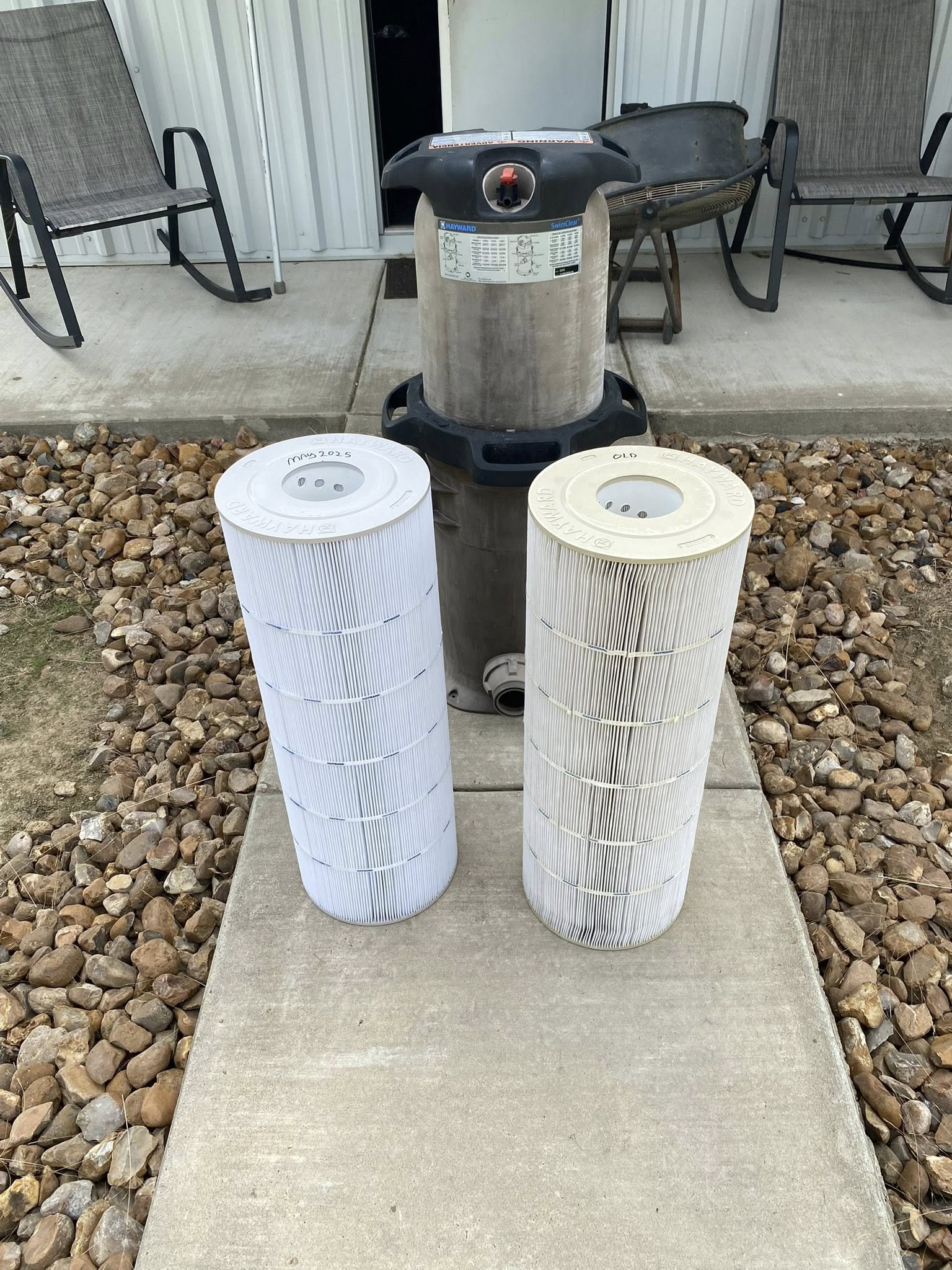
Manufacturer warranties apply to pumps, heaters, filters, automation, lights, salt systems, and other equipment. Hayward lists different coverage periods for parts such as cartridges, electrical components, pump motors, and salt chlorination cells. Jandy also states that some warranty coverage depends on professional purchase, installation, and service. In plain English, DIY installs or internet-purchased equipment can limit coverage fast.
What Voids a Pool Equipment Warranty
The most common warranty killer is poor water chemistry. A heater damaged by scale, a salt cell abused by low salt or calcium buildup, or a pump seal damaged by aggressive water may be denied because the issue was not a manufacturing defect. This is where pool warranty protection gets very practical: clean records beat good intentions.
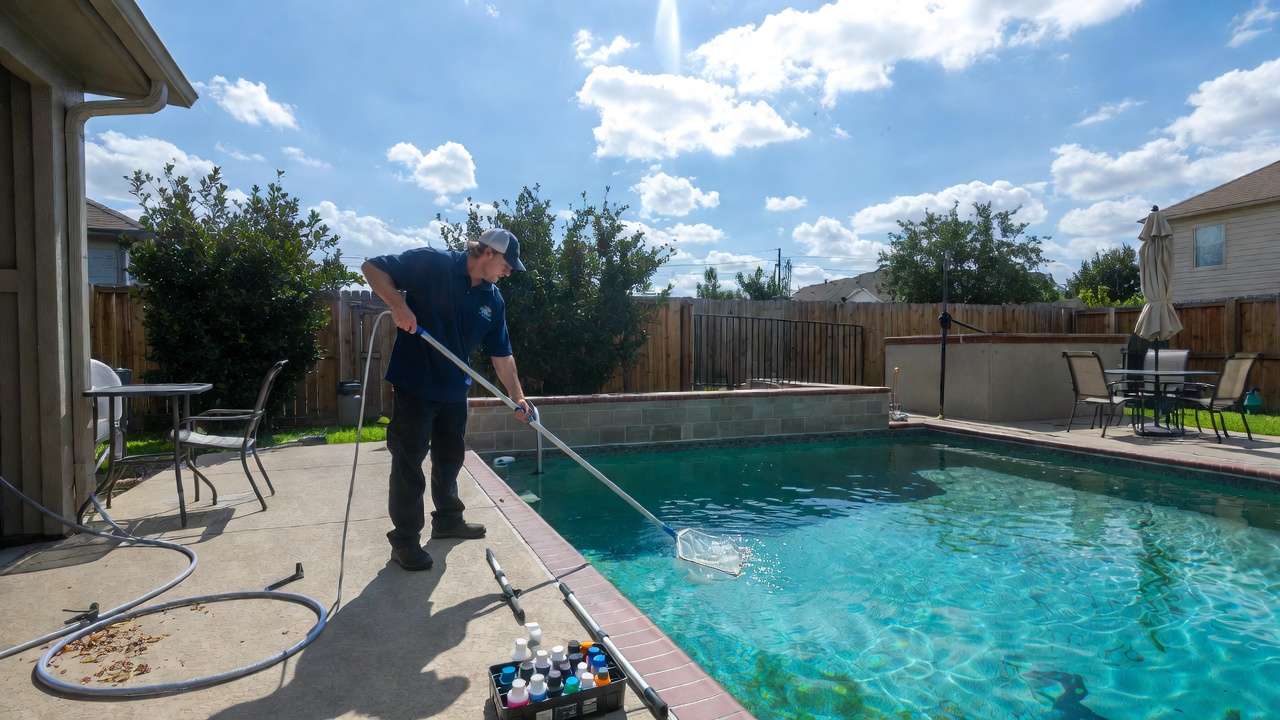
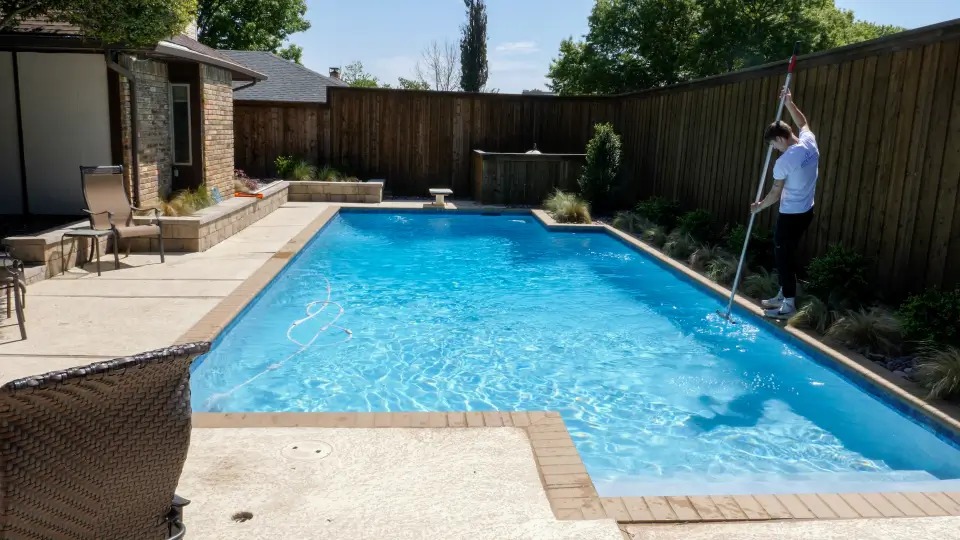
Lack of maintenance is another major problem. Many manufacturers and builders want proof that the pool was maintained properly. No service notes, no water test history, no installation invoice, and no photos can turn a valid complaint into a frustrating back-and-forth.
Unauthorized modifications can also void coverage. Changing plumbing, adding equipment, rewiring automation, or replacing parts without approved components can create problems. Electrical, gas, and hydraulic work should be handled by qualified pool pros, not weekend experiments with YouTube confidence and a crescent wrench.
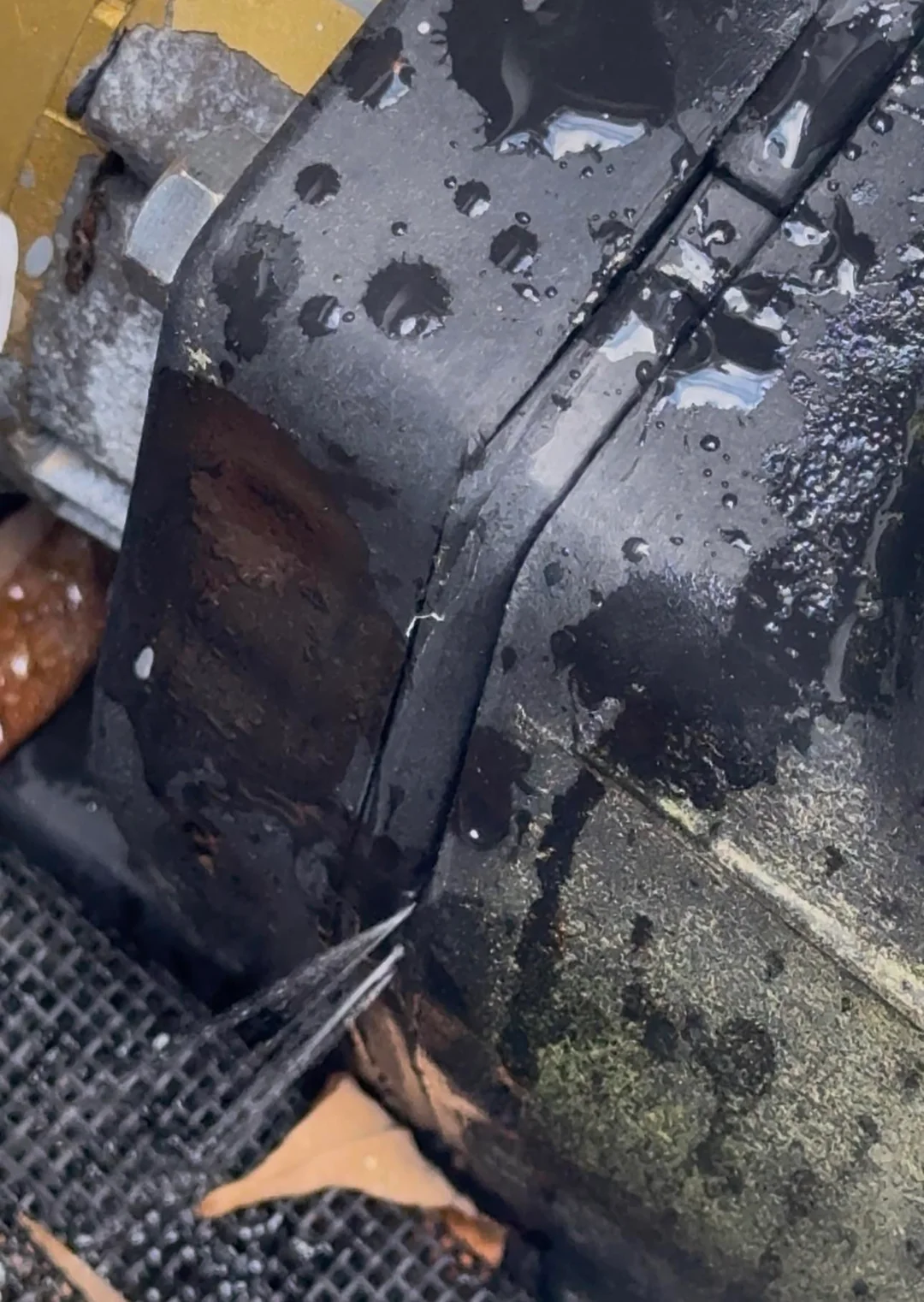
Freeze damage and power surge damage are also tricky. Most pool equipment warranty language does not treat a freeze-burst pump housing or lightning-damaged board like a normal defect. In DFW, where one cold snap can punish an equipment pad, winter preparation and surge protection are smart insurance for the warranty itself.

How to Protect Your Pool Equipment Warranty
Start by registering every piece of equipment with the manufacturer. Hayward product registration, for example, may add a parts-only extension, while Jandy registration helps track product updates, maintenance issues, and safety notices. Keep model numbers, serial numbers, purchase dates, and installation invoices in one folder.
Next, keep professional service records. Weekly maintenance notes, chemical readings, filter cleaning dates, salt cell checks, and repair photos all help show that your pool was cared for correctly. If you ever need to ask what does pool warranty cover, you will be in a much better position when your records already answer the maintenance question.
Before a builder workmanship warranty expires, schedule a professional pool inspection. Before a surface issue gets worse, get a documented water test. Before replacing equipment, ask whether the repair should go through the manufacturer first. The best pool warranty strategy is not panic after failure. It is calm documentation before something goes wrong.
People Also Ask
What does a pool builder warranty cover?
Usually the shell structure, workmanship, or specific construction defects, depending on the contract. It usually does not cover every cosmetic issue or equipment failure.
How long is the warranty on pool equipment?
It varies by brand, equipment type, installation method, and registration. Pumps, heaters, filters, automation, and salt systems may all have different terms.
Can poor water chemistry void my pool warranty?
Yes. Poor chemistry can damage surfaces, heaters, salt cells, seals, and filters. Manufacturers may deny claims when damage is linked to improper water balance.
Is freeze damage covered under warranty?
Usually not as a standard manufacturer defect. Freeze preparation and service records matter a lot in North Texas.
Do I need professional service to maintain my pool warranty?
Not always, but professional records make warranty claims much stronger and may be required for some equipment or surface coverage.
How do I file a pool equipment warranty claim?
Collect the serial number, purchase date, installation proof, photos, and maintenance records. Then contact the manufacturer or the installing pool professional before replacing parts.
PoolBurg Is Your Warranty’s Best Friend
PoolBurg helps protect your pool equipment warranty with documented maintenance, water chemistry records, equipment notes, and warranty-friendly repair guidance. If you want fewer surprises and better backup when a warranty question pops up, contact PoolBurg and keep your pool records clean before something expensive breaks.