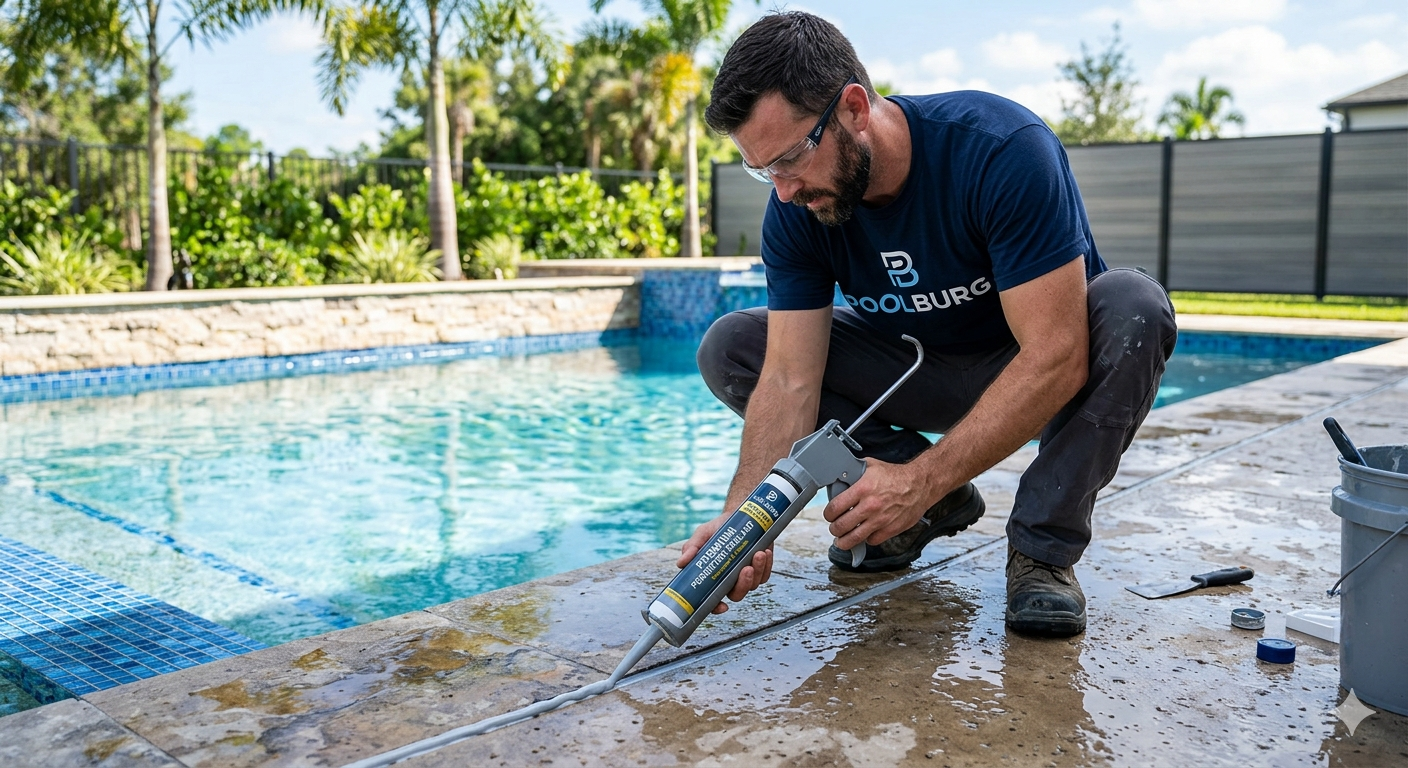
Owning a pool in North Texas is wonderful, but it is not exactly “set it and forget it.” One week your pool is fighting pollen and wind. The next week it is dealing with brutal heat, guests, storms, or a freeze alert that comes out of nowhere. This ultimate DFW pool owner guide keeps things practical so your pool stays clean, safe, and easier to enjoy.
A strong pool ownership guide DFW homeowners can trust should cover water chemistry, circulation, filters, pumps, safety, weather, and the little warning signs that usually show up before expensive repairs.

Start with a simple weekly rhythm
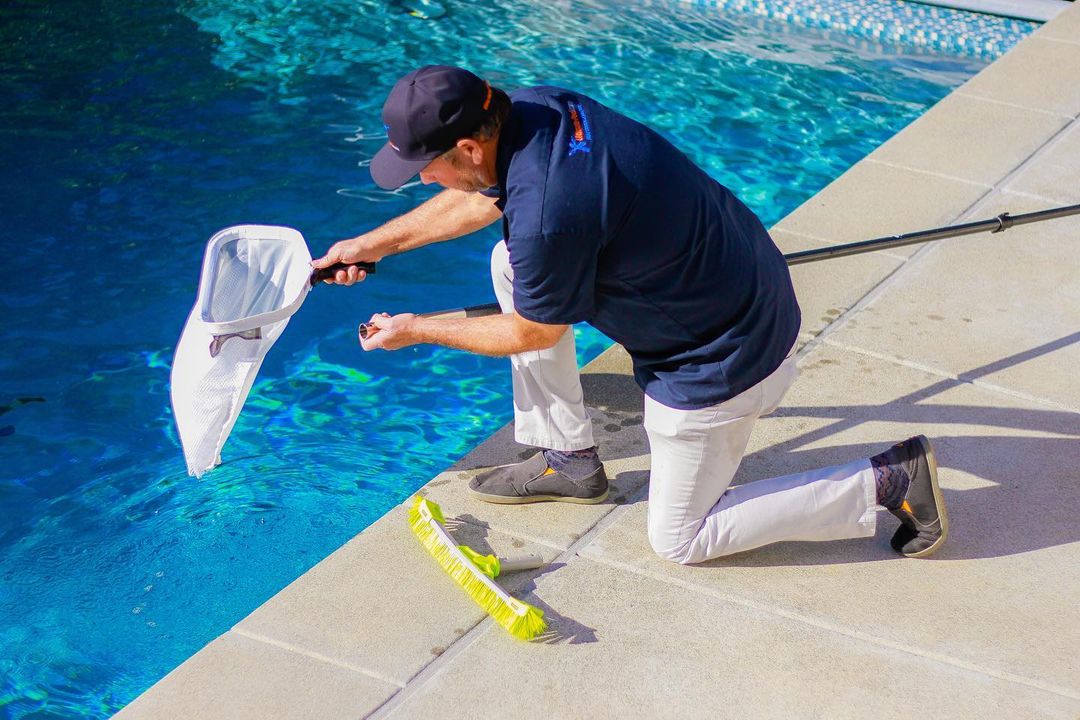
The easiest pool to maintain is the one that never gets ignored for two straight weeks. Heat speeds everything up in DFW, including chlorine loss and algae growth. A smart weekly routine should include:
- Testing and balancing the water
- Skimming, brushing, and emptying baskets
- Checking filter pressure and water flow
- Looking for leaks, bubbles, odd noises, or weak circulation
For homeowners who want that rhythm handled consistently, PoolBurg’s weekly pool service helps keep the water clear while also catching small equipment issues before they become expensive surprises.
Water chemistry is where most problems begin
When people ask for everything you need to know about pools in North Texas, chemistry deserves the first real answer. Clear water is not always balanced water. A pool can look blue and still have pH, chlorine, alkalinity, calcium, or stabilizer issues.
The CDC explains that proper pH helps chlorine work effectively and helps protect swimmers and pool surfaces. Their home pool water treatment guidance is a helpful reference for why testing matters. In DFW, test more often during heavy use, storms, extreme heat, or after adding fresh water.
Know your equipment before it fails
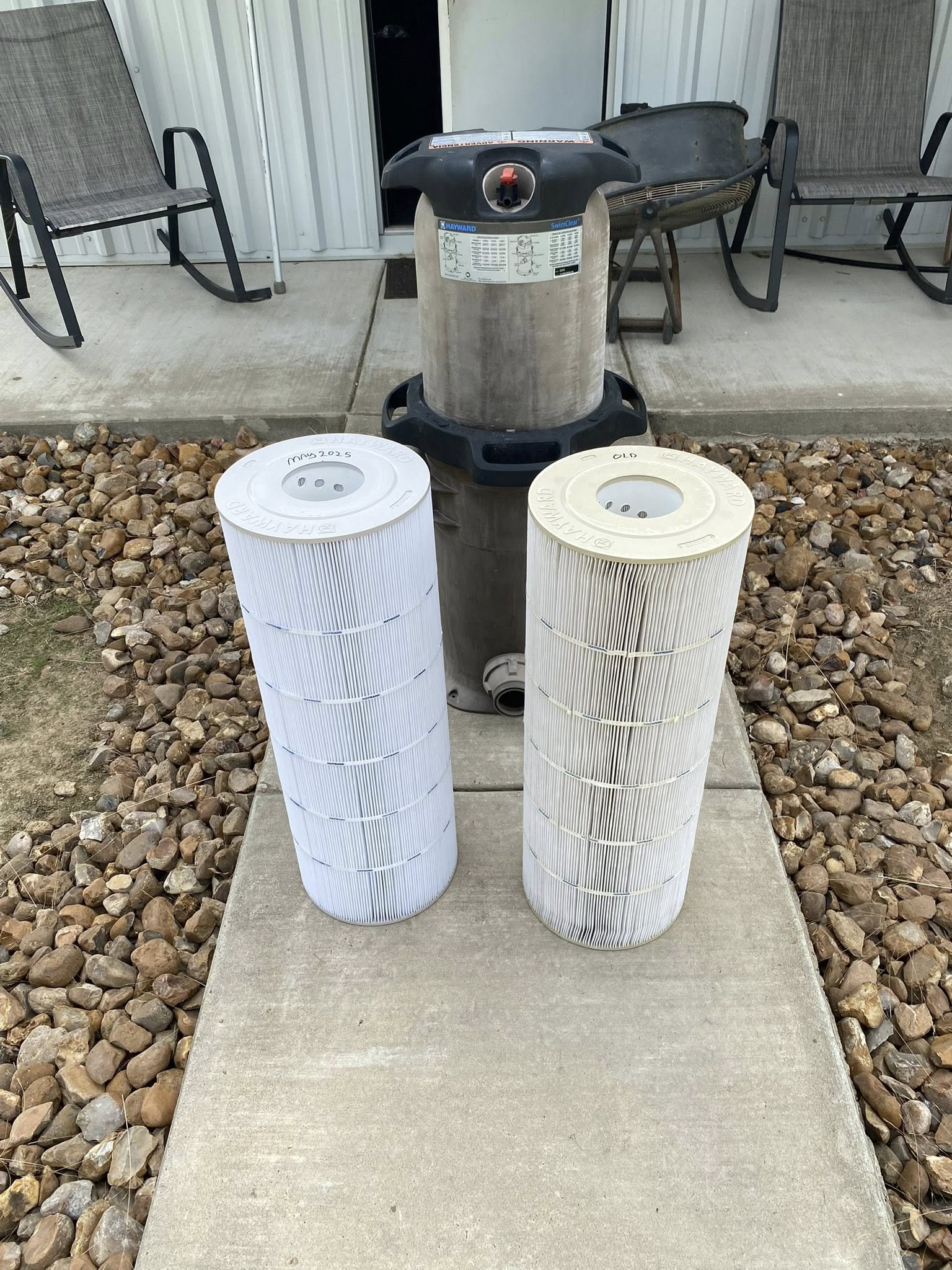
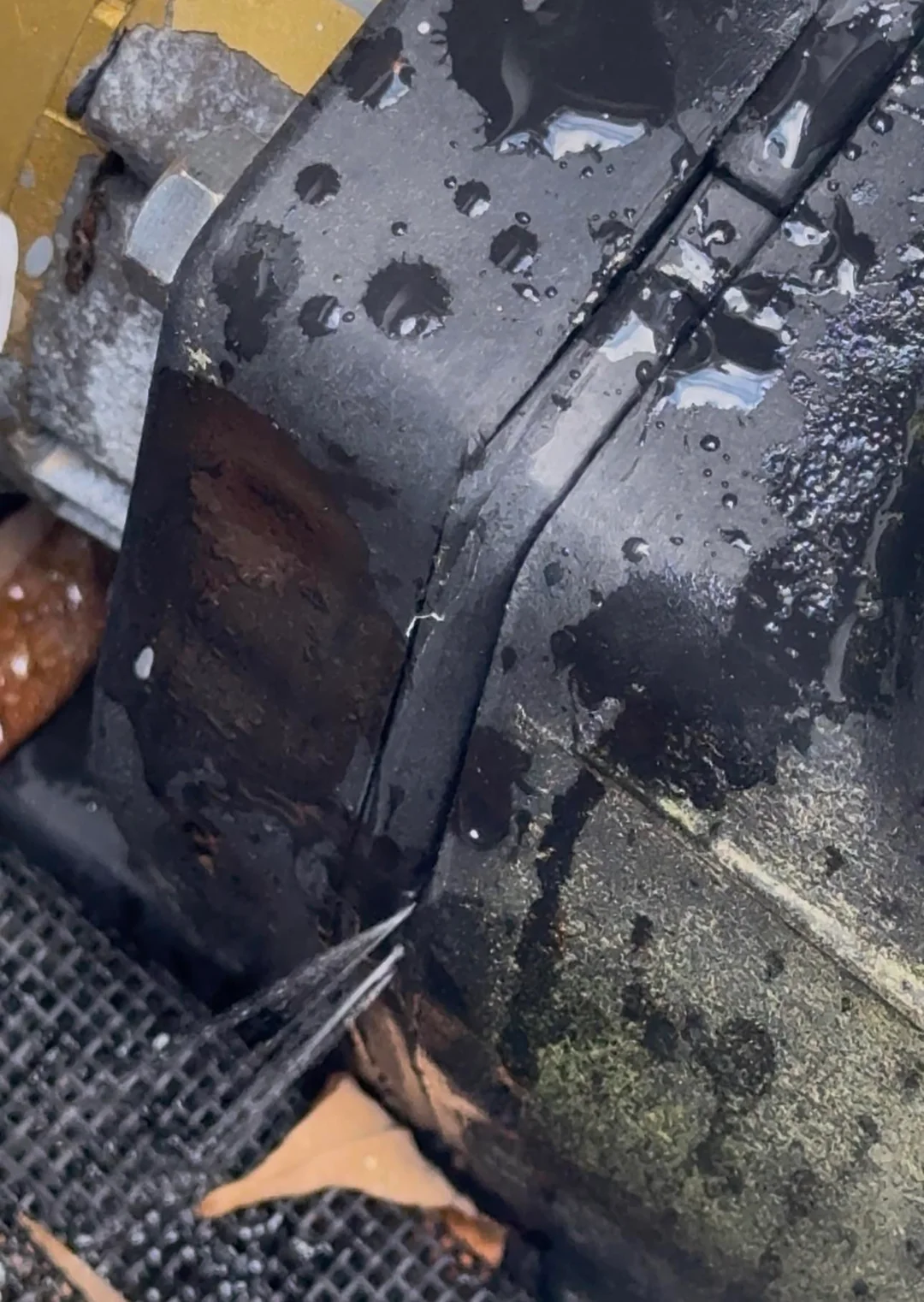
Your pump, filter, heater, valves, cleaner line, salt system, lights, and automation all work together. Weak circulation can look like a chemical problem. A dirty filter can make a good pump seem tired. A small suction leak can create bubbles, low pressure, or prime issues.
That is why this ultimate DFW pool owner guide has one rule: know what normal looks and sounds like. If the pump suddenly gets loud, the filter pressure jumps, or the pool keeps losing water, PoolBurg’s pool repair near me page is a good place to start.
DFW weather changes the rules
North Texas pool care has its own personality. Spring brings pollen and storms. Summer brings heat, evaporation, and heavy sanitizer demand. Fall brings leaves. Winter can be mild until it suddenly is not.
The EPA notes that pool covers can reduce evaporation and help retain heat when used consistently. Their pool water efficiency tips are useful if your pool loses water quickly. During cold snaps, keep water moving, protect exposed plumbing, and make sure automation or freeze protection settings are working. PoolBurg also shares practical North Texas advice in its pool maintenance tips.
Safety belongs in every pool plan
A beautiful pool still needs safe habits. Gates should latch, barriers should be maintained, and kids should never be left “probably fine” near water. Pool lights, electrical equipment, drains, and automation panels should also be treated with respect, not guesswork.
The U.S. Consumer Product Safety Commission’s Pool Safely barrier checklist is a solid reminder that fences, self-latching gates, alarms, covers, and supervision all matter.
A quick DFW pool owner checklist
| Task | Why it matters |
| Test water weekly | Prevents cloudy water, scaling, and algae |
| Clean baskets | Protects flow and reduces pump strain |
| Watch filter pressure | Shows when cleaning or backwashing may be needed |
| Check water level | Protects skimmers and helps reveal leaks |
| Review safety barriers | Keeps the pool area safer for kids, guests, and pets |

When PoolBurg should step in
DIY care is helpful, but some problems need a trained set of eyes. Call for help if the pool keeps turning cloudy, the pump loses prime, the heater will not run, the lights trip a breaker, the filter pressure behaves strangely, or the water level drops faster than normal.
PoolBurg helps DFW homeowners with cleaning, equipment repair, automation, leak concerns, heaters, filters, inspections, and practical pool care. Explore the full PoolBurg services page, or reach out through Contact PoolBurg when your pool needs real attention.
Final thought
The best pool owners are not the ones who know every technical term. They are the ones who keep a steady routine, notice changes early, respect safety, and ask for help before small issues grow. If you wanted everything you need to know about pools in North Texas, start with this: clean water, strong circulation, balanced chemistry, safe barriers, weather awareness, and a dependable local team when things get weird.