
A pool ionizer system sounds almost too neat at first: fewer harsh chemical swings, softer-feeling water, better algae prevention, and a little less “public pool smell” in the backyard. For Dallas-Fort Worth homeowners dealing with long swim seasons, hot sun, dust, pollen, and sudden storms, that promise is pretty attractive.
But here is the honest PoolBurg take: a pool ionizer system is not magic, and it is not a full replacement for responsible pool maintenance. It can be a helpful piece of pool equipment when it is matched with the right pool, the right expectations, and steady pool chemistry. Used badly, it becomes one more gadget hanging on the plumbing. Used well, it can make your pool feel easier to live with.
If you are comparing a pool mineral system, a copper ion pool setup, a silver ion pool option, or UV/ozone systems, this guide will help you understand what actually matters before you spend money.
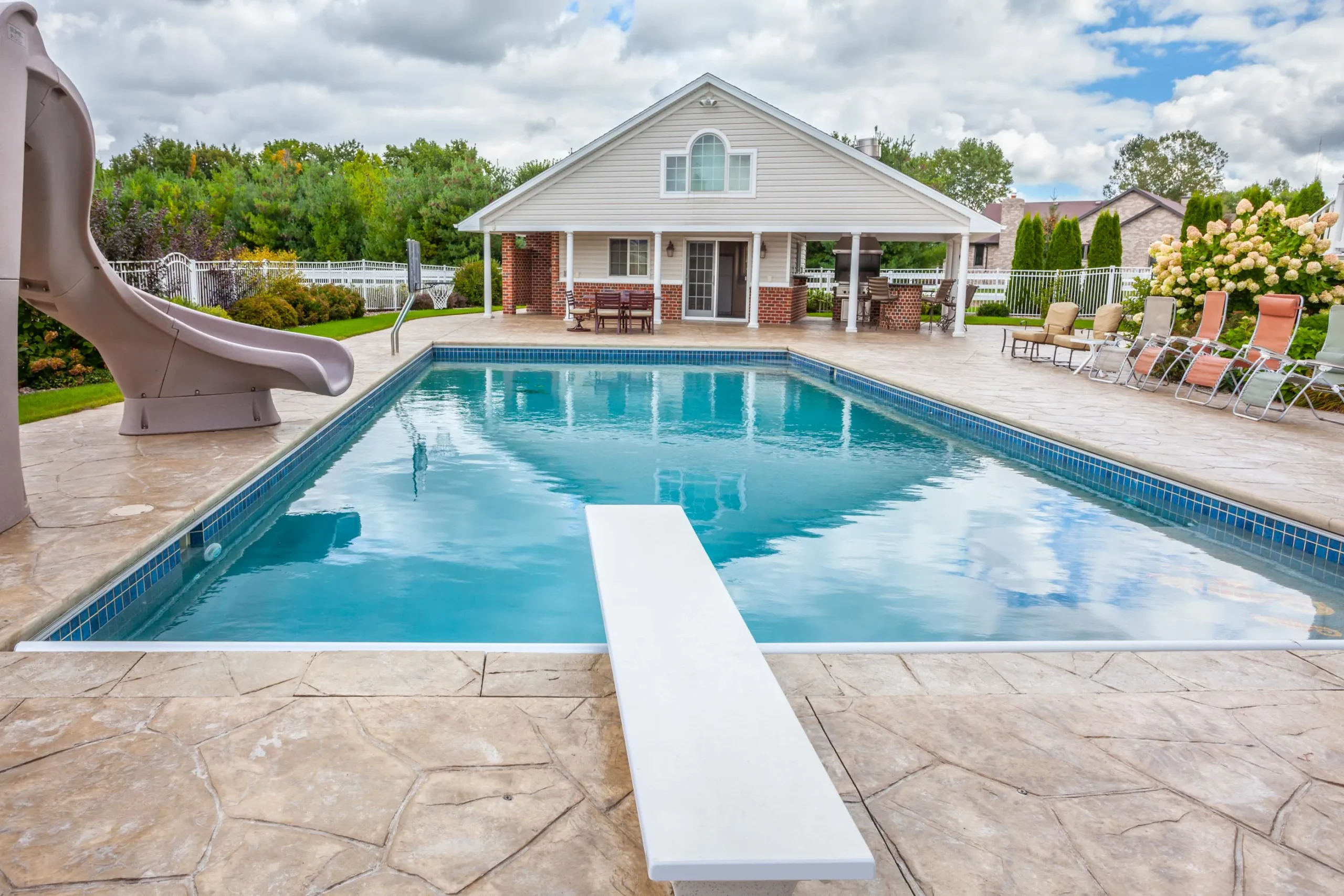
What Is a Pool Ionizer System?
A pool ionizer system is a supplemental sanitation device that releases trace metal ions—most commonly copper and sometimes silver—into pool water. Copper helps with algae prevention, while silver ion pool technology is often discussed for sanitation support. That is why you will also hear phrases like pool mineral system, copper ion pool, or mineral sanitizer.
The keyword is supplemental. Even with a pool ionizer system, your pool still needs a measurable sanitizer residual, correct pH, good circulation, and regular cleaning. The CDC’s residential pool water treatment guidance is clear that testing and maintaining sanitizer and pH are still part of safe swimming water.
Think of it like adding a helper to the pool care team—not firing the whole team.
Why DFW Pool Owners Ask About Ionizers
DFW pools work hard. Between Frisco heat, Dallas wind, spring pollen, roof runoff, sunscreen, kids, dogs, and backyard landscaping debris, pool water gets pushed fast. That is why many homeowners searching for pool ionizer DFW are not chasing a fancy upgrade. They are tired of fighting cloudy water and algae after every weather mood swing.
A pool ionizer system can help slow algae growth, support chlorine reduction, and make water feel less chemically aggressive. For some pools, that means fewer panic-shock weekends. For others, the benefit is smaller because the real issue is weak circulation, a tired filter, or poor pool water balance.
That is why PoolBurg looks at the whole setup first: pump runtime, filter condition, brushing habits, cyanuric acid, calcium hardness, pH, alkalinity, and how the pool is actually used.
How a Pool Ionizer System Works
Most ionizers install into the plumbing line and use a low-voltage current to release ions from a metal electrode into the water. Those ions circulate through the pool and help disrupt algae growth. A copper ion pool setup is especially known for algae prevention, while some mineral cartridges combine metals for broader support.
A pool ionizer system works best when flow is strong and consistent. If your pump barely runs, your filter is clogged, or your returns are poorly aimed, the ions will not distribute evenly. This is where professional pool service in DFW makes a real difference because the system has to be managed, not simply installed and forgotten.
The biggest mistake? Turning chlorine down too far because the box said “chemical-free.” In real backyard conditions, chlorine reduction does not mean chlorine removal.
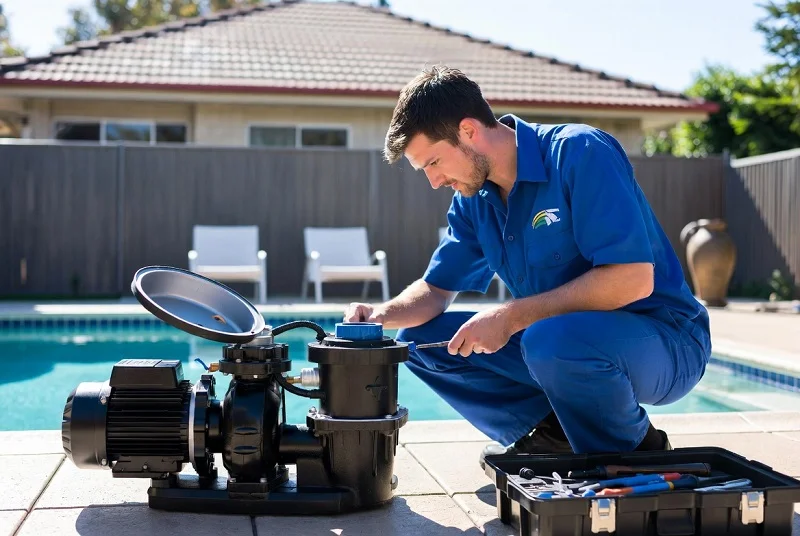
Ionizer vs. Chlorine, Salt, UV, and Ozone
A pool ionizer system is different from chlorine. Chlorine is a primary sanitizer with a fast residual in the water. Ionizers are slower and better thought of as support systems. Saltwater pools still make chlorine, just through a salt cell. UV systems such as Pentair BioShield UV treat water as it passes the chamber, but they do not leave the same lasting residual in the pool. Ozone and advanced oxidation systems, including options like Hayward HydraPure, also work in the equipment loop rather than replacing everyday water balance.
That means the best choice depends on the pool. A pool mineral system may be great for a homeowner who wants softer-feeling water and stronger algae prevention. UV or ozone may appeal to someone who wants oxidation support. A salt system may fit a family that wants automated chlorine production. And sometimes the smartest move is not a new gadget at all—it is better filtration, more consistent brushing, or fixing aging pool equipment.
Quick Comparison for DFW Homeowners
| System | Best For | Still Needs Chlorine? | PoolBurg Note |
| Pool ionizer system | Algae prevention, softer feel, chlorine reduction | Yes, in most residential pools | Great only when water balance and circulation are already controlled |
| Salt system | Automated chlorine production | It creates chlorine | Comfortable, but still needs chemistry checks and cell maintenance |
| UV system | Reducing certain contaminants as water passes through the unit | Yes | Useful support, but not a stand-alone backyard pool plan |
| Ozone/AOP | Oxidation support and clearer water goals | Yes | Better for owners who want layered sanitation |
When a Pool Ionizer System Makes Sense
A pool ionizer system may be worth considering if your pool is already mechanically healthy but still has recurring algae pressure. It may also be useful for homeowners who want a lower-chlorine feel without gambling on unsafe water.
Good candidates usually have decent circulation, a properly sized filter, stable pH, and a homeowner who is willing to test water. Bad candidates include pools with chronic leaks, undersized pumps, broken automation, filter problems, or mystery stains that nobody has diagnosed yet.
In other words, do not use a pool ionizer system to cover up a sick pool. Fix the sick pool first.
What PoolBurg Checks Before Recommending One
Before we tell a homeowner to add a pool ionizer system, PoolBurg checks the basics: water test results, equipment pad condition, filter pressure, pump runtime, visible staining, algae pattern, and how often the pool is used. We also look at the pool’s surroundings because landscaping, shade, trees, and drainage can all change the workload.
This is especially important around Frisco, Plano, McKinney, Dallas, The Colony, Keller, Carrollton, and other DFW neighborhoods where one backyard may sit in open sun while the next one is under heavy oak shade. Same metro area, totally different pool maintenance reality.
If surface damage or stains are part of the problem, we may point homeowners toward pool surface repair before adding more sanitation hardware. If debris load is the issue, a better brushing, skimming, and vacuuming rhythm may solve more than a new device.
The Real Pros and Cons
The pros are real: better algae prevention, possible chlorine reduction, a softer water feel, and less dramatic chemical smell when everything is balanced. A pool ionizer system can be especially appealing for families that swim often and dislike that over-chlorinated feeling.
The cons are also real. Metal levels need monitoring. Poor pool chemistry can create staining risk. Electrodes or cartridges wear out. And a pool ionizer system will not fix poor filtration, low circulation, weak brushing, or neglected water testing.
That is the part many sales pages skip. PoolBurg does not.
PoolBurg’s Bottom Line
A pool ionizer system can be a smart upgrade for the right DFW pool, but it should be treated as part of a bigger pool care plan. The best results usually come from layered protection: balanced water, clean filters, good circulation, consistent brushing, and properly managed sanitation support.
If you are considering a pool ionizer system and want someone to look at your pool honestly—not just sell you another piece of pool equipment—PoolBurg can help. We service DFW pools with practical recommendations, clear explanations, and the kind of maintenance thinking that keeps small issues from becoming expensive headaches.
Need help deciding whether a pool ionizer system, salt system, UV system, or another pool mineral system makes sense for your backyard? Reach out to PoolBurg and let’s look at the actual pool in front of us.
FAQ: Pool Ionizer System Questions
Does a pool ionizer system replace chlorine?
No. A pool ionizer system can support sanitation and algae prevention, but most residential pools still need a measurable chlorine residual for safer swimming water.
Can a pool ionizer system reduce chlorine use?
Yes, chlorine reduction is one of the reasons homeowners ask about ionizers, but the reduction has to be managed carefully through water testing and regular pool maintenance.
Is a pool ionizer system good for DFW pools?
It can be, especially in pools with recurring algae pressure and solid circulation. But DFW heat makes pool chemistry unforgiving, so the full system has to be checked first.
What is the difference between a pool ionizer and a pool mineral system?
The terms are often used together. A pool ionizer system actively releases ions, while some mineral systems use cartridges or media to add mineral support to the water.