Pool pump grinding noise is not one of those sounds you want to “wait and see” on. A small hum or light vibration can be normal, but grinding usually means something inside the pump or motor is rubbing, wearing down, or struggling to move water. Around DFW, where pumps run hard through long hot seasons, a noisy pump can go from annoying to expensive pretty quickly. If the sound is getting louder, PoolBurg can help with pool pump motor repair before the motor gives up completely.
What a Grinding Pool Pump Usually Means
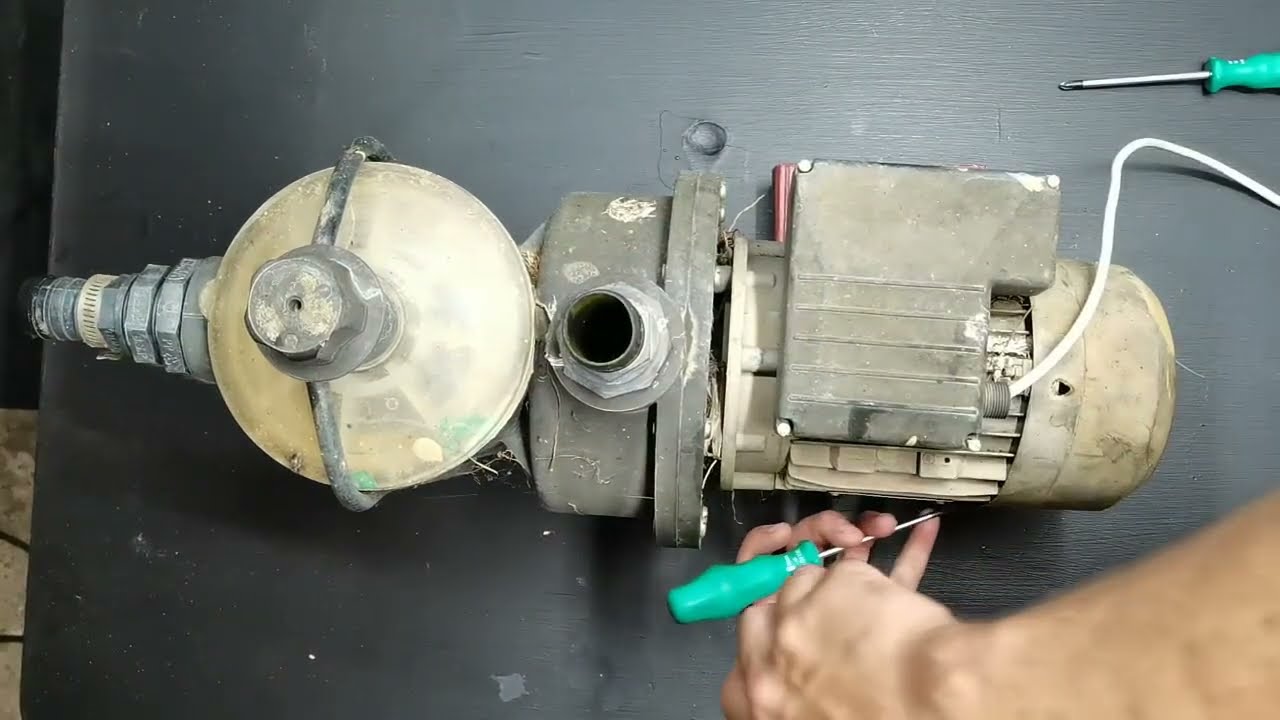
A pool pump grinding noise often starts when the motor bearings are wearing out. Bearings help the motor shaft spin smoothly. Once they get worn, overheated, or exposed to moisture, the pump may sound rough, metallic, or like it has sand inside the motor. Sometimes the noise comes from debris stuck near the impeller instead. That is why guessing is risky. A true diagnosis should check the motor, the wet end, the impeller, seals, water flow, and heat level. For general troubleshooting context, the InyoPools pump troubleshooting guide is a useful homeowner reference.
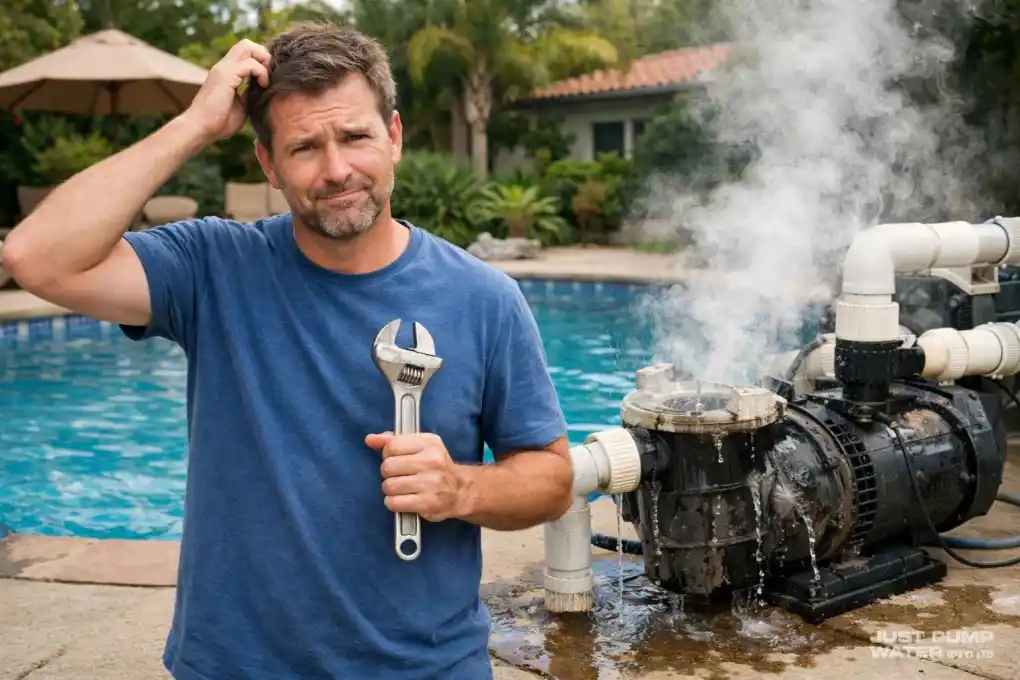
Different Pool Pump Noises and What They Mean
- Grinding: usually points to bearings, motor wear, or debris rubbing inside the pump.
- Screeching: often means dry bearings or a motor that is close to failing.
- Humming: may be a capacitor, stuck impeller, or motor starting issue.
- Rattling: can come from loose parts, vibration, plumbing movement, or debris.
- Cavitation noise: sounds like gravel and often happens when the pump is starved for water.
- Clicking: may be electrical, relay, automation, or startup related.
A noisy pool pump is not always dying, but a pool pump grinding noise deserves faster attention than a minor vibration. The In The Swim pump troubleshooting resource also notes how pump noises can point to different mechanical or flow-related problems.
Common Causes of Pool Pump Grinding Noise
The most common cause is worn motor bearings, especially on older single-speed pumps. Another big one is a pool pump shaft seal leak. When that seal fails, water can reach the motor face and eventually damage the bearings. A clogged impeller, low water level, clogged basket, or suction-side restriction can also force the pump to work harder than it should.
In North Texas, heat makes all of this worse. A pump that is already stressed may run hotter, louder, and longer during summer. That is why homeowners in Frisco, Plano, McKinney, Allen, Keller, Garland, Mesquite, Wylie, and Prosper should not ignore a pool pump grinding noise during peak swim season.
Is a Grinding Pool Pump Dangerous?
Dangerous may sound dramatic, but yes, it can become a real problem. A pool pump grinding noise can lead to motor failure, overheating, electrical stress, and poor circulation. Once circulation drops, chlorine does not spread evenly, debris sits longer, and algae can move in fast. The CDC residential pool safety basics are a good reminder that clean, well-maintained water matters for swimmer health, not just appearance.
If the pump is grinding, smoking, tripping the breaker, leaking heavily, or too hot to touch, shut it off and call a pool professional. Running it “just one more day” can turn a repairable issue into full pump replacement.
Can a Grinding Pump Be Repaired?
Sometimes, yes. If the wet end is healthy and the motor damage is limited, the fix may be bearings, seals, or motor work. If the motor is old, inefficient, noisy, and leaking, pool pump replacement may make more sense than stacking repair costs on a tired pump.
This is also where a variable-speed upgrade can be worth discussing. ENERGY STAR guidance on pool pumps and the U.S. Department of Energy pool pump efficiency tips both point homeowners toward more efficient pump operation, which matters when a pool runs for months in Texas heat.
How PoolBurg Diagnoses a Noisy Pool Pump
PoolBurg does not guess from the sound alone. We listen to the pump, check water flow, inspect the pump basket, look for leaks, check the shaft seal area, feel for abnormal motor heat, and inspect the impeller when needed. The goal is simple: find out whether the pool pump grinding noise is a small repair, a failing motor, or a sign the whole pump is nearing the end.
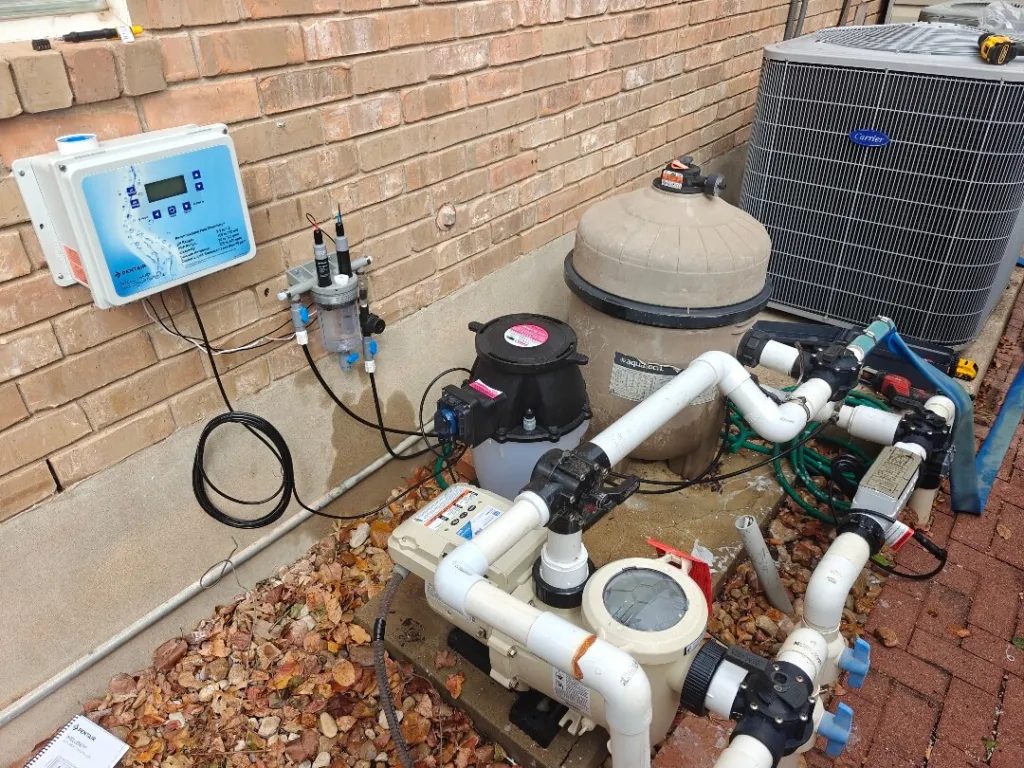
That kind of diagnosis helps homeowners avoid throwing random parts at the problem. If the issue involves plumbing, valves, automation, or a damaged wet end, our pool equipment repair approach keeps the entire system in view instead of treating the pump like an isolated box.

People Also Ask
Why is my pool pump making a grinding noise?
A pool pump grinding noise is usually caused by worn motor bearings, debris in the impeller, a shaft seal leak, low water flow, or a motor that is beginning to fail.
What does a bad pool pump bearing sound like?
Bad bearings often sound rough, metallic, screechy, or like grinding gravel inside the motor. The sound usually gets worse over time.
Can a noisy pool pump be fixed?
Yes, sometimes. If the motor and wet end are still in decent shape, the pump may be repairable. If the motor is badly worn, replacement may be smarter.
Should I turn off a grinding pool pump?
If the noise is loud, sudden, paired with heat, or the pump is leaking, turn it off and schedule service. Keeping it running can cause more damage.
How long will a noisy pool pump last?
It depends on the cause. Some pumps run noisily for a while, but a true pool pump grinding noise can signal failure is coming soon.
PoolBurg Can Help Before the Noise Becomes a Failure
A pool pump grinding noise is your equipment pad asking for attention. If your pump has started sounding rough, loud, metallic, or strained, contact PoolBurg for a clear diagnosis. We will check whether it is bearings, the motor, a seal leak, the impeller, or a bigger equipment issue so you do not spend money twice.