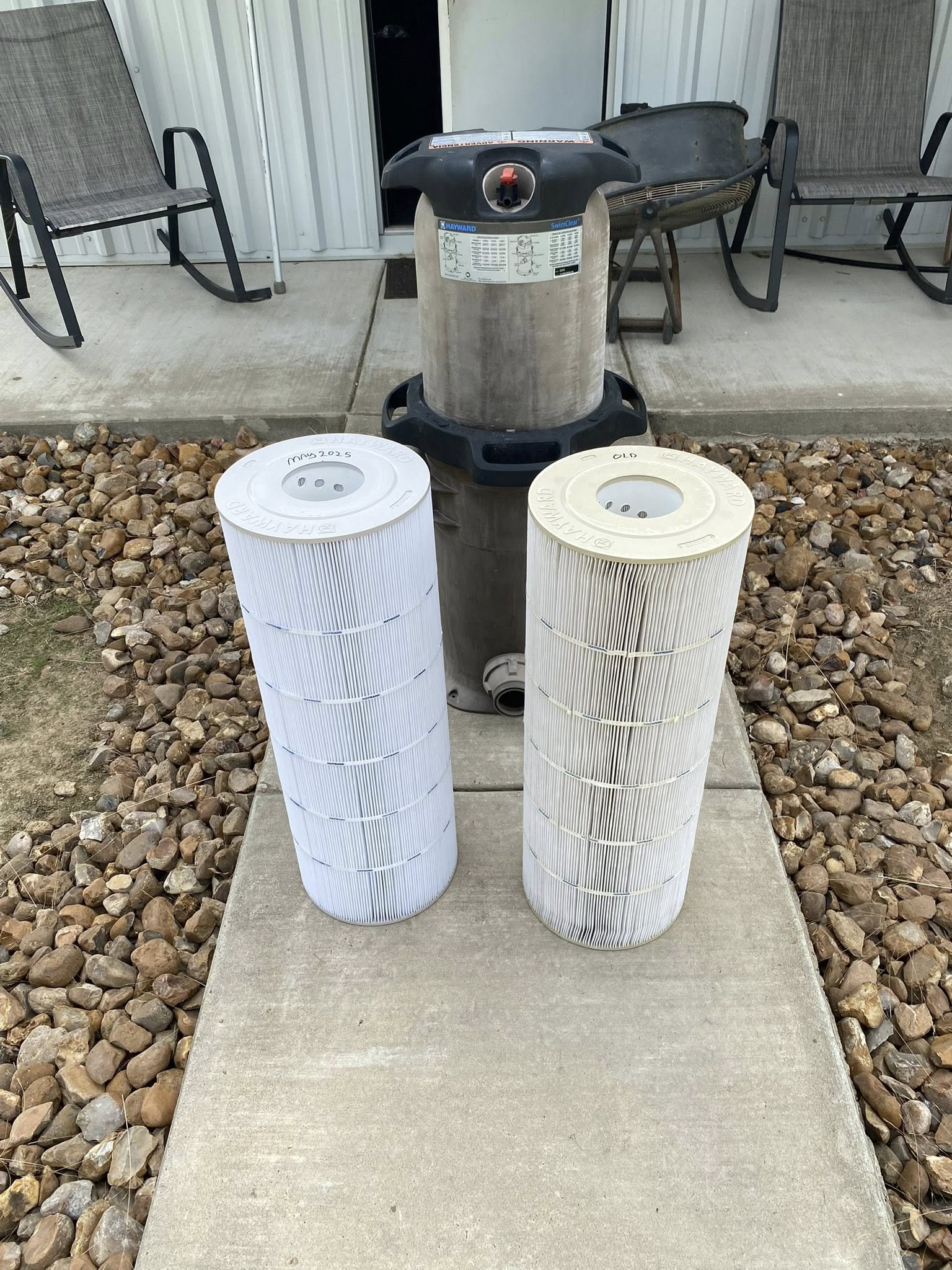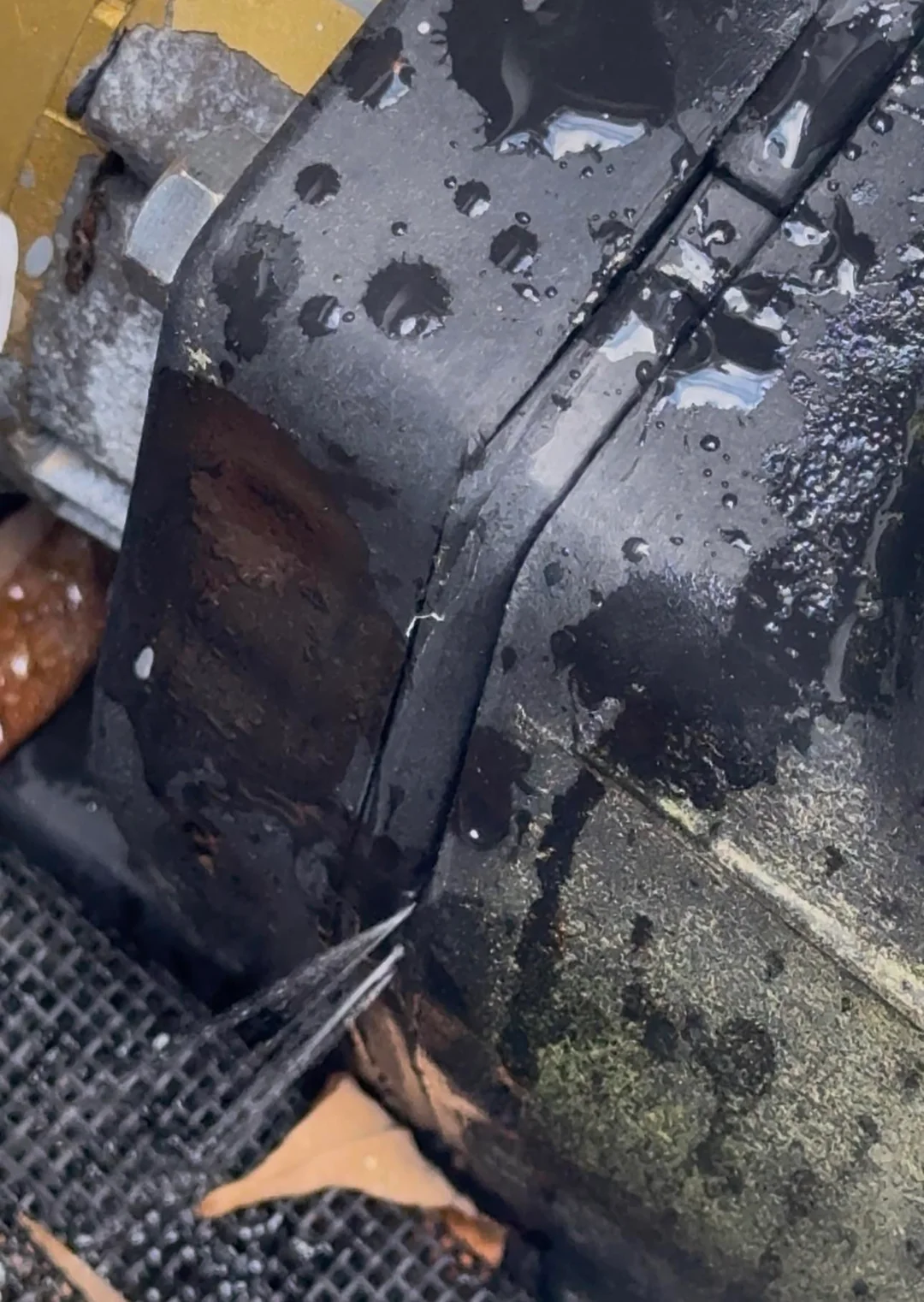
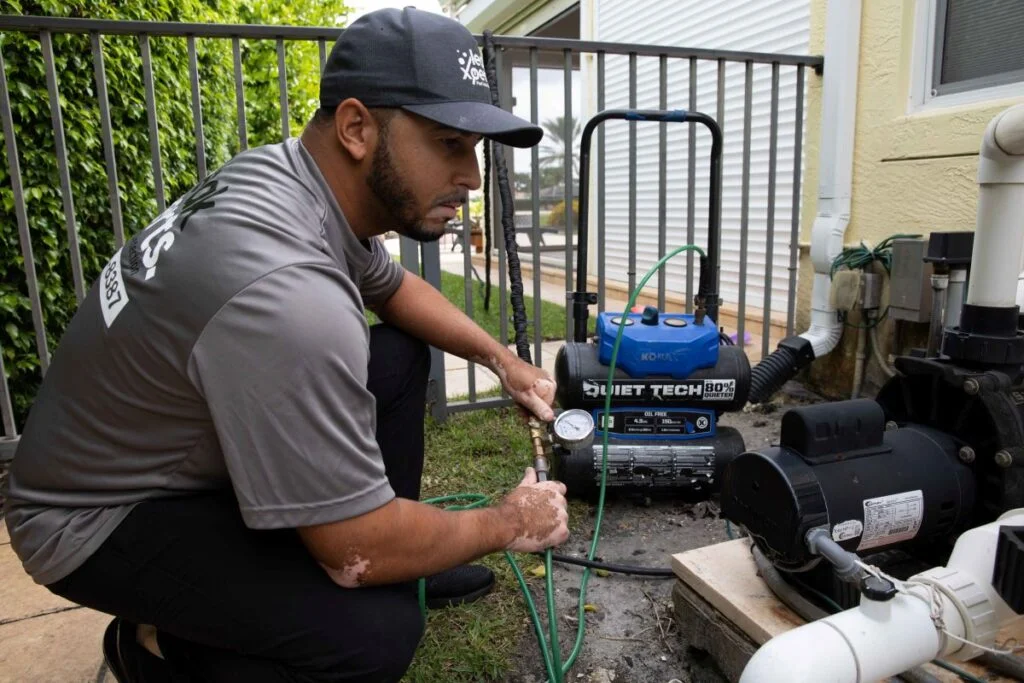
Pool pump motor not starting is one of those problems that feels small for about five minutes, then suddenly feels urgent. In a Texas summer, a clear pool can start looking tired fast when water stops moving. No circulation means no steady filtration, weaker skimming, uneven chemicals, and a much easier path for cloudy water or algae. The good news is that a dead pump does not always mean a dead motor. Sometimes the issue is simple. Sometimes it is electrical. And sometimes the pump is giving you one last warning before a bigger repair bill shows up.
First Check Whether the Pump Has Power
When a pool pump motor not starting issue pops up, begin with the basics before assuming the worst. Check the breaker, timer, disconnect, GFCI, and automation schedule. A pump that looks “dead” may simply be off at the timer, locked out by automation, or tripped by a safety device. Hayward’s troubleshooting guidance for motors that will not start includes checking wiring connections, switches, relays, tripped breakers, GFCIs, and fuses. That does not mean a homeowner should start opening electrical panels, but it does mean power supply comes first.
If the Pool Pump Hums but Does Not Start
A pool pump humming sound usually means the motor is getting power, but it cannot spin. That can point to a weak capacitor, failing bearings, or a jammed impeller. A bad capacitor is common because the capacitor gives the motor the extra push it needs to start. If it fails, the motor may buzz, hum, click, or shut itself off. A jammed impeller can create a similar sound because leaves, pebbles, or debris are physically stopping rotation. Hayward also lists a jammed impeller as a possible cause when a motor hums but does not start.
If the Pool Pump Is Completely Silent
If the pool pump won’t turn on and makes no sound at all, the issue may be upstream from the motor. Think breaker, timer, control relay, wiring, automation, or a failed motor that is no longer responding. This is where guessing gets expensive. Replacing a motor when the real issue is a timer or control board is painful. Replacing a timer when the motor is burned out is just as frustrating. PoolBurg’s pool pump repair in Frisco process looks at electrical connections, motor performance, seals, impeller condition, and plumbing together, because pump problems rarely live in one neat little box.
If the Pump Starts Then Shuts Off
A pump that starts and then shuts off can be dealing with overheating, low voltage, a blockage, or a bad motor winding. Many motors have thermal protection that shuts the motor down when it gets too hot. After cooling, it may restart and then shut down again. That cycle is not something to ignore. Texas heat, direct sun on the equipment pad, dirty baskets, blocked vents, and long run times can all make a pool pump motor problem worse.
Repair or Replace the Pool Pump Motor?
If the pool pump motor not starting problem is a capacitor, relay, or clogged impeller, repair may make sense. If the motor is old, noisy, rusty, overheating, or repeatedly failing, replacement may be smarter. This is also when many DFW homeowners ask about a variable speed upgrade. ENERGY STAR notes that variable-speed and multi-speed pool pumps can cut energy costs and often run quieter. The U.S. Department of Energy also explains that reducing hydraulic resistance and choosing efficient pump operation can lower electricity use. So if an older single-speed motor is already dying, it may be the right time to compare repair cost against a more efficient setup.
What Not to Do When Your Pool Pump Will Not Start
Do not keep forcing the pump on and off. Do not bypass GFCI protection, timers, safety switches, or automation limits just to “test it.” And do not open the motor or drive unless you know exactly what you are doing. Pentair warns that some pump drive or motor enclosures can contain capacitor banks that hold a charge even when power is off. ESFI also recommends GFCI protection and proper grounding around pool and spa electrical equipment. Water and electricity do not care how handy someone feels on a Saturday morning.
People Also Ask
Why is my pool pump motor not starting?
A pool pump motor not starting can be caused by a tripped breaker, bad timer, failed capacitor, jammed impeller, low voltage, automation problem, overheating, or a failed motor.
Why does my pool pump hum but not run?
A pool pump humming but not running often means the motor has power but cannot spin. Common causes include a weak capacitor, stuck impeller, failing bearings, or motor failure.
Can a pool pump motor be repaired?
Yes, depending on the problem. Capacitors, seals, bearings, wiring issues, and some mechanical problems may be repairable. A burned-out or badly corroded motor may need replacement.
How do I know if my pool pump motor is burned out?
Warning signs include no response, burning smell, frequent overheating, breaker trips, loud bearing noise, rust, or a motor that will not start even after electrical and mechanical issues are ruled out.
Should I replace the motor or the whole pump?
If the wet end is healthy and the motor is newer, motor repair may be enough. If the pump is old, inefficient, noisy, leaking, or mismatched to the pool, full pump replacement may be the better long-term choice.
PoolBurg Can Find the Real Reason Your Pump Will Not Start
A pool pump motor not starting is not the time to throw random parts at the equipment pad. PoolBurg can troubleshoot the motor, timer, capacitor, impeller, wiring, automation, and circulation side before recommending repair or replacement. If your pump is silent, buzzing, overheating, or refusing to stay on, contact PoolBurg and let a trained technician find the real problem before your clear pool turns into a green one.