Pool pump pipe leak problems usually start small: a drip near the equipment pad, a damp spot around the pump, maybe a few air bubbles coming back into the pool. Easy to ignore, right? But that little leak can quietly steal water, pull air into the system, weaken circulation, and put stress on expensive equipment. For homeowners around Frisco, Plano, McKinney, Allen, and nearby DFW cities, catching it early can be the difference between a simple pipe repair and a full equipment headache.
Where Pool Pump Pipe Leaks Usually Happen
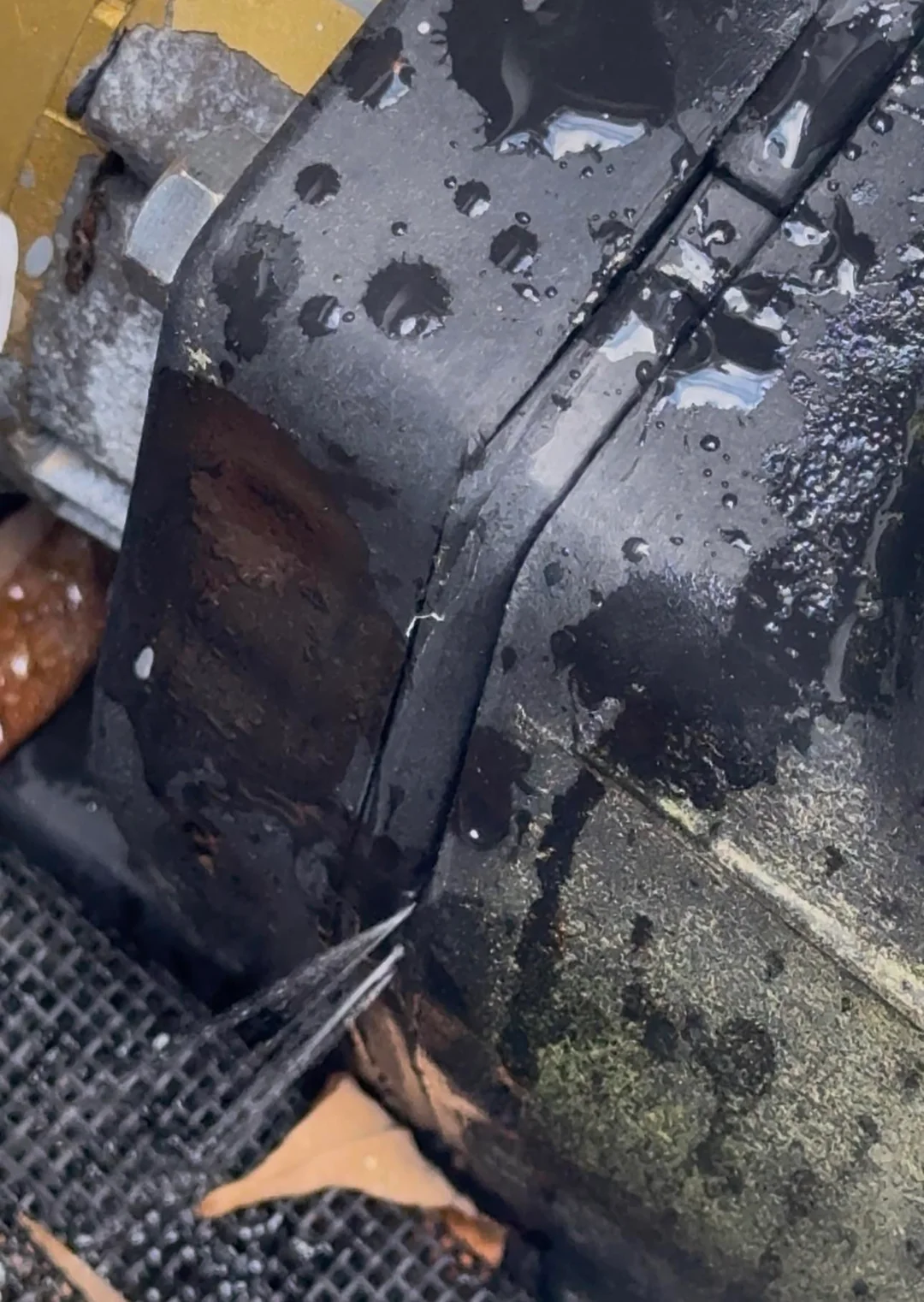
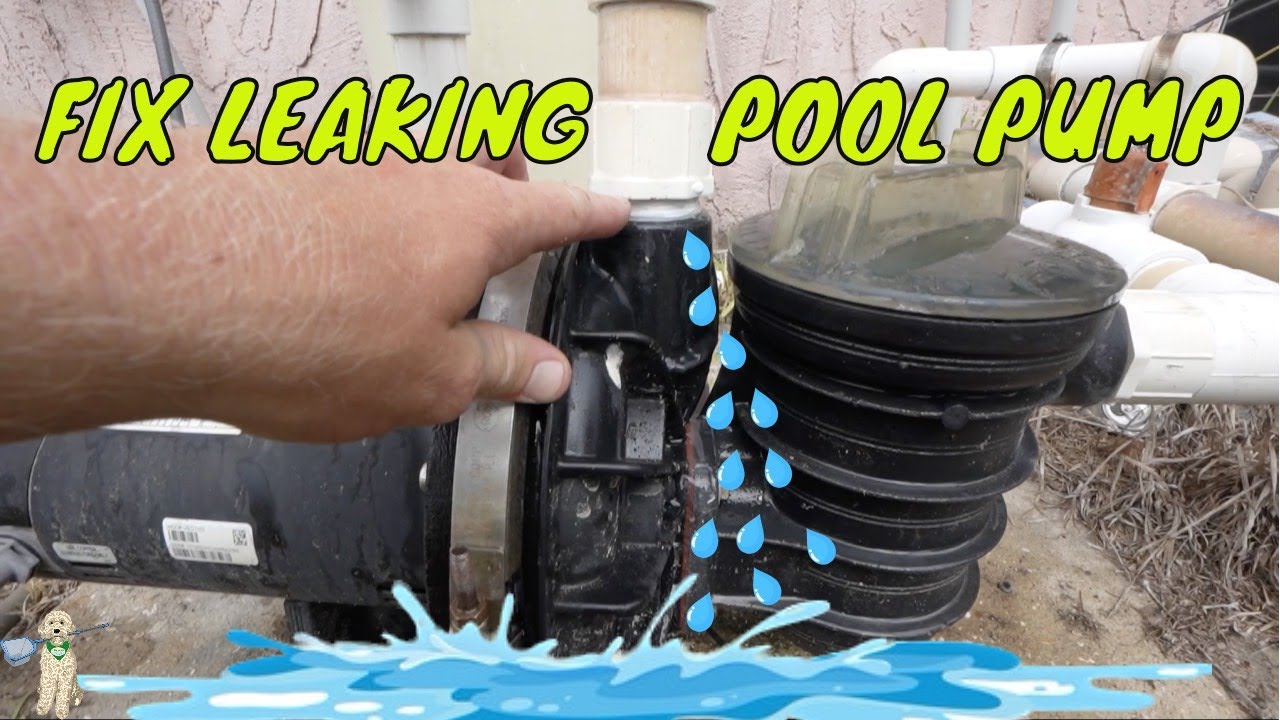
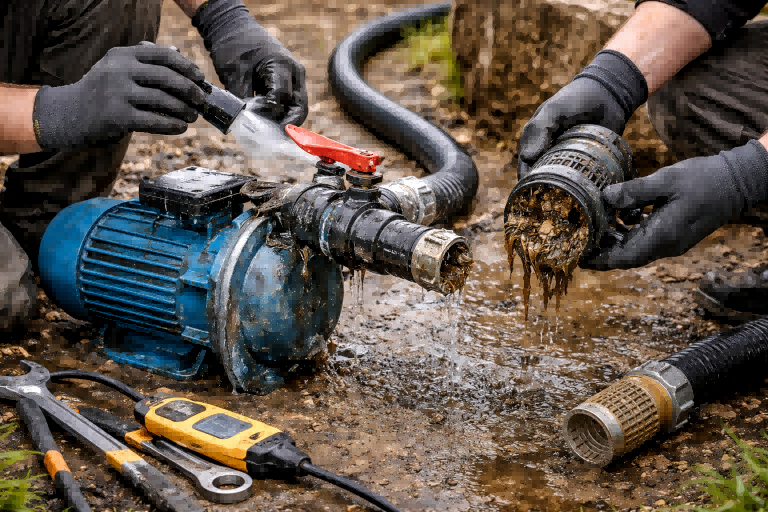
A pool pump pipe leak often shows up where plumbing changes direction or connects to equipment. Common leak spots include pump unions, elbows, threaded fittings, pump inlet and outlet ports, valves, filter connections, heater connections, and older PVC joints. Pentair pump fitting guidance also warns against overtightening threaded fittings and points out that union O-rings need to sit correctly, which is exactly where many equipment pad leaks begin.
Signs of a Pool Pump Pipe Leak
The obvious sign is water on the pad, but a pool pump plumbing leak does not always announce itself with a puddle. Watch for:
- Water dripping from a union, elbow, valve, or pipe joint
- Air bubbles returning to the pool
- A pump basket that will not stay full
- Loss of prime after the pump shuts off
- Lower water level without a clear reason
- A pump that sounds louder, rougher, or strained
If the pump keeps pulling air, that leaking pool pipe may be on the suction side. Hayward suction leak troubleshooting notes that self-priming pumps will not prime properly when suction air leaks are present, and those leaks often show up as bubbles from the pool return fittings.
Suction Side vs Pressure Side Pool Leaks
This is where many homeowners get tripped up. A suction-side leak happens before water enters the pump. Instead of pushing water out, it can pull air in. That is why you may see bubbles, weak skimming, or a pump that loses prime.
A pressure-side leak happens after the pump. That kind of pool equipment leak usually pushes water out because the system is under pressure. You may see spraying, dripping, wet soil around the pad, or water loss while the pump is running. Both matter, but they behave differently, so guessing can send you after the wrong fix.
Can You Patch a Pool Pump Pipe Leak?
Sometimes a tiny drip tempts people to grab tape, glue, putty, or a quick hardware-store patch. That might slow the leak for a minute, but it rarely solves the real problem long-term. Pool plumbing vibrates, heats up, cools down, and runs under changing pressure. If the fitting is cracked, the pipe is stressed, or the union O-ring is damaged, the right repair may mean cutting out the bad section and replumbing it properly.
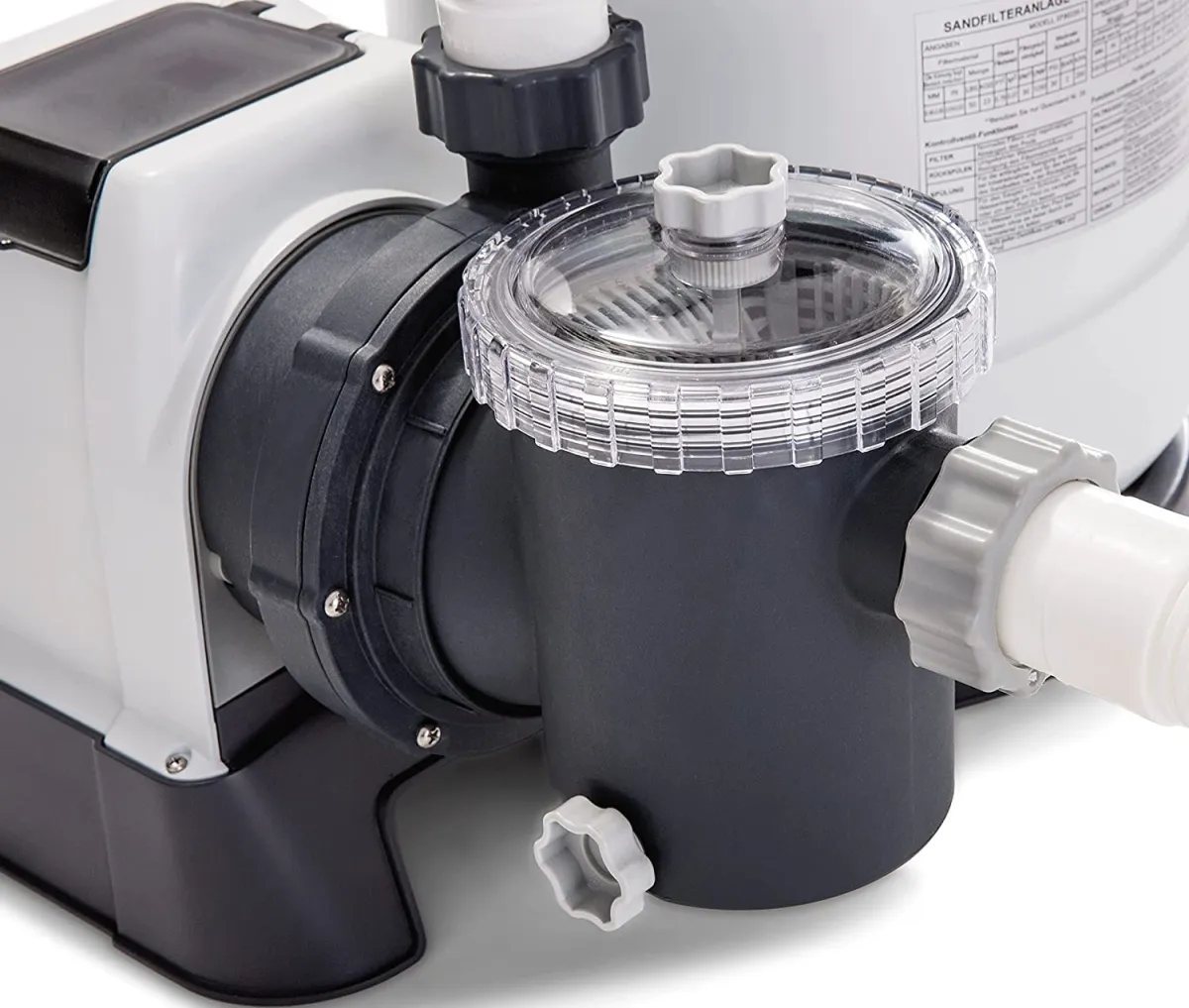
A proper pool pipe repair may include replacing a union, resetting an O-ring, cutting and rebuilding a PVC section, checking nearby valves, or inspecting the pump housing for cracks. Pentair priming troubleshooting also points homeowners back to suction piping, valve seals, water level, and the pump lid O-ring when priming issues show up, which is why the whole system needs to be checked together.
Why Pool Equipment Leaks Are Common in North Texas
North Texas is rough on pool equipment pads. Summer heat bakes exposed PVC. Long run times make small weaknesses show up faster. Expanding and contracting pipes can stress joints. Soil movement can shift plumbing over time. Then winter freeze events can add another layer of trouble, especially when exposed pipes were not drained or protected well.
That is why a pool pump pipe leak around DFW is not always caused by one dramatic failure. Sometimes it is age, heat, vibration, old glue joints, a slightly twisted valve, or past freeze damage finally showing itself.
What Happens If You Ignore a Pool Pump Pipe Leak?
Ignoring a pool pump pipe leak can cause more than water waste. Air in the system can reduce circulation, hurt skimming, make the filter less effective, and leave dead spots where algae gets comfortable. Water leaks can also soak electrical areas or corrode nearby equipment. Around pool equipment, water and electricity deserve respect. The ESFI pool and spa safety tips recommend GFCI protection for outdoor electrical devices and grounding pool electrical equipment, while Texas pool-related electrical device guidance explains that pool pumps, motors, heaters, automation, and GFCI work fall under regulated electrical scope in Texas.
What to Check Before Calling a Pool Service Company
Before you panic, do a simple visual check. Look at the pool water level, pump basket, skimmer baskets, pump lid O-ring, valve positions, unions, and visible PVC joints. Take a photo or short video of the leak while the pump is running and again after it shuts off. That can help a technician tell whether it acts like a suction-side or pressure-side issue.
If the leak keeps returning, PoolBurg can help with pool repair help, regular equipment checks through weekly pool service, and local support for pool service in Frisco and surrounding communities. If the pump is also struggling to start or stay primed, our pool pump diagnostics can help narrow down whether the problem is plumbing, pump-related, or both.
People Also Ask
Why is my pool pump pipe leaking?
A pool pump pipe leak can come from a cracked fitting, loose union, damaged O-ring, aging PVC, freeze damage, vibration, or pressure stress around the equipment pad.
Can you repair a leaking pool pipe without replacing it?
Sometimes, if the issue is a union O-ring or loose fitting. But if the pipe or fitting is cracked, the reliable fix is usually to cut out the bad section and replumb it.
Why does my pool pump lose prime after a leak?
That often means air is entering the suction side before the pump. The pump loses its solid column of water, so it struggles to prime and move water correctly.
Is a pool equipment leak an emergency?
A small drip may not be an emergency, but leaks near electrical equipment, pumps that lose prime, or fast water loss should be handled quickly.
How do I know if the leak is before or after the pump?
If you see air bubbles and priming trouble, suspect the suction side. If water sprays or drips while the pump runs, it is often on the pressure side after the pump.
PoolBurg Can Track Down the Leak Before It Gets Expensive
A wet equipment pad might not look dramatic, but a pool pump pipe leak can turn into pump damage, poor circulation, water loss, and higher repair costs if it sits too long. If you are seeing water around the pump, bubbles in the returns, or a pump that keeps losing prime, contact PoolBurg. We can inspect equipment pad leaks across Frisco, Plano, McKinney, Allen, and nearby DFW cities before one small drip becomes a bigger repair.