Pool pump pressure problems are not just random numbers on a gauge. They are clues. When water is moving correctly, your pump, filter, plumbing, valves, and returns are all working together. When that flow changes, the pressure reading often tells you where to start looking. For homeowners in Frisco, Plano, McKinney, Allen, The Colony, Lewisville, Southlake, Grapevine, Las Colinas, Carrollton, Addison, Keller, Garland, Mesquite, Wylie, and Prosper, catching pressure issues early can be the difference between a quick cleaning and a frustrating green-pool weekend.
What Is Normal Pool Pump Pressure?
Normal pressure depends on your actual pool. A small cartridge filter, long plumbing run, spa spillover, water features, and pump speed can all change the number. The better target is your clean-filter baseline. After the baskets are empty and the filter is clean, write down the PSI. That number becomes your pool’s normal.
Swim University explains that pool filter pressure often varies by system, which is why guessing from a neighbor’s pool is not very helpful. A filter that normally runs at 12 PSI may be fine at 12, while another pool may normally sit closer to 18. The pattern matters more than the number.
Low Pool Pump Pressure Causes
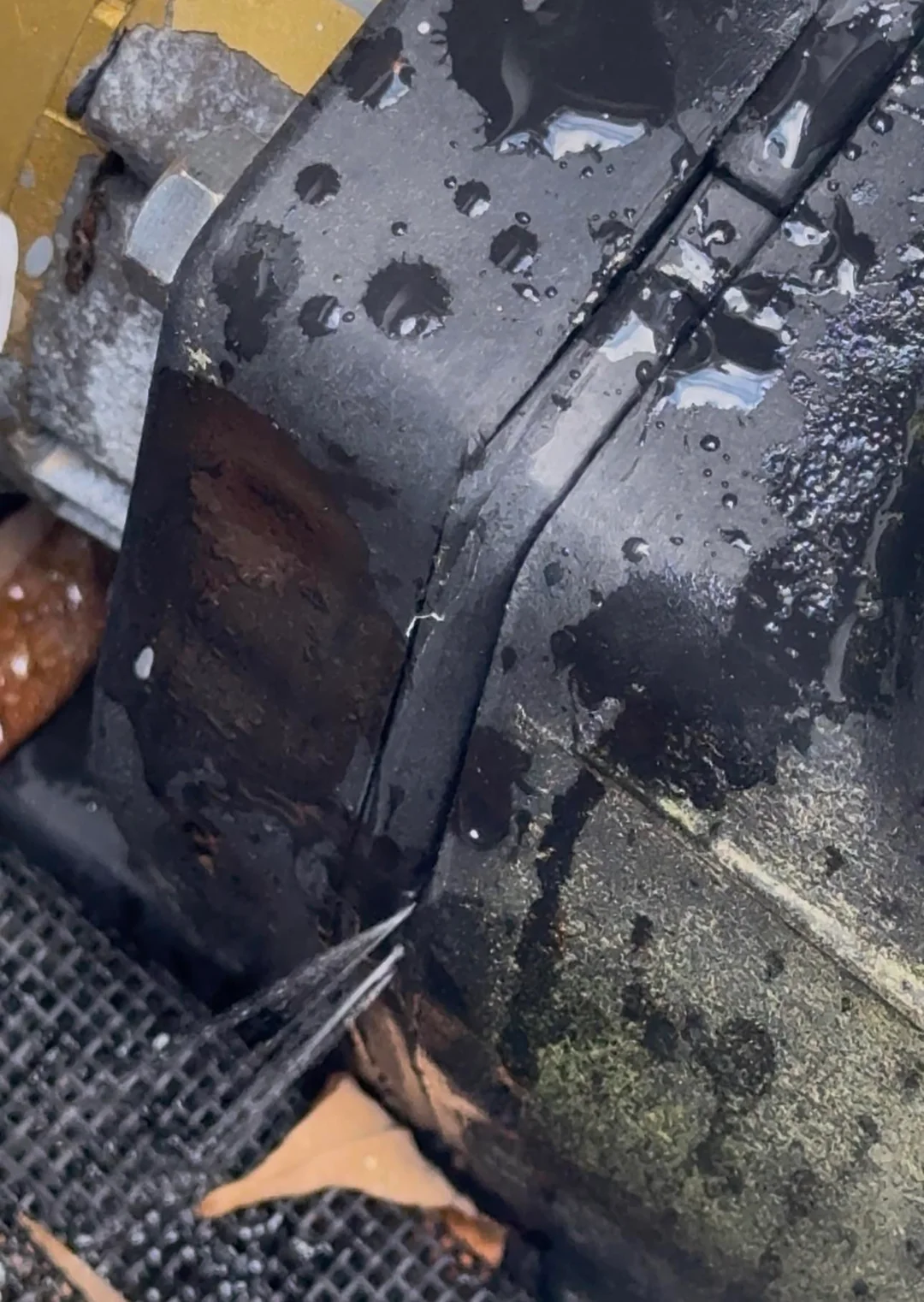
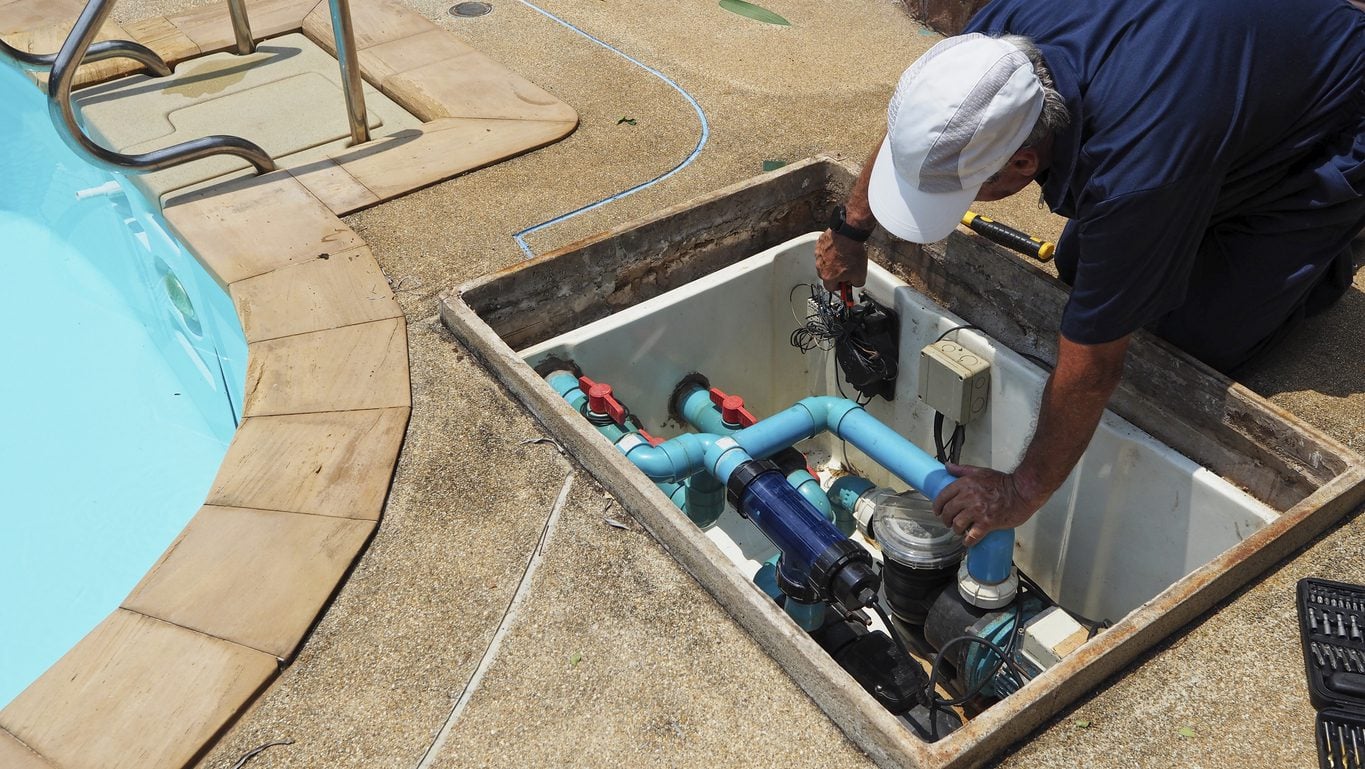
Low pressure usually means the pump is not getting enough water or cannot push enough water into the filter. Common causes include a clogged skimmer basket, clogged pump basket, low water level, suction-side air leak, blocked impeller, or valve that is partly closed. If your pool pump pressure low issue comes with bubbles in the pump lid or weak return jets, air may be getting pulled into the system before the pump.
INYO Pools notes that a clogged impeller can reduce suction and lower system flow, which is easy to miss because the baskets can look clean while debris is stuck deeper inside the pump. That is where pool pump pressure problems start getting sneaky.
High Pool Pump Pressure Causes
High pressure usually means water is struggling to leave the filter and return to the pool. That can happen when the filter is dirty, a return-side valve is closed, return fittings are blocked, filter media is worn out, or the pump is oversized for the system. When pool pump pressure high symptoms show up with weak returns, cloudy water, or a gauge that keeps climbing after cleaning, the system needs a closer look.
In The Swim lists dirty filters and flow restrictions among the common reasons pressure goes too high or too low. The big thing is not to keep running the pool and hoping the gauge fixes itself. Pressure that stays wrong usually has a reason.
Pool Pump Pressure vs Pool Filter Pressure
Homeowners often say “pool pump pressure,” but the gauge is usually on the filter. That means the gauge is showing pool filter pressure, not the actual pressure inside the pump motor. Still, the filter gauge is one of the best clues you have because it reacts when flow is restricted before or after the pump. Low pressure points toward suction-side trouble. High pressure points toward pressure-side or filter trouble.
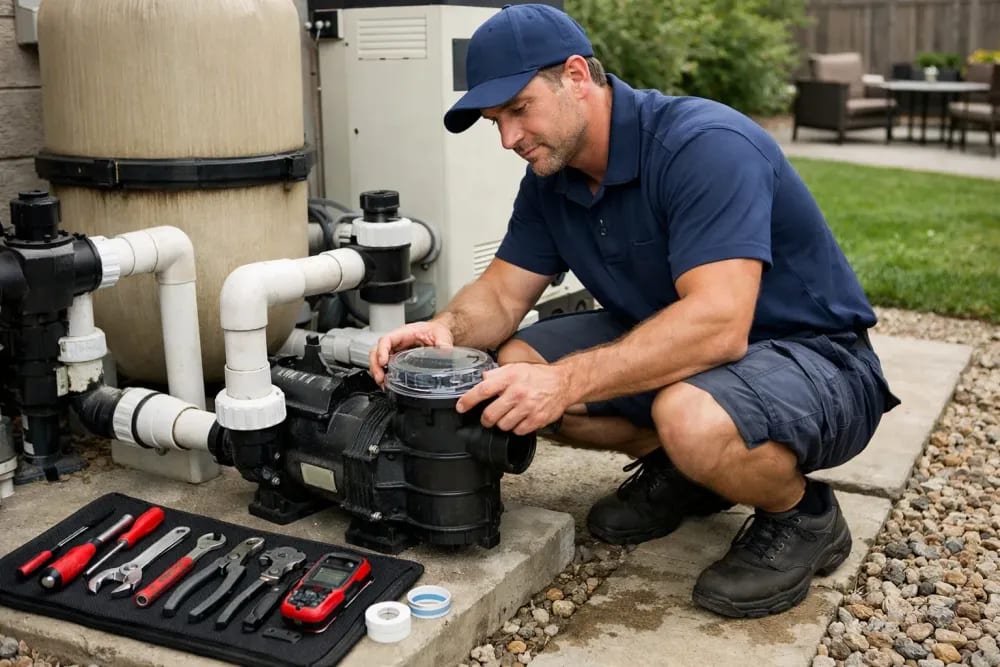
This is why PoolBurg checks the whole circulation path instead of blaming one part too fast. A pressure issue could be a basket, air leak, filter problem, valve setting, plumbing restriction, or pump performance issue. Our weekly pool service includes equipment checks such as pumps, filter pressure, heaters, automation, and leaks, which helps catch these changes before they become ugly.
When Pressure Problems Become Pool Water Problems
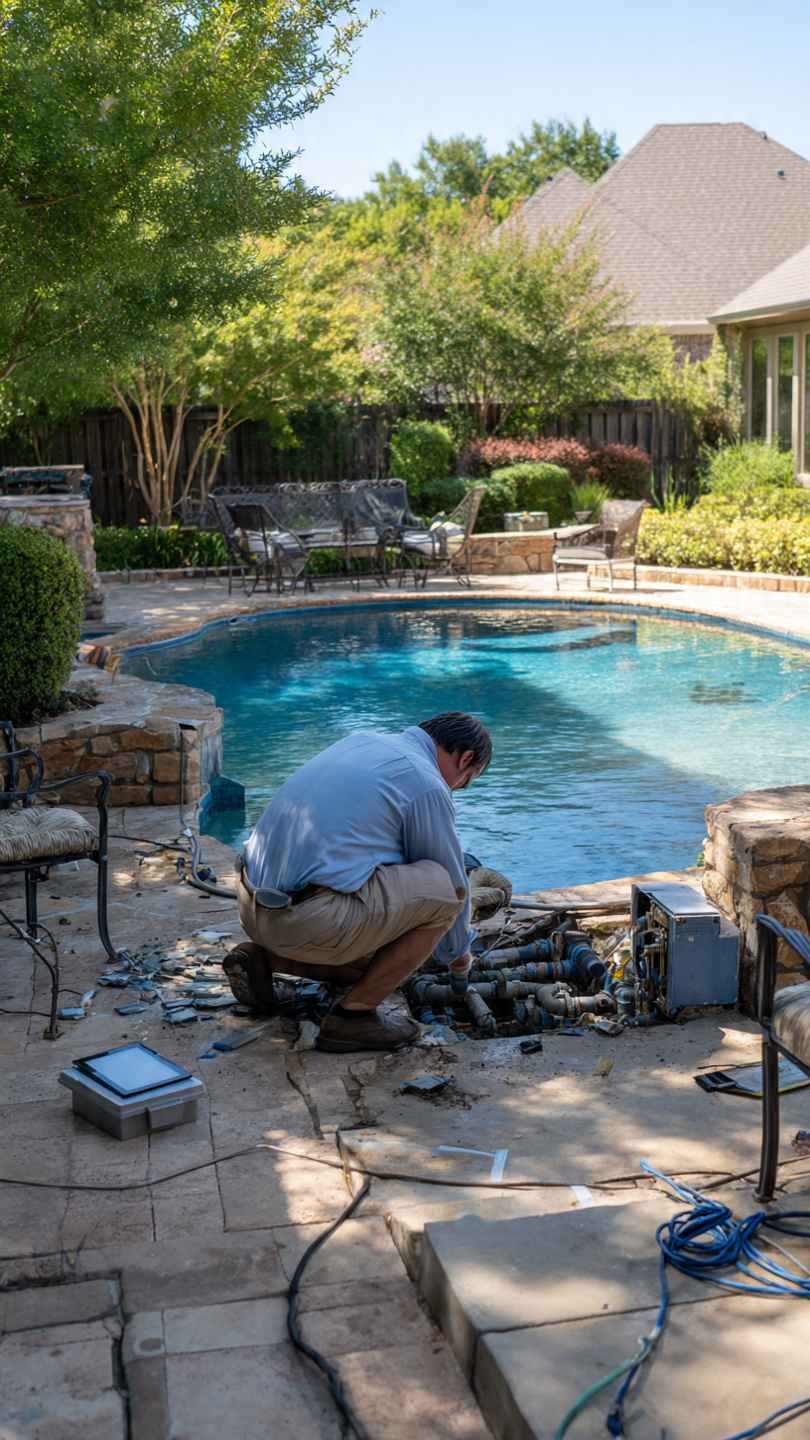
Pool pump pressure problems do not stay in the equipment pad forever. If circulation drops, your pool can develop cloudy water, algae, dead spots, poor skimming, and chemical imbalance. The water may still look okay for a day or two, then suddenly turn dull or green when Texas heat, sunscreen, rain, and heavy swimming pile on.
The Spruce explains that clogged filters and poor filtering can contribute to green pool problems because water is not being cleaned and circulated properly. That matches what pool techs see every summer: pressure problems are often water problems waiting to happen.
What to Check Before Calling a Pool Service Company
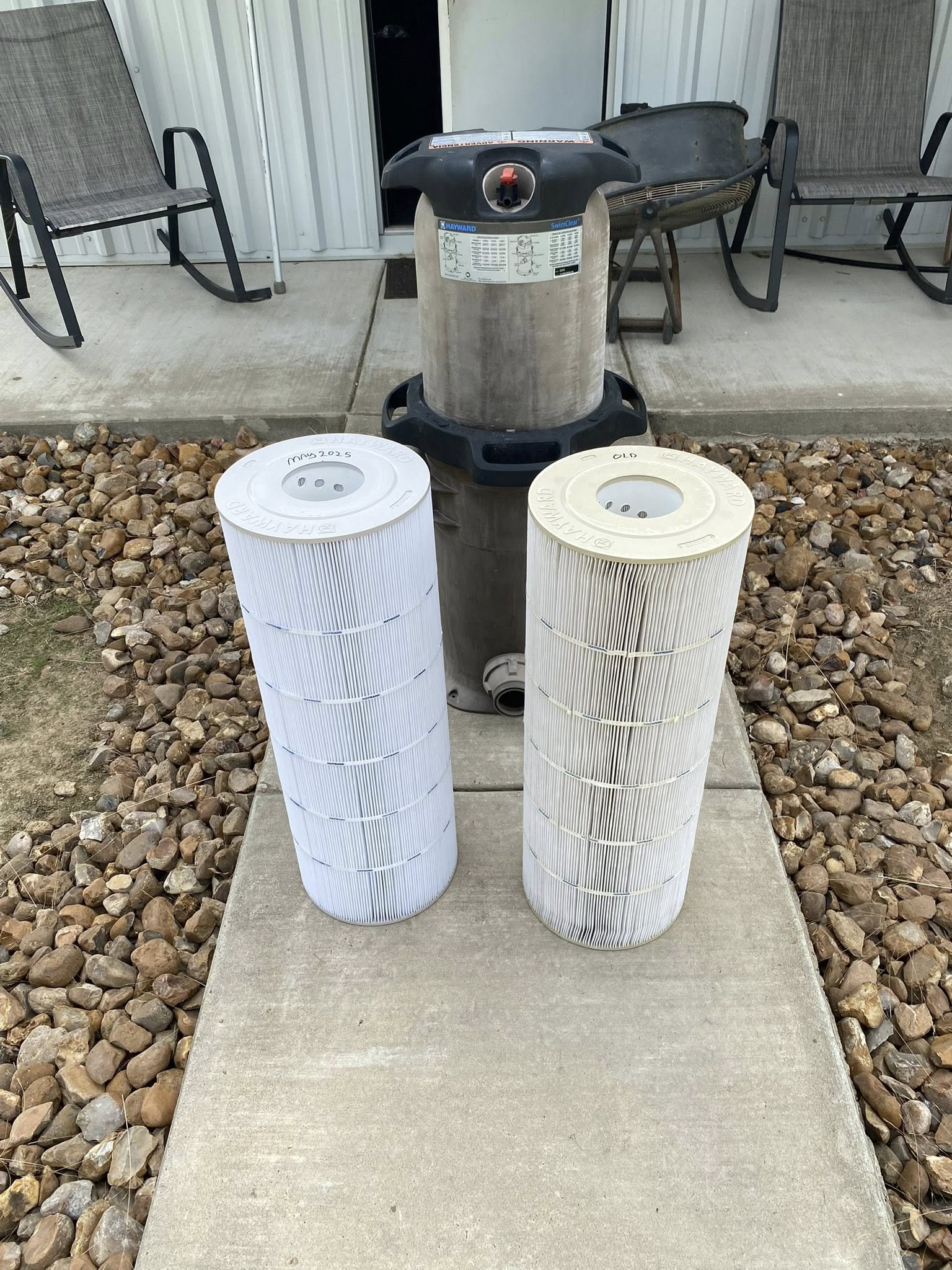
Before you panic, shut the system off safely and check the simple stuff. Make sure the pool water level is halfway up the skimmer opening. Empty the skimmer and pump baskets. Look at the pump lid for bubbles. Check whether valves are open. If you have a sand or DE filter, see whether backwashing is due. If you have a cartridge filter, cleaning the cartridges may be the next step.
Trouble Free Pool points out that higher-than-normal pressure often indicates a dirty filter while air leaks can happen around the pump basket lid or drain plugs. If you check the obvious items and the pressure still acts strange, PoolBurg’s pool pump repair guidance can help you avoid replacing the wrong part.
People Also Ask
Why is my pool pump pressure low?
Low pressure usually means the pump is not getting enough water. Check water level, skimmer basket, pump basket, pump lid seal, suction valves, and the impeller.
Why is my pool filter pressure high?
High pool filter pressure usually means water is restricted after it reaches the filter. A dirty filter, closed return valve, clogged return line, or bad filter media can all cause it.
Can low pool pressure cause algae?
Yes. Low pressure can mean poor circulation, and poor circulation leaves dead spots where sanitizer does not move well. That makes algae easier to grow.
What PSI should my pool filter be?
There is no perfect PSI for every pool. Use your clean-filter baseline. If the reading moves far above or below that number, something changed.
How do I know if my pool pump is clogged?
Weak return jets, low pressure, a pump basket that will not fill properly, or poor suction can point to a clog. The clog may be in the skimmer, basket, suction line, or impeller.
PoolBurg Can Find the Real Pressure Problem
If your pressure keeps changing, do not keep guessing. PoolBurg can diagnose the pump, filter, plumbing, valves, and circulation side together. Whether you need cleaning, adjustment, repair, or a smarter equipment recommendation, we can help get your DFW pool moving again. Start with our pool services or contact PoolBurg when your pressure reading stops making sense.