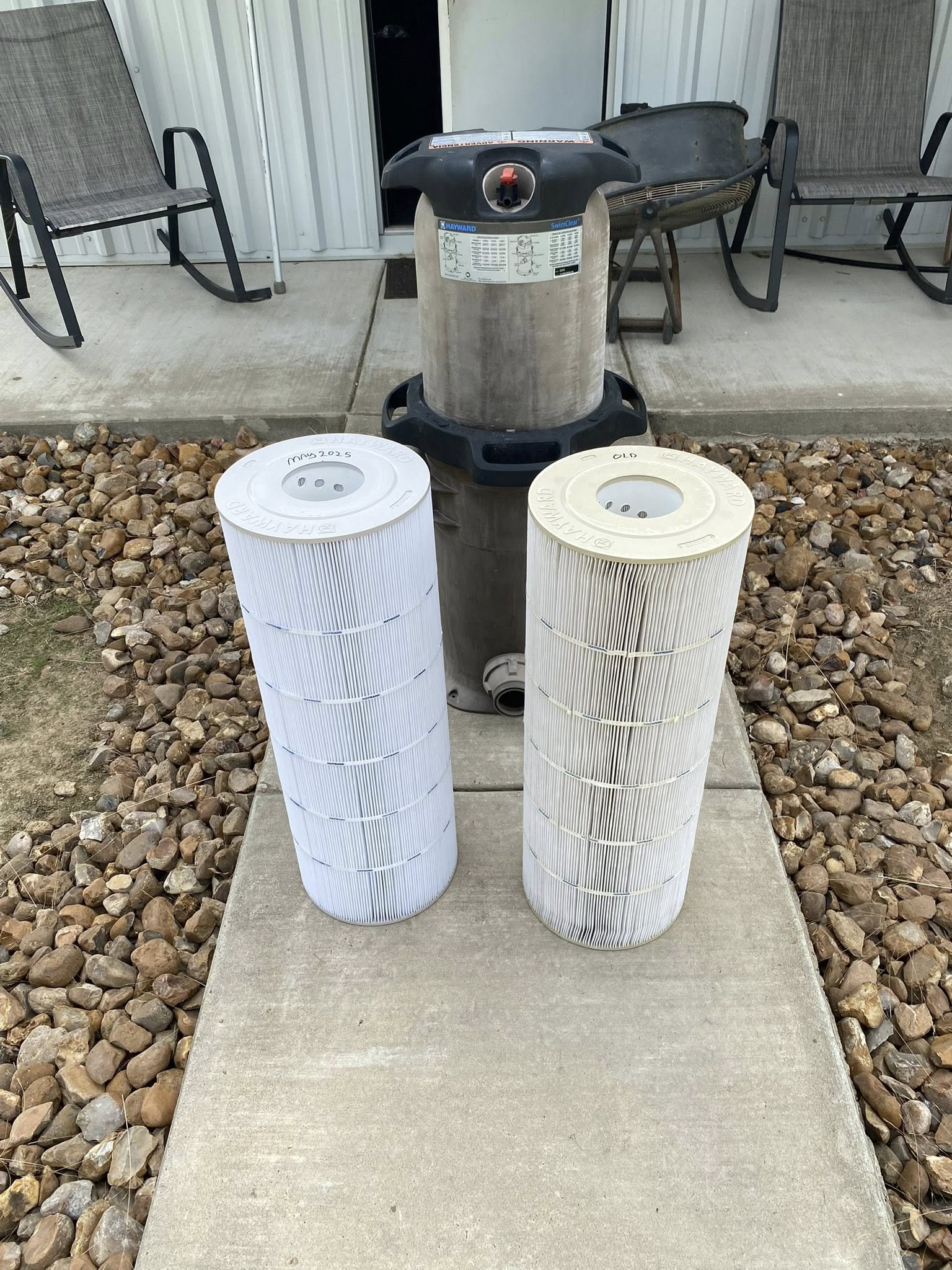
Replace pool filter sand is one of those jobs homeowners usually ignore until the pool starts acting weird. The water keeps turning cloudy. Backwashing helps for a day, then the haze comes back like it pays rent. Or the pressure gauge behaves strangely, or sand starts showing up near the return jets. In a North Texas pool, where hard water, long swim seasons, storms, and heavy filtration loads are normal, old filter sand symptoms can show up faster than many owners expect.
What Pool Filter Sand Actually Does
Pool filter sand traps small particles as water passes through the sand bed. The sand itself does not simply disappear like a disposable cartridge. In fact, a slightly dirty sand bed can sometimes filter finer particles better than a perfectly clean one. SwimmingPool.com notes that changing filter sand is a fairly complex process and that sand filters can often go a long time before needing new sand.
The problem is performance. Over time, oils, scale, clumping, debris, and channeling can change how water moves through the bed. If water starts finding shortcuts instead of passing evenly through the sand, filtration drops even though the pump is still running.
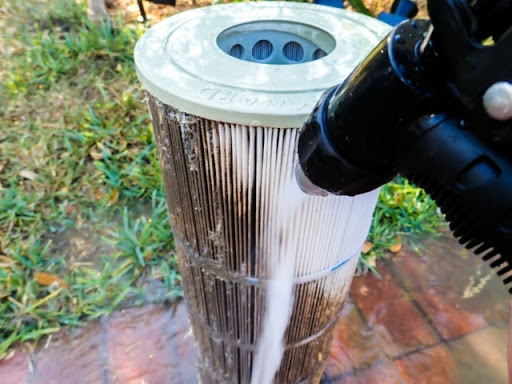
Signs Your Sand May Need Replacement
The most common signs include cloudy water that keeps returning, poor filtration after proper backwashing, dirty water pushing back into the pool, or pressure that does not reset close to the clean baseline after a good backwash and rinse. Sand blowing into the pool is another big clue, but it is not always because the sand itself is old.
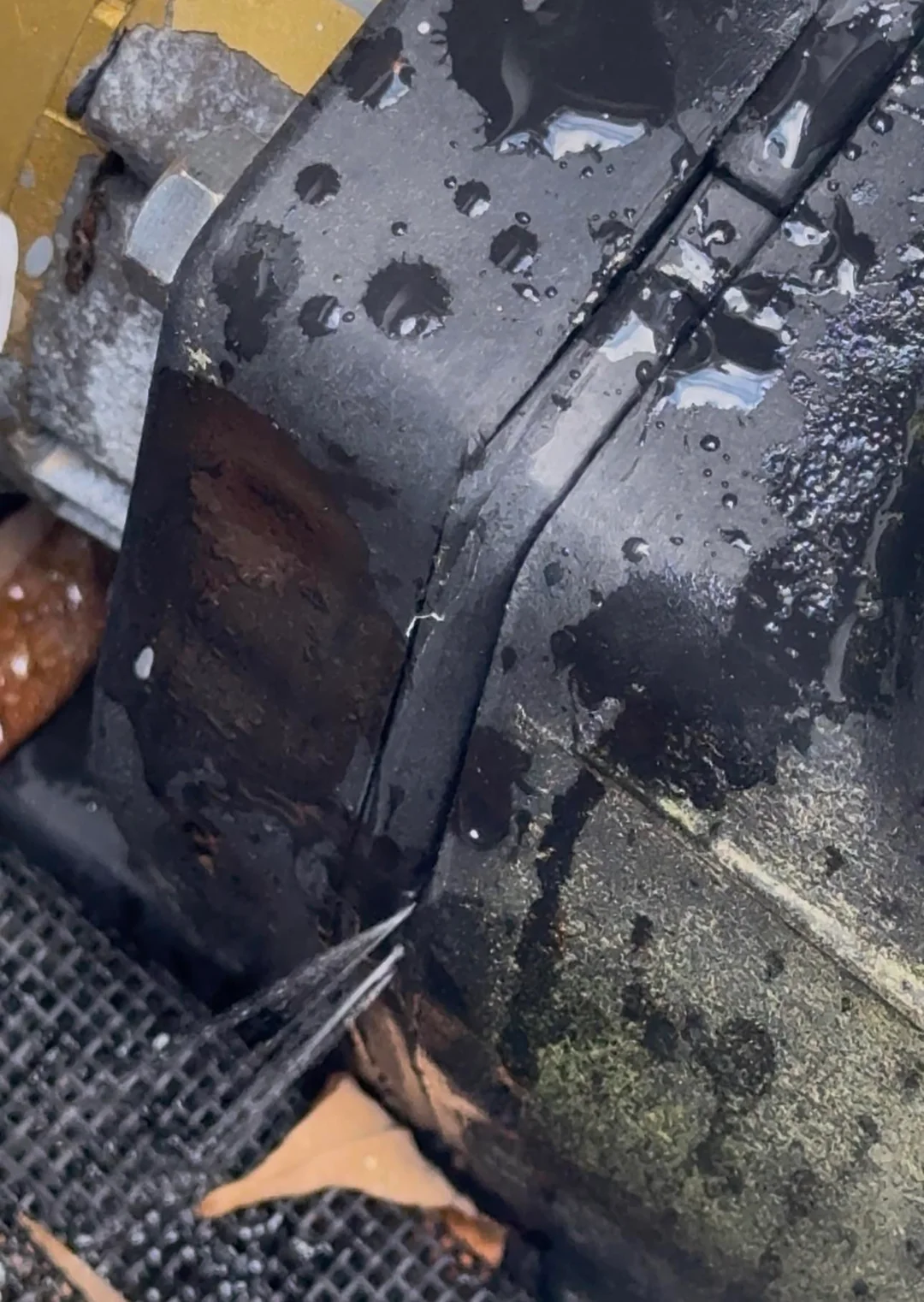
If sand appears near the returns, the issue may be a cracked lateral, damaged standpipe, or internal filter problem. The Spruce explains that sand coming from a sand filter can point to internal failure, such as damaged laterals or standpipe components, not just media age.
Why Backwashing Alone Sometimes Stops Helping
Backwashing reverses flow to flush trapped debris out of the filter. It is useful, but it is not magic. Orenda’s filter channeling article explains that channeling happens when water finds a path of least resistance through the sand bed, leaving cloudy water and abnormal backwash cycles behind.
In DFW, hard-water scale can make this worse. Calcium buildup, clumping, and compacted media can prevent the sand bed from doing its job. That is when pool filter sand replacement starts making more sense than another blind backwash cycle.
When The Problem Is Not Actually The Sand
Before you change sand in pool filter equipment, make sure the sand is really the problem. Cloudy water can also come from low chlorine, high pH, algae, poor circulation, short pump run time, a dirty pump basket, or an undersized filter. The CDC says chlorine and pH are the first defense against germs in pool water, so chemistry should be checked before blaming the filter media.
A broken lateral, leaking multiport valve, wrong valve setting, or poor circulation pattern can also make a good sand bed look guilty. PoolBurg’s common pool maintenance problems guide and weekly pool maintenance routine article both explain why filtration, cleaning, chemistry, and circulation have to work together.
DIY vs Professional Sand Replacement
DIY pool filter sand replacement is possible, but it is messy, heavy, and easy to rush. The filter has to be opened, old sand removed, internals protected, laterals inspected, the right grade and amount of filter sand added, and the system backwashed and rinsed properly before normal filtration resumes.
Pentair’s sand filter manual warns that serious injury can result if sand filters are not installed and used correctly, which is a good reminder that pressure vessels deserve respect. A professional sand change also gives you a chance to inspect laterals, standpipe, diffuser, valve condition, and the pressure baseline instead of just dumping in fresh media.
PoolBurg’s Sand-Filter Checkpoint
PoolBurg does not start by assuming the sand is bad. We check the media condition, filter pressure behavior, water clarity, chemical balance, backwash history, and internal parts where needed. If the sand bed is channeling, clumped, scaled, or no longer recovering after proper backwash cycles, we may recommend changing it.
This matters across Frisco, Plano, McKinney, Allen, The Colony, Lewisville, Southlake, Grapevine, Las Colinas, Farmers Branch, Carrollton, Addison, Keller, Garland, Mesquite, Wylie, and Prosper because hard water and long filtration seasons make filter performance a year-round issue, not a once-a-summer thought.
People Also Ask
How often should pool filter sand be replaced?
Many pools go several years before sand replacement, but timing depends on water balance, debris load, filter size, run time, and maintenance habits. Replace it when performance symptoms show the sand bed is no longer filtering properly.
Does pool filter sand go bad?
The sand does not spoil like food, but it can become clumped, scaled, oily, compacted, or channeled, which reduces filtration performance.
Why is my pool still cloudy after backwashing?
The cause may be channeling, old or clumped media, poor chemistry, algae, low chlorine, short run time, a dirty pump basket, or damaged filter internals.
How do I know if my sand filter is bad?
Watch for cloudy water that keeps returning, pressure that does not behave normally, sand near returns, weak filtration after backwashing, or repeated dirt returning to the pool.
Can hard water ruin sand-filter performance?
Yes. Hard water can contribute to scale and clumping inside the sand bed, especially when pH, alkalinity, and calcium are not managed well.
PoolBurg Can Inspect The Filter Before Another Blind Backwash
If you are wondering whether to replace pool filter sand, PoolBurg can inspect the filter, pressure behavior, water chemistry, and internal parts before you spend money on the wrong fix. If your pool keeps getting cloudy after backwashing, contact PoolBurg for a filter-performance inspection and a real diagnosis.