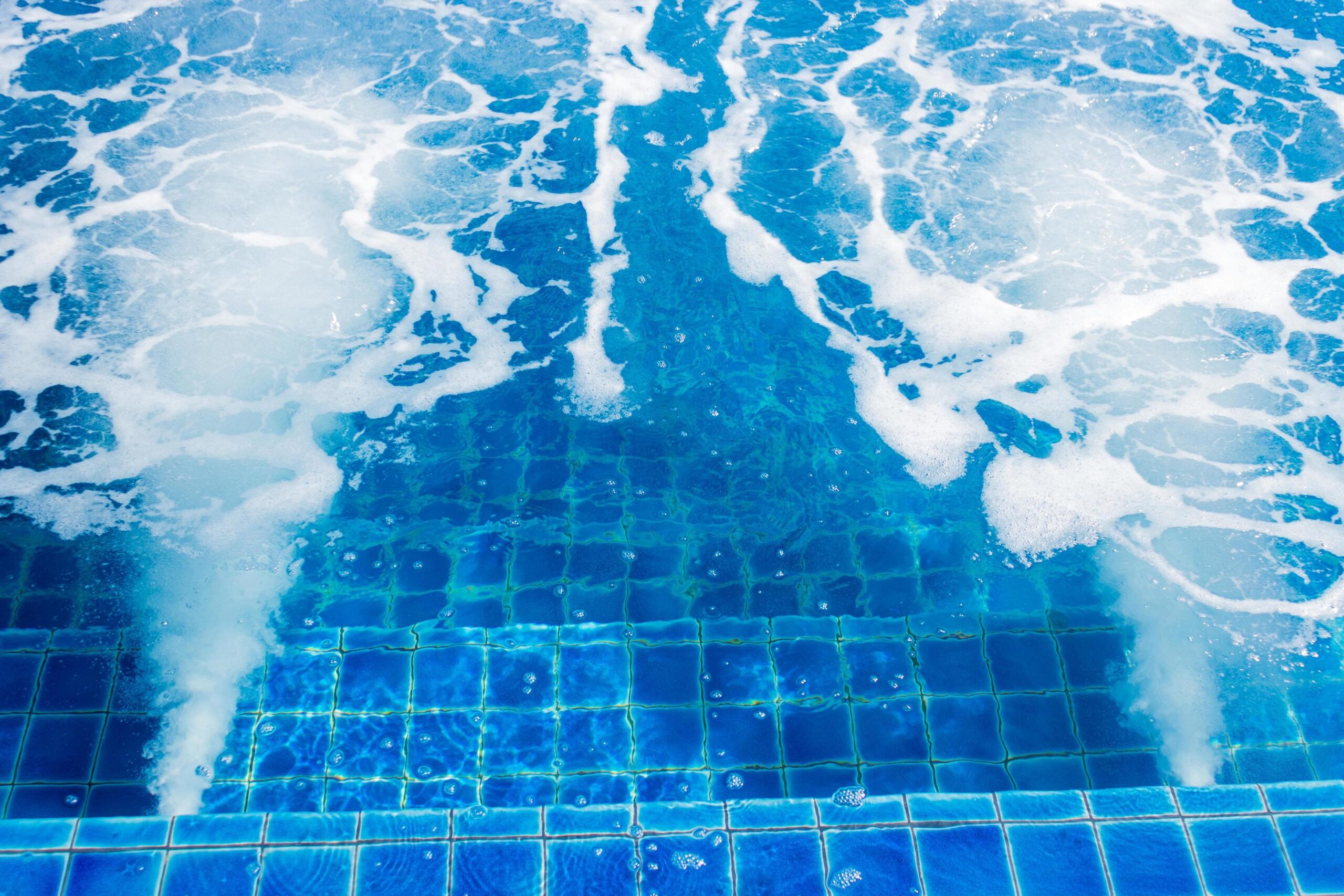
Look, I’ve been maintaining pools in Frisco and the North Texas area for over 35 years, and I can tell you that nothing kills the vibe of a backyard BBQ faster than a layer of white suds. If you’re seeing pool water foaming after the kids jump in, you aren’t just looking at a cosmetic issue. It’s a chemical red flag. Properly balanced water should be clear, blue, and flat. When you start seeing “bubble bath” conditions, your pool is essentially telling you that the water’s surface tension has been compromised by something that shouldn’t be there.
This guide breaks down exactly why does my pool have foam, how to distinguish it from equipment-related bubbles, and the specific steps to clear it up before your next swim.
Foam on Your Pool Is Not Normal — Here’s What’s Causing It
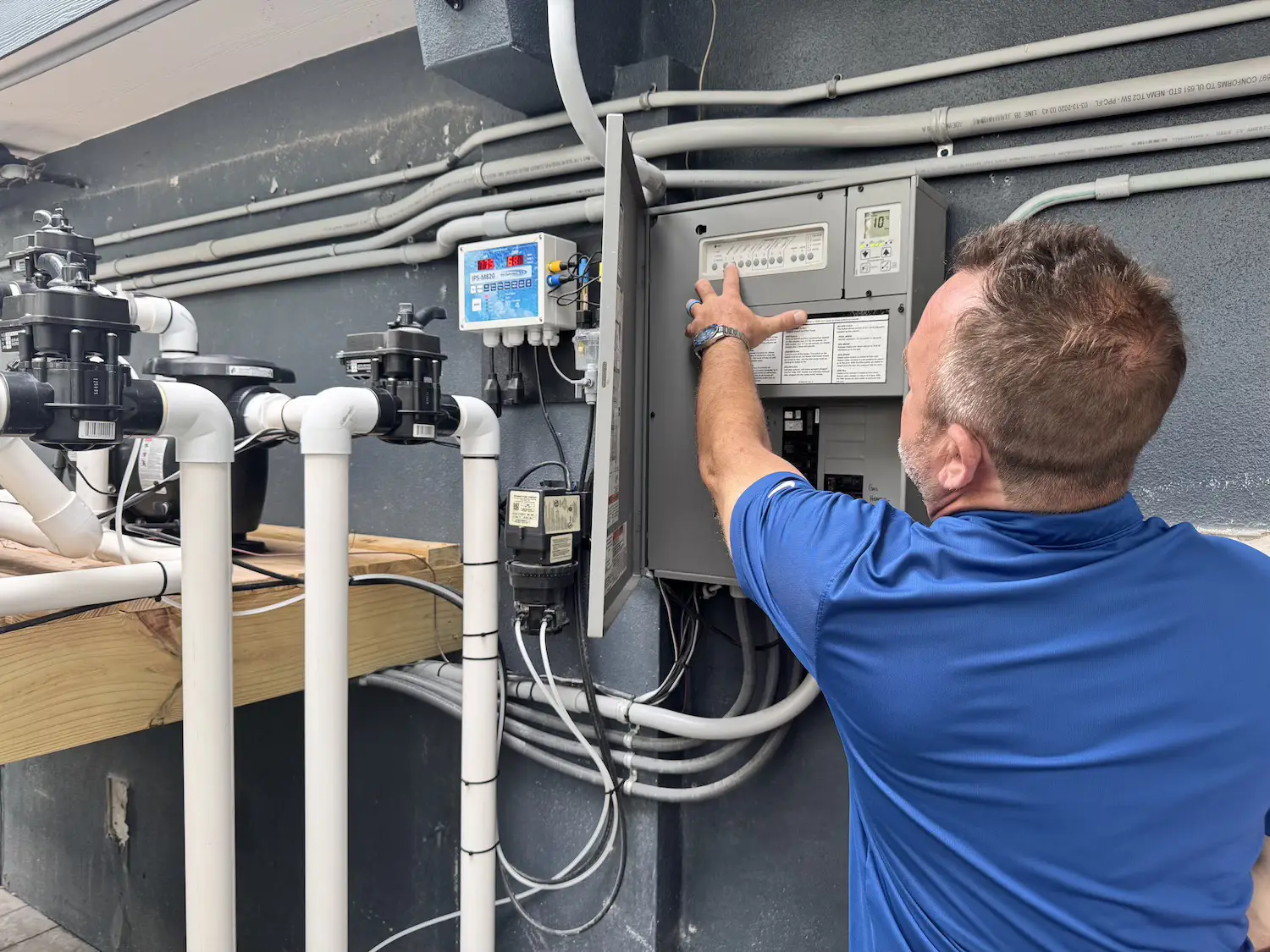
A healthy pool should have clear water with no persistent foam or suds. If you see white “clouds” gathering in the skimmer or the corners of the pool, something is off with your chemistry. The good news is that while it looks messy, most causes of foamy pool water are easy to identify. According to swimming safety guidelines from the CDC, any change in water clarity or texture is a sign that your sanitizer levels might be struggling to keep up with contamination.
Common Causes of Foam in DFW Pools
1. Body care products (The #1 Culprit)
Honestly, this is the cause 90% of the time in North Texas. Sunscreen, hairspray, deodorant, and lotions are all “surfactants.” They reduce the surface tension of the water, creating suds when the water gets agitated by jets or splashy kids. During the DFW pool party season (May through September), this is incredibly common. The more swimmers you have wearing heavy products, the more pool water foaming you’ll see.
- The Fix: Shock the pool to oxidize the oils and add an enzymatic cleaner.
- Prevention: Ask your guests to take a quick 60-second rinse before jumping in. It removes the bulk of these oils.
2. Cheap or low-quality algaecide
If you picked up a bargain “quat” algaecide at a big-box store, you might have accidentally caused the problem yourself. These quaternary ammonium-based chemicals are naturally foamy. If you overdose the pool, you’ll get a thick layer of suds that won’t go away.
- The Fix: Give it time; it will eventually dissipate as the chemical is consumed.
Prevention: Stick to professional-grade polyquat or copper-based algaecides that follow industry water quality standards for non-foaming performance.
3. High TDS (Total Dissolved Solids)
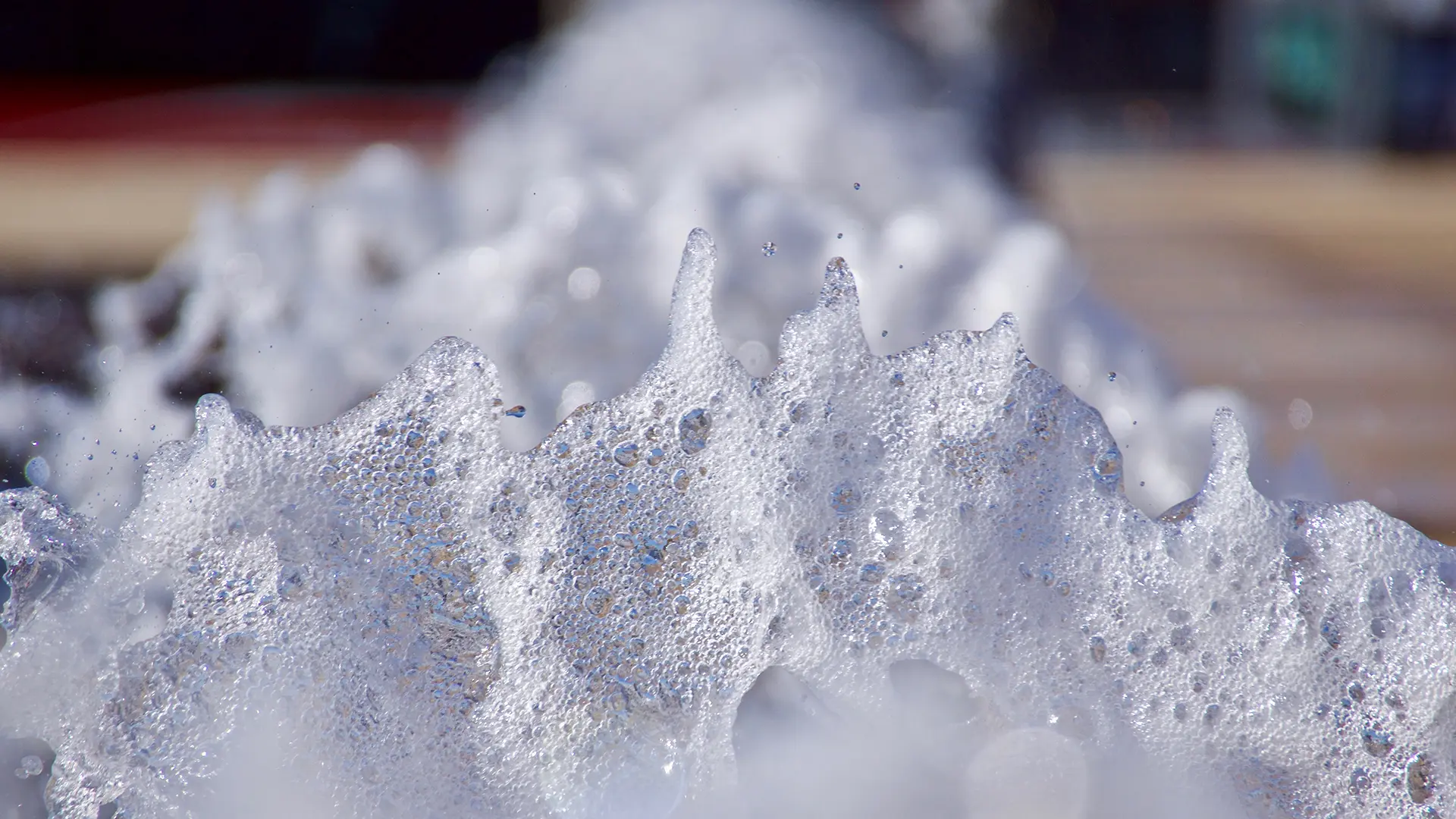
Water has a “shelf life.” When your water is “old”—meaning you haven’t done a partial drain and refill in 3 to 5 years—it becomes overloaded with minerals and chemical leftovers. High TDS water foams much more easily.
- DFW Note: Our North Texas hard water is high in calcium, which accelerates TDS buildup faster than in other regions.
4. High bather load + low sanitizer
If you had twelve people in the pool but your chlorine was sitting at 1.0 ppm, you’ve got a “load” problem. The chlorine is working so hard to kill bacteria that it can’t oxidize the organic junk (sweat and skin cells), leading to suds.
5. Laundry detergent residue on swimwear
If you wash your swimsuits with regular detergent and don’t give them a double rinse, you’re basically dropping a soap bar into the pool. Multiple swimmers in soapy suits equal foamy pool water.
6. Cal-Hypo shock in hard water
Calcium hypochlorite is a popular shock, but in Frisco’s naturally hard water, it can create a temporary foamy or cloudy reaction as the calcium hits the water. We usually recommend using liquid chlorine to avoid this.
7. Air leak in suction plumbing (Bubbles, not foam)
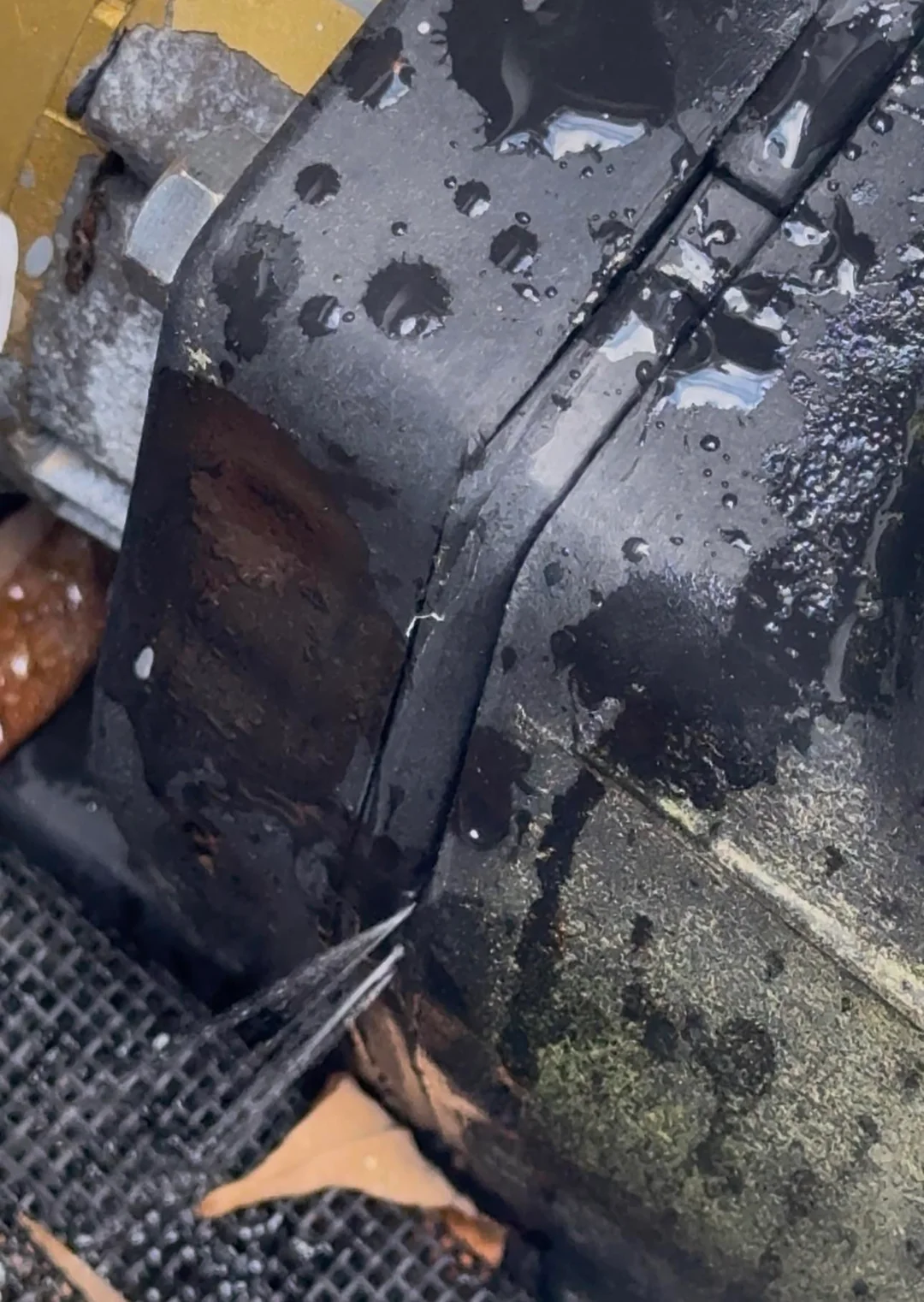
If you see bubbles in pool coming out of the return jets, you likely don’t have a chemistry problem—you have a mechanical air leak. This happens when the pump sucks in air through a bad O-ring or a cracked pipe.
- The Fix: You need a pro to diagnose and seal the air leak.
How to Get Rid of Pool Foam
If you need to fix pool water foaming fast, follow this professional checklist:
- Test the water: Check your chlorine and pH levels immediately.
- Shock it: Use liquid chlorine to oxidize the surfactants causing the suds.
- Run the filter: Keep that pump running for 24-48 hours straight.
- Add Enzymes: An enzyme treatment will “eat” the body oils and lotions.
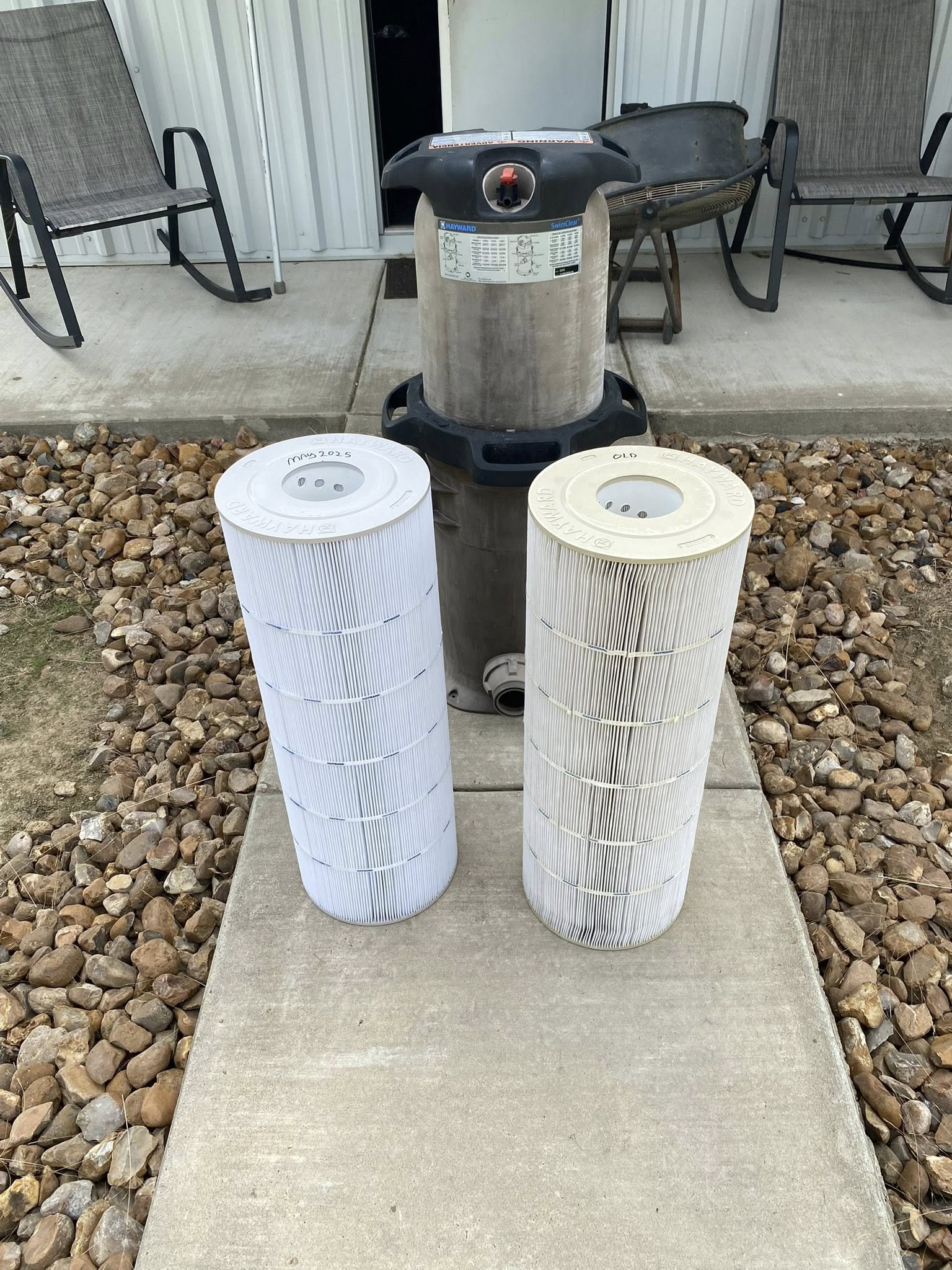
- Clean the filter: After 24 hours, clean your cartridges or backwash your sand filter to remove the captured junk.
- Check TDS: If the foam persists, have us test your TDS levels. You might be due for fresh water.
- Check for air: If you see large bubbles in pool jets, check your pump lid O-ring.
Foam vs. Bubbles — How to Tell the Difference
Knowing the difference determines whether you need a chemical or an equipment repair service.
BUBBLES: These come from the jets, rise to the surface, and pop instantly. If they vanish when the pump stops, you have an air leak.
FOAM: Looks like soap suds. It sits on the surface and stays there even when the pump is off. It’s a chemistry issue.
People Also Ask
Why is my pool water foaming?
It’s usually caused by surfactants like sunscreen, lotions, or cheap algaecides reducing the water’s surface tension.
Is foamy pool water safe to swim in?
It depends. If it’s just a bit of sunscreen from a party, it’s fine. But if it’s from low sanitizer levels, the water could be harboring bacteria.
Why are there bubbles coming from my pool jets?
That is almost always a suction-side air leak. The pump is pulling air through a loose fitting or a worn-out gasket. Refer to pool pump troubleshooting guides for common O-ring locations.
PoolBurg Identifies and Eliminates Foam at Every Visit
Whether you’re dealing with soap suds from a party or a nagging air leak in your plumbing, we’ve got you covered. We ensure your pool uses non-foaming chemicals and that your equipment is air-tight. Foamy pool? PoolBurg diagnoses whether it’s chemistry or equipment — and fixes both.