Owning a pool in Dallas sounds dreamy until the bottom starts collecting leaves, grit, pollen, and that mysterious “Texas dust” that appears out of nowhere. That is where a good pool vacuuming guide becomes your best friend.
At PoolBurg, we help North Texas homeowners keep their pools clean, clear, and ready for actual swimming — not just staring at the water wondering what went wrong. Whether you handle your own cleaning between visits or you are learning the basics before booking Weekly Pool Service, this pool vacuuming guide walks you through the process without making it feel like a chemistry exam.
Why Pool Vacuuming Matters
Your pool filter does a lot, but it does not catch everything sitting on the floor. Dirt, leaves, algae dust, and fine debris can settle below the waterline, especially after storms, landscaping work, heavy swim days, or windy Dallas afternoons.
Regular vacuuming helps:
- Remove debris before it stains the surface
- Improve water circulation
- Reduce strain on your pool filter
- Help chlorine work more effectively
- Keep the pool looking clean, not “almost clean”
For extra water safety context, the CDC’s pool chemical safety guidance is a helpful external resource to understand why clean, balanced water matters.
What You Need Before You Start
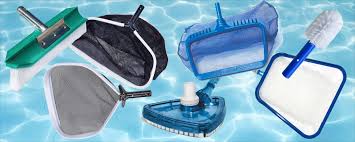
Before you vacuum pool manually, gather the right tools. You do not need anything fancy, but you do need the basics:
- Telescopic pole
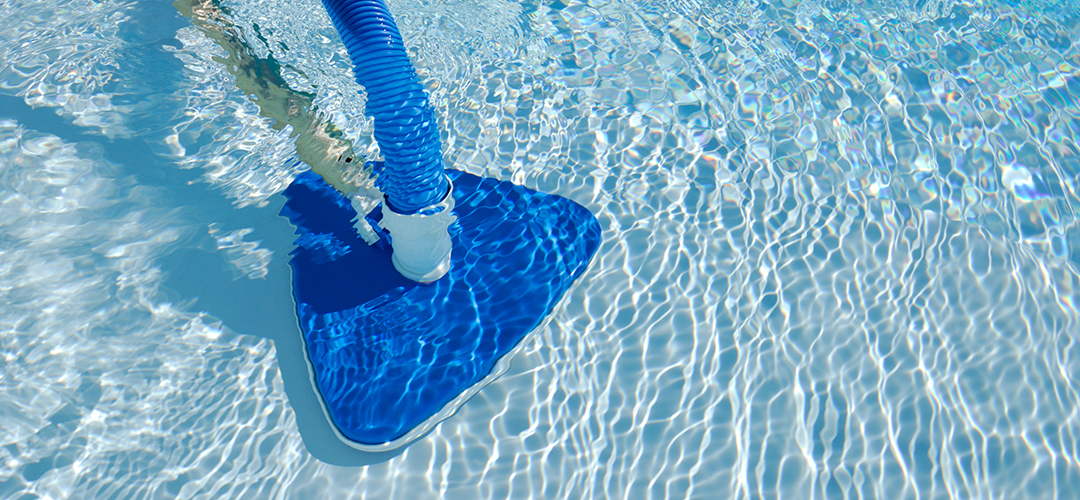
- Manual vacuum head
- Vacuum hose
- Skimmer vacuum plate or direct skimmer connection
- Pool brush
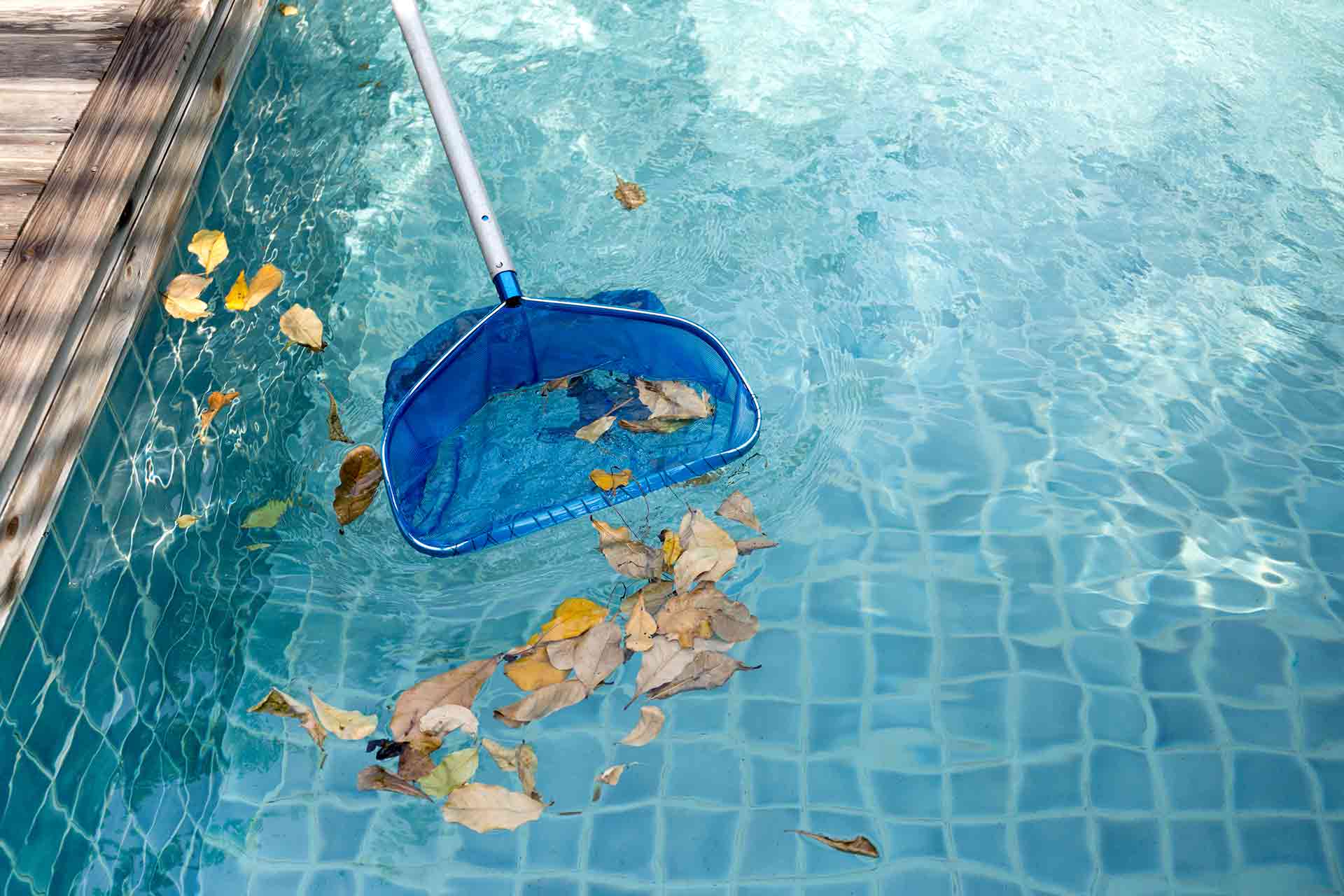
- Leaf net
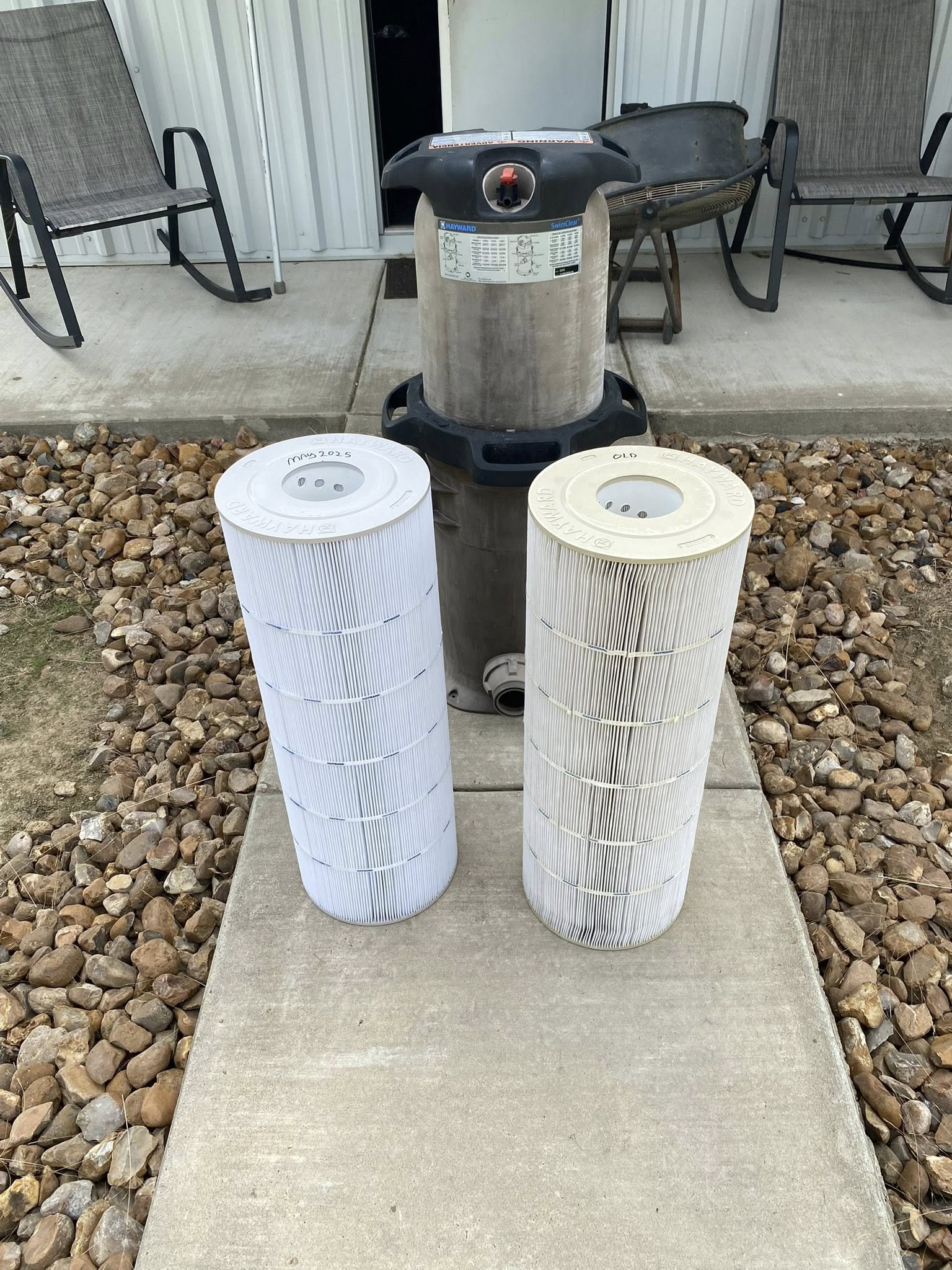
- Working pool pump and filter
If your equipment seems weak, noisy, or inconsistent, check out PoolBurg’s Pool Equipment Repair service. A vacuum is only as good as the suction behind it.
How to Hook Up Pool Vacuum to Skimmer
One of the most common beginner questions is how to hook up pool vacuum to skimmer without losing suction or filling the hose with air.
Here is the simple version:
- Attach the vacuum head to the telescopic pole.
- Connect one end of the vacuum hose to the vacuum head.
- Lower the vacuum head into the pool.
- Feed the hose into the water until all air bubbles stop.
- Connect the other end of the hose to the skimmer plate or skimmer suction port.
- Make sure the pump is running.
- Begin vacuuming slowly.
The key is removing air from the hose first. If air gets into the system, suction drops and your pump may struggle. That is why learning how to hook up pool vacuum to skimmer correctly saves time and frustration.
How to Vacuum a Pool Manually
Here is the easy step-by-step process for how to vacuum a pool manually:
1. Skim the Surface First
Before vacuuming, remove floating leaves and bugs with a net. If you skip this step, larger debris may sink while you work.
2. Brush the Walls and Steps
Brush algae dust and dirt toward the pool floor. Pay attention to corners, steps, tanning ledges, and behind ladders.
3. Move Slowly Across the Pool Floor
When you vacuum pool manually, do not rush. Move the vacuum head in slow, overlapping lines, like mowing a lawn underwater. Fast movements stir debris back into the water, which defeats the whole point.
4. Watch the Filter Pressure
If your pressure rises quickly, stop and clean or backwash the filter as needed. PoolBurg also offers Pool Filter Repair if the system is not keeping up.
5. Recheck the Water Afterward
Once you finish, check water clarity, empty pump baskets, and make sure your circulation is strong.
This pool vacuuming guide is especially useful after storms, parties, or dusty weather, when your pool floor can look dirty overnight.
When Should You Use Pool Vacuum to Waste?
Sometimes regular vacuuming sends too much debris into the filter. That is when pool vacuum to waste can help.
Vacuuming to waste means the dirty water bypasses the filter and exits the pool through the waste line. This can be useful when dealing with heavy debris, dead algae, or very cloudy water.
Use pool vacuum to waste when:
| Situation | Best Option |
|---|---|
| Light dirt or normal dust | Vacuum through filter |
| Heavy algae dust | Vacuum to waste |
| Large debris after storm | Net first, then vacuum |
| Filter pressure rises too fast | Stop and clean filter |
| Water level is already low | Avoid wasting extra water |
If you are learning from a manufacturer’s manual, Hayward’s owner manual library is a good external place to confirm equipment-specific settings.
Pool Vacuuming Tips for Dallas Homeowners
Here are a few practical pool vacuuming tips that make the job easier:
- Vacuum early in the morning before the pool gets used.
- Keep the vacuum head flat against the pool floor.
- Do not lift the vacuum head out of the water while connected.
- Clean baskets before and after vacuuming.
- Check water level before using pool vacuum to waste.
- Brush trouble spots before vacuuming, not after.
- Use a pool cover when possible to reduce debris.
For water-saving ideas, the EPA WaterSense pool cover guide is worth reading, especially during hot Texas months.

Common Pool Vacuuming Mistakes
Even a solid pool vacuuming guide will not help if a few small mistakes keep happening.
Avoid these:
- Moving too fast
Fast vacuuming kicks dirt back into the water. - Skipping hose priming
Air in the hose weakens suction. - Ignoring low water level
This can cause the skimmer to pull air. - Vacuuming large debris directly
Net big leaves first. - Using the wrong filter setting
If you are unsure whether to filter, backwash, or waste, check your equipment manual before changing settings. - Waiting too long between cleanings
A dirty pool gets harder to clean the longer debris sits.
If your pool keeps getting dirty faster than normal, it may point to circulation issues, leaks, or filter problems. PoolBurg’s Pool Leak Detection and Pool Pump Repair pages are useful next reads.
Should You Vacuum Before or After Balancing Chemicals?
Vacuum first if there is visible dirt, leaves, or algae dust on the floor. After the physical debris is removed, test and balance the water. This helps your chemicals work more efficiently.
The PoolBurg Calculators page can also help homeowners estimate pool-related numbers more easily.
Final Thoughts: Keep the Pool Clean Without Overthinking It
A good pool vacuuming guide should make pool care feel less intimidating. Start with the basics: skim, brush, prime the hose, vacuum slowly, check pressure, and keep your equipment healthy.
For many Dallas homeowners, manual vacuuming is a smart between-service habit. But your pool also needs steady maintenance, clean filters, and working equipment to stay clear week after week.
Explore PoolBurg’s Services, learn more about Pool Inspection, or reach out through Contact Us when your pool needs a deeper look.
Because a clean pool should feel easy, not like a second job.