If your pool is cracking, shifting, leaking, or slowly dropping on one side, you may be dealing with pool foundation problems — not just a cosmetic repair. Around Dallas-Fort Worth, where clay-heavy soil can swell after storms and shrink during dry spells, a swimming pool foundation can move more than homeowners expect. That movement may show up as pool settling, loose coping, cracked decking, tile separation, or water loss that never seems to stop.
For homeowners in Frisco, Plano, McKinney, Allen, Prosper, The Colony, Carrollton, Keller, Mesquite, and nearby DFW suburbs, PoolBurg helps spot the difference between normal wear and true pool foundation problems before they become a bigger repair story.
Why Pool Foundation Problems Are Common in DFW
DFW pools live in a tough environment. Long sunny stretches drive evaporation, sudden storms saturate the ground, and clay soil reacts dramatically to moisture changes. The USGS water cycle guide explains how evaporation moves water from surfaces into the atmosphere, while Texas homeowners also have to think about soil moisture around structures. The Texas Department of Insurance has warned homeowners to protect foundations by managing soil moisture.
That matters because pool foundation problems often begin underground. When soil expands, contracts, washes out, or loses support, the pool shell and surrounding poolscape can shift. A gunite pool, vinyl pool, or fiberglass pool may each respond differently, but the warning signs usually start small.
The earlier you catch movement, the more options you usually have. Waiting until a small crack becomes pool structural damage is where repairs get painful.

Early Warning Signs Around a Swimming Pool Foundation
Pool foundation problems rarely announce themselves with one dramatic moment. More often, the backyard starts whispering. You notice the waterline tile looks slightly uneven. The deck feels hollow in one area. A return fitting drips. The spa spillover no longer looks level.
Watch for these common signs around a swimming pool foundation:
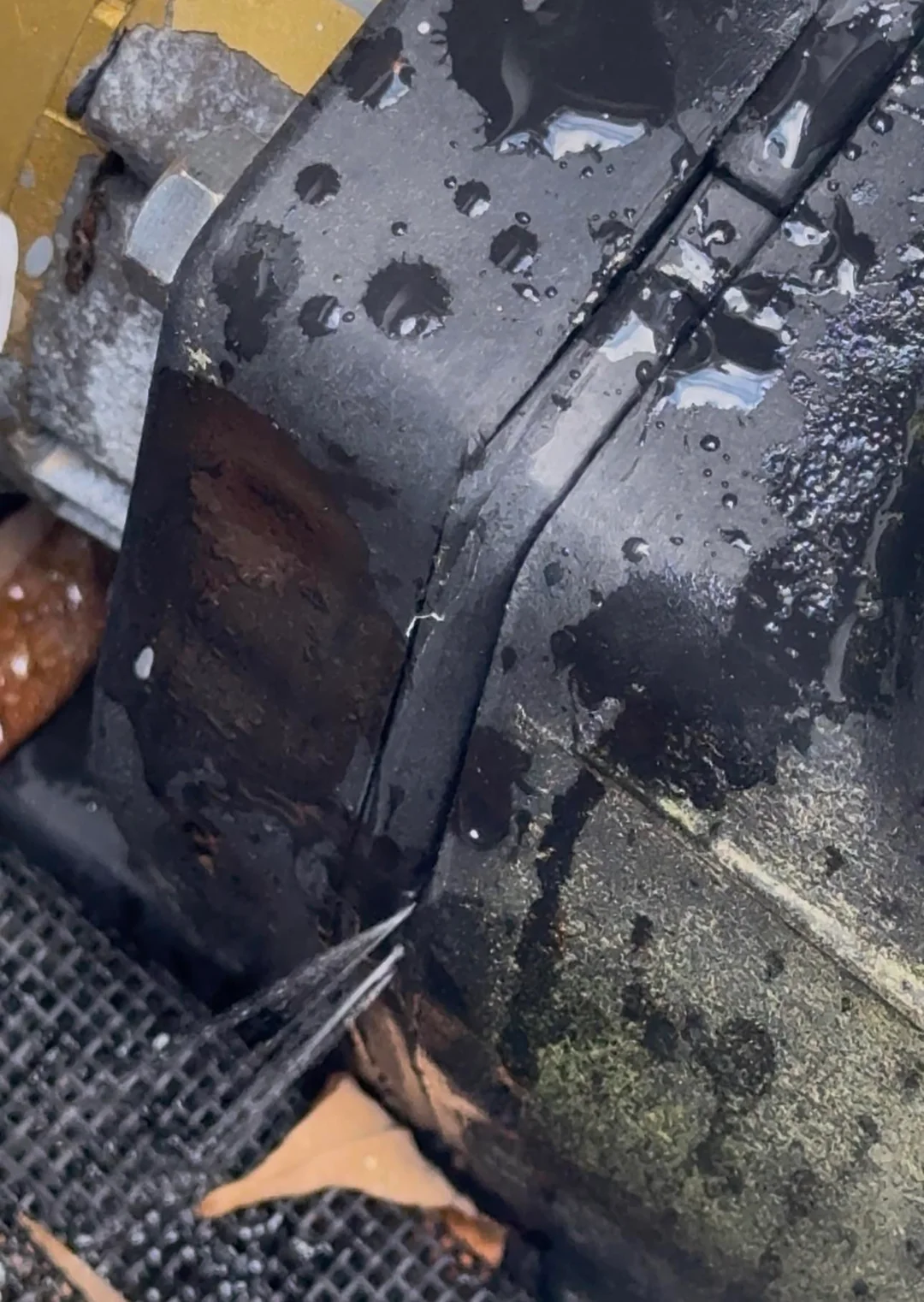
- New or widening cracks in the pool shell, steps, beam, coping, or surrounding deck.
- Pool sinking on one side, uneven waterlines, or a noticeable slope across the pool edge.
- Loose coping stones, separated tile, cracked mastic, or gaps between the deck and pool.
- Repeated need for pool crack repair in the same area.
- Water loss that continues after normal evaporation is ruled out.
- Soil washing away near plumbing runs, equipment pads, or the deep end wall.
A single crack does not always mean disaster. But when cracks combine with water loss, deck movement, or pool settling, it is time to take pool foundation problems seriously.
What Causes Pool Settling, Cracks, and Structural Damage?
The biggest mistake homeowners make is assuming every crack is simply age. Age can play a role, yes, but pool foundation problems are often a mix of water, soil, plumbing, drainage, and previous construction choices.
Common causes include:
- Expansive clay soil moving under the shell or deck during wet-dry cycles.
- Poor drainage that sends stormwater toward the pool instead of away from it.
- Undetected plumbing leaks that soften the soil supporting the pool.
- Improper compaction or backfill during original construction.
- Tree roots, erosion, or deck pressure pushing against vulnerable areas.
- Old repairs that patched symptoms but did not correct the real movement.
This is why pool foundation repair should start with diagnosis, not guesswork. If a technician only patches the crack but ignores the drainage pattern, leak source, or settlement area, the same pool foundation problems can return after the next heavy storm or dry summer.
Pool Leak and Foundation Damage: The Connection Homeowners Miss
A pool leak and foundation damage can feed each other. A leak can saturate soil, create voids, and reduce support around the pool. Movement can then crack plumbing, fittings, tile, or the shell, which causes even more water loss. It becomes an annoying loop.
The EPA Fix a Leak Week resource focuses on how leaks waste water inside and around homes, and the same mindset applies to pools: small leaks deserve attention. In DFW, especially during drought-prone summers, constant water loss should not be brushed off as “just evaporation.” Use PoolBurg pool calculators to think through pool volume, then compare that to how often you are refilling.
If the water level drops past the skimmer, if wet soil keeps showing up near the same wall, or if cracks appear near fittings, pool foundation problems may be part of the story.
What to Do Before Pool Foundation Repair
Before jumping into pool foundation repair, slow down and gather clues. A good inspection can help separate surface-level pool crack repair from deeper pool structural damage. Take photos, mark the waterline, note where cracks are growing, and pay attention after big rain events.
Here is a practical order for homeowners:
- Check the water level for 24–48 hours and compare it to expected evaporation.
- Look for wet soil, sunken decking, or active seepage around the pool.
- Inspect coping, tile, skimmers, lights, returns, and equipment plumbing.
- Schedule a professional evaluation if the same symptoms keep returning.
- Avoid draining the pool without professional guidance, because empty pools can be vulnerable to ground pressure.
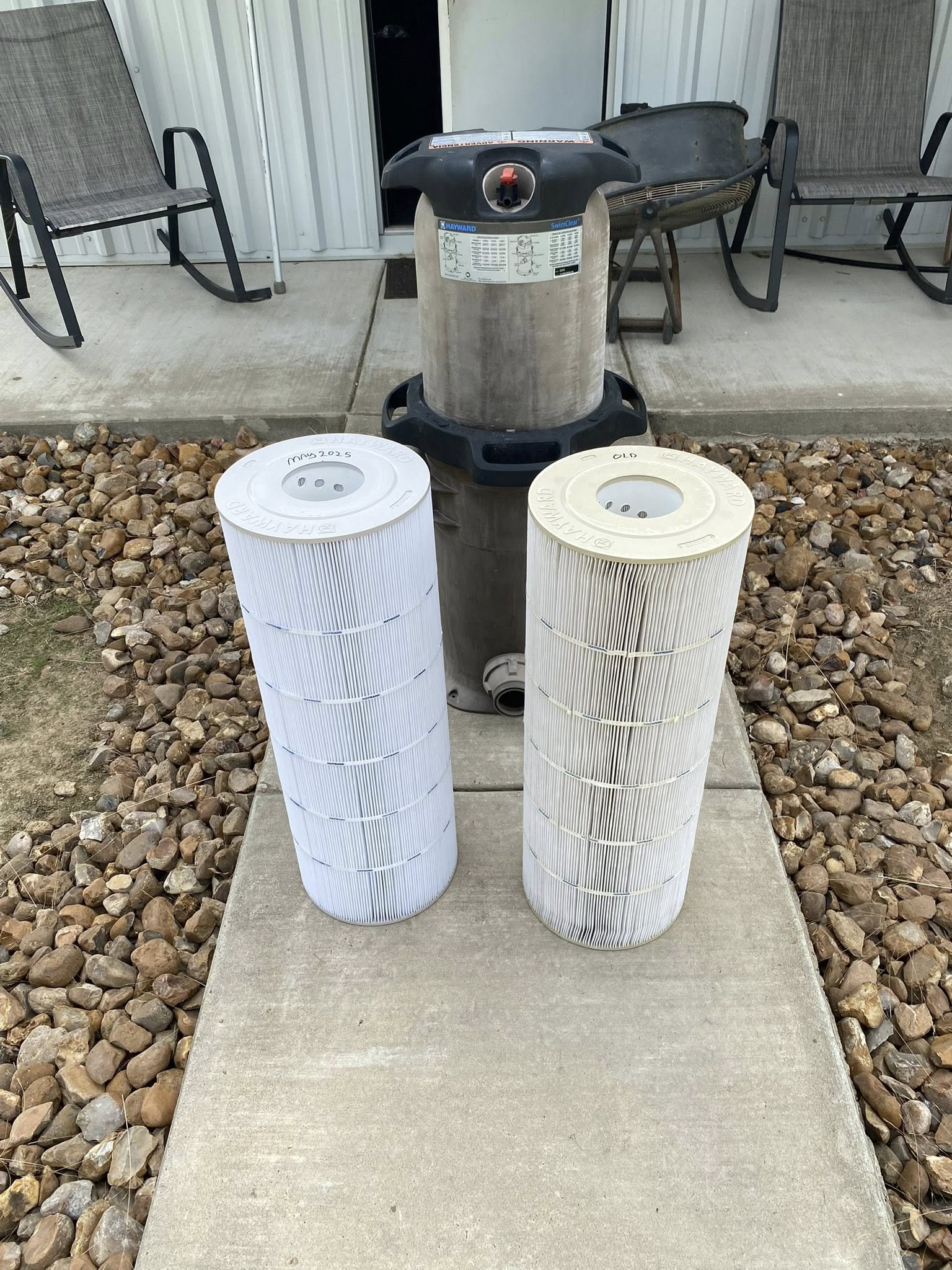
For equipment-related water loss or pressure issues, PoolBurg also handles pool filter repair and broader pool service questions that may affect circulation, pressure, and leak symptoms.
Quick Comparison: Cosmetic Crack vs. Structural Concern
| Issue | Cosmetic/Minor Clue | Possible Pool Foundation Problem |
|---|---|---|
| Cracks | Hairline surface crack that stays the same | Crack widens, leaks, or appears with deck movement |
| Water level | Loss matches weather and evaporation | Refilling often, wet soil, or water drops below fittings |
| Decking | Small surface wear | Sunken, hollow, lifted, or separated deck sections |
| Tile/coping | One loose piece | Long separation line or uneven waterline |
| Repair history | One simple patch holds | Pool crack repair fails repeatedly in the same spot |
When to Call PoolBurg
You do not have to diagnose pool foundation problems alone. Call PoolBurg when you see sinking, recurring cracks, strange water loss, uneven decking, or signs of pool structural damage. If you are buying a home with a pool, schedule a buyer pool inspection before the closing table gets too close. It is much easier to negotiate with facts than with a gut feeling.
And if you already own the home, do not wait for a small symptom to become a backyard headache. Whether the issue is pool settling, leak investigation, pool crack repair, equipment-related water loss, or full pool foundation repair planning, contact PoolBurg and get a clear next step. Pool foundation problems are serious, but catching them early can save money, protect your poolscape, and keep your DFW backyard from turning into a very expensive mystery novel.