
If you are a relocated pool owner in North Texas, welcome to the land of big backyards, hotter summers, sudden storms, and pools that do not behave the way they did back home. A homeowner who moved to DFW pool life often expects the same routine: skim a little, toss in chlorine, run the pump, call it good. Then Texas heat shows up and humbles everybody.
The truth is simple: being a relocated pool owner here is different. A new to Texas pool can lose chlorine faster, collect more debris after wind, and need more consistent circulation because the swim season stretches longer. Even the timing feels different. Around Dallas, Frisco, Plano, Allen, McKinney, and nearby cities, your pool may need attention almost year-round.

Why Pool Maintenance Is Different In Texas
The biggest adjustment is the weather. North Texas gets intense sun, quick temperature swings, and surprise storms that can dump leaves, pollen, dirt, and roof grit into the water overnight. The National Weather Service Dallas Fort Worth climate normals are a good reminder that this area runs warm for a long stretch of the year.
Warm water and sunlight affect sanitizer demand. The CDC recommends keeping pool water properly balanced, including safe sanitizer and pH levels. For a relocated pool owner, that means your old “once in a while” testing habit may not cut it anymore.
This is also where PoolBurg’s Weekly Pool Service can make life easier. Regular service helps with testing, balancing, cleaning, basket emptying, brushing, filter attention, and equipment checks.
Your First Texas Pool Checklist After Moving In
Before you settle into weekend grilling and cannonballs, walk the pool like a technician would. Start with the obvious stuff, then look at the equipment pad. Many relocated to DFW pool owner problems begin because nobody explained what each valve, timer, cleaner line, pump, salt cell, or filter does.
- Test chlorine, pH, alkalinity, calcium hardness, and stabilizer.
- Check how many hours the pump runs each day.
- Look for cloudy water, algae dust, scale, stains, or a strong chlorine smell.
- Empty baskets and check whether water flow looks strong at the returns.
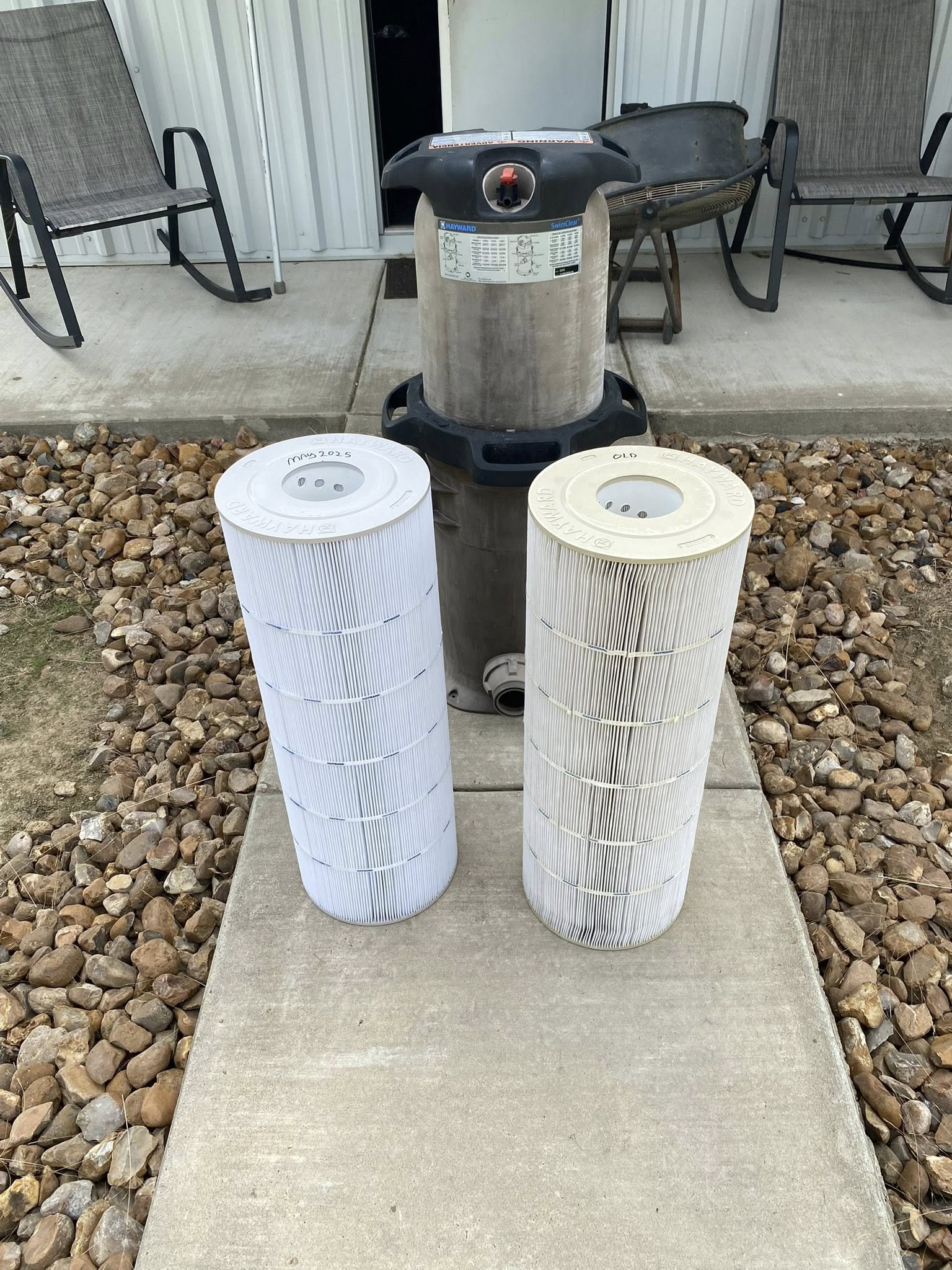
- Inspect the filter pressure and ask when the filter was last cleaned.
- Confirm whether the pool is chlorine, salt, automation controlled, or a mix of systems.
If anything looks confusing, do not guess your way through it. PoolBurg’s Pool Equipment Repair team can identify tired pumps, failing motors, automation problems, filter trouble, and plumbing concerns. That helps when pool maintenance different in Texas feels like learning a new language.

The Big Three Texas Pool Surprises
The first surprise is evaporation. A pool can lose water from heat, wind, splash-out, and normal use. If the level keeps dropping fast, that may be more than Texas weather. PoolBurg’s Pool Leak Detection service is worth considering when your water loss seems excessive or the equipment starts pulling air.
The second surprise is storm cleanup. A calm blue pool can become a leafy mess after one windy evening. That debris can eat up sanitizer, clog baskets, stain surfaces, and make the filter work harder.
The third surprise is equipment dependence. In Texas, your pump schedule, filter condition, cleaner performance, and automation settings matter. DFW pools need a smarter rhythm. If you inherited an older setup, PoolBurg’s Automation & Salt Conversions service may help simplify day-to-day care.
Should You Handle It Yourself Or Hire Help
DIY can work if you enjoy testing, brushing, cleaning filters, learning chemistry, and responding after storms. Hiring help makes sense when your schedule is full or your water keeps turning cloudy.
A good service company does more than skim. They can spot noisy pumps, weak suction, dirty filters, leaking valves, bad gauges, and water balance problems before the backyard becomes a weekend repair project. That is the real value for a moved to DFW pool owner.

How PoolBurg Helps New Texas Pool Owners
PoolBurg works with homeowners who are brand new to Texas pool ownership. If you are unsure what you have, start with a Pool Inspection. If your summer water feels too hot or your spa heater is acting up, check out Pool Heating and Cooling.
“A Texas pool is not harder because it is impossible. It is harder because it asks for consistency.”
The best advice for any relocated pool owner is this: do not wait until the water turns green. Get a baseline, write down equipment model numbers, learn normal filter pressure, and build a weekly routine that matches DFW weather.
Need help getting comfortable with your new backyard? Start with PoolBurg’s Services page or reach out through Contact Us. Your pool should feel like a bonus, not one more Texas-sized headache.