Where can I buy replacement parts for a pool pump? That question usually pops up right after the pump starts leaking, humming, losing prime, or refusing to turn on. The honest answer is that you can buy pool pump replacement parts online, from pool supply stores, or through a repair company, but buying the right part is the tricky part. Pool pumps are picky little machines. One wrong O-ring, impeller, capacitor, or shaft seal can waste money and still leave the pool down.
Common Pool Pump Replacement Parts
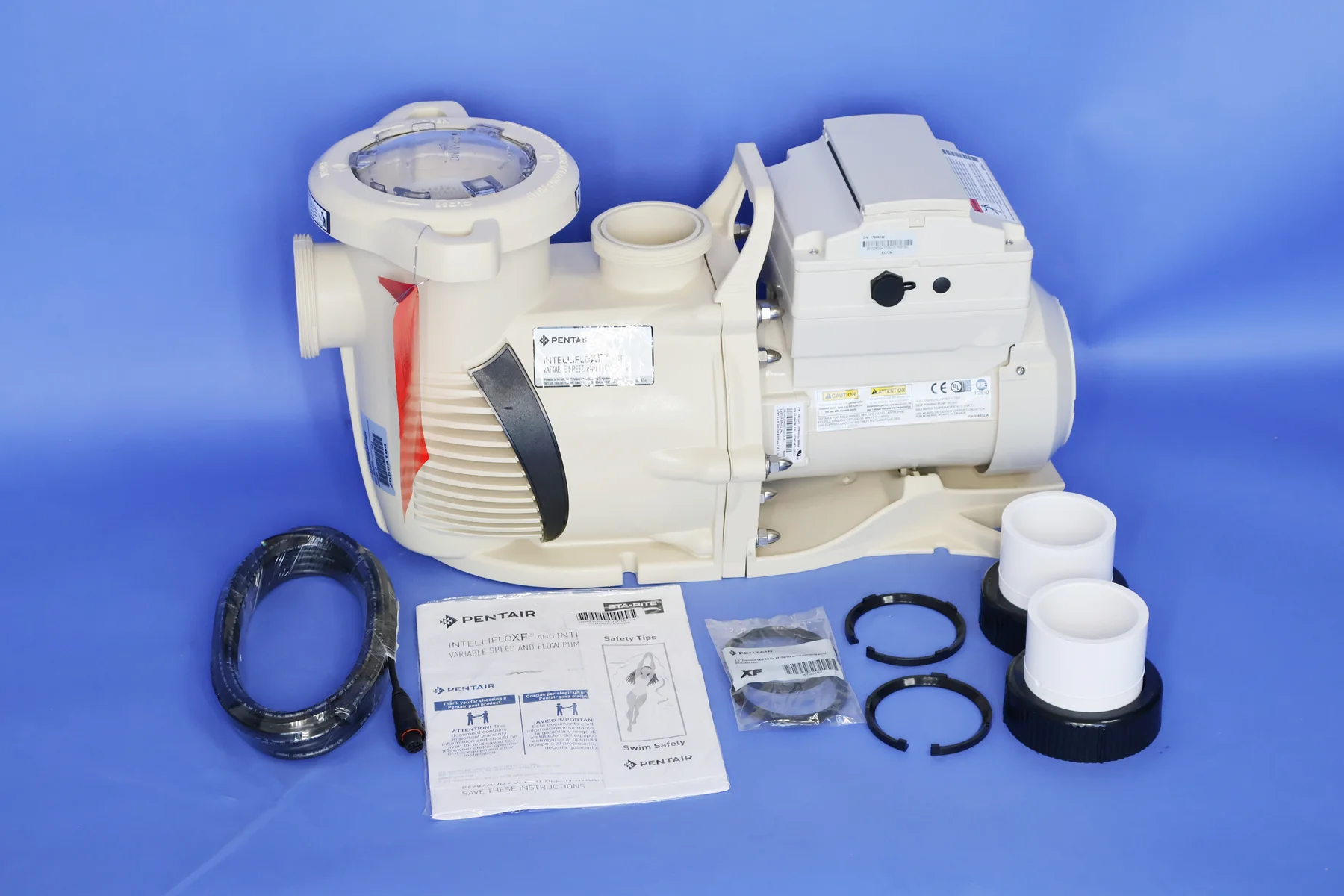
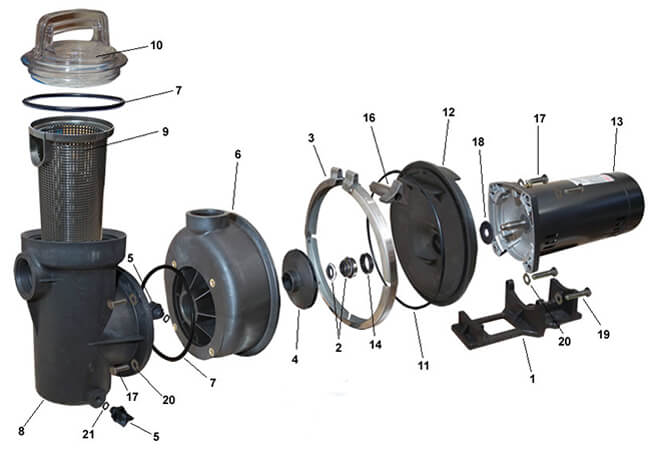
The most common pool pump parts include the lid O-ring, pump basket, diffuser, impeller, shaft seal, gaskets, capacitor, and motor. Some are simple wear items. Others are tied to the exact pump brand, model, horsepower, and voltage. A Pentair part does not automatically fit a Hayward pump, and a Jandy seal kit may only work on certain wet ends. That is why official manufacturer diagrams like Pentair pump parts sheets, Hayward replacement parts manuals, and Jandy pump replacement instructions matter. They help match the part to the actual equipment, not just a blurry photo online.
Why You Should Identify the Problem First
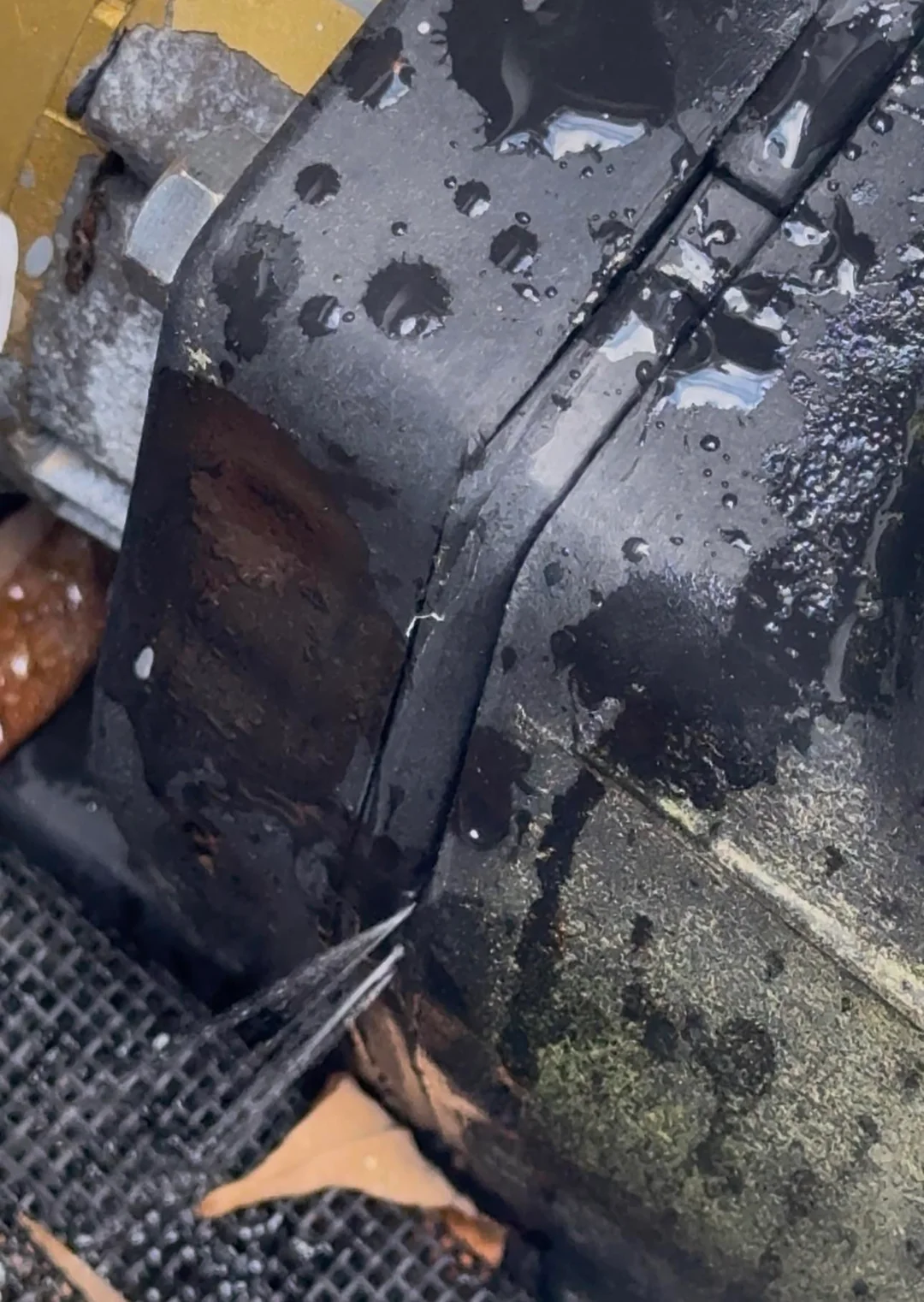
Pool pump replacement parts are not always worth buying before diagnosis. A leaking pool pump could be a shaft seal, a cracked housing, loose plumbing, or a bad lid gasket. A pump that will not start could be a capacitor, timer, breaker, automation issue, or a broken pool pump motor. A pump that hums might need a capacitor, or it might have a stuck impeller. That is the frustrating part: several failures can look almost the same from the homeowner side.
For DFW homeowners in Frisco, Plano, McKinney, Allen, The Colony, and Lewisville, the bigger issue is time. When a pool is down in summer, cloudy water can show up fast. Before ordering pool pump repair parts, PoolBurg recommends confirming what failed so you do not spend three days waiting for the wrong kit.
Parts That Are Usually Worth Replacing
Some pool pump parts are absolutely worth replacing when the diagnosis is clear. A dry or flattened lid O-ring can cause air leaks. A cracked basket can restrict flow. Missing drain plug gaskets can cause small leaks. Shaft seals are common repairs when water leaks between the motor and pump housing. A capacitor can be a smart repair if the motor is otherwise healthy.
These are the types of repairs where a good technician can save the pump instead of pushing a full replacement. If you are reading this because your pool pump won’t start or keeps humming, the right diagnosis matters more than guessing from a parts list.
Parts That May Not Be Worth Replacing
Not every part is worth chasing. Old motors, cracked pump housings, repeatedly failing wet ends, obsolete components, and parts for inefficient single-speed pumps can turn into a money pit. If the motor bearings are screaming, the seal plate is corroded, and the pump is already old, buying one more part may only delay the inevitable.
This is where repair vs replacement becomes a practical conversation. ENERGY STAR notes that certified pool pumps can offer major lifetime savings compared with older inefficient models, and their pool pump savings guidance is a good reminder that the cheapest repair today is not always the cheapest long-term decision. PoolBurg can also help compare repair against a variable speed pool pump upgrade when the old pump is costing too much to keep alive.
Brand and Model Matching Matters
Hayward, Pentair, Jandy, and Century motors all use model-specific parts. Even within the same brand, two pumps that look similar can use different seals, impellers, lids, or motor frames. Always check the model number on the pump housing or motor label before buying pool pump parts. If the label is sun-faded or missing, a technician can usually identify the pump by the wet end, basket housing, and motor configuration.
For brand-specific repairs, PoolBurg can help with Hayward pool pump repair, Pentair pool pump repair, and general pool equipment repair across North Texas.
Repair Parts vs Full Pump Replacement
A new O-ring or seal is usually reasonable. A full motor replacement on an old pump deserves a second look. Before buying expensive pool pump repair parts, consider the pump age, parts availability, labor cost, warranty, energy use, and whether the same failure has happened before. Sometimes the smart move is a small part. Sometimes the smarter move is replacing the pump once and moving on.
People Also Ask
Where can I buy replacement parts for a pool pump?
You can buy pool pump replacement parts from manufacturer parts dealers, local pool supply stores, online retailers, or through a pool repair company. The safest route is to match the exact brand and model first.
What parts usually fail on a pool pump?
Lid O-rings, shaft seals, capacitors, baskets, gaskets, impellers, and motors are the most common failure points.
Can I replace pool pump parts myself?
Simple baskets and O-rings are homeowner-friendly. Electrical parts, capacitors, motors, shaft seals, and impellers are better handled carefully or by a pro.
Is it worth fixing an old pool pump?
It depends on the motor, wet end, parts availability, and efficiency. If the pump is old and keeps failing, replacement may cost less over time.
What pool pump parts should be replaced most often?
O-rings, seals, baskets, gaskets, and capacitors are common replacement items, especially in Texas heat.
PoolBurg Can Help You Avoid the Wrong Repair Kit
If you are staring at a leaking pump, a humming motor, or a basket that will not stay full, PoolBurg can identify the exact failure before you buy anything. We help homeowners avoid wrong parts, wasted shipping, and repeat breakdowns. For fast help with pool pump replacement parts, repairs, or honest replacement guidance, contact PoolBurg and we will take a real look at the equipment before guessing.