Pool pump capacitor failure is one of those sneaky little problems that can make a perfectly decent pump look completely dead. The pump may hum, click, get hot, or refuse to start, and most homeowners immediately think the whole motor is gone. Sometimes it is. But many times, especially when the pump is humming but not starting, the pool pump motor capacitor is the first part worth testing before anyone talks you into a full replacement.
For PoolBurg customers around Frisco, Plano, McKinney, Allen, Prosper, Garland, Mesquite, and Wylie, this matters because a pump that sits down in Texas heat can turn clear water cloudy fast. A good diagnosis keeps you from overspending and helps protect your water, filter, and equipment pad. For related pump troubleshooting, see our guide on pool pump won’t start and our breakdown of pool pump motor burned out.
What Does a Pool Pump Capacitor Do?
A capacitor is a small electrical part that gives the motor the quick boost it needs to start spinning. Think of it like the push that gets the motor moving from a dead stop. Without that boost, the motor may have power but still not have enough starting torque to run.
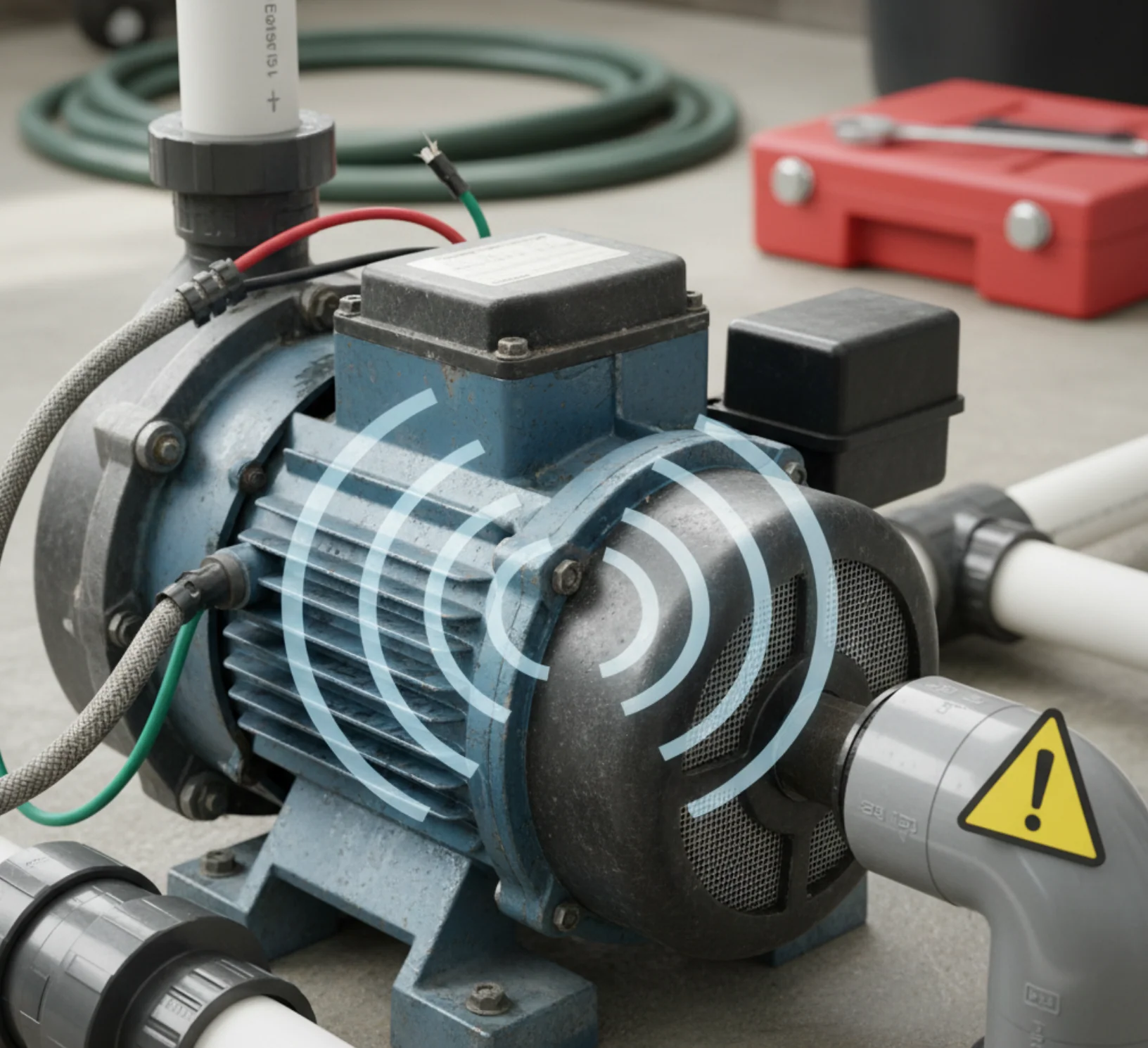
That is why pool pump capacitor failure often sounds like a low hum. The motor is trying, but it cannot quite get going. Some pumps have a start capacitor, some have a run capacitor, and some systems use both. If the wrong part is blamed, the repair gets expensive for no reason.
Signs of a Bad Pool Pump Capacitor
The most common sign of pool pump capacitor failure is a pump that hums but does not fully start. You may also notice clicking, a motor that starts sometimes and fails other times, a tripped breaker, or a pump that becomes hot after trying to start.
A pool pump humming sound should not be ignored. If the motor keeps trying to start without turning, it can overheat and move from a simple capacitor issue into a more expensive motor problem. That is why PoolBurg treats “pool pump not starting” calls as time-sensitive, especially during long summer run times.
Bad Capacitor vs Bad Motor
Here is the big difference: capacitor repairs are usually smaller, while motor failure can mean a motor replacement or full pump replacement. A bad capacitor can make the pump seem dead even when the motor is still healthy. A bad motor may smell burned, spin roughly, trip the breaker repeatedly, or fail even after the capacitor tests correctly.
That is why guessing is risky. Before replacing the whole pump, PoolBurg checks the electrical side, the motor sound, startup behavior, and the pump’s age. If the pump is older and inefficient, it may also be worth comparing repair against a newer variable-speed option. The ENERGY STAR pool pump guidance explains why certified pool pumps can use much less energy than conventional models.
What Causes Capacitors to Fail?
In North Texas, heat is a major reason pool pump capacitor failure shows up. Equipment pads bake in direct sun, motors run long hours, and electrical components do not love that combination. Age, moisture, voltage issues, power surges, and an overworked motor can also weaken a pool pump motor capacitor.
Other pool problems can add stress too. Clogged baskets, poor circulation, dirty filters, and a struggling motor all make startup harder. If your pump is already loud, slow to start, or running hot, the capacitor may be the first visible failure, not the only issue.
Can You Replace a Pool Pump Capacitor Yourself?
Technically, some handy homeowners can replace a capacitor. Practically, it is not the best “guess and hope” repair. Capacitors can hold an electrical charge even after the power is off, and the equipment pad is not the place to learn electrical safety by trial and error.
If you read DIY guides, you will see warnings about shutting power off and discharging the capacitor before touching terminals. The safest move is to have a qualified pool repair tech test it. PoolBurg can confirm whether the capacitor is bad, whether the motor is damaged, and whether the pump repair makes financial sense.
How PoolBurg Tests Pump Starting Problems
When PoolBurg checks a pump that is humming, clicking, or not turning on, we do not start by selling a new pump. We inspect the power supply, listen to the motor, check for heat or burning smells, look for moisture or corrosion, test the capacitor, and confirm whether the impeller is stuck.
If the issue is simple, we will say so. If the motor is already damaged, we will explain that too. And if the repair cost is getting close to replacement territory, we can walk you through options using the same honest repair-versus-replace logic we cover in our article on the cost to repair a pool pump. For homeowners trying to stay ahead of problems, regular weekly pool maintenance routine checks can catch odd sounds before the pump fully quits.

People Also Ask
How do I know if my pool pump capacitor is bad?
The most common sign is a pump that hums but does not start. You may also notice clicking, intermittent startup, overheating, or a breaker trip. A test is the only reliable way to confirm pool pump capacitor failure.
Why does my pool pump hum but not start?
Usually, the motor is getting power but cannot start. That can happen because of a bad capacitor, stuck impeller, low voltage, or failing motor. A pool pump humming but not starting should be checked quickly.
Can a capacitor stop a pool pump from running?
Yes. A failed capacitor can stop the motor from starting even when power is present. That is one reason a pool pump not turning on does not always mean the whole pump is bad.
Is it expensive to replace a pool pump capacitor?
It is usually much less expensive than replacing the whole pump, but the final price depends on the pump model, labor, access, and whether the motor has already been damaged.
Should I replace the motor if the capacitor fails?
Not automatically. If the motor is healthy, a capacitor replacement may solve it. If bearings, windings, seals, or the wet end are failing too, replacement may make more sense.
PoolBurg Can Test the Capacitor Before You Replace the Pump
Pool pump capacitor failure can be a small repair, but waiting too long can turn it into a bigger bill. If your pump is humming, clicking, overheating, or refusing to start, PoolBurg can inspect it before you spend money on the wrong fix. Contact PoolBurg and we will help you figure out whether you need a capacitor, a motor repair, or a smarter replacement plan.