Pool filter backwash sounds like one of those tiny maintenance chores you can do whenever you remember it, right? Not quite. A proper pool filter backwash helps your sand or DE filter flush out trapped dirt, pollen, dust, and dead algae so water can move freely again. But here is the tricky part: backwashing too late can leave your pool cloudy, while backwashing too often can waste water and reduce how well the filter catches fine particles. For DFW homeowners dealing with Texas wind, spring pollen, and surprise storms, timing matters.
What Does It Mean to Backwash a Pool Filter?
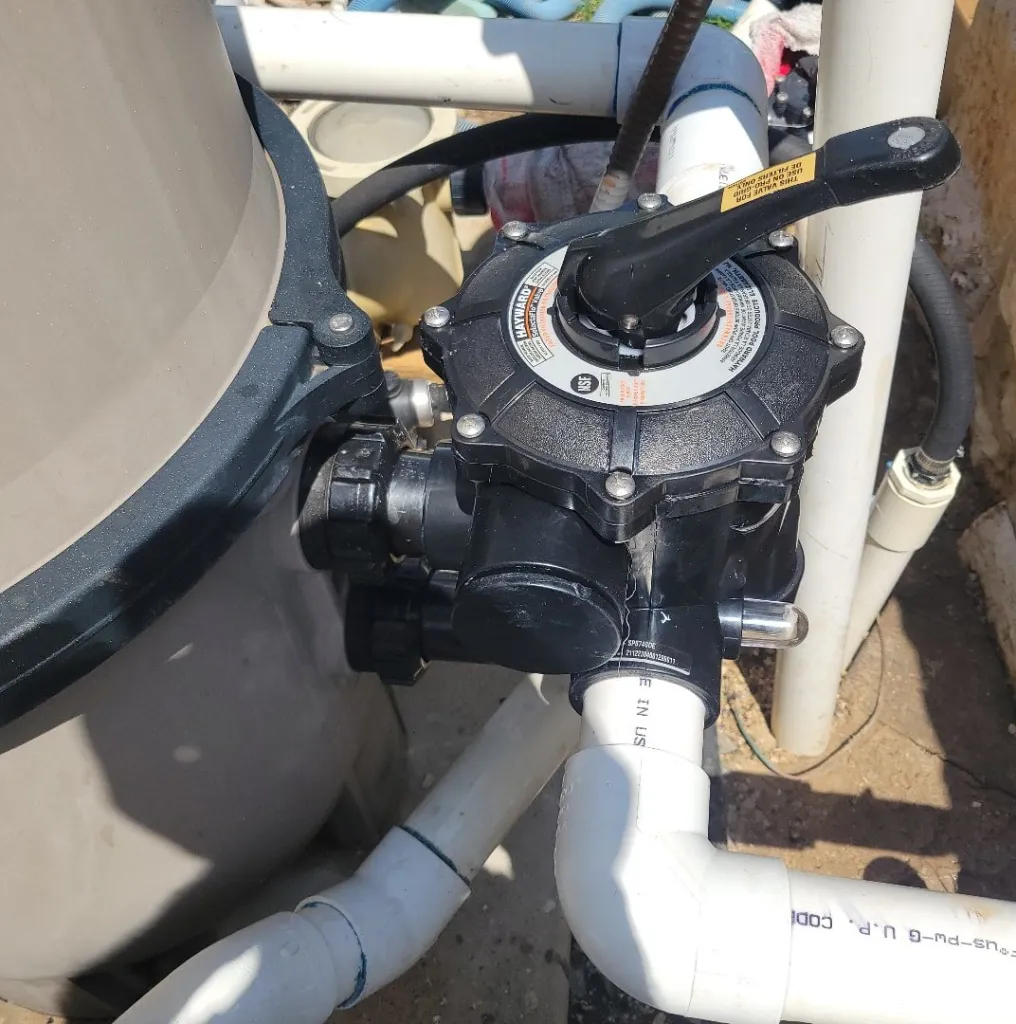
A pool filter backwash reverses the water flow through the filter so debris trapped inside the filter media gets pushed out through the waste line. It applies mostly to sand filters and DE filters. Cartridge filters are different because they are removed, rinsed, and cleaned instead of backwashed. If you are not sure which filter you own, that is a good reason to schedule a PoolBurg pool equipment inspection before guessing.
In simple terms, the filter is like the pool’s lungs. When it gets clogged, circulation gets weaker. Your pump works harder, return flow drops, and water clarity starts sliding downhill.

How Often Should You Backwash a Sand Filter?
The best pool filter backwash schedule is not “every Saturday no matter what.” It should be based on the pressure gauge, water flow, and what recently happened to the pool. Many sand filter manuals recommend backwashing when pressure rises around 6 to 10 PSI above the clean starting pressure. For example, Hayward ProSeries filter instructions reference backwashing when the gauge rises 6 to 8 PSI, while Pentair Sand Dollar filter guidance mentions the common 10 PSI rule.
You may also need to backwash pool filter systems after storms, heavy leaf debris, a big pool party, or algae cleanup. That is where local experience matters, because a pool in Garland under messy trees may need different timing than a newer pool in Prosper with very little shade.
Signs Your Pool Filter Needs Backwashing
- Filter pressure is noticeably higher than its clean baseline.
- Return jets feel weaker than normal.
- The pool turns cloudy even though chlorine and pH look decent.
- Vacuuming stirs up dirt but the water does not clear afterward.
- The pump sounds strained or circulation looks sluggish.
If several of those show up together, pool filter maintenance should move to the top of the list. Clear water depends on cleaning, chemistry, and circulation working as a team. The CDC home pool water testing guidance also points out the importance of keeping chlorine and pH in healthy operating ranges, because filtration alone will not sanitize water.
Can You Backwash Too Much?
Yes, and this is where homeowners get surprised. A sand filter can actually filter a little better when the sand bed has caught a small amount of dirt. If you backwash sand filter systems too often, you may waste water, lower the pool level, dilute chemicals, and interrupt that helpful filtration layer. Pool & Hot Tub Alliance maintenance guidance is a good general reminder that clean, balanced water is about the full system, not one isolated task.
The sweet spot is simple: backwash when the filter needs it, not because the calendar is yelling at you.
Backwashing vs Cleaning Cartridge Filters
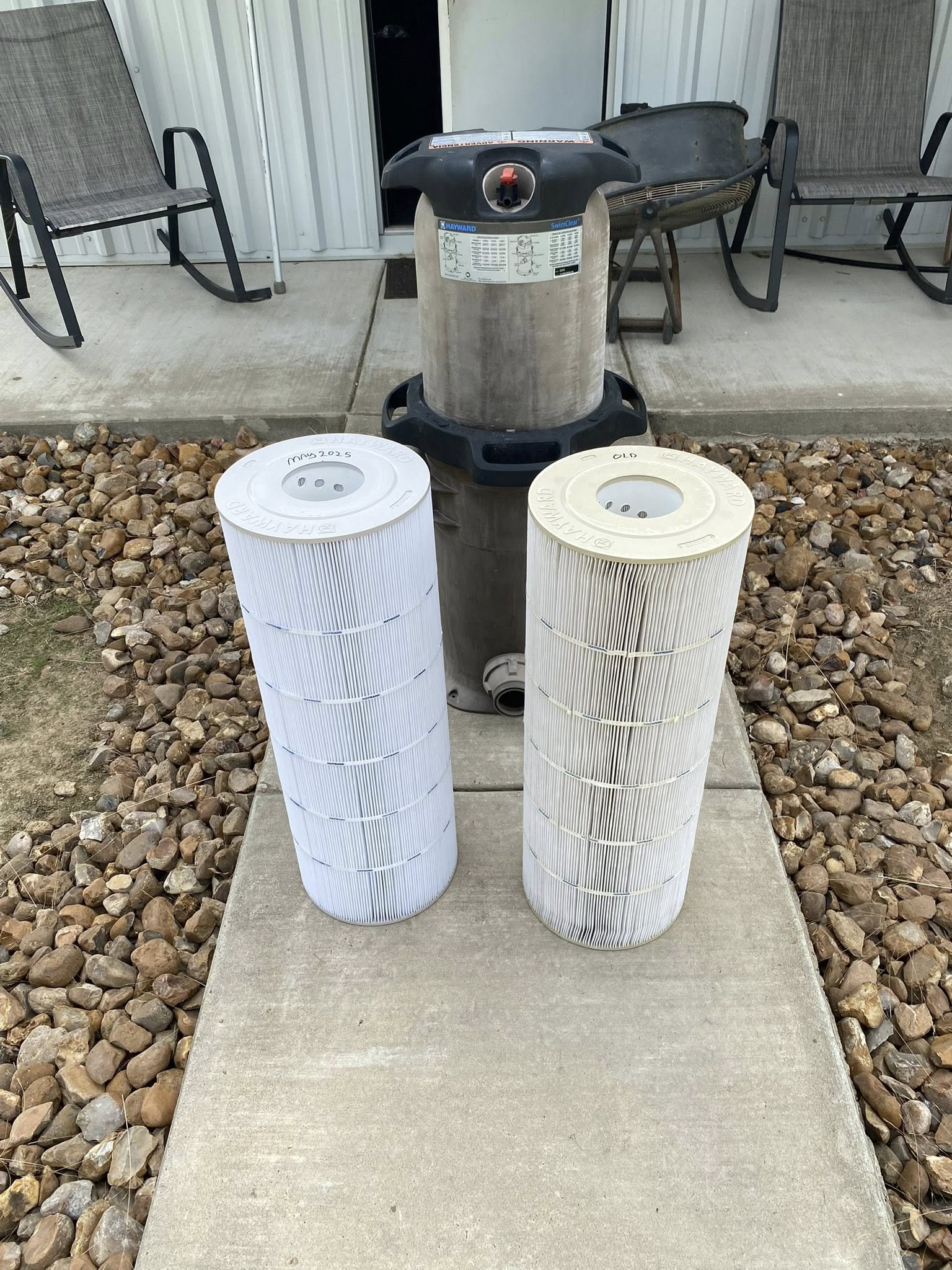
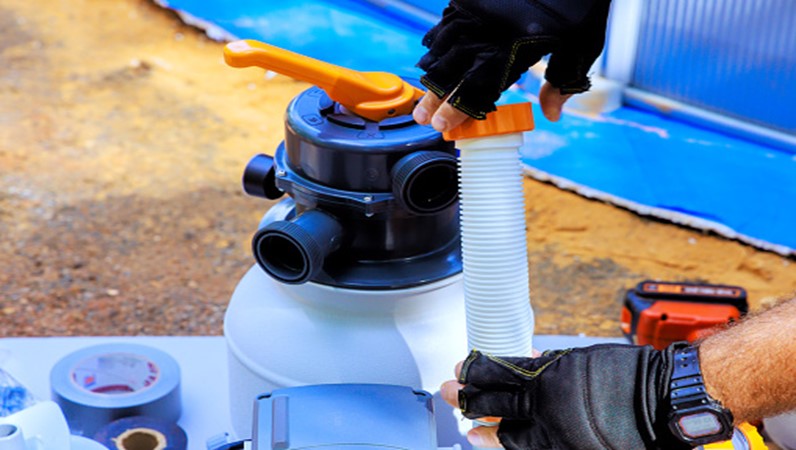
Sand filters get backwashed. DE filters may be backwashed and then recharged with DE powder. Cartridge filters are opened, the cartridges are removed, and the pleats are rinsed. If a homeowner tries to treat every filter the same way, they can damage parts or miss the real cause of cloudy water. That is why a regular weekly pool maintenance routine should include checking the filter type, pressure, and flow instead of only skimming leaves.
PoolBurg’s Filter Maintenance Approach
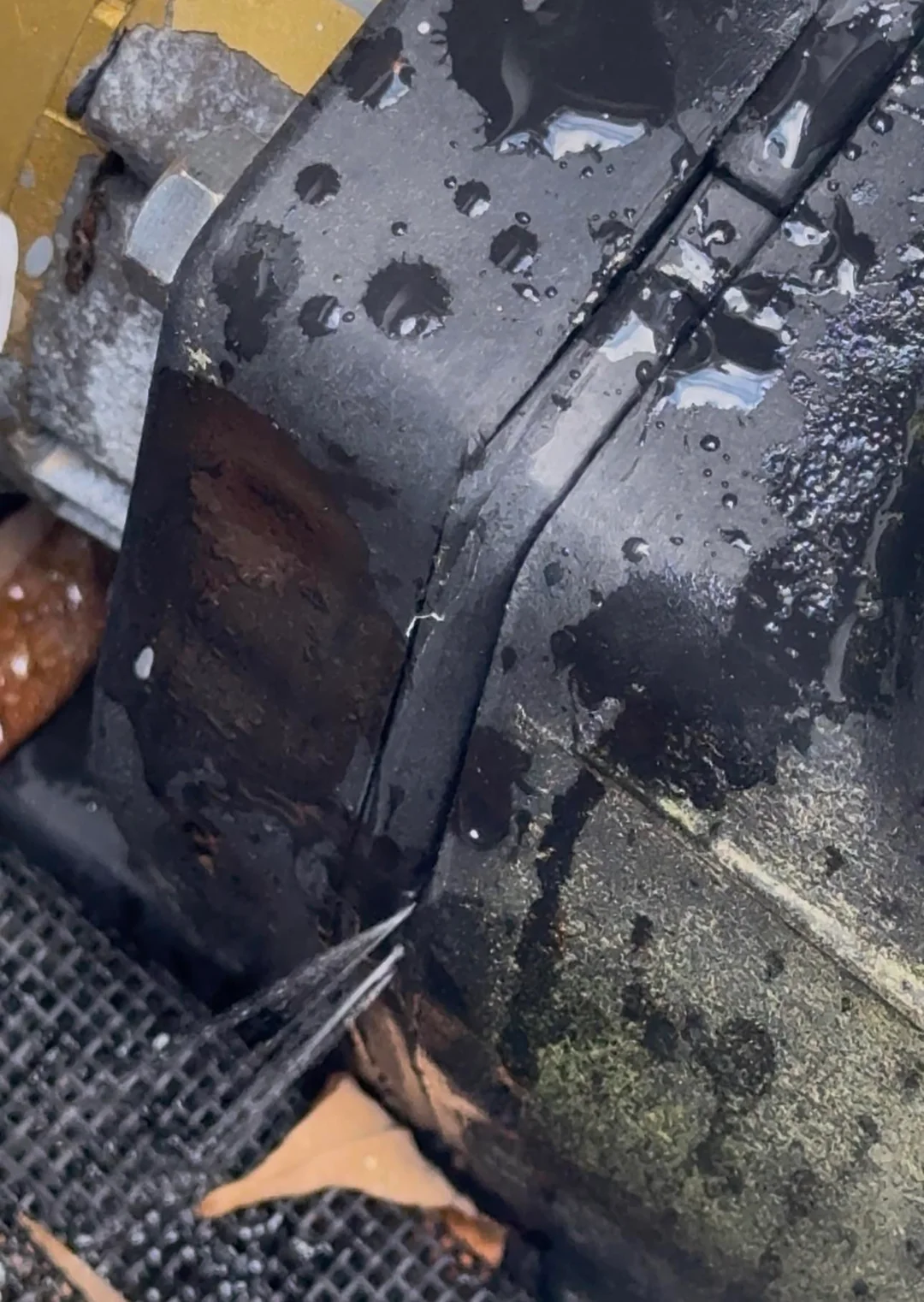
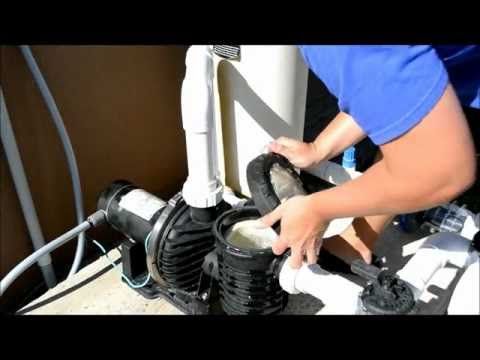
PoolBurg does not backwash blindly. We check the pressure gauge, compare it to the clean baseline, look at return flow, inspect the filter condition, and watch for signs of cracked manifolds, worn O-rings, bad grids, or old sand. If the issue is really chemistry, we say that. If the filter needs service, we handle it before the pool becomes a cloudy mess.
That approach matters in Plano, Garland, Mesquite, Carrollton, Farmers Branch, Keller, and across DFW, where storm debris, pollen, dust, and heavy summer use can push a filter hard. A smart pool filter backwash plan is one of the easiest ways to protect water clarity and avoid spending extra later on cleanup.
People Also Ask
How often should you backwash a sand pool filter?
Most sand filters should be backwashed when pressure rises about 6 to 10 PSI above the clean starting pressure, or after major debris, algae cleanup, or storms. The exact timing depends on your filter and pool conditions.
What happens if you do not backwash your pool?
Water flow can weaken, pressure can rise, and the filter may stop clearing the water well. Over time, that can lead to cloudy water, poor circulation, and extra strain on the pump.
Can you backwash a pool too much?
Yes. Too much pool filter backwash can waste water, dilute chemicals, and keep a sand filter from developing the slightly dirty layer that helps catch fine particles.
Why is my pool cloudy after backwashing?
Cloudiness after backwashing may come from chemistry issues, algae, old filter media, a damaged filter part, or skipping the rinse step after backwash.
How do I know what type of pool filter I have?
Check the label on the tank or ask a pool technician. Sand, cartridge, and DE filters look different and require different maintenance.