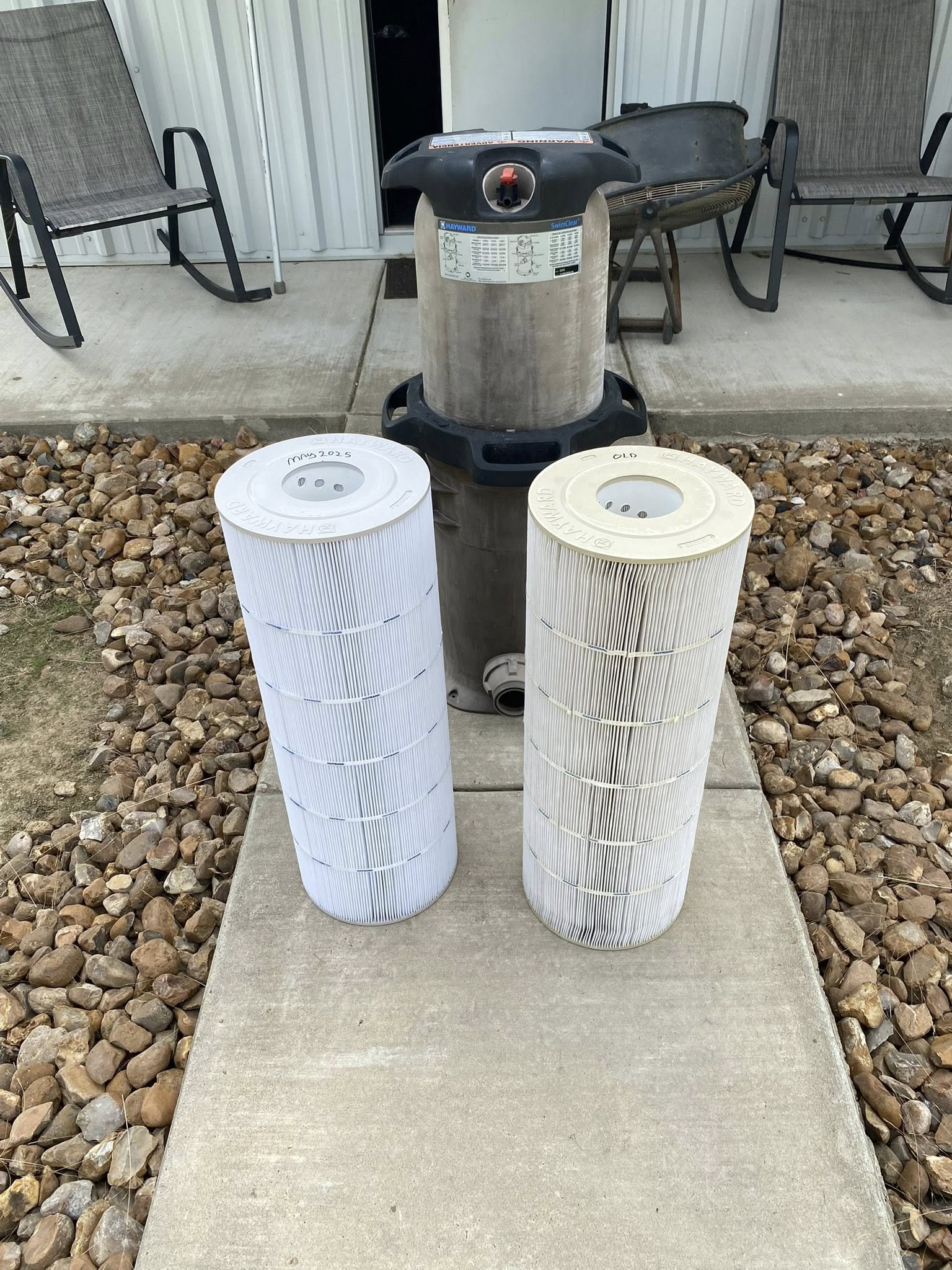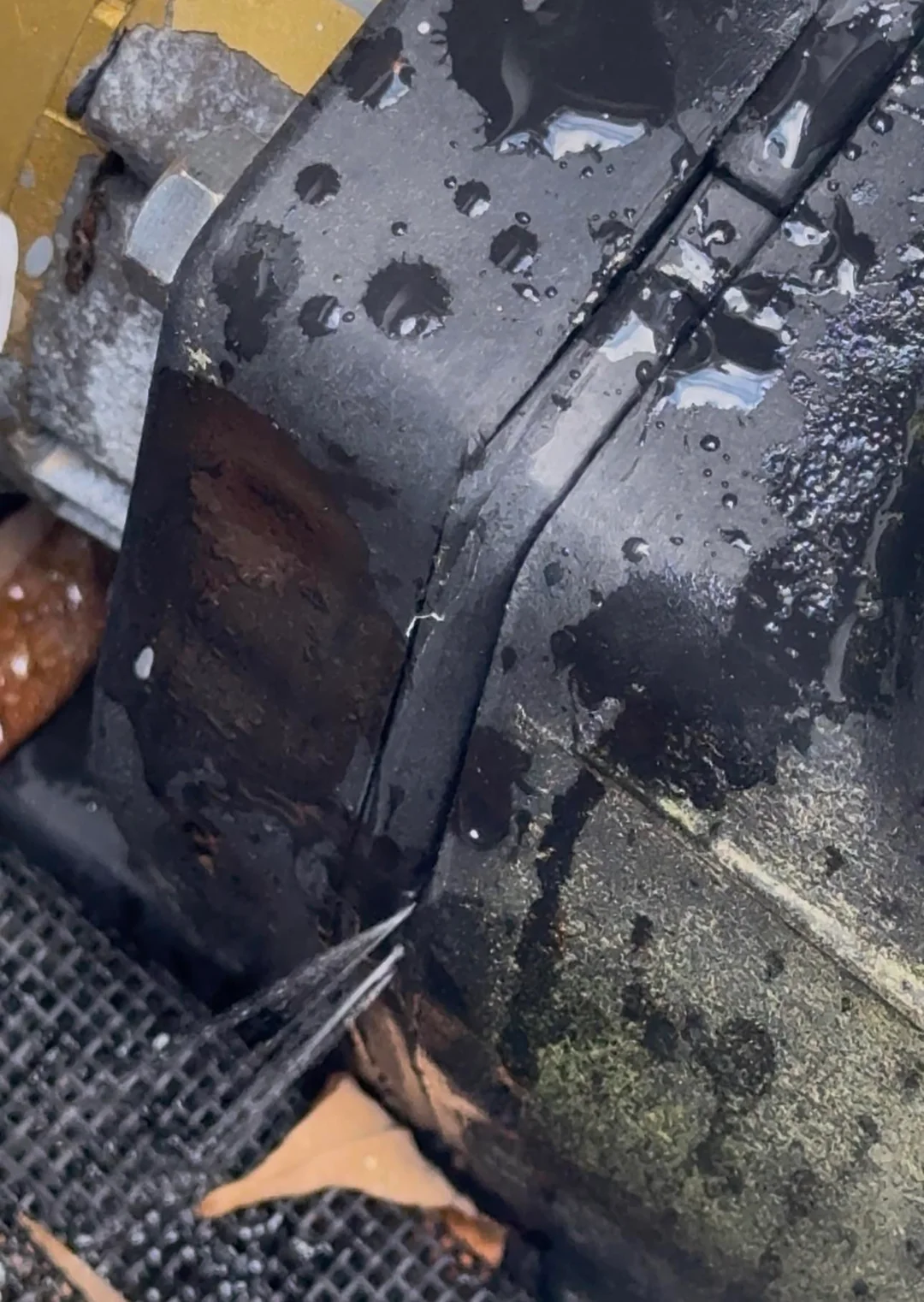
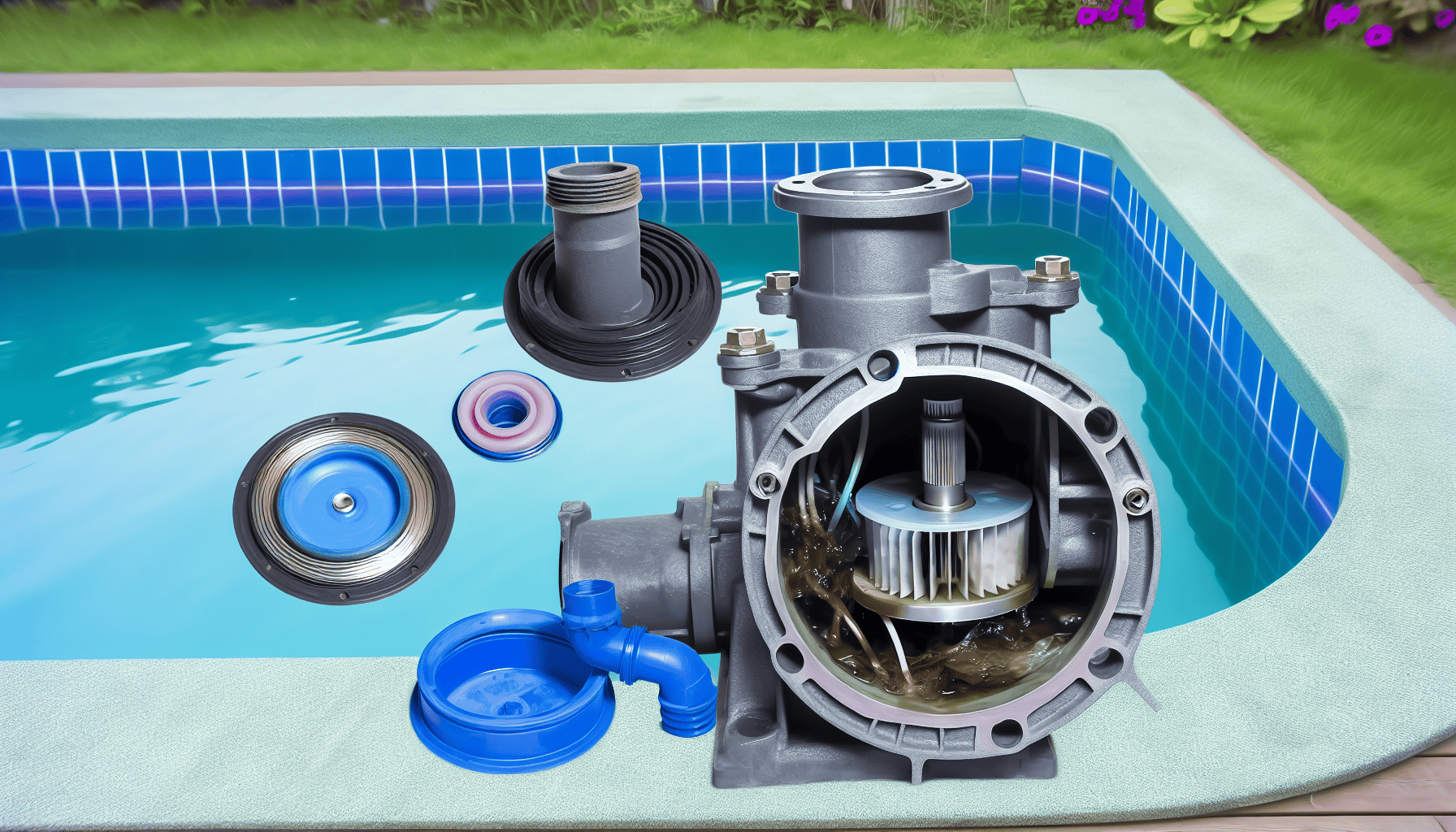
Faulty pool pump signs usually show up before the pump completely quits. The trick is catching them while the fix is still simple. If you hear a new screech, see water around the equipment pad, notice weak return jets, or smell something hot near the motor, your pool is trying to tell you something. And in North Texas, where summer heat can turn weak circulation into cloudy water fast, waiting too long can get expensive.
Why Pool Pump Problems Should Not Be Ignored
Your pool pump is the heart of the circulation system. It pulls water from the pool, pushes it through the filter, and helps return cleaner water back to the pool. When the pump is struggling, water clarity, chemical balance, and sanitation all start fighting uphill. The CDC notes that pool water treatment depends on proper disinfectant and pH control, and those things work better when water is actually moving.
That is why faulty pool pump signs should not be treated like background noise. A small leak can damage a motor. A humming pump can burn out if it keeps trying to start. A weak pump can leave debris, algae, and sanitizer dead spots around the pool.
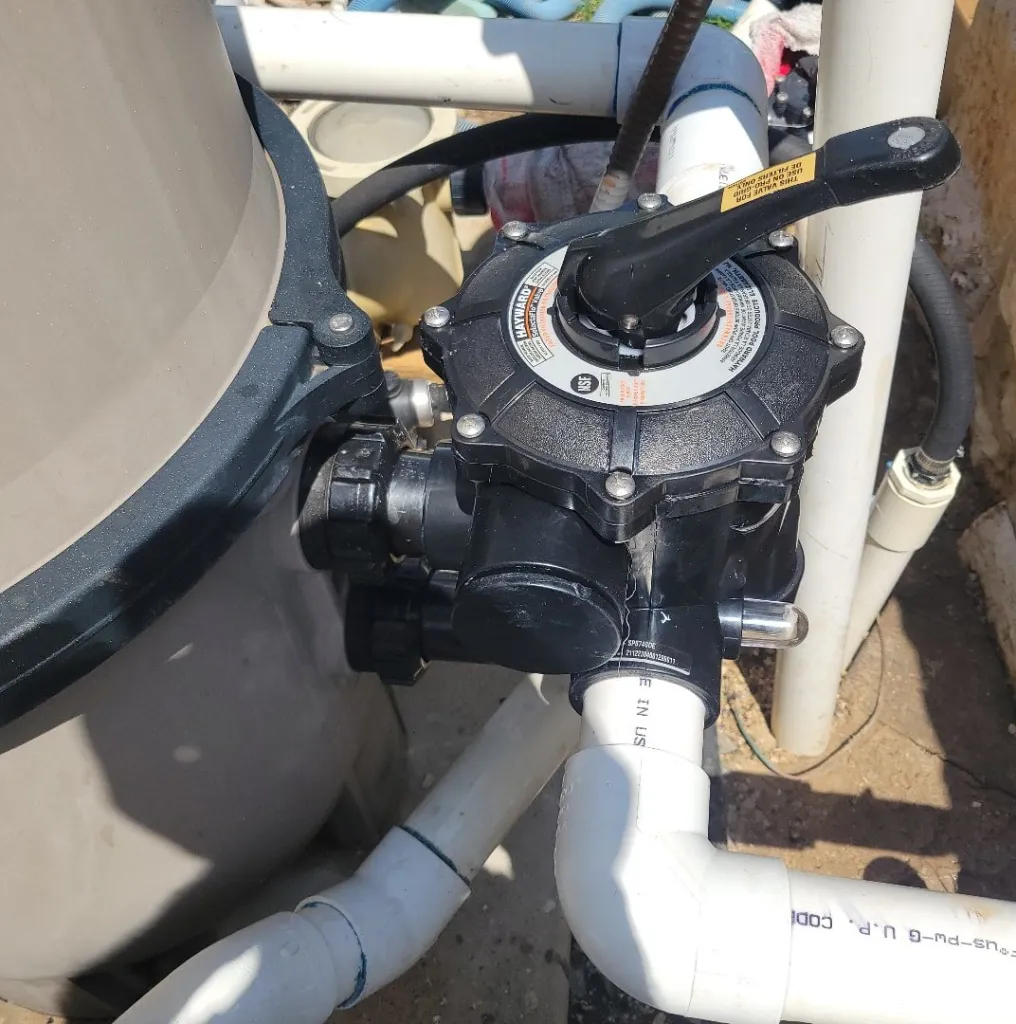
The Most Common Faulty Pool Pump Signs
The most common faulty pool pump signs are easy to notice once you know what “normal” looks and sounds like. A healthy pump should run with a steady sound, consistent water movement, and no obvious leaks. Bad pool pump symptoms usually include loud grinding, screeching, rattling, humming without starting, weak suction, air bubbles in the pump basket, water leaks, low flow from returns, overheating, or a breaker that keeps tripping.
Weak water flow is one of the biggest clues. If your skimmer is barely pulling debris or the return jets feel lazy, the issue may be a clogged basket, dirty filter, blocked impeller, valve problem, or failing motor. For safety, always shut power off before opening equipment. Pentair’s service guidance also emphasizes confirming that no power is going to the system before maintenance is attempted, which is smart advice around any pump equipment.
Signs the Pump Motor Is Failing
A pool pump motor problem often sounds worse than it looks at first. The motor may hum but not spin, shut off randomly, run hotter than usual, smell like burning insulation, or make a high-pitched bearing noise. If the pump only hums, the start capacitor, jammed impeller, or seized motor may be involved.
Breaker trips deserve extra caution. A pump that repeatedly trips a breaker may have an electrical fault, moisture issue, failing winding, or overload problem. This is not the moment for guesswork. Turn the system off and let a qualified pool technician or electrician inspect it.
Signs the Wet End or Plumbing Has a Problem
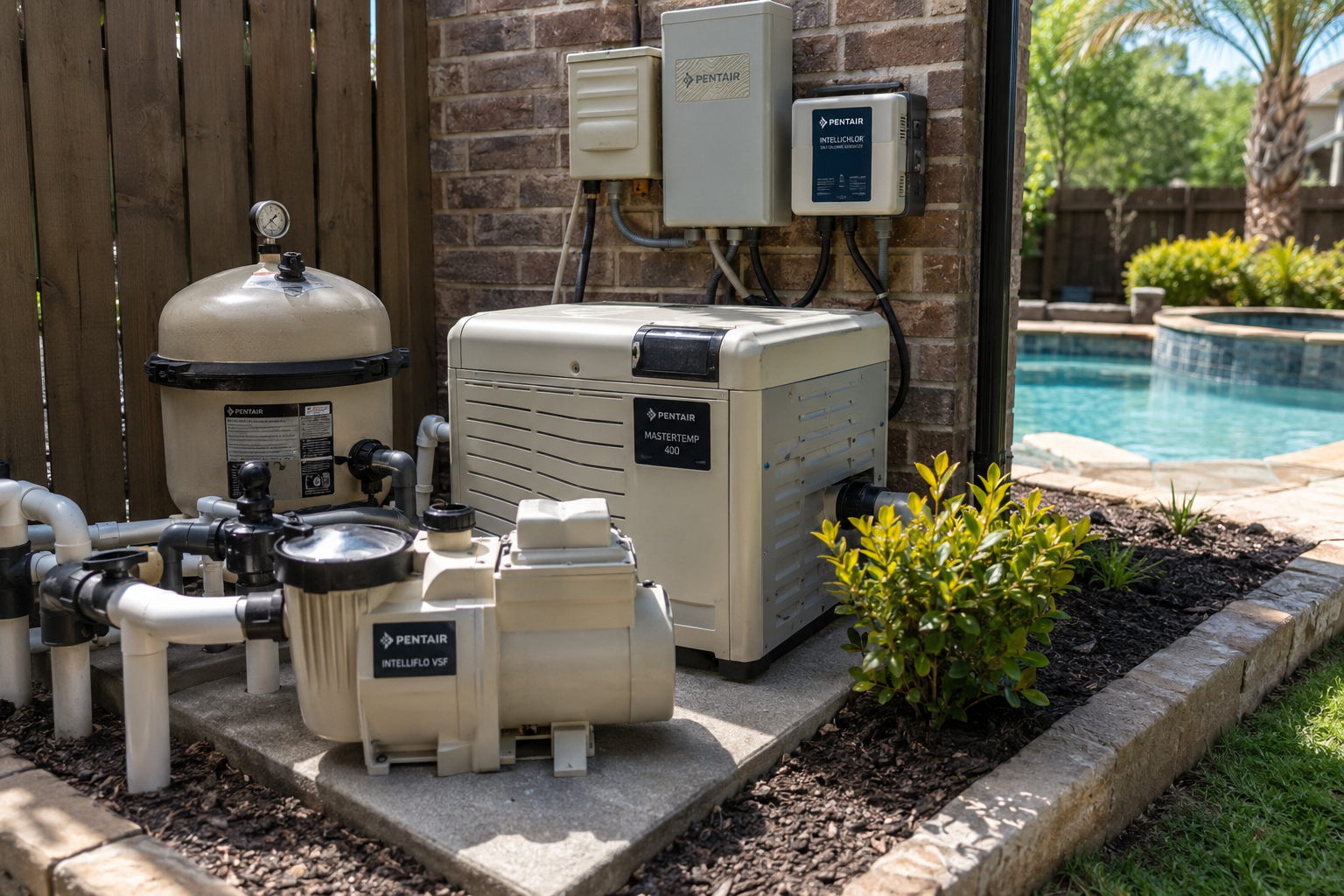
Not every pump issue is the motor. The wet end, lid, seals, O-rings, and plumbing can also create faulty pool pump signs. Look for water leaking around the pump housing, a cracked lid, air in the basket, poor suction, or bubbles returning to the pool. Air leaks on the suction side can make the pump act weak even when the motor is still fine.
This is where pool pump troubleshooting gets tricky for homeowners. A pump can sound okay but still move water poorly because the lid seal is bad, the pump basket is packed, the impeller is clogged, or a valve is partly closed.
When a Faulty Pump Can Be Repaired
Some faulty pool pump signs point to repairs instead of replacement. A bad capacitor, worn shaft seal, dry O-ring, clogged impeller, minor plumbing leak, or cracked lid may be fixable. PoolBurg often checks these first because nobody wants to replace a pump when a smaller repair makes more sense.
For homeowners in Southlake, Grapevine, Keller, Las Colinas, Carrollton, Farmers Branch, and Addison, catching these signs early can prevent an emergency service call during a hot week.
When a Faulty Pump Should Be Replaced
Replacement starts making more sense when the pump is old, inefficient, repeatedly failing, cracked, badly corroded, or built with parts that are hard to find. If you still have an older single-speed pump, an upgrade may also reduce energy waste. ENERGY STAR explains that certified pool pumps can run at different speeds to match the job, and the U.S. Department of Energy pool pump guidance also points homeowners toward more efficient pump choices.
PoolBurg can inspect the pump, check for a pool pump motor problem, compare repair costs against replacement, and recommend repair only when repair makes sense. No scare tactics. No replacing parts blindly. Just a clear answer before your pool turns cloudy or green.
People Also Ask
What are the signs of a faulty pool pump?
Common faulty pool pump signs include loud noise, weak flow, leaks, air bubbles, overheating, humming without starting, low suction, and breaker trips.
How can you tell if your pool pump is going bad?
You can usually tell by changes in sound, water movement, temperature, pressure, and reliability. A pump that gets louder, hotter, weaker, or less consistent needs inspection.
Can a pool pump motor be repaired?
Yes, sometimes. Capacitors, bearings, seals, and some wiring issues may be repairable, but a burned-out motor or badly corroded unit may need replacement.
Is it worth fixing a pool pump?
It depends on the pump age, repair cost, energy efficiency, and whether the same problem keeps coming back. A newer pump with a simple seal issue is often worth repairing.
What happens if a pool pump stops working?
Water stops circulating properly. Chemicals do not spread evenly, debris sits longer, filtration slows down, and algae can take hold quickly in Texas heat.
How long does a pool pump usually last?
Many pump motors last several years with good maintenance, but heat, poor ventilation, leaks, electrical issues, and running dry can shorten that lifespan fast.
PoolBurg Helps You Catch Pump Problems Before They Get Expensive
If your pump is noisy, leaking, weak, humming, overheating, or acting unpredictable, PoolBurg can inspect it before a small issue becomes a full breakdown. We help with pool pump replacement, broken pool pump motor, pool pump humming, pool equipment repair, and emergency pool pump repair support across the DFW area.
If your pump sounds different or your water flow suddenly feels weak, contact PoolBurg and let us find out whether the fix is simple, urgent, or ready for replacement.