Pool pump suction loss can make a normal backyard pool feel like it suddenly forgot how to breathe. One day the water is moving fine, and the next day the return jets feel weak, the pump basket has bubbles, or the skimmer barely pulls a leaf. For Frisco, Plano, McKinney, Allen, The Colony, Lewisville, and Prosper homeowners, this is not something to ignore for long. In DFW heat, weak circulation can push a clear pool toward cloudy or green water faster than most people expect.
What Pool Pump Suction Loss Means
In simple terms, pool pump suction loss means the pump is no longer pulling water from the pool as steadily as it should. The pump needs a solid, airtight pull from the skimmer and suction lines so it can send water through the filter, heater, chlorinator, and returns. If that pull gets interrupted by air, debris, low water, or a plumbing issue, the whole system starts acting tired.
That is why a pool pump suction problem often shows up as poor filtering first. Chemicals do not spread evenly. Debris hangs around longer. The filter pressure may drop or bounce around. PoolBurg’s guide to pool circulation problems is useful here because suction is one half of the circulation story. If the pump cannot pull water in, it cannot push clean water back out.
Signs Your Pool Pump Is Losing Suction
The tricky part is that pool pump suction loss does not always look dramatic at first. Sometimes the pump still runs, but it is quietly struggling. Watch for these signs:
- Weak return jets or low water movement in the pool.
- Air bubbles inside the pump basket or coming from the return jets.
- The pump basket not filling completely with water.
- Filter pressure that is lower than normal or acting strange.
- The skimmer not pulling debris like it normally does.
- A pool pump losing suction after it shuts off overnight.
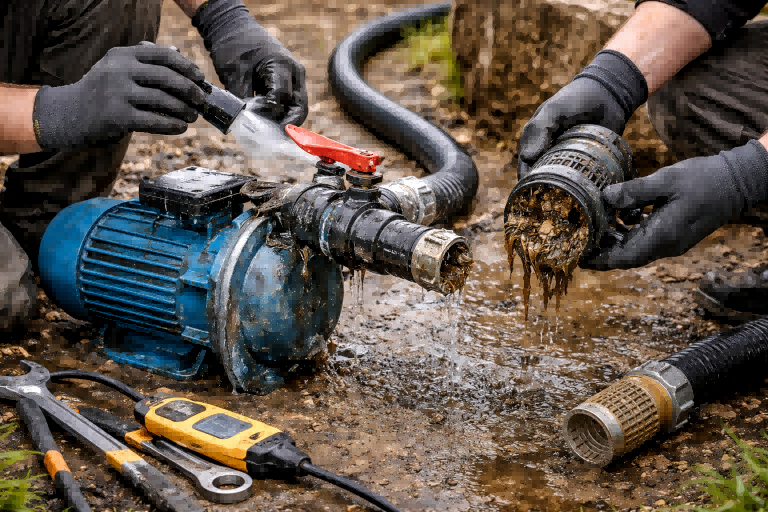
If the pump is running but the pool pump is not pulling water, start with the easy checks before assuming the worst. PoolBurg’s pool pump not working article walks through broader pump troubleshooting, but suction issues usually point toward water flow, air leaks, baskets, or seals.
Common Causes of Pool Pump Suction Loss
Most pool pump suction loss starts with something small. Low water level is a big one. If the water drops below the skimmer opening, the pump can pull air instead of water. Pentair warns that low water can cause a pump to lose prime and run dry, which can damage seals and other components.
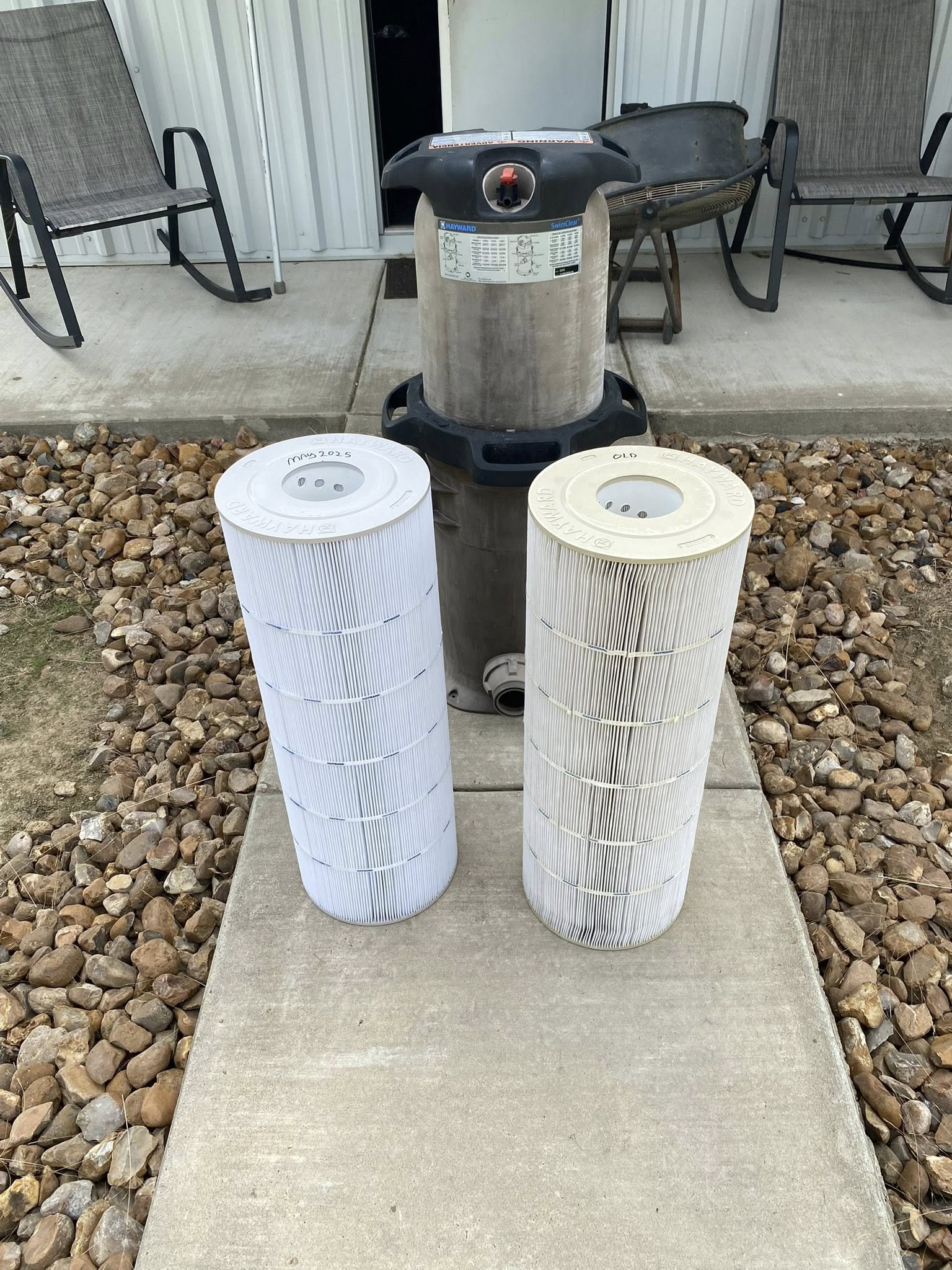
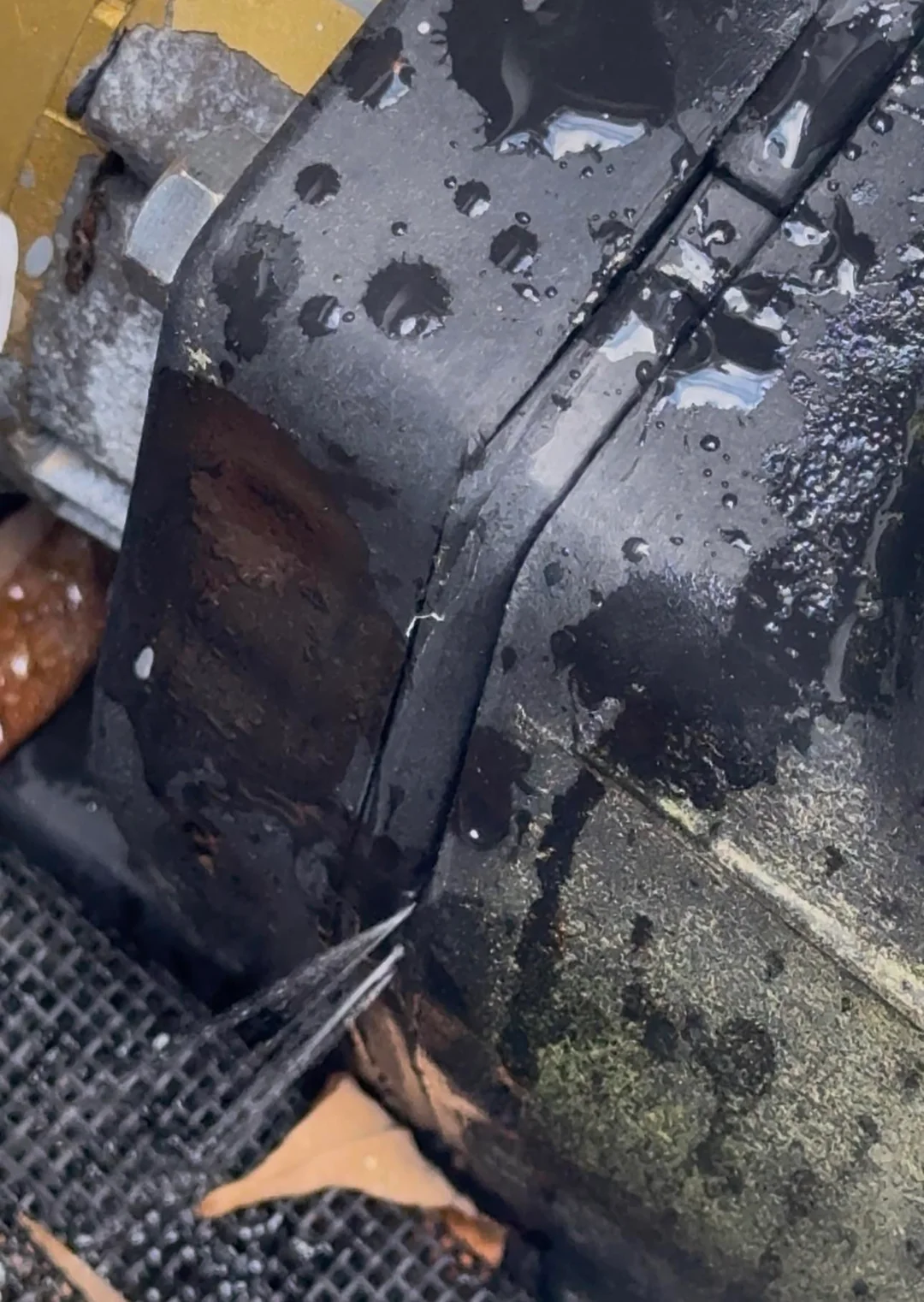
A full skimmer basket, full pump basket, dirty filter, or stuck skimmer weir can also choke water flow. Hayward’s pump guidance points to suction-side air leaks, line obstructions, and impeller issues as common reasons a pump will not fill with water. A cracked pump lid, flattened lid O-ring, loose drain plug, bad valve seal, or leaking suction-side fitting can let air sneak in without leaving an obvious puddle. That is the annoying part. Air can enter the suction side even when you do not see water leaking out.
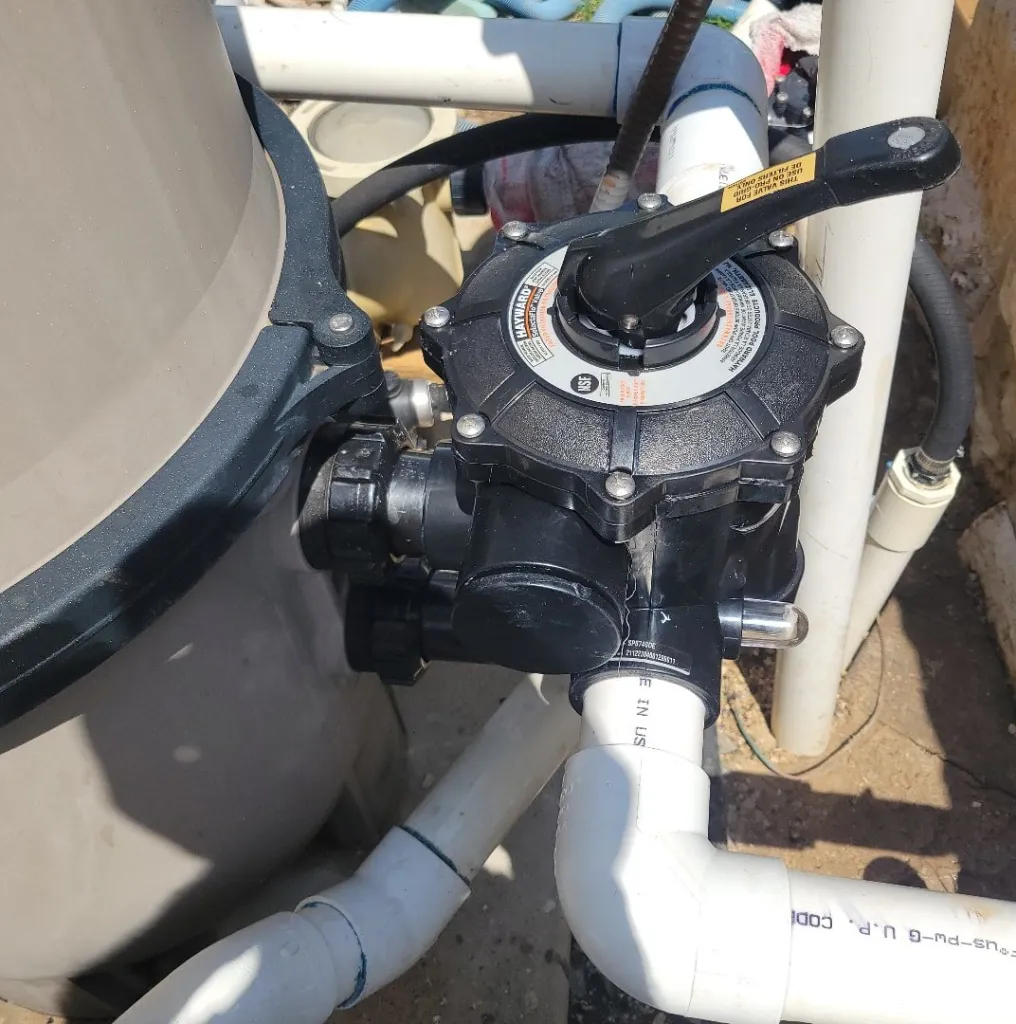
Valves matter too. A sticky diverter, worn stem O-ring, or cracked valve body can create a hidden pool pump suction problem. When that happens, PoolBurg may inspect the valve system and recommend pool valve replacement only if a simpler seal or adjustment will not fix it. If the issue is deeper in the plumbing, PoolBurg’s pool pipe repair service may be the better path.
Is Suction Loss the Same as a Priming Problem?
They are closely connected, but not exactly the same. Priming is the pump filling with enough water to start moving water properly. Pool pump suction loss is the weak pull that may cause priming trouble, poor flow, or air bubbles after the pump is already running. A pump can prime at first and still lose suction later if air slowly gets into the system.
So if your pool pump losing suction problem keeps returning after you refill the pump basket, do not keep repeating the same ritual and hoping it behaves. PoolBurg’s pool pump priming problems guide explains why repeated priming trouble often points to a real air leak, valve issue, or plumbing restriction.
Why Suction Loss Gets Worse in Texas Heat
Texas heat is brutal on weak circulation. When pool pump suction loss reduces water movement, chemicals do not mix properly and warm, stagnant spots become algae-friendly. The CDC explains that proper pool water treatment depends on maintaining disinfectant and pH levels, but those chemicals still need circulation to reach the whole pool.
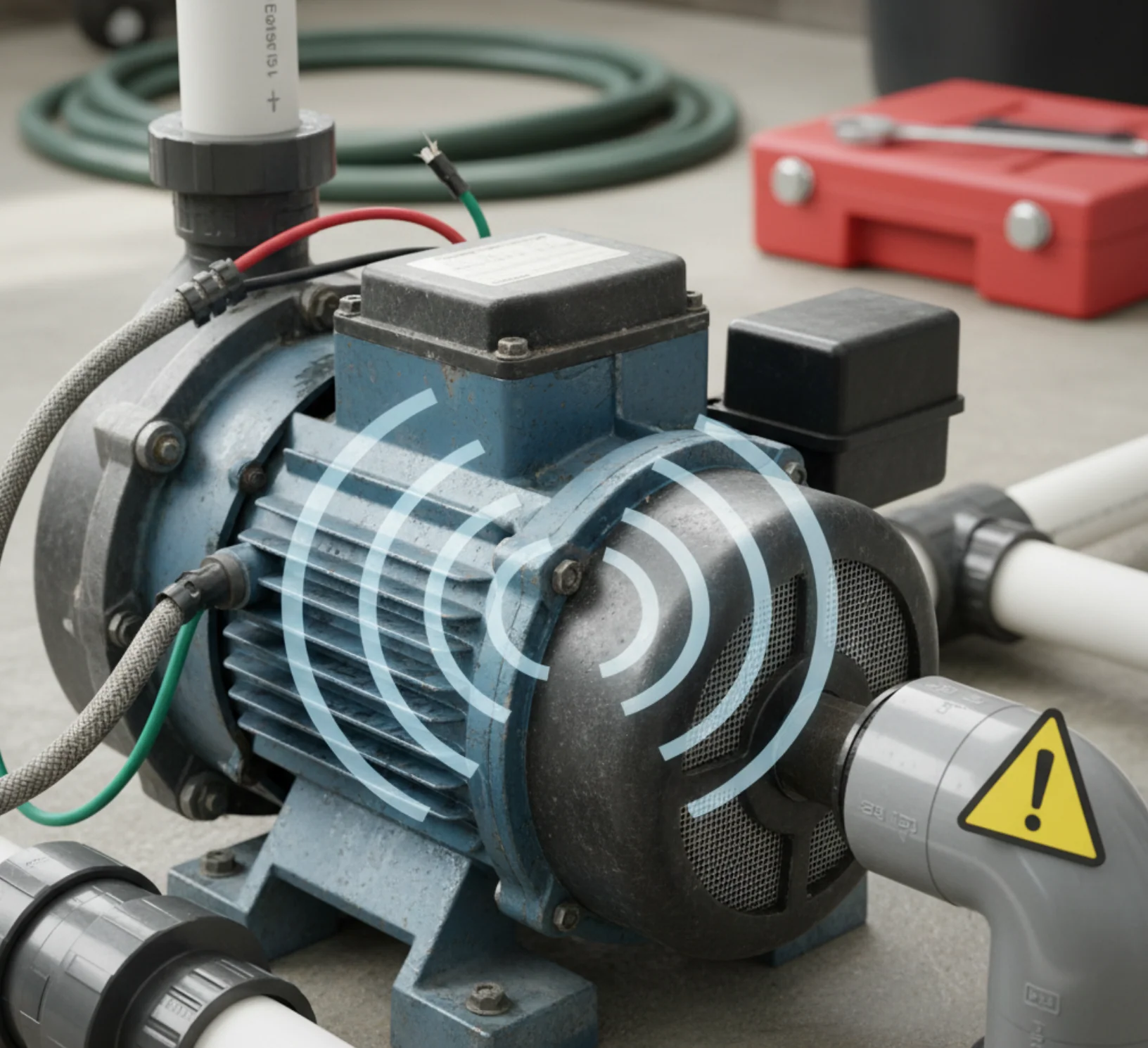
A starved pump can also run hotter than it should. If the water level is low or the pump keeps pulling air, the equipment may strain, overheat, lose prime, or damage internal parts. The Department of Energy notes that pool pumps can be major energy users, so a pump struggling against clogs, bad flow, or old equipment is not doing your electric bill any favors either. If the pump is aging, loud, cracked, or unreliable, PoolBurg can help compare repair versus pool pump replacement.
What PoolBurg Checks During a Suction Problem
PoolBurg does not treat pool pump suction loss like a guessing game. A proper diagnosis usually starts with water level, skimmer baskets, the pump basket, the pump lid seal, valve positions, filter pressure, and visible plumbing. Then the technician checks whether the return-side performance matches what the suction side is doing.
Sometimes the fix is simple: clean baskets, raise water level, reseat the lid, lubricate or replace an O-ring, or clean a dirty filter. Other times, the pool pump suction problem is hiding at a valve, union, drain plug, cracked lid, underground line, or pump housing. With weekly pool service PoolBurg can catch many of these clues before they turn into a burned-out pump or a swampy weekend.
People Also Ask
Why is my pool pump losing suction?
Your pool pump is usually losing suction because air is entering the suction side, the water level is too low, a basket is clogged, the filter is dirty, or a pump lid seal, valve, or pipe connection is leaking.
Why is my pool pump not pulling water?
A pool pump not pulling water may have lost prime, may be pulling air through the skimmer, may have a clogged basket or impeller, or may have a suction-side leak.
How do I know if my pool pump has an air leak?
Look for bubbles in the pump basket, bubbles from the return jets, a pump basket that will not stay full, or suction that improves briefly after priming and then gets weak again.
Can a dirty filter cause low suction?
Yes. A dirty filter can restrict flow and make the whole system act weak. It may not be the only cause, but it should be checked early.
Why are bubbles coming from my pool returns?
Return bubbles often mean air is getting into the system before the pump. Hayward notes that valve stem O-rings, threaded fittings, drain plugs, and pump housing cracks can all be possible leak points.
Can low water level damage a pool pump?
Yes. If the water drops low enough for the skimmer to pull air, the pump can lose prime and run dry, which can damage seals and shorten pump life.
PoolBurg Can Find the Real Reason Your Pump Is Losing Suction
Pool pump suction loss might be a quick basket cleanout, or it might be a hidden air leak slowly beating up your equipment. The smart move is to find out before the pump overheats, the water clouds up, or algae starts throwing a tiny green house party in the deep end.If your DFW pool has weak jets, air bubbles, a half-empty pump basket, or a pump that keeps losing prime, contact PoolBurg and we will help find the real cause before a small suction problem turns into a bigger repair.