Floating pool skimmer effectiveness is one of those pool topics that sounds simple until a windy Texas afternoon dumps leaves, pollen, bugs, sunscreen film, and yard dust across the surface. A floating skimmer can help, but it is not magic. Think of it as an extra surface-cleaning helper, not a replacement for good pool maintenance, correct circulation, and a working built-in skimmer.
For homeowners in Frisco, Plano, McKinney, Allen, The Colony, Lewisville, Carrollton, Addison, Keller, Garland, Mesquite, Wylie, and Prosper, floating pool skimmer effectiveness often comes down to timing. If debris is removed before it sinks, your filter, pump, and cleaner do not have to fight as hard later.
What a Floating Pool Skimmer Actually Does
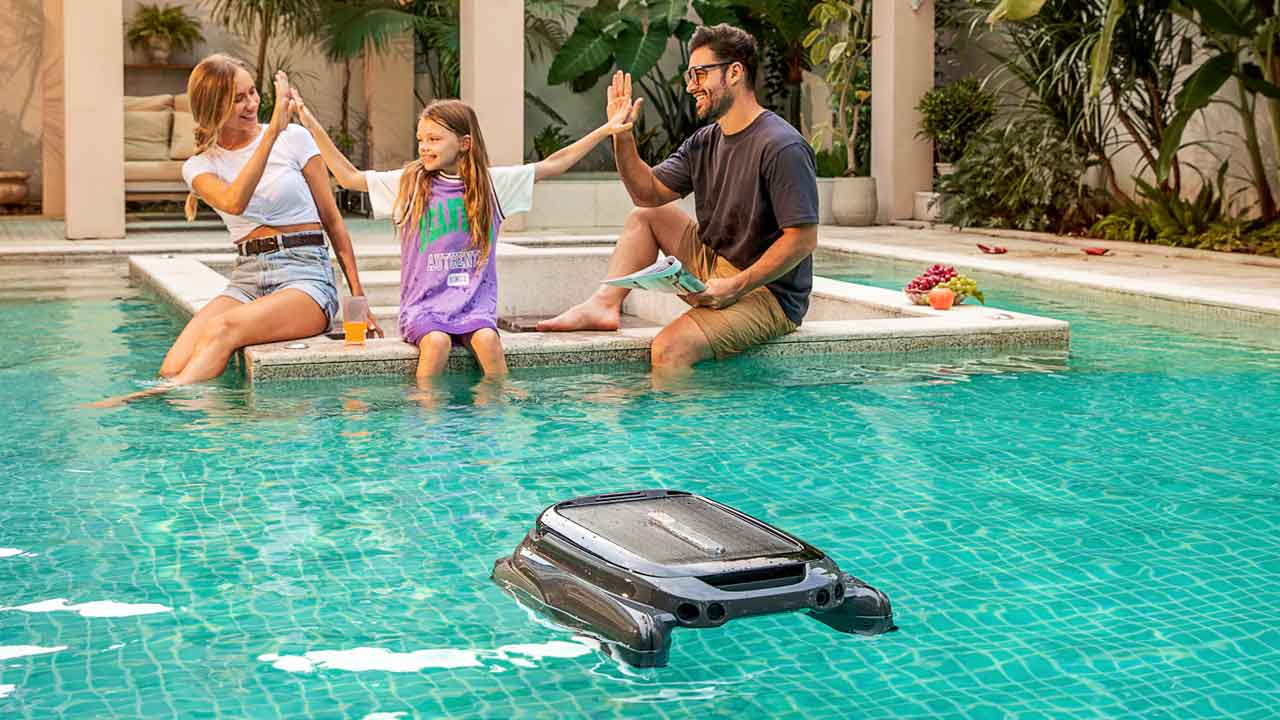
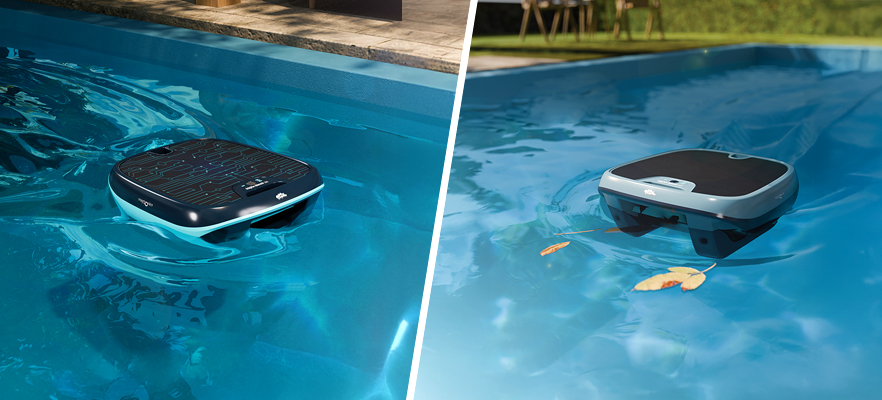
A floating skimmer rides on the surface and collects floating debris before it drops to the floor. Some models move with water flow, some attach to suction, and some are solar-powered units with their own movement. The goal is simple: catch debris early. That matters because surface debris can eventually break down, feed organic demand, and make sanitizer work harder. The CDC’s healthy swimming guidance also reminds pool owners that water quality depends on proper disinfectant and pH control, not just a pool that looks clean.
Where Floating Pool Skimmer Effectiveness Is Strongest
Floating pool skimmer effectiveness is usually strongest when the pool deals with:
- Leaves and flower debris from nearby trees
- Pollen during spring and early summer
- Bugs floating on the water overnight
- Light grass clippings after mowing
- Surface film before it sinks or spreads
In other words, floating pool skimmer effectiveness is best at the surface. It helps with what is floating now. It does not scrub walls, vacuum dirt from the floor, correct poor filtration, or solve cloudy water by itself. If your pool already has weak circulation, a dirty filter, or a struggling pump, you may also need pool equipment repair instead of another gadget.
Where a Floating Skimmer Falls Short
The biggest mistake is expecting a floating skimmer to fix every cleaning problem. It will not remove settled dirt, algae, scale, stains, or heavy debris already sitting on the floor. It also depends on movement. If the pool has dead spots, poor return direction, or low flow, debris may never drift toward the skimmer. That is why proper circulation and filtration still matter.
Floating pool skimmer effectiveness can also drop when baskets are full, wind pushes debris into one corner, or the pool’s built-in skimmer is not pulling well. If your skimmer throat is blocked, the weir door is stuck, or the pump is pulling air, the floating unit may help a little, but the real issue is still the system.
Floating Skimmer vs Built In Skimmer
A built-in skimmer is part of the pool’s circulation system. It pulls surface water toward the pump and filter. A floating skimmer is more like a roaming assistant. The best setup is not one or the other. It is a clean built-in skimmer, good water level, healthy pump flow, and a floating skimmer used as extra help when debris is heavy.
If you are comparing this with a robotic cleaner, remember that most robots focus on floors, walls, and waterline scrubbing. A floating skimmer focuses on the top layer. For a pool that gets hammered by leaves, pairing smart surface skimming with routine weekly pool service can keep the pool from becoming a weekend rescue mission.
How to Improve Floating Pool Skimmer Effectiveness
- Keep the main skimmer and pump baskets empty.
- Keep the pool water level around the middle of the skimmer opening.
- Aim return jets so water moves in a slow circular pattern.
- Use the floating skimmer before debris sinks, especially after wind or storms.
- Clean the floating skimmer basket often so it does not become a floating trash can.
- Test water regularly because clean-looking water can still be unbalanced.
Water balance still matters here. High pH, low sanitizer, and poor circulation can turn a simple debris issue into a cloudy or green pool. The EPA’s pool chemical safety guidance is also worth reading because chemicals should be handled carefully, especially when homeowners are trying to fix water problems quickly.
When Floating Pool Skimmer Effectiveness Is Not Enough
If the pool stays cloudy, the returns feel weak, the pump basket has air, or the filter pressure acts strange, floating pool skimmer effectiveness is not the main problem. Something else may be happening: dirty filter media, poor pump flow, air leaks, undersized equipment, or a chemistry issue. This is where pool water problems should be diagnosed instead of guessed at.
Safety matters too. Any pool equipment connected to suction should be treated seriously. Pool owners should understand basic drain and suction safety, and the Pool Safely suction entrapment information is a helpful place to learn why compliant covers and safe circulation design matter.

People Also Ask
Do floating pool skimmers really work?
Yes, floating pool skimmers can work well for surface debris, especially leaves, pollen, bugs, and light debris that has not sunk yet. Their results depend on circulation, debris load, basket cleaning, and pool layout.
Can a floating skimmer replace regular pool cleaning?
No. It can reduce surface debris, but it cannot replace brushing, vacuuming, filter care, chemical testing, or professional pool maintenance.
Why is my floating pool skimmer not collecting debris?
The pool may have poor circulation, the wind may be trapping debris in one area, the basket may be full, or the unit may not be positioned where water naturally moves.
Is a floating skimmer better than a robotic pool cleaner?
They do different jobs. A floating skimmer removes surface debris, while a robotic cleaner usually handles floors and walls. Many pools benefit from both.
Can surface debris make pool water cloudy?
Yes. Leaves, pollen, and organic debris can increase sanitizer demand and contribute to cloudy water if they sit too long.
Should I use a floating skimmer in Texas?
For many DFW pools, yes. Wind, pollen, trees, dust, and long swim seasons make extra surface skimming helpful, especially between service visits.
The Bottom Line for DFW Pool Owners
Floating pool skimmer effectiveness is real, but it works best when the rest of the pool is healthy. It is a helpful tool for daily surface debris, not a cure-all for bad circulation or neglected maintenance. If your pool keeps collecting debris, turning cloudy, or fighting algae even with extra skimming, PoolBurg can look at the whole pattern and fix the cause instead of just chasing symptoms. When your pool needs help, contact PoolBurg and let the team check whether the issue is debris, circulation, filtration, or chemistry.