Safe pool chemicals are not about dumping more product into the water and hoping the pool behaves. They are about testing first, adding the right product in the right amount, and keeping the whole system balanced. In DFW, where heat, hard water, pollen, storms, and heavy swim days all pile on at once, even a small pool care mistake can turn clear water cloudy fast.
Why Safe Pool Chemicals Start With Testing
The safest pool care routine starts before the bottle is opened. Water testing tells you what the pool actually needs, not what it “probably” needs. Chlorine, pH, alkalinity, calcium hardness, stabilizer, and salt level all affect one another. When one number drifts, another one usually starts acting weird too. That is why PoolBurg leans on consistent testing, not guesswork, especially for homeowners dealing with recurring pool maintenance issues.
For homeowners who want a more accurate reading, a professional pool water test is a smart place to start. Test results make safe pool chemicals easier to use because you are correcting the real problem instead of chasing symptoms.
Common Chemical Problems Homeowners Run Into
Most chemical trouble starts quietly. The pool may look “fine” in the morning, then look dull by evening. Some of the most common issues include low chlorine, high pH, high stabilizer, low alkalinity, calcium scale, combined chlorine, and metals that stain surfaces. If the water keeps turning cloudy or green, that is usually not one single bad day. It is a pattern.
High pH is one of the big ones in North Texas. When pH climbs too high, chlorine becomes less effective and scale becomes more likely. Low chlorine lets algae get comfortable. Too much stabilizer can make chlorine feel lazy. These are the little pool care mistakes that make people think the pool needs “more chemicals” when it really needs better balance.
How to Store and Handle Pool Chemicals Safely
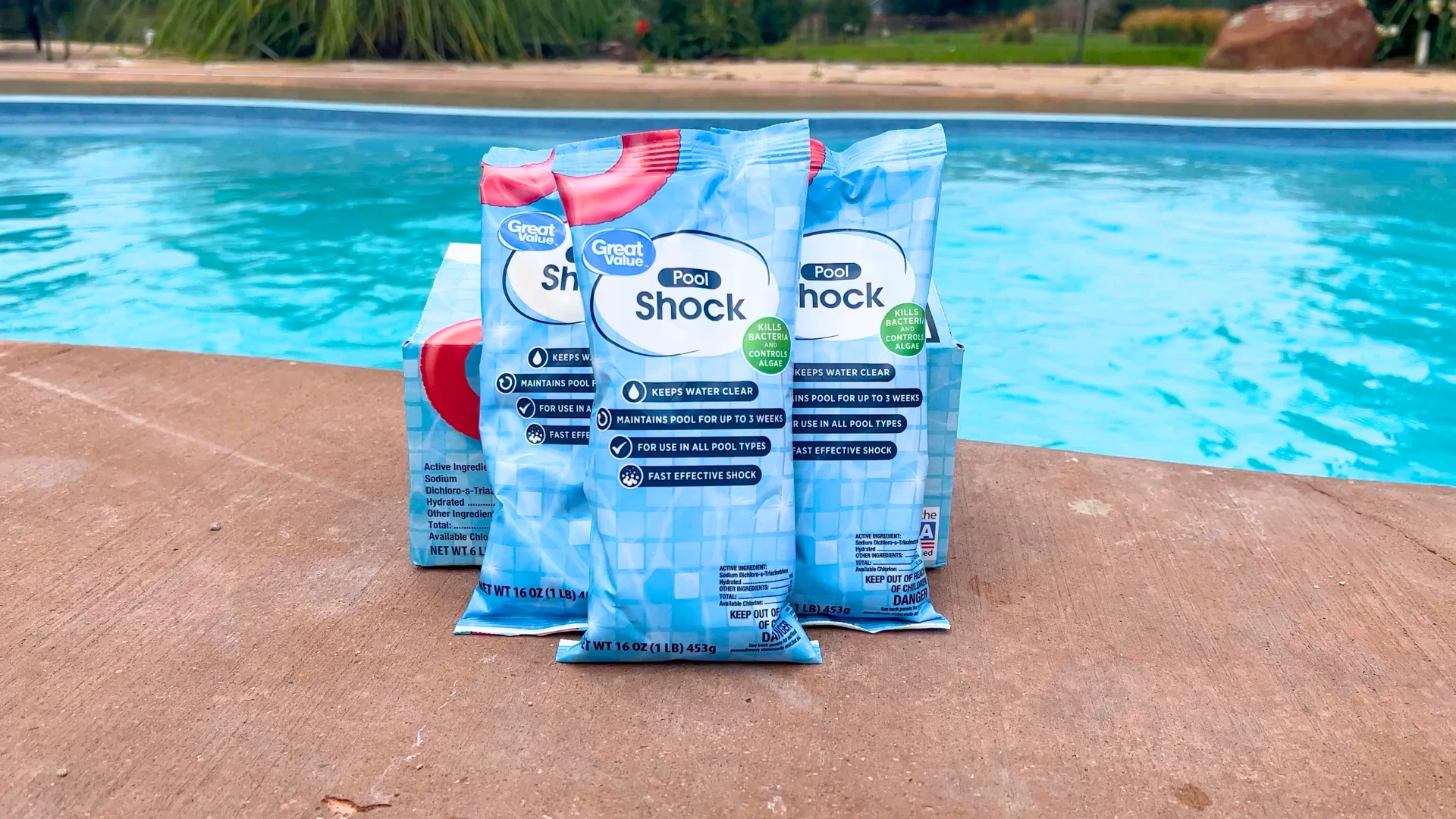
Safe pool chemicals also depend on safe storage. Pool products should stay dry, sealed, upright, and away from children, pets, heat, and direct sunlight. You should never mix products together, and you should avoid adding water into chemical containers. Always follow pool chemical safety guidance and read the chemical product label directions before using anything around the pool.
A simple rule helps: treat pool chemicals like serious tools, not casual household supplies. Use clean scoops, add products one at a time, and give the water time to circulate. Rushing this process can create a bigger mess than the original problem.
The Pool Chemicals That Usually Matter Most
Most residential pools rely on a handful of core products: chlorine or sanitizer, acid to lower pH, alkalinity increaser when needed, calcium hardness management, stabilizer, and sometimes specialty products for scale, metals, or algae. Saltwater pools still need chemical care too. Salt systems make chlorine, but they do not magically balance pH, alkalinity, calcium, or stabilizer.
That is where many homeowners get surprised. A salt pool can still have algae. A clear pool can still be poorly balanced. And a pool with “enough chlorine” can still irritate eyes if the rest of the chemistry is off. The CDC’s healthy swimming resources are a helpful reminder that clean-looking water still needs proper management.
Safe Pool Chemicals and DFW Hard Water
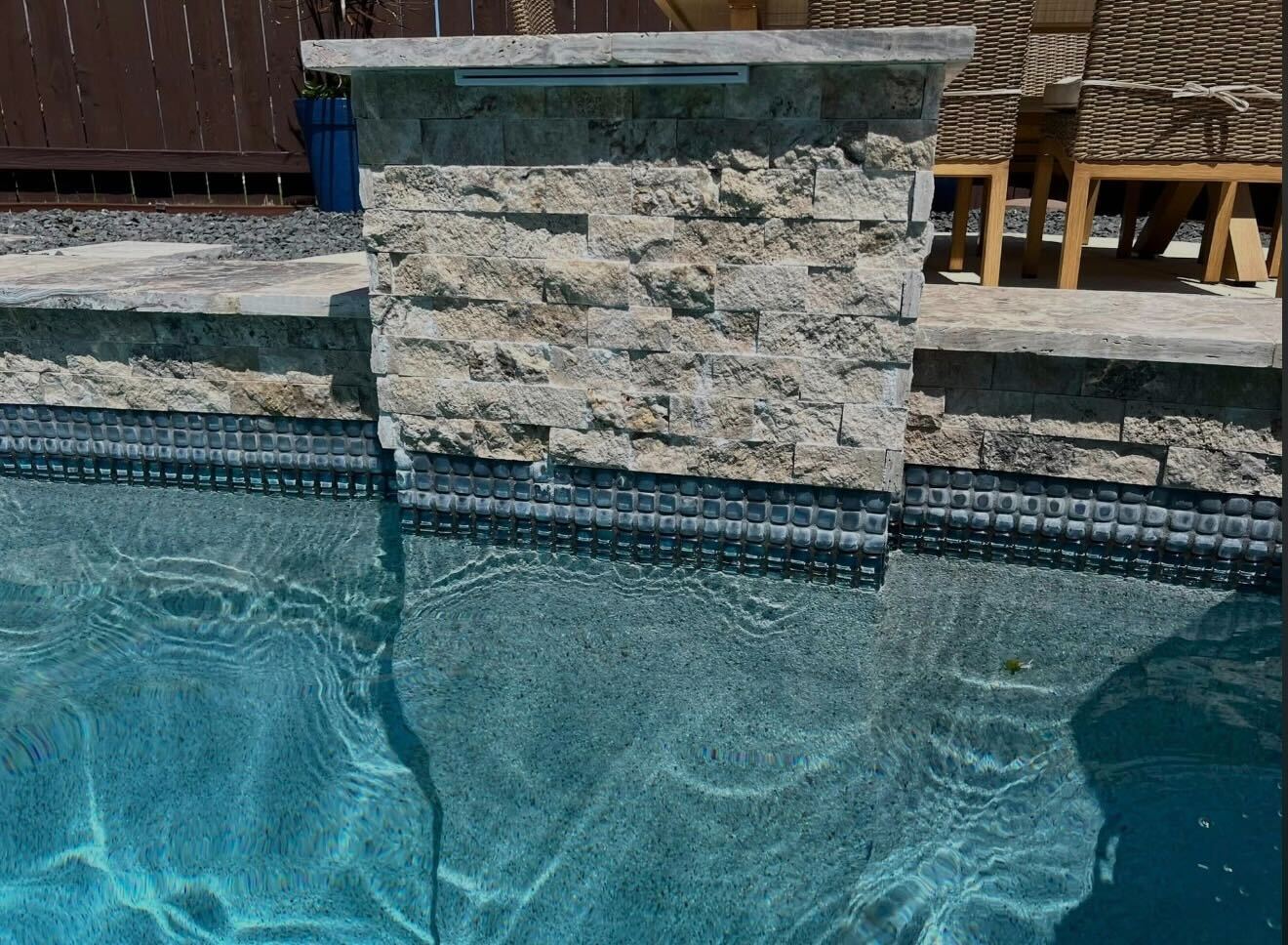
In Frisco, Plano, McKinney, Allen, The Colony, Lewisville, Carrollton, Addison, Keller, Garland, Mesquite, Wylie, and Prosper, hard water can make chemical balance more stubborn. Calcium scale can show up on tile, equipment, salt cells, heaters, and pool surfaces. Once scale starts building, the pool may need more than a normal weekly adjustment.
If your pool has scale, cloudy water, recurring algae, or odd test results, PoolBurg can connect the dots between chemistry and equipment. That might include checking your pool water problems, reviewing your pool chemical maintenance, or helping with pool algae treatment before the problem spreads.
Pool Care Mistakes That Make Chemicals Less Safe
- Adding chemicals without testing first.
- Mixing different products in the same bucket or scoop.
- Ignoring pH while only watching chlorine.
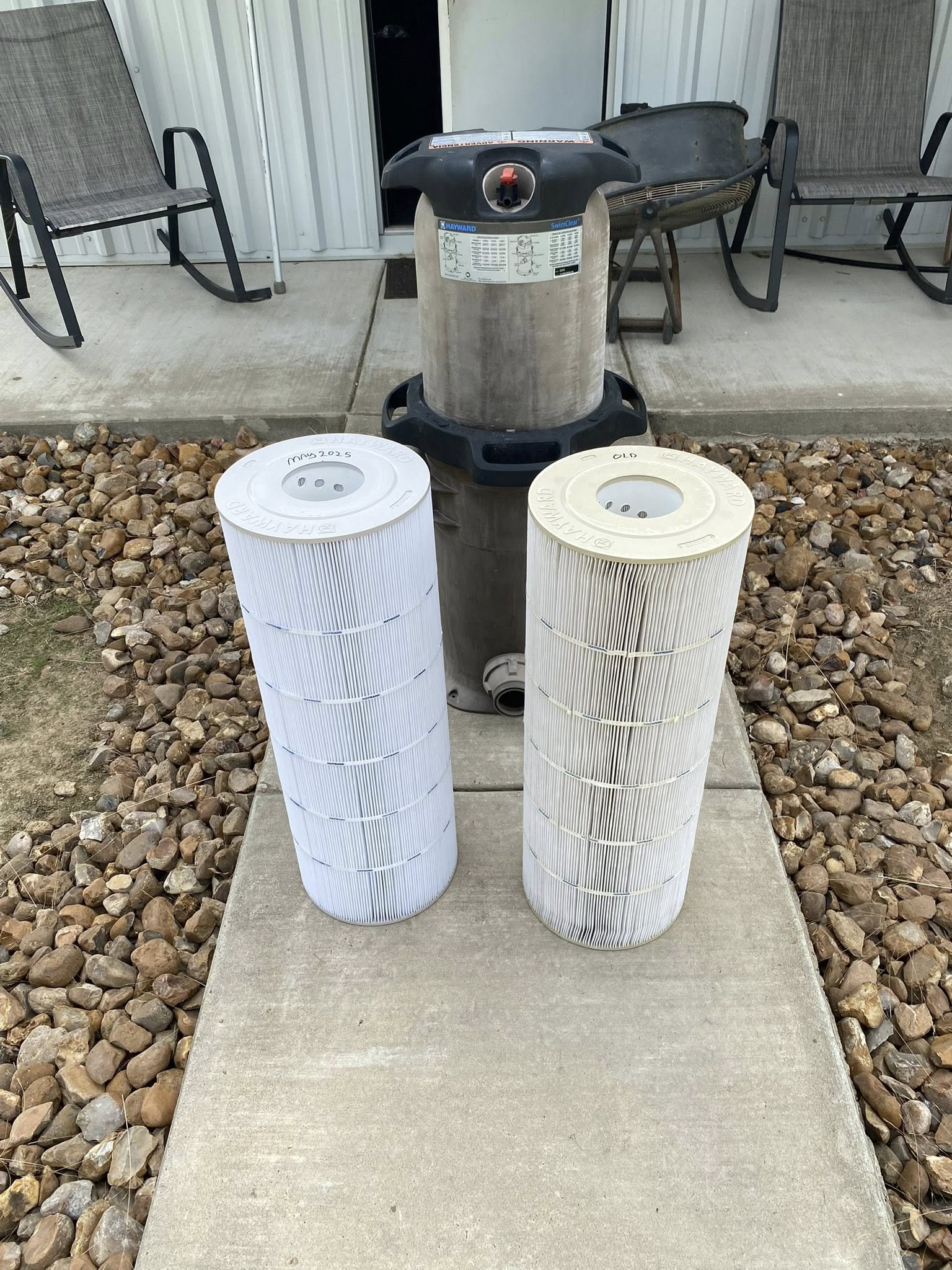
- Letting baskets, filters, or circulation problems go unchecked.
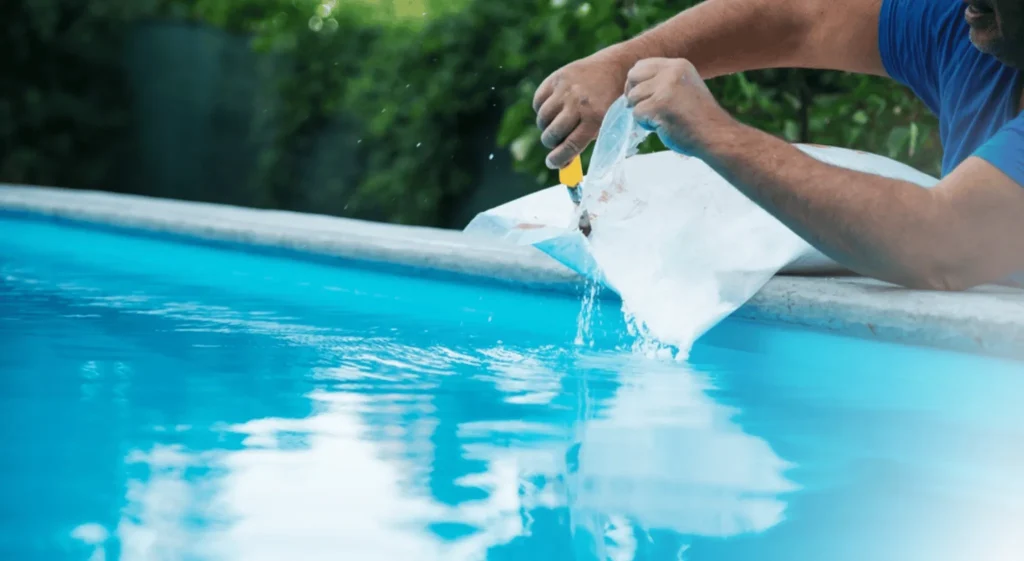
- Adding shock and immediately swimming before the water is ready.
- Assuming clear water means balanced water.
Safe pool chemicals work best when the pool can circulate properly. If the pump, filter, valves, or baskets are struggling, chemicals will not spread evenly. That is when one corner of the pool can become a mini science project nobody asked for.
People Also Ask
What are the safest chemicals for a pool?
The safest pool chemicals are the ones your water actually needs, used according to the product label and based on proper test results.
Can pool chemicals be dangerous?
Yes. Pool chemicals can be hazardous when mixed, stored poorly, inhaled, spilled, or used in the wrong amount. That is why careful handling matters.
Should I test before adding pool chemicals?
Absolutely. Testing helps prevent overcorrection, cloudy water, irritation, and wasted product.
Are saltwater pool chemicals different?
Some are different, but saltwater pools still need pH, alkalinity, stabilizer, calcium, and sanitizer management.
How often should pool chemicals be checked?
In a hot DFW summer, weekly testing is a baseline. Heavy swimming, storms, algae cleanup, or equipment problems can call for more frequent checks.
Let PoolBurg Take the Guesswork Out of Pool Chemistry
Safe pool chemicals should make your pool easier to enjoy, not more stressful. PoolBurg helps DFW homeowners test the water, balance chemicals correctly, inspect equipment, and prevent small chemistry issues from turning into cloudy water, algae, scale, or expensive repairs. For steady help, ask about residential pool service or contact PoolBurg before one small imbalance becomes a weekend problem.