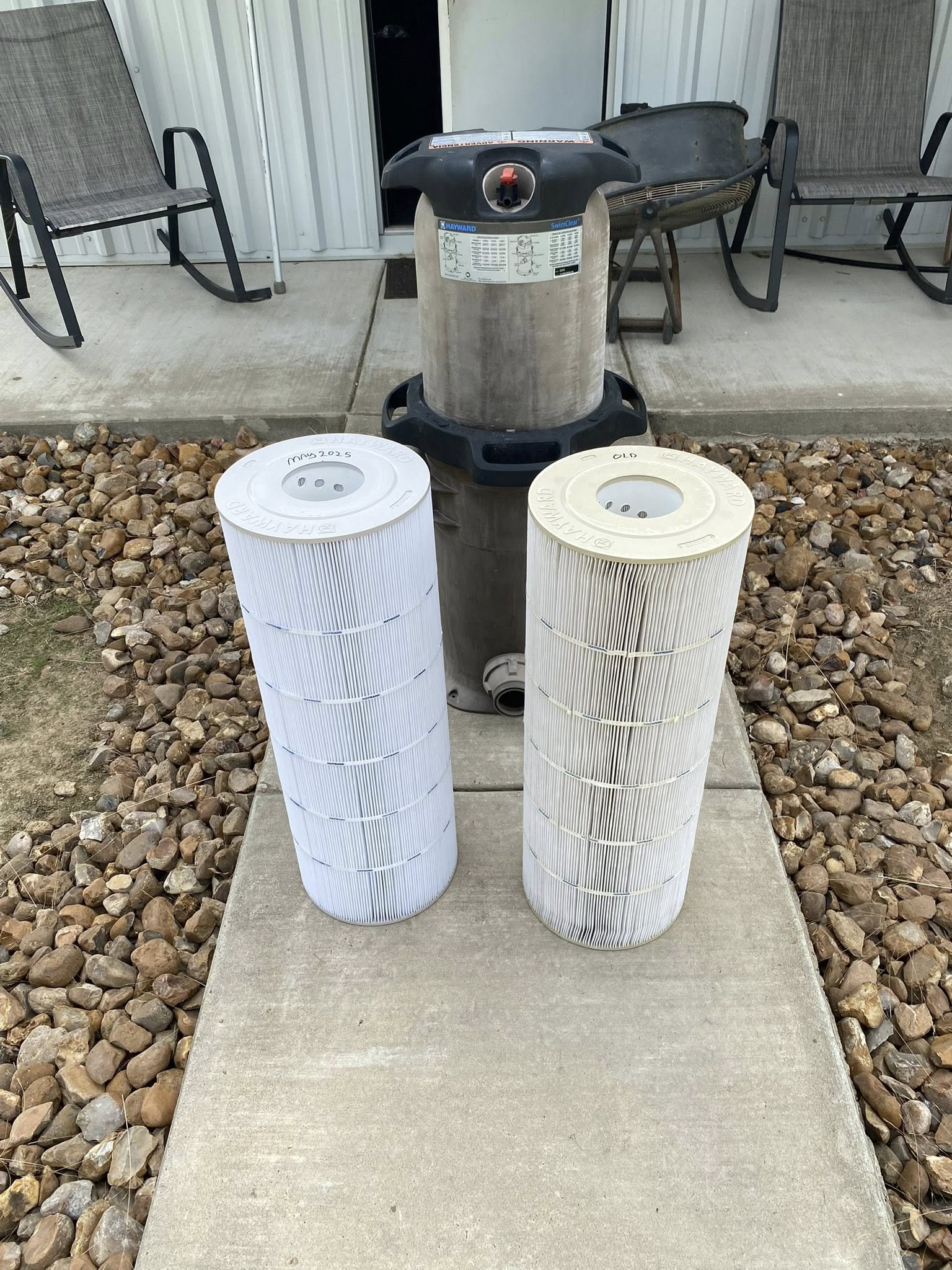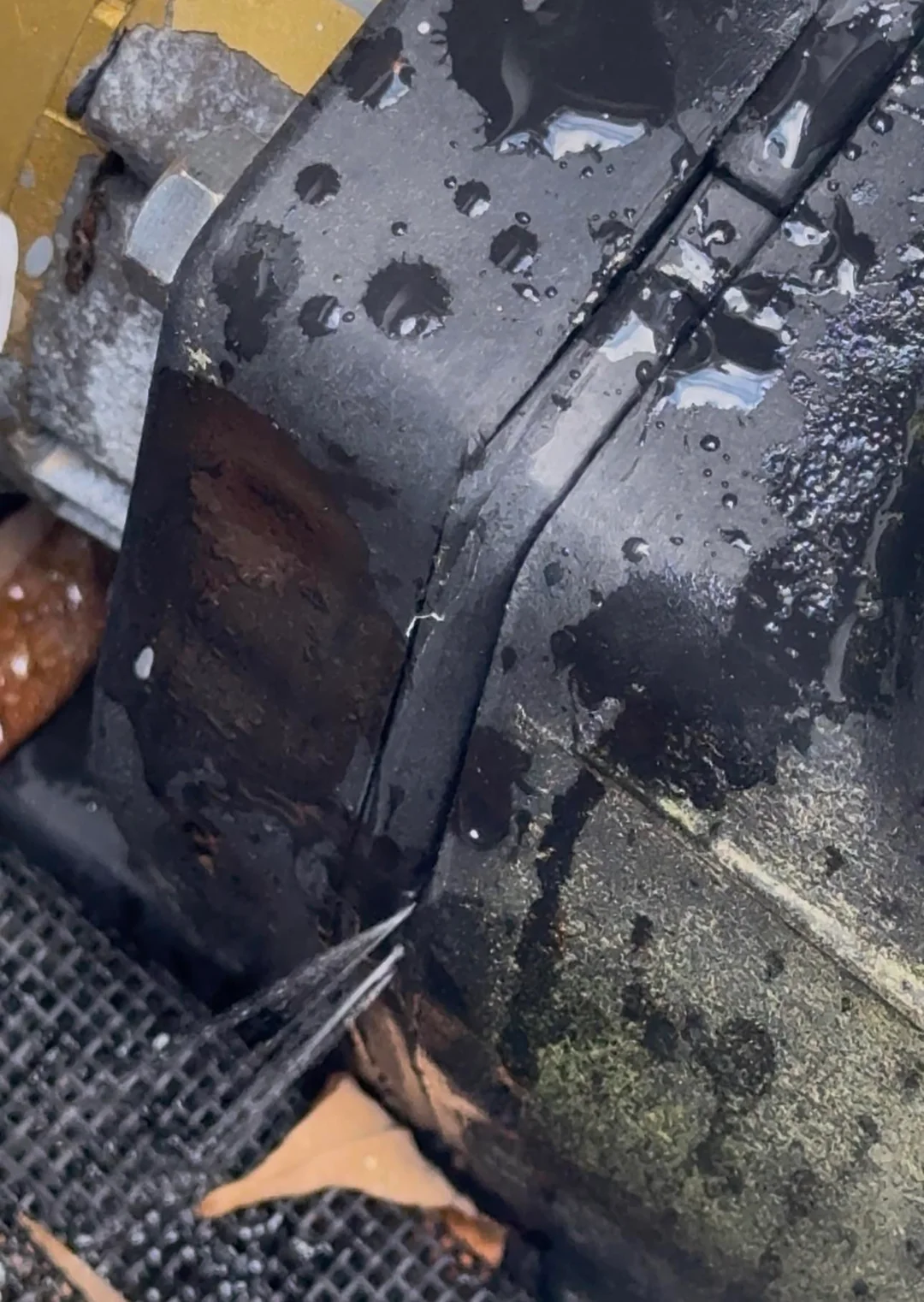
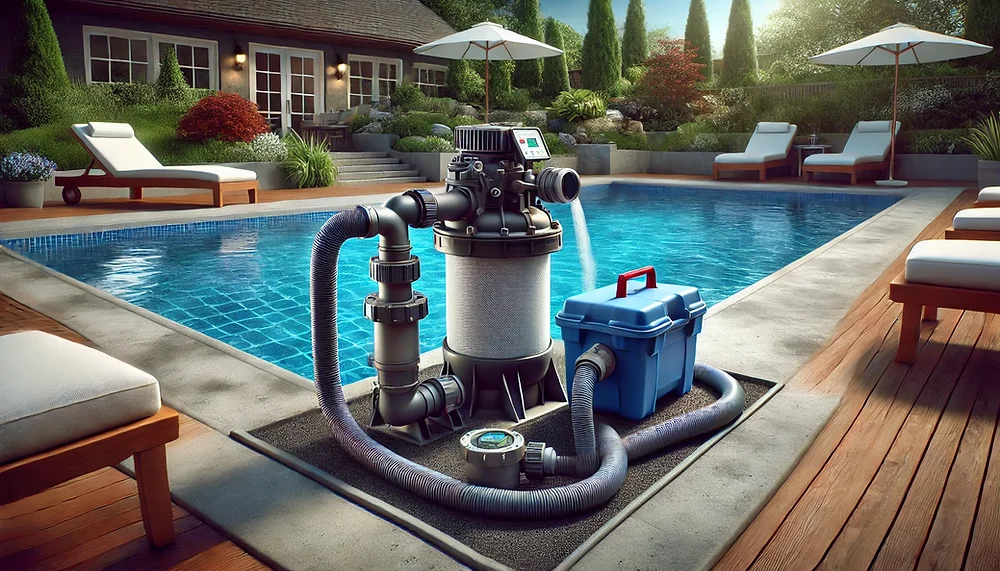
A pool pump impeller clogged with leaves, pine needles, or tiny debris can make a perfectly running motor seem like it has failed. The pump may turn on. You may hear it humming. The basket may even hold water. But if the impeller cannot move water properly, the whole pool starts acting strange.
For homeowners in Plano, Carrollton, Grapevine, Southlake, Keller, Garland, and Wylie, this is especially common after storms, windy days, tree pollen season, or heavy leaf drop. One small blockage inside the pump can lead to weak pool suction, slow skimming, cloudy water, and return jets that barely push.
What the Pool Pump Impeller Does
The impeller is the small spinning part inside the pump that helps move water from the pool, through the filter, and back through the return jets. Think of it as the water-moving fan inside the pump.
When everything is clean, the pump pulls water through the skimmer and main drain, pushes it through the filter, and keeps circulation moving. But when you have a pool pump impeller clogged with debris, water flow drops fast. That is why a pump can still sound like it is running while the pool acts like nothing is circulating.
This is also why some homeowners mistake an impeller issue for a motor issue. A clogged impeller does not always stop the pump from turning on. It just keeps the pump from moving enough water.
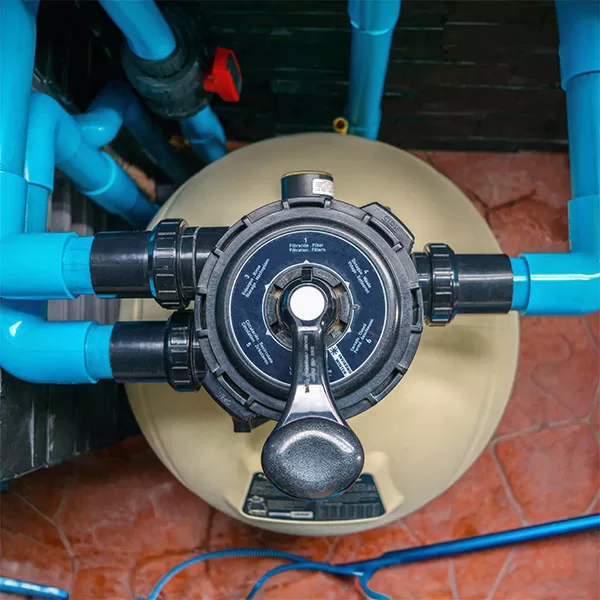
Pool Pump Impeller Clogged Signs Homeowners Should Know
The biggest clue is low water movement. If your pump is running but the pool looks lazy, something is off.
Common signs include:
- Weak return jets
- Low filter pressure
- Poor skimmer pull
- A pool cleaner that moves slowly or stops
- Pump basket has water but flow still looks weak
- Air bubbles or inconsistent flow
- Pump sounds strained
- Pool water turns cloudy even though the pump is running
A clogged pool pump impeller can also make it seem like the pool pump not pulling water is the main issue. Sometimes the pump is pulling some water, just not enough to keep the pool healthy.
If the suction at the skimmer feels weak, or your vacuum barely grabs the floor, the impeller should be on the troubleshooting list. You can also read more about related flow problems in our guide on pool pump suction loss and pool circulation problems.
What Clogs a Pool Pump Impeller?
A pool pump impeller clogged problem usually starts with debris getting past the baskets. That can happen when the skimmer basket is cracked, the pump basket is not seated correctly, or the pool gets overloaded with debris after a storm.
Common culprits include:
- Pine needles
- Small leaves
- Pebbles
- Hair
- Plastic wrappers
- Acorns
- Broken basket pieces
- Fine storm debris
Tree-heavy yards in Grapevine, Southlake, Keller, and Wylie deal with this a lot. One windy weekend can push enough debris into the system to cause weak pool suction by Monday.
For general pool safety around drains and suction outlets, homeowners can also review Pool Safely’s drain and suction safety guidance. For broader pump efficiency information, ENERGY STAR pool pump guidance and the U.S. Department of Energy pool pump page are useful resources.
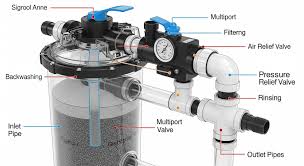
Clogged Impeller vs Dirty Filter
This is where pool troubleshooting gets a little sneaky. A dirty filter and a clogged impeller can both make the water cloudy, but they often show different pressure clues.
A dirty filter usually causes high filter pressure because water struggles to push through trapped debris. A pool pump impeller clogged with debris may cause low flow and sometimes lower-than-normal filter pressure because the pump is not pushing enough water into the filter in the first place.
So if your return jets are weak and your filter pressure is low, do not automatically assume the filter is the problem. If your pressure is high, the filter may need cleaning. If your pressure is low and the pump sounds strained, a clogged pool pump impeller may be hiding inside the pump.
You may also want to check our related guides on pool skimmer problems, pool pump not pulling water, and pool after a storm.
Can You Clean a Pool Pump Impeller Yourself?
Sometimes, yes, but be careful. Before touching pool equipment, turn the pump off at the system and shut off power at the breaker if you are going near moving or electrical parts. Pool pumps mix water and electricity, so guessing is not the move here.
Basic homeowner checks include:
- Turn the pump off completely.
- Open the pump lid.
- Remove and clean the pump basket.
- Look for visible debris near the impeller opening.
- Avoid forcing tools into the impeller.
- Restart only after everything is seated properly.
A light blockage may be reachable from the pump basket area. A deeper pool pump impeller clogged issue may require disassembly. That is usually where it is better to call a pro, especially if the pump is older, the lid seal is worn, or the pump has already been running with low flow.
For water-care context, the CDC’s healthy swimming resources are helpful, and pool owners who want a bigger look at circulation and filtration can check the Model Aquatic Health Code.
Should You Keep Running the Pump With Low Flow?
Not for long. If the pump is running but barely moving water, heat can build inside the system. Low flow also means poor filtration, weak skimming, and more chances for algae to settle in.
A pool pump impeller clogged problem can start as a tiny performance issue and turn into a bigger repair if ignored. The pool may get cloudy, the motor may work harder, and the filter may stop doing its job properly.
People Also Ask
How do I know if my pool pump impeller is clogged?
You may notice weak return jets, low filter pressure, poor skimmer suction, slow pool cleaner movement, or a pump that runs but does not move water well.
Can a clogged impeller cause low suction?
Yes. A clogged pool pump impeller can restrict water movement and cause weak pool suction at the skimmer, vacuum, or cleaner line.
Why are my pool return jets weak?
Weak jets can come from a dirty filter, air leak, valve issue, low water level, or a pool pump impeller clogged with debris.
Can debris damage a pool pump impeller?
Yes. Hard debris, broken plastic, pebbles, or long-term blockage can damage the impeller or reduce pump performance.
Should I run the pump with low flow?
No. If your pool pump not pulling water problem continues, shut the system down and get it inspected before more damage happens.
How often should a pool pump basket be cleaned?
During heavy debris seasons, check it several times a week. After storms, check it immediately.
Let PoolBurg Find the Real Flow Problem
A pool pump impeller clogged with debris can look like a broken pump, a dirty filter, or a suction leak. That is why guessing gets expensive.
PoolBurg can inspect the pump, check the baskets, verify flow, clear the blockage, and see whether there is a deeper issue causing weak circulation. If your pool in Plano, Carrollton, Grapevine, Southlake, Keller, Garland, or Wylie has weak pool suction or the pool pump not pulling water correctly, contact PoolBurg and let us get the water moving again.