A pool pump housing leak can look harmless at first. A little drip on the pad, a wet spot under the pump, maybe a few bubbles in the basket. Then the pump starts losing prime, the motor sounds different, and suddenly that tiny leak feels a lot less tiny. For homeowners in Frisco, Plano, McKinney, Keller, Southlake, Grapevine, Las Colinas, Carrollton, and Farmers Branch, the smart move is simple: find the exact leak point before replacing random parts.
What a Pool Pump Housing Leak Looks Like
A pool pump housing leak usually shows up as water around the equipment pad, drips under the pump body, moisture around the pump basket, or leaking near the motor connection. Sometimes the pool pump leaking issue only appears while the pump is running. Other times, the equipment pad stays damp even after the system shuts off.
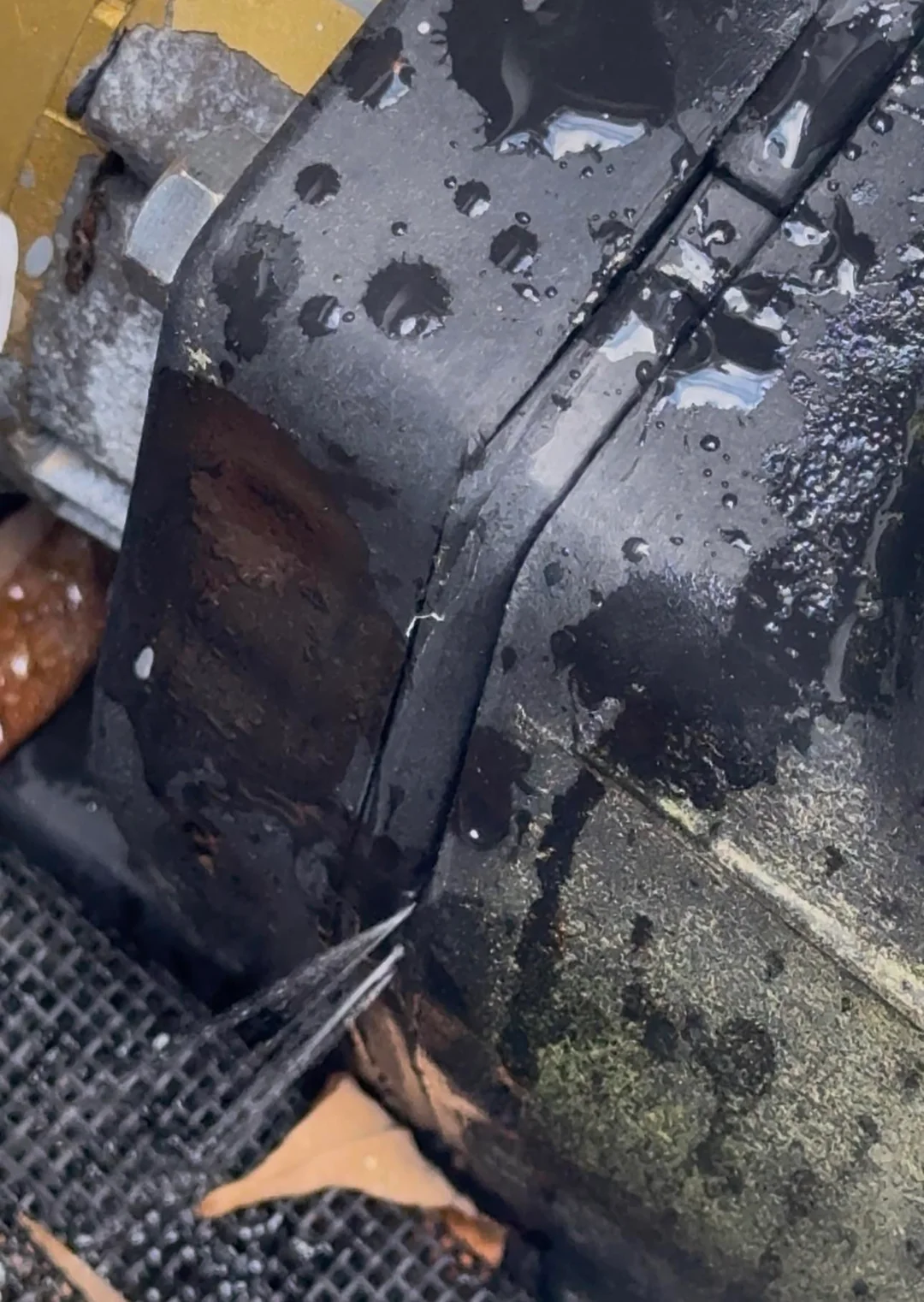
The tricky part is that water travels. A leak near the lid can run down the side and look like a pump body leak. A pool pump seal leak can show up between the motor and pump, while a true pool pump housing crack may appear along the pump body itself. That is why leak location matters so much.
Common Causes of Pool Pump Housing Leaks
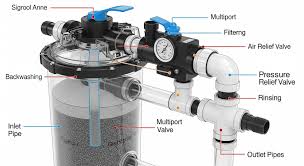
The most common causes include a cracked pump housing, bad lid O-ring, loose drain plug, worn shaft seal, plumbing connection leak, freeze damage, or fittings that were over-tightened. In North Texas, freeze events and shifting soil can be especially rough on older equipment pads. A pump that survived last season can start leaking months later once pressure, heat, and vibration expose a weak spot.
Pool pump suction loss can also happen when air gets pulled into the system near the lid, drain plug, or suction-side plumbing. If the pump basket looks bubbly or never fills completely, the leak may not just be water coming out. It may be air getting in.
Shaft Seal Leak vs Housing Leak
A pool pump housing leak and a shaft seal leak are easy to confuse. A shaft seal sits between the wet end of the pump and the motor. When it fails, water often appears between the pump and motor. That is a big deal because water in that area can reach the motor bearings and turn into a louder, more expensive repair.
A housing leak is different. It may come from the pump body, lid area, drain plug, or a visible crack. A lid O-ring leak may also cause air bubbles, priming problems, or a pump that sounds like it is struggling. For homeowners already seeing pool pump air lock symptoms, the leak point should be checked quickly.
Can a Pool Pump Housing Leak Be Repaired?
Sometimes, yes. If the pool pump housing leak is caused by an O-ring, drain plug, seal, or minor fitting issue, repair may make sense. If the pump has a true pool pump housing crack, replacement is often the cleaner option, especially if the part is old, brittle, discontinued, or freeze-damaged.
This is where homeowners can accidentally spend money twice. Replacing a lid gasket will not fix a cracked housing. Replacing the motor will not fix a leaking wet end. And patching a pressure-side crack rarely gives the long-term peace of mind people hope for. A good inspection separates a simple fix from a pump that is trying to retire with dignity.
Why Small Pump Leaks Become Bigger Problems
Small leaks can lead to motor bearing damage, air entering the system, water waste, corrosion around the equipment pad, and the pump losing prime. If the pump keeps pulling air or running with poor water flow, it can overheat or struggle to circulate the pool properly. That is when cloudy water, algae, and emergency repair calls start joining the party. Nobody invited them, but they show up anyway.
A leaking pump should also be treated seriously around electrical equipment. Pool pumps combine water, power, vibration, and outdoor weather, so anything that looks like active leaking near the motor deserves attention. The safest answer is to turn the system off if the leak looks heavy, electrical components are wet, or the motor is making unusual noise.
What PoolBurg Checks During a Pool Pump Leak Inspection
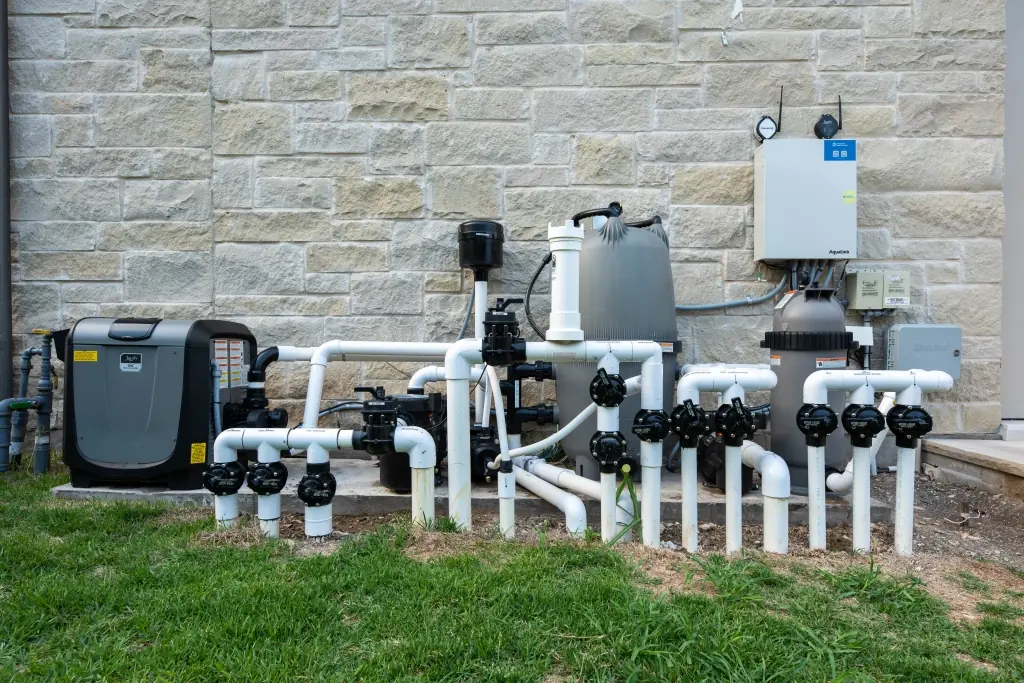
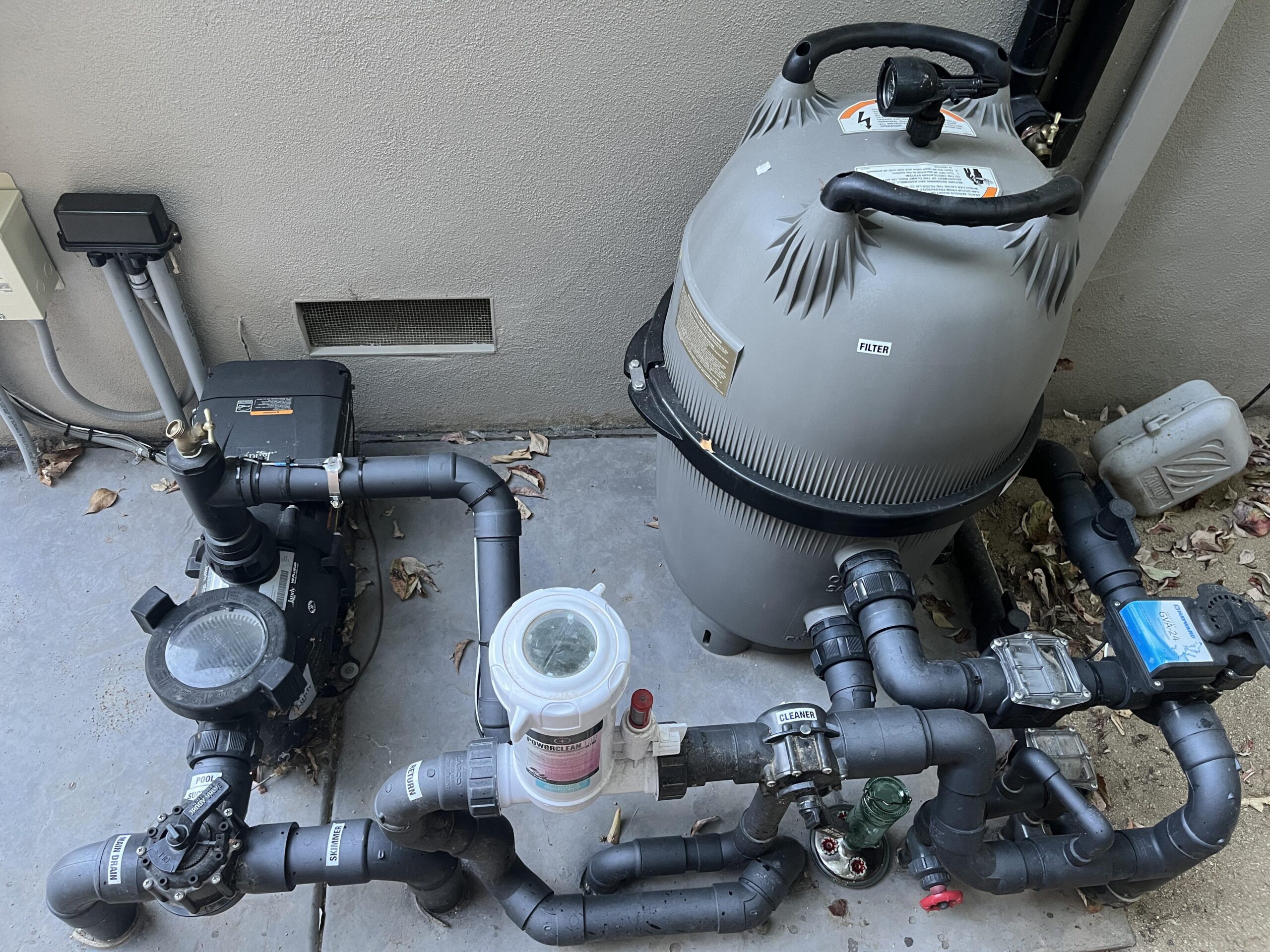
PoolBurg looks at the full system instead of guessing from one wet spot. That includes the pump lid, lid O-ring, drain plugs, shaft seal area, pump housing, unions, valves, suction-side plumbing, filter pressure, return flow, and whether the pump is holding prime. If the issue is repairable, we explain the repair. If replacement is smarter, we explain why.
This matters because a pool pump housing leak is not always the part homeowners think it is. A wet equipment pad might point to a plumbing connection. A pump losing prime might point to an air leak. A drip between the motor and pump might point to the shaft seal. The right diagnosis prevents the wrong part from getting replaced.