Pool water level too low might seem like a small thing at first. The pool still has water. The pump may still be running. The backyard may still look normal from the patio.
But behind the scenes? A pool water level too low problem can make your skimmer suck air, cause the pump to lose prime, weaken circulation, and put expensive equipment under stress. For homeowners in Frisco, Plano, McKinney, Allen, Prosper, Southlake, Las Colinas, and across DFW, this is especially common during hot stretches when evaporation gets sneaky fast.
PoolBurg sees this all the time. A homeowner thinks they have a pump issue, but the real trouble started because the water dropped below the safe operating level.
What Is the Correct Pool Water Level?
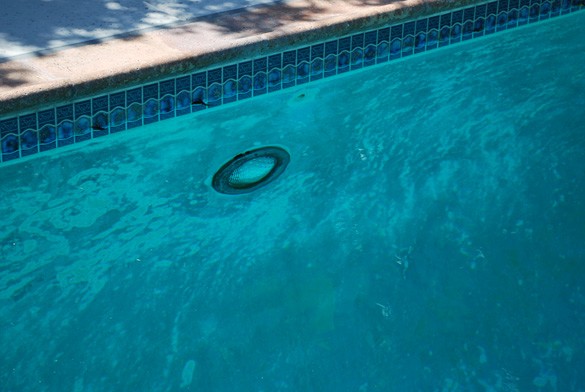
In most pools, the water should sit around the middle of the skimmer opening. That gives the skimmer enough water to pull from the surface without dragging air into the plumbing. Several pool care guides use the midpoint of the skimmer opening as the practical target range for normal operation. (Facebook)
When the pool water level too low issue starts, the skimmer may no longer pull a steady stream of water. Instead, it starts pulling air. That air moves into the pump basket, the pump struggles to prime, and circulation becomes weaker.
Too high is not perfect either. If the water is above the skimmer opening, the skimmer may not grab floating debris as well. But too low is usually the scarier problem because it can threaten the pump.
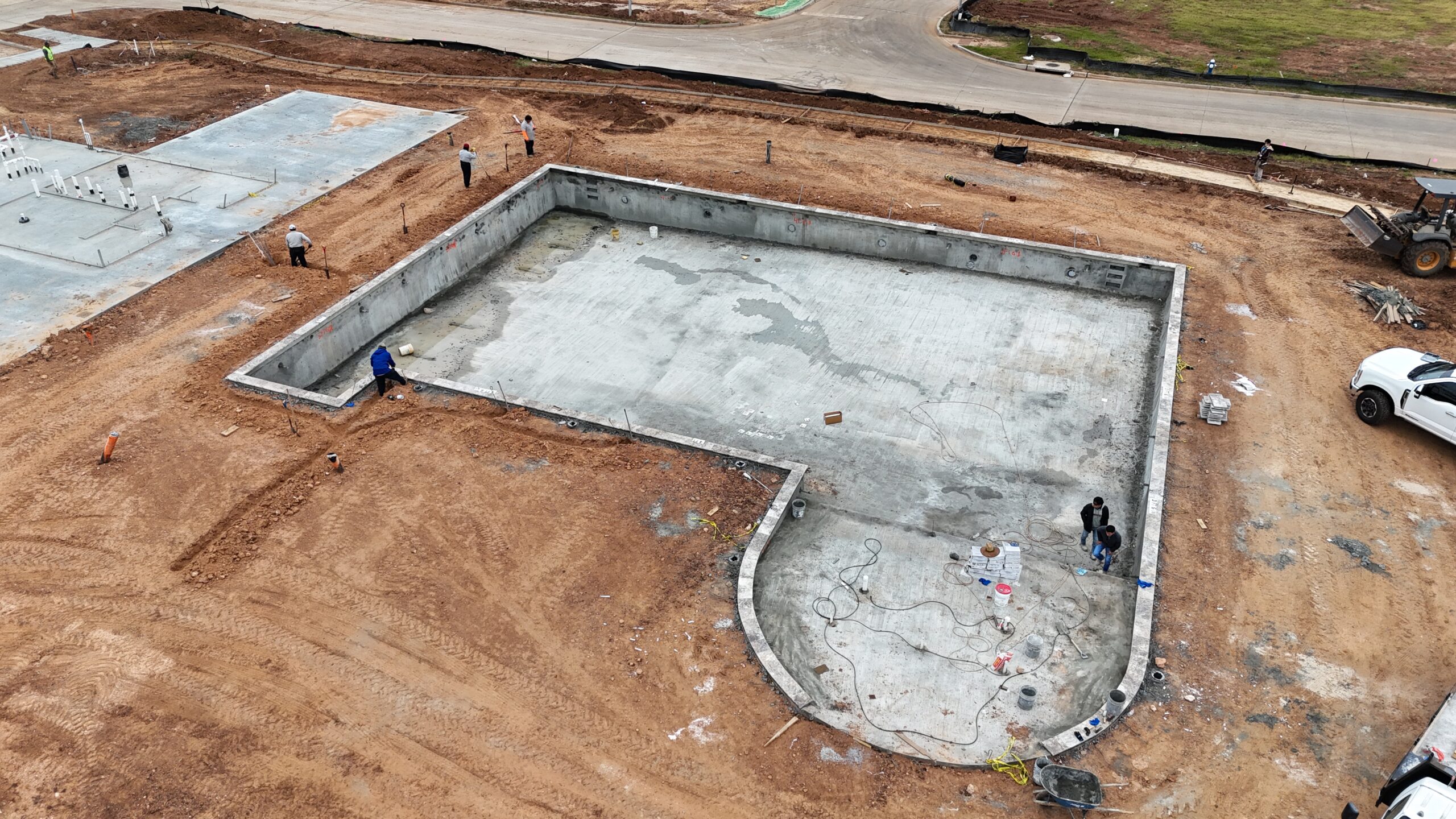
What Happens When Pool Water Level Is Too Low?
When pool water level too low becomes a real problem, the first thing that usually suffers is suction. Your skimmer may begin gulping air, almost like it is drinking through an empty straw.
That can lead to:
- A pump basket full of air
- Weak return jets
- Poor skimmer pull
- A pool cleaner that barely moves
- Reduced filtration
- The risk of the pool pump running dry
A pump is designed to move water, not air. When the pump runs without enough water, it can overheat, lose prime, or suffer internal damage. That is why a low pool water level should be treated as a maintenance issue, not just a cosmetic waterline problem.
For related issues, this pairs naturally with PoolBurg’s internal topic on pool pump suction loss and pool pump air lock.
Signs Your Pool Water Is Too Low
You do not have to be a pool technician to notice the warning signs. A pool water level too low problem usually announces itself if you know what to watch for.
Common signs include:
- The skimmer makes a gurgling sound
- Air bubbles come out of the return jets
- The pump basket does not stay full of water
- The pump sounds louder than usual
- Water movement looks weak
- The automatic cleaner stops moving
- The skimmer door flaps or sticks oddly
If you see air in the pump basket and hear the pool skimmer sucking air, check the water level before assuming the pump is broken. Sometimes the fix starts with adding water, but sometimes the low level is only the symptom.
Why Pool Water Drops in Texas
DFW pools work hard. Heat, wind, long swim days, and big weather swings can all affect water level. In summer, evaporation can become a regular part of pool ownership, especially during hot and dry periods. The EPA notes that evaporation is influenced by weather conditions like temperature, wind, and humidity, which is why pools can lose water faster during certain seasons. (Wikipedia)
Common reasons for pool water loss include:
- Evaporation during hot Texas weather
- Splash-out from kids, pets, and pool parties
- Backwashing or filter cleaning
- Draining after heavy rain
- Autofill system problems
- Leaks in the pool shell, plumbing, or equipment
If your low pool water level only happens during a heat wave, evaporation may be the culprit. If you are refilling constantly, something else may be going on.
For deeper troubleshooting, link internally to leaking swimming pool and pool circulation problems.
Low Water Level vs Pool Leak
Here is where homeowners get stuck. Is the pool water level too low because of normal evaporation, or is the pool leaking?
A simple bucket test can help compare pool water loss against normal evaporation. The basic idea is to place a bucket of pool water on a pool step, mark the water levels inside and outside the bucket, and compare the drop after a day or so. Leak detection professionals and pool care resources commonly recommend this test as an early way to separate evaporation from possible leak loss. (flowermound.gov)
Possible leak warning signs include:
- You add water several times a week
- The water drops even in mild weather
- Wet spots appear around the pool or equipment pad
- The autofill runs constantly
- Cracks, loose fittings, or plumbing issues are visible
A pool water level too low situation should not be ignored when it keeps coming back. You do not want to keep topping off the pool while a hidden leak wastes water and stresses equipment.
How to Prevent Low Water Level Problems
The easiest way to prevent a pool water level too low problem is to make water level part of your normal pool maintenance routine.
Here is a simple checklist:
- Check water level at least once a week
- Watch it more closely during heat waves
- Inspect the pool after parties or heavy swimming
- Look at the level after backwashing
- Make sure the autofill is working
- Listen for gurgling at the skimmer
- Do not run the pump if it is not pulling water properly
If your pool pump running dry is already happening, turn the system off and get the cause checked. Running it “just for a little while” can turn a small water level issue into a pump repair bill.For homeowners who want help keeping the basics steady, this can link naturally to weekly pool service or pool water fill service.

People Also Ask
What happens if pool water level is too low?
When pool water level too low happens, the skimmer can pull air instead of water. That can cause weak circulation, air bubbles, pump prime problems, and possible pump damage.
Can low water level damage a pool pump?
Yes. If the pump does not receive enough water, it can run dry, overheat, lose prime, or suffer damage. Pool pumps need steady water flow to operate safely.
Why is my skimmer sucking air?
Your pool skimmer sucking air usually means the water level is too low, the skimmer weir is stuck, or there is a suction-side air leak. Start by checking the water level first.
How often should I add water to my pool?
It depends on heat, wind, rainfall, splash-out, and evaporation. During Texas summer, some pools need regular topping off. If you are adding water constantly, check for leaks.
Is my pool leaking or evaporating?
Normal evaporation happens, especially in hot weather. Fast water loss, constant refilling, wet areas, or a water level that drops quickly may point to a leak.
What water level should my pool be?
Most pools should sit around the middle of the skimmer opening. That gives the skimmer enough water to work without pulling air.
Let PoolBurg Check the Real Cause
A pool water level too low problem might be normal evaporation. It might be an autofill issue. Or it might be the first clue that your pool has a leak, suction problem, or circulation issue.
PoolBurg helps homeowners in Frisco, Plano, McKinney, Allen, Prosper, Southlake, Las Colinas, and nearby DFW areas figure out what is actually happening before the pump gets damaged. If your water keeps dropping or your pump sounds like it is struggling, schedule a PoolBurg inspection and stop guessing.