Floating pool skimmer problems can be frustrating because the tool looks like it should solve everything. It floats around, grabs leaves, catches bugs, and makes the pool feel a little more automatic. Nice idea. But if your Texas pool still has pollen, leaves, grass clippings, or dusty film sitting on the surface, the skimmer may not be the only thing to blame. A floating pool skimmer can help with surface debris, but it cannot fix weak circulation, poor return jet direction, cloudy water, algae, or a dirty filter all by itself.
How Floating Pool Skimmers Are Supposed to Work
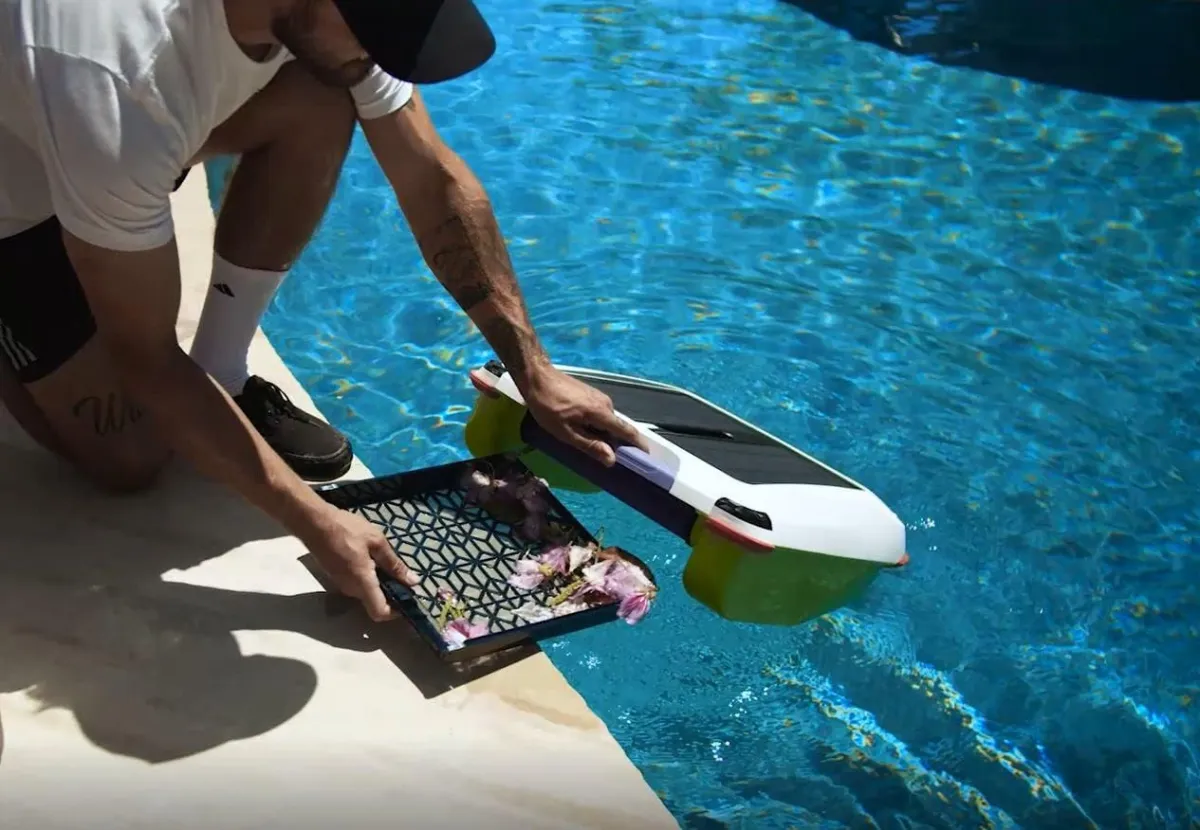
A floating pool skimmer is basically a surface cleaner. Instead of waiting for debris to drift into the built-in wall skimmer, it moves around the top of the water and collects floating debris before it sinks. Many solar models use a panel and onboard battery to power the unit, and some use sensors to help them move around the pool. The Betta smart skimmer manual describes a solar-powered unit that collects floating debris in a removable basket while maneuvering on the pool surface.
That is the key phrase: surface debris. These devices are not meant to brush steps, vacuum the floor, scrub walls, repair bad water chemistry, or replace a real weekly maintenance routine.
Common Floating Pool Skimmer Problems
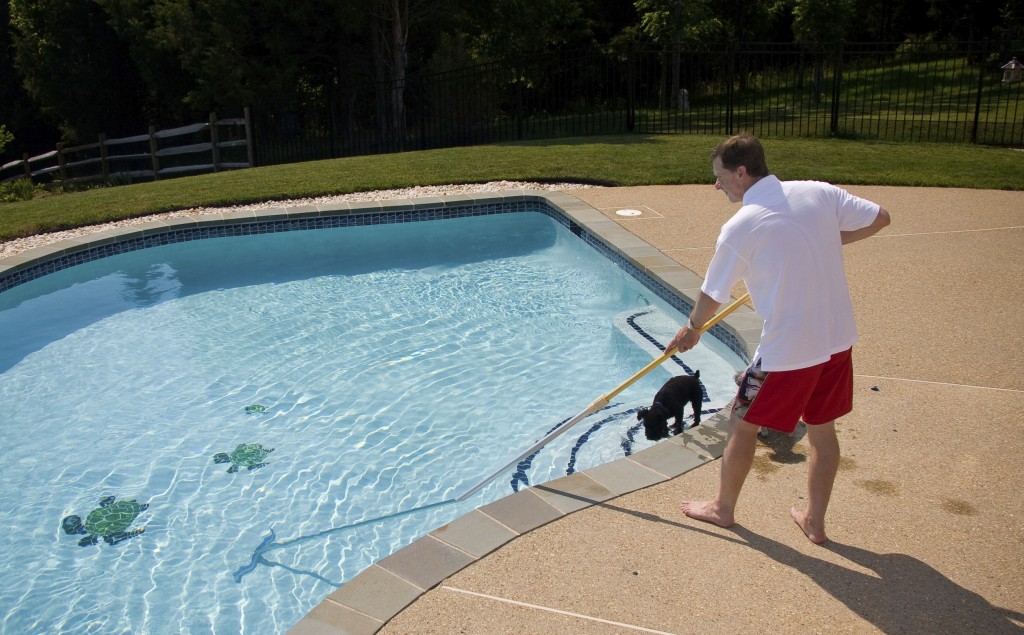
The most common floating pool skimmer problems are not mysterious. The unit gets stuck at the steps, ladder, built-in skimmer mouth, tanning ledge, or return flow. It misses corners because the surface current keeps pushing debris into the same dead zones. It may collect leaves well but struggle with fine pollen. In windy pools, it can spend too much time on one side. If it is solar powered, cloudy days, a shaded yard, or a dirty solar panel can also create battery issues.
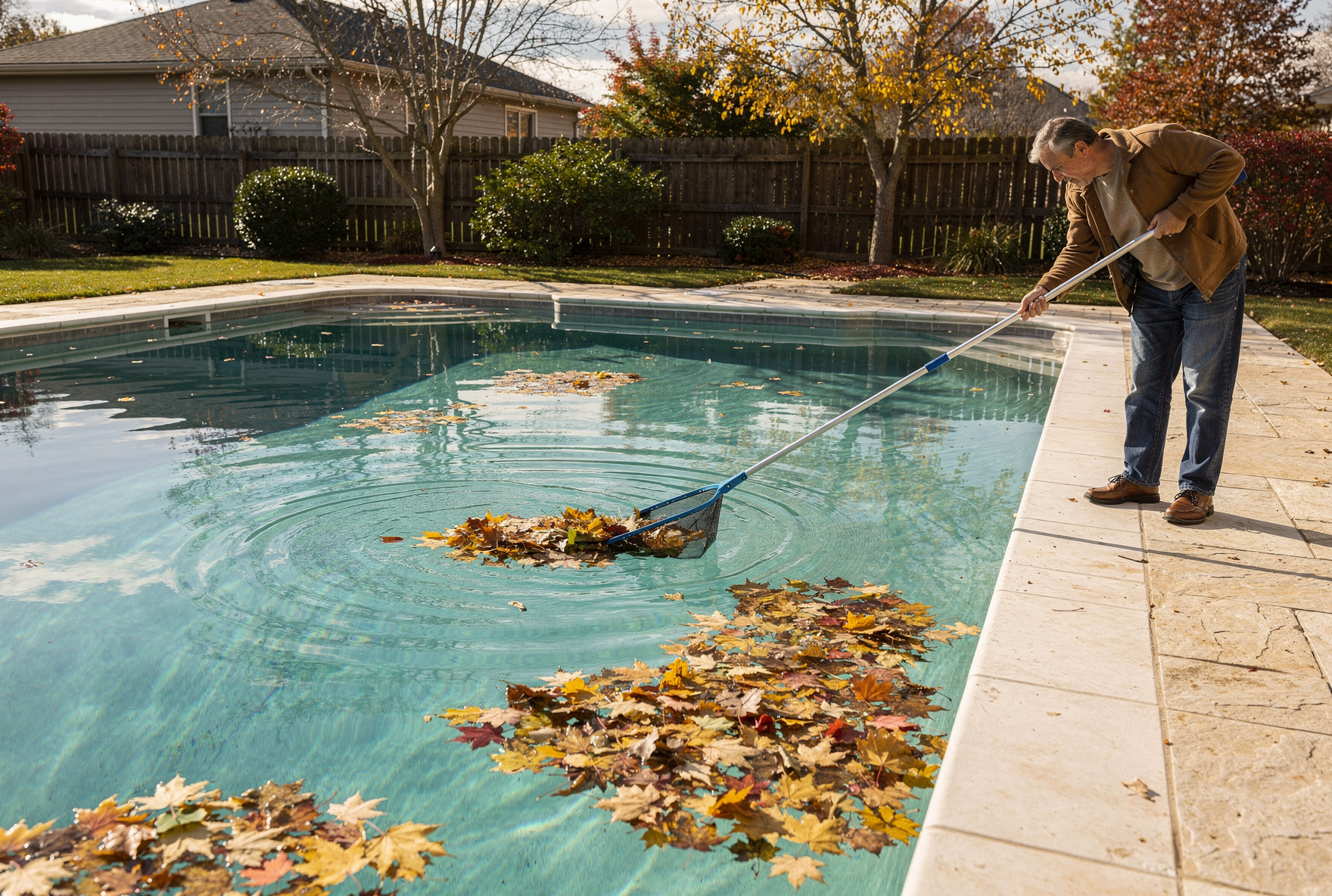
Another sneaky issue is a full basket. If the tray fills up quickly during oak pollen season, after mowing, or after a windy North Texas afternoon, the skimmer may still move around but stop collecting well. That is when homeowners think they have solar pool skimmer problems, when the real issue may be debris overload.
Why Your Pool Still Has Debris After Using a Floating Skimmer
If debris keeps returning, look at the pool’s movement. Return jets should help push surface debris toward a skimmer path instead of trapping it in corners. Weak pump flow, clogged baskets, a dirty filter, or poor valve settings can all make the surface look lazy. PoolBurg explains in our pool maintenance for beginners guide that good care depends on circulation, filtration, cleaning, and chemistry working together.
The CDC also reminds pool owners that water treatment and testing still matter even when the water looks clear. A skimmer removes visible debris, but it does not sanitize the water or correct pH and chlorine levels.
Floating Skimmer vs Built-In Pool Skimmer
A built-in skimmer is part of the pool’s circulation system. It pulls surface water into the plumbing, sends it through the pump and filter, and helps the whole pool turn over. A floating pool skimmer is more like a helper that patrols the surface. It can reduce the amount of debris that reaches your built-in skimmer, but it should not be treated like a full replacement.
For a tree-heavy yard in Frisco, Plano, McKinney, Allen, The Colony, or Prosper, both can matter. The floating unit catches debris early. The built-in system keeps water moving through the filter. When either one is weak, the pool starts looking messy again.

When the Problem Is Not the Skimmer
Sometimes floating pool skimmer problems are really pool problems wearing a tiny solar hat. If the pool has algae, cloudy water, dead spots, poor suction, or weak return jets, a skimmer will only make a small dent. PoolBurg’s pool water problems guide covers how cloudy water can come from poor filtration, low sanitizer, high pH, heavy debris, algae, or circulation trouble.
Energy use and circulation also matter. ENERGY STAR notes that efficient pool pumps can run quieter and support the filtering system, while the U.S. Department of Energy explains that pool pumps are often one of a home’s bigger energy users. That does not mean every pool needs a new pump, but it does mean flow rate, run time, and equipment condition matter more than most homeowners realize.
How to Get Better Results From a Floating Skimmer
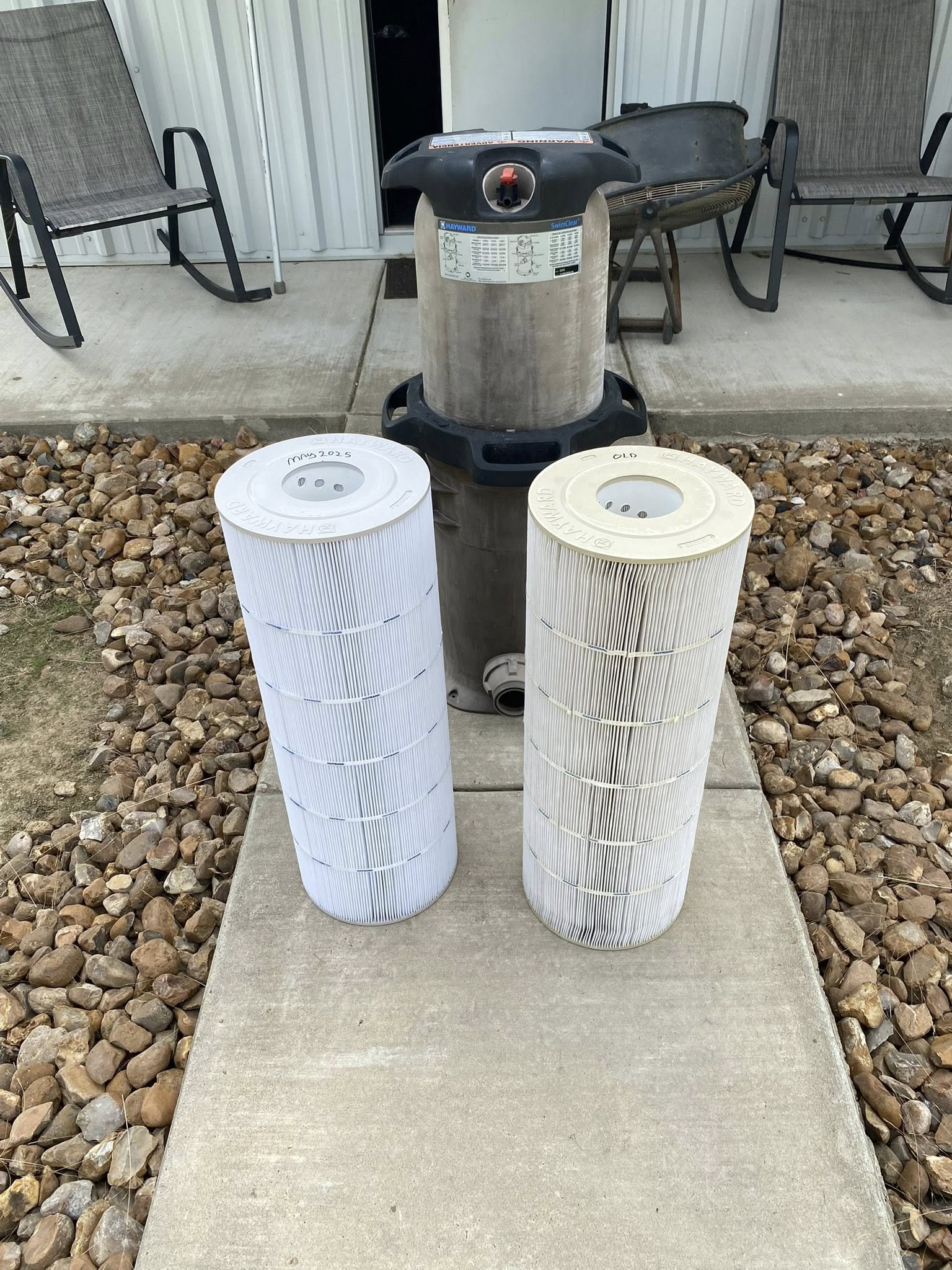
Start simple. Empty the basket often. Wipe the solar panel clean. Remove pool toys, hoses, and floating obstacles that trap the unit. Watch the skimmer for ten minutes and see where it gets stuck. Then check water level, wall skimmer suction, return jet direction, pump basket, and filter pressure. If your floating skimmer keeps missing the same corner, the pool may need better circulation, not a different gadget.
PoolBurg’s weekly pool service includes skimming, brushing, vacuuming, basket cleaning, filter care when needed, chemical balancing, and equipment checks, which is exactly why a floating device should be seen as support, not the whole plan.
People Also Ask
Do floating pool skimmers work?
Yes, floating pool skimmers can work well for leaves, bugs, and larger surface debris. They work best when the pool already has decent circulation and the basket is cleaned often.
Why does my floating pool skimmer get stuck?
It may be getting trapped by steps, ladders, wall skimmer suction, return flow, hoses, toys, or shallow ledges. Watching where it stops usually tells you what is blocking it.
Can a floating skimmer replace pool service?
No. A floating skimmer helps with surface debris, but pool service also handles brushing, vacuuming, water testing, chemical balance, filter care, and equipment inspection.
Are floating skimmers good for pollen?
They can help with some pollen, but very fine pollen may pass through, clump on the surface, or require better filtration and water chemistry support.
Why is there still debris on my pool surface?
The cause could be weak circulation, poor return direction, too much debris from nearby trees, a dirty filter, low water level, or a skimmer that keeps getting stuck.
PoolBurg Can Help Your Skimmer Work With Your Pool
Floating pool skimmer problems are annoying, but they are also useful clues. If the same debris keeps coming back, your pool may be telling you something about circulation, filtration, pump flow, or service frequency. PoolBurg can inspect your pool’s circulation pattern and skimmer performance so debris does not keep winning the backyard battle. If your pool in Frisco, Plano, McKinney, Allen, The Colony, Lewisville, Southlake, Grapevine, Las Colinas, Carrollton, Addison, Keller, Garland, Mesquite, Wylie, or Prosper keeps looking dirty after skimming, contact PoolBurg and let us help you find the real fix.