Saltwater pool not making chlorine problems can sneak up on homeowners because the system looks automatic from the outside. You see a control panel, you know there is salt in the water, and it feels like the pool should take care of itself. Not quite. A salt system still needs the right salt level, clean cell plates, enough water flow, correct output settings, balanced pH, and enough stabilizer to protect chlorine from the sun. When one of those pieces slips, a saltwater pool low chlorine issue can show up fast, especially in Frisco, Allen, McKinney, Prosper, Southlake, and Las Colinas.
How A Salt System Actually Makes Chlorine
A salt chlorine generator uses electrolysis to turn dissolved salt into chlorine as water flows through the salt cell. So yes, salt pools are still chlorine pools. Salt level alone is not the full answer. The CDC explains that chlorine and pH are the first defense against germs in pool water, and recommends keeping residential pool pH between 7.0 and 7.8 with proper chlorine levels.
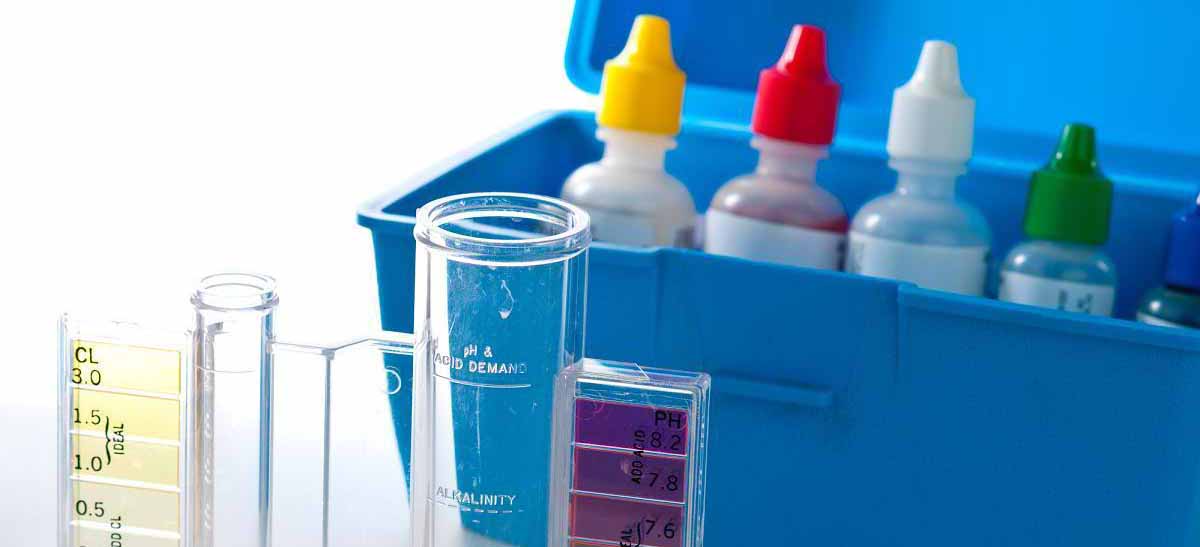
That means a salt pool chlorine problem can come from the generator, but it can also come from water balance. If chlorine is being produced but pH is too high, stabilizer is wrong, or demand is heavy after a storm or party, the pool can still test low.
The Most Common Reasons Chlorine Production Drops
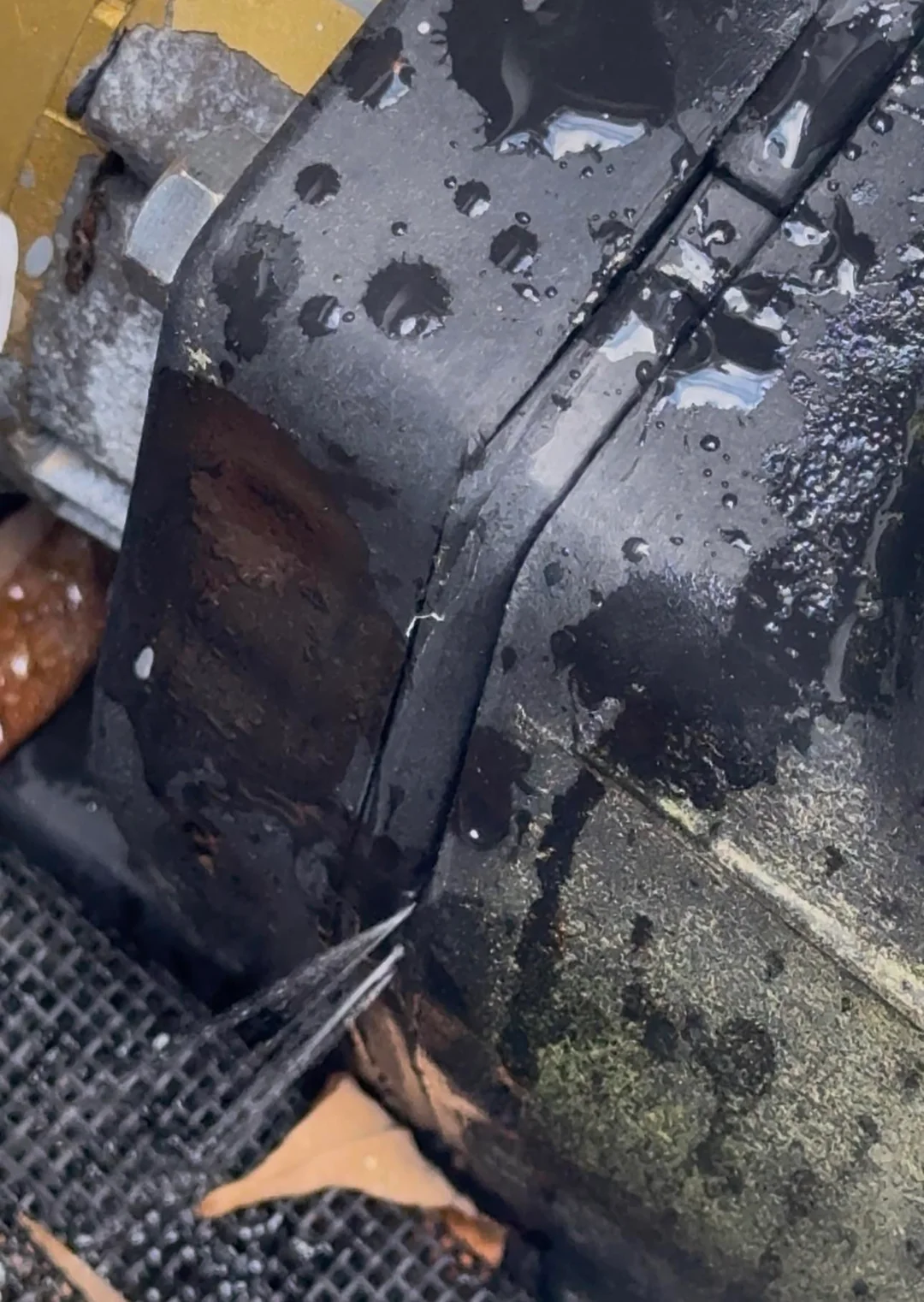
The first suspect is scale. North Texas hard water can leave calcium scale on the cell plates, making the salt cell not producing chlorine problem worse. Orenda’s scale guidance explains that unbalanced water or a high pH ceiling can lead to calcium carbonate scale in salt chlorine generators.
Low flow is another big one. If the pump is off, the filter is dirty, valves are wrong, baskets are clogged, or the flow switch is not satisfied, the system may stop generating. Leslie’s Hayward AquaRite troubleshooting guide notes that a No Flow light means the salt cell has stopped generating chlorine due to lack of water flow.
Other causes include low salt, wrong cell type setting, a dirty filter, cold-water shutdown behavior, an aging cell, or output set too low for Texas summer. Hayward’s AquaRite manual says low salt reduces efficiency and causes low chlorine production, while high salt can cause the system to shut down.
What A Homeowner Can Check First
Start with the panel. Look for low salt, inspect cell, no flow, service, or temperature messages. Then check whether the pump is running, valves are open, baskets are clean, filter pressure is normal, and water is actually moving through the cell. If you are comfortable doing it safely, inspect the cell for white crusty scale.
Next, compare the actual free chlorine reading to the output setting. If the system is set low and the pool has had heavy use, storms, or direct sun, the generator may simply be falling behind. Pentair’s IntelliChlor manual explains that if water salinity is too low, the cell will deactivate until salt is added, which is why panel messages and independent salt testing both matter.
When This Is A Chemistry Issue, Not A Dead Cell
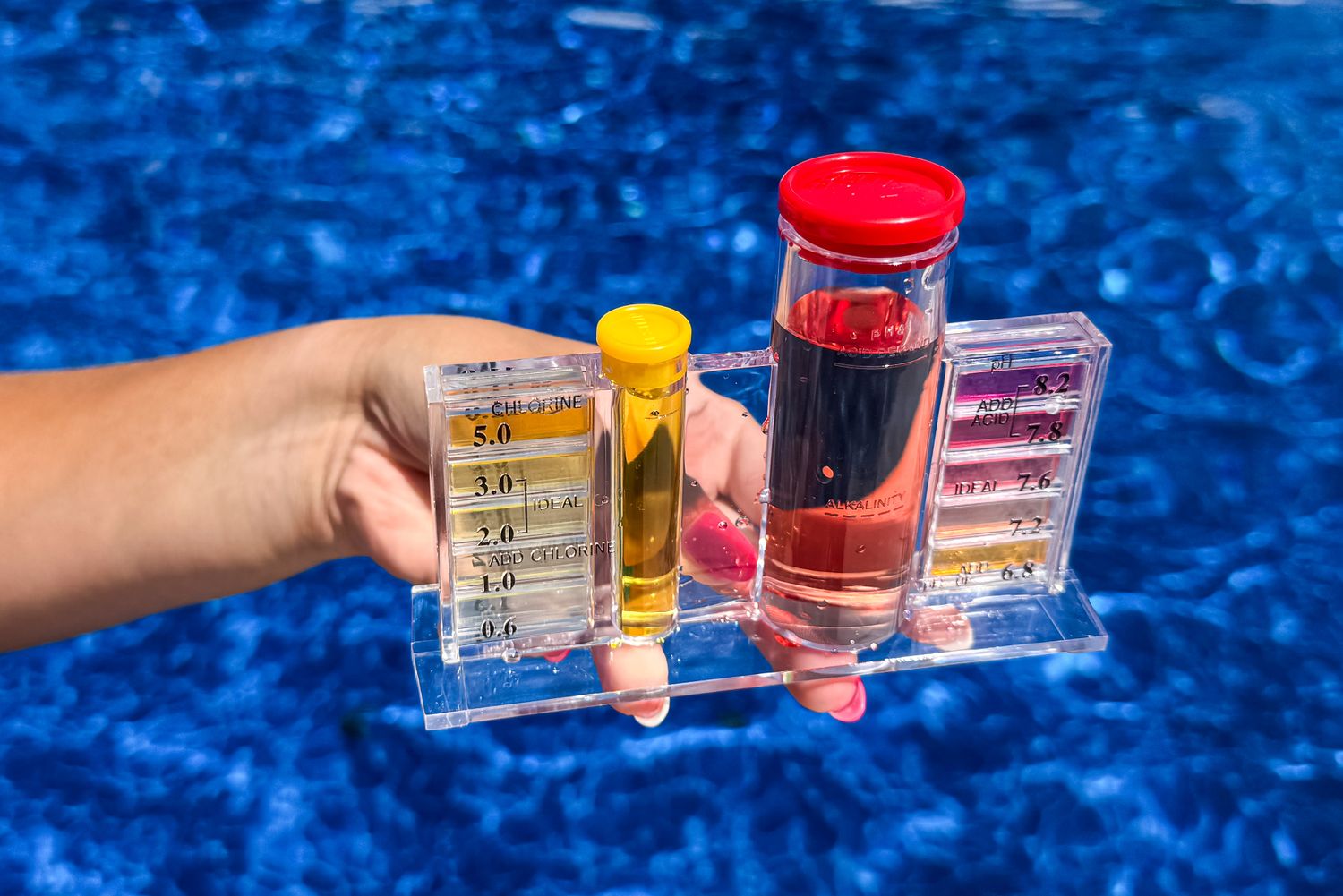
A salt system not working complaint is not always a dead cell. After a pool party, heavy rain, algae start-up, or hot windy week, chlorine demand can jump. If stabilizer is too low, sunlight can chew through chlorine quickly. If pH is high, chlorine becomes less effective. If the filter is dirty or circulation is weak, the water may stay cloudy even while the cell tries to keep up.
That is why PoolBurg checks chemistry before blaming equipment. Our salt cell scale buildup, saltwater pool pH problems, salt water pool chemicals, and saltwater pool cloudy water guides all explain how salt-system performance depends on the whole pool, not just the cell.

People Also Ask
Why is my saltwater pool not making chlorine?
Common causes include a scaled cell, low salt, low flow, dirty filter, wrong output setting, cold-water shutdown, high pH, low stabilizer, heavy chlorine demand, or an aging cell.
How do I know if my salt cell is bad?
A bad salt cell may show repeated service warnings, fail to produce after cleaning and balancing, give inconsistent salt readings, or test low chlorine even with correct flow, salt, and output settings.
Can cold water stop a salt cell?
Yes. Many salt systems reduce or stop production when water temperature is too low, depending on the model.
Do I still need to shock a saltwater pool?
Sometimes. Salt pools may still need shock after storms, heavy swimming, algae, or high combined chlorine. The key is testing first instead of guessing.
Can high pH cause low chlorine in a salt pool?
High pH can make chlorine less effective, so the pool may behave like it has a sanitizer problem even when the cell is running.
PoolBurg Can Diagnose Your Salt System Before It Turns Green
If your saltwater pool not making chlorine issue keeps coming back, PoolBurg can inspect the salt cell, check output settings, test the water, verify flow, review filter condition, and separate equipment failure from chemistry demand. Contact PoolBurg for a salt-system inspection before a low-chlorine warning turns into a full algae recovery.