While it may seem like just another technicality, pool calcium hardness serves as a vital indicator of your water’s mineral balance. This measurement tracks the concentration of dissolved minerals, determining how saturated or aggressive the water becomes toward your investment. Inadequate levels can lead to corrosive conditions that etch plaster and grout, while a high calcium pool often triggers stubborn scale buildup and cloudy water. These issues are frequently exacerbated when rising pH and intense heat allow minerals to fall out of solution and crust over tile or salt cells.
For PoolBurg homeowners in Frisco, Plano, McKinney, Allen, Prosper, Keller and the wider DFW area, pool calcium hardness deserves attention because North Texas fill water already carries minerals. North Texas Municipal Water District describes the treated water it supplies as moderately hard because of naturally occurring minerals. Add Texas evaporation, regular refilling and hot equipment pads, and a high calcium pool can sneak up faster than people expect.
What Pool Calcium Hardness Really Tells You
Pool calcium hardness is not the same thing as chlorine, pH or alkalinity. It is a mineral balance number. Your pool can have perfect chlorine and still scale if the pool hardness level is too high and pH keeps drifting upward. That is why water balance should be read as a group, not as one isolated number.
A useful way to think about it is this: calcium is not “bad.” Plaster pools need some calcium in the water. The problem starts when there is too much calcium and the water can no longer keep it dissolved. Then it can show up as cloudy water, rough deposits, tile scale, salt-cell scale or white buildup around fittings.
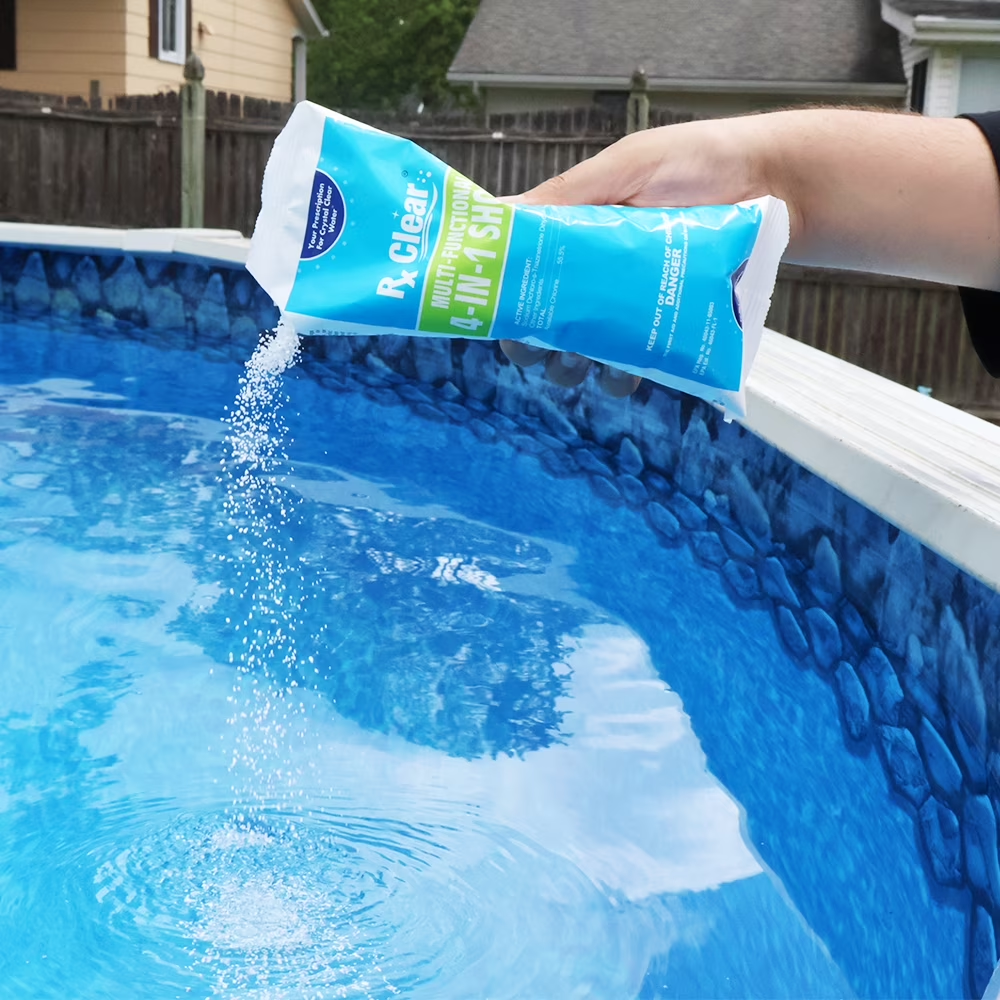
What Should Your Pool Hardness Level Be?
A common residential target is roughly 200 to 400 ppm for many plaster, gunite or concrete pools. Vinyl and fiberglass pools are often managed lower, commonly around 150 to 250 ppm, depending on manufacturer guidance and overall balance. Pentair’s pool water chemistry guidance lists 150 to 400 ppm as an ideal calcium hardness range for balanced pool water.
That does not mean 401 ppm automatically requires panic. It means you should look at the full picture: pH, alkalinity, temperature, salt, cyanuric acid, waterline scale and the LSI or saturation index. PoolBurg’s Water Chemistry Calculator is useful because balanced water is about more than one number sitting in a chart.
What High Calcium Pool Water Looks Like
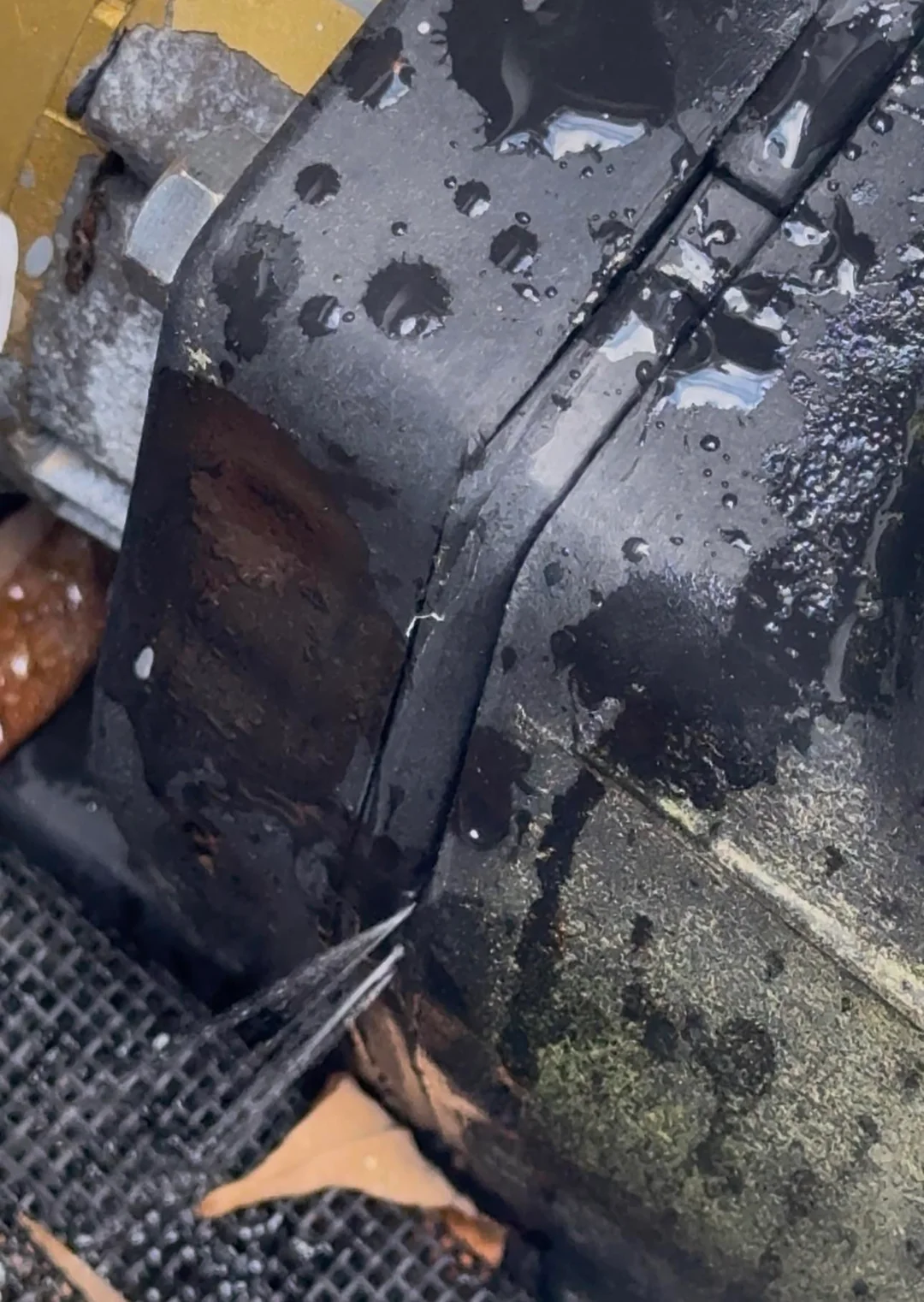
A high calcium pool does not always look dramatic at first. The early clues are usually small: a dusty white waterline, rough tile, a salt system that needs cleaning too often, cloudy water after pH climbs, or scale around a spillover spa. In saltwater pools, calcium scale can stick to the cell plates and make chlorine production look weaker than it really is. That is why PoolBurg’s salt cell scale buildup guide pays so much attention to high pH, high alkalinity and warm water.
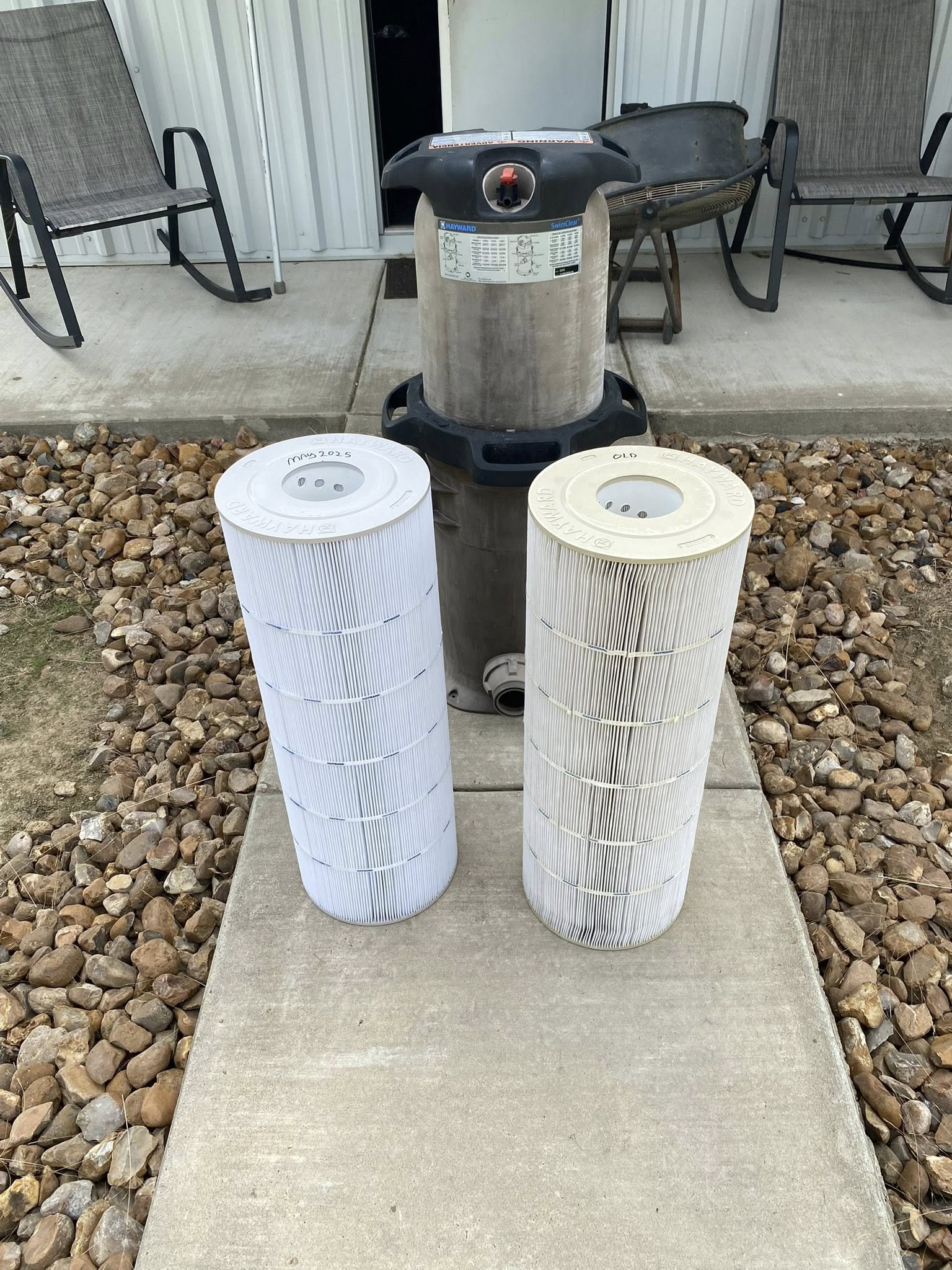
High calcium also matters around heaters. Scale inside a heat exchanger acts like insulation, making heating less efficient and harder on the equipment. If you are seeing milky water, white flakes from returns, or repeated salt-cell warnings, do not just dump in more chemicals and hope. Test properly first.
Can Pool Calcium Hardness Be Too Low?
Yes. Low calcium hardness can make water more aggressive, especially in plaster pools. When water is too soft, it may pull minerals from plaster and grout to satisfy the balance. Over time, that can contribute to etching, rough surfaces and premature surface wear. This is why the right pool hardness level is not “as low as possible.” It is “balanced for your pool surface.”
The other chemistry numbers still matter. CDC home pool water treatment guidance recommends keeping pool pH in the proper operating range and maintaining sanitizer so water stays safe for swimmers. Calcium hardness protects surfaces and equipment; sanitizer and pH protect people and comfort.
How Lowering Pool Hardness Really Works
Here is the part homeowners do not always love: there is no magic bottle that removes calcium from pool water. For true lowering pool hardness, the practical fix is dilution with lower-hardness water, a controlled drain and refill, or specialized mobile reverse-osmosis treatment where available. Taylor Technologies’ calcium hardness guidance explains that partial draining and refilling with lower-hardness water is one of the direct ways to decrease calcium hardness.
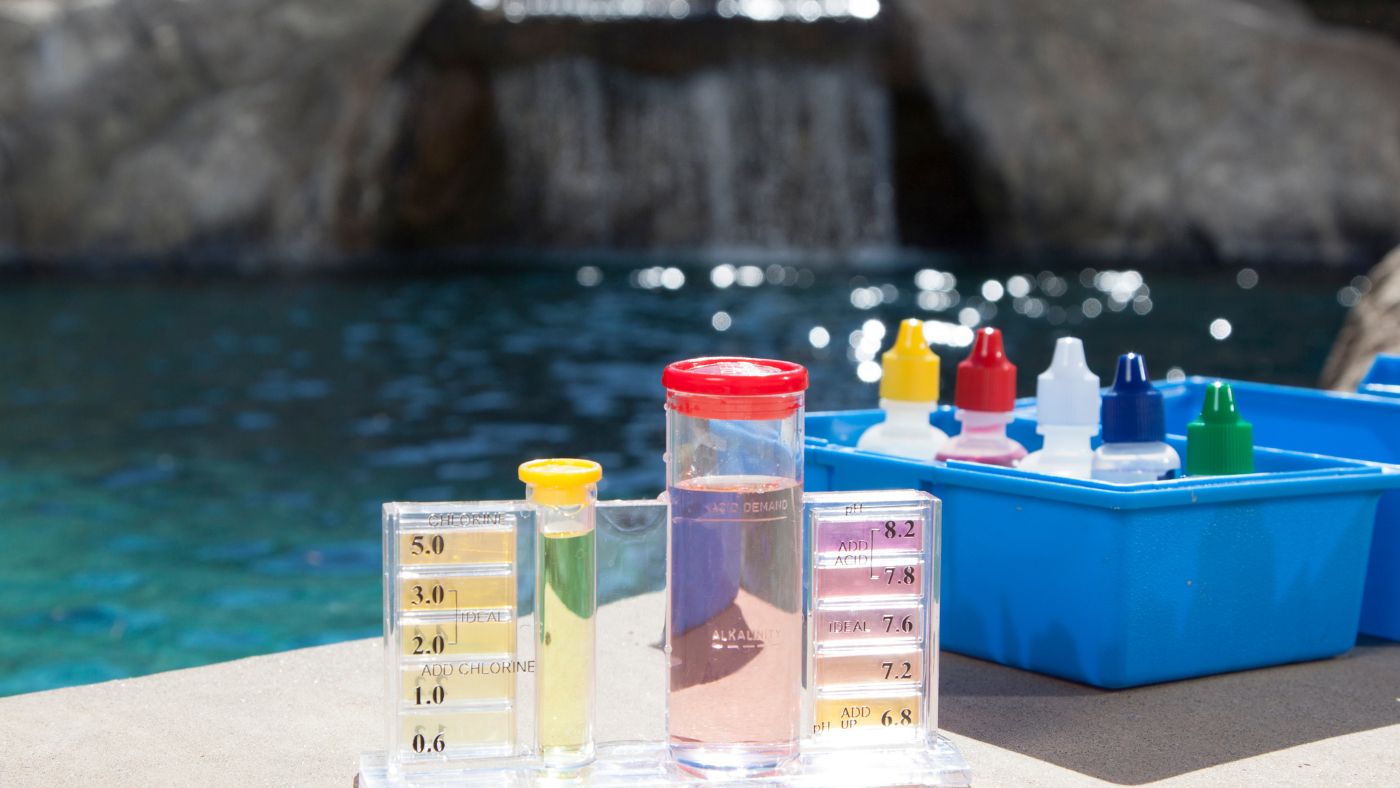
Scale inhibitors can help keep minerals suspended for a while, but they do not delete calcium from the pool. Soda ash and baking soda do not lower calcium hardness either; in the wrong situation, they can raise pH or alkalinity and make scale more likely. If your pool calcium hardness is high but not extreme, the smarter move is often to control pH, alkalinity and evaporation before scheduling a big water exchange.
A cover helps because evaporation leaves minerals behind while replacement water adds more minerals. EPA WaterSense pool water efficiency guidance notes that pool covers can prevent up to 95% of pool water evaporation. Less evaporation means less refill water and slower mineral concentration over time.
The DFW Way to Manage Pool Calcium Hardness
In Dallas-Fort Worth, the best approach is usually steady management, not overcorrection. Test calcium hardness with a dependable kit or professional test. Track your clean readings. Keep pH from drifting high. Watch the salt cell, tile line and heater. If the number keeps climbing because of evaporation and refill water, talk to PoolBurg before draining half the pool based on one strip reading.
PoolBurg can pair a professional pool water test with equipment inspection so you know whether the issue is chemistry, scale, filtration or old buildup. If dilution is actually needed, our pool drain and refill guidance helps homeowners understand when that step makes sense.
Quick Checklist Before You Adjust Calcium
- Retest with a reliable kit before making a major decision.
- Compare calcium hardness with pH, alkalinity and water temperature.
- Inspect tile, plaster, returns, heater unions and salt-cell plates for scale.
- Do not add calcium increaser unless the test clearly shows low hardness.
- Do not try to lower calcium with soda ash or baking soda.
- Consider controlled dilution only when the pool hardness level is truly too high and scale control is no longer enough.
PoolBurg Can Help Stop Scale Before It Gets Expensive
If your pool calcium hardness is creeping up, your salt cell keeps scaling, or the water turns cloudy every time pH rises, PoolBurg can test the water and explain the next step without guesswork. We help DFW homeowners protect plaster, heaters, filters and salt systems with practical chemistry plans, scale prevention and honest advice on whether lowering pool hardness actually requires a partial water change.
People Also Ask
What should my pool hardness level be?
Most plaster, gunite and concrete pools are commonly managed around 200 to 400 ppm. Vinyl and fiberglass pools are often lower, around 150 to 250 ppm. The best target depends on pool surface, pH, alkalinity, temperature and overall water balance.
How do I lower pool calcium hardness?
True lowering pool hardness usually requires dilution, a controlled partial drain and refill, or reverse-osmosis service where available. Scale products can help manage minerals, but they do not remove calcium from the water.
Can high calcium pool water make the pool cloudy?
Yes. When calcium hardness is high and pH climbs, calcium can fall out of solution and create cloudy or milky water. It can also leave white scale on tile, salt cells and equipment.
Can you swim in a pool with hard water?
Usually, yes, as long as sanitizer and pH are in safe range. Hard water is more of a scale, comfort and equipment problem than an immediate swimming ban, but it should still be managed.
Should I add calcium chloride to my pool?
Only if testing shows calcium hardness is too low for your pool surface. In North Texas, many pools already have enough calcium from fill water, so adding calcium without a test can make scale problems worse.