Pool tile calcium buildup is one of those pool problems that sneaks up quietly. One week the waterline looks a little cloudy. A month later, you have a rough white ring that laughs at your brush. In North Texas, that is not rare. Hard fill water, hot weather, evaporation, high pH, and splash-out can all help scale grab onto tile and stay there.
The good news is that pool tile calcium buildup can usually be treated. The not-so-fun part is that the right fix depends on how heavy the scale is and what caused it in the first place. That is where a little testing saves a lot of scrubbing.
What Pool Tile Calcium Buildup Looks Like
Most homeowners notice pool tile calcium buildup as a white, gray, or chalky line right at the waterline. It may feel crusty under your fingers. Sometimes it shows up near spillways, raised spas, tanning ledges, waterfalls, or anywhere water constantly dries on the surface.
Light buildup may look like a dull haze. Heavier pool tile scale can become thick, sharp, and stubborn. If you see white scale on pool tile and it keeps coming back after brushing, the issue is probably deeper than “dirty tile.”
Why Calcium Builds Up on Pool Tile
Calcium buildup on pool tile usually starts with water balance. When calcium hardness, pH, and total alkalinity drift too high, the water is more likely to leave minerals behind. Then Texas heat does what Texas heat does: it evaporates water fast and leaves the minerals sitting on the tile.
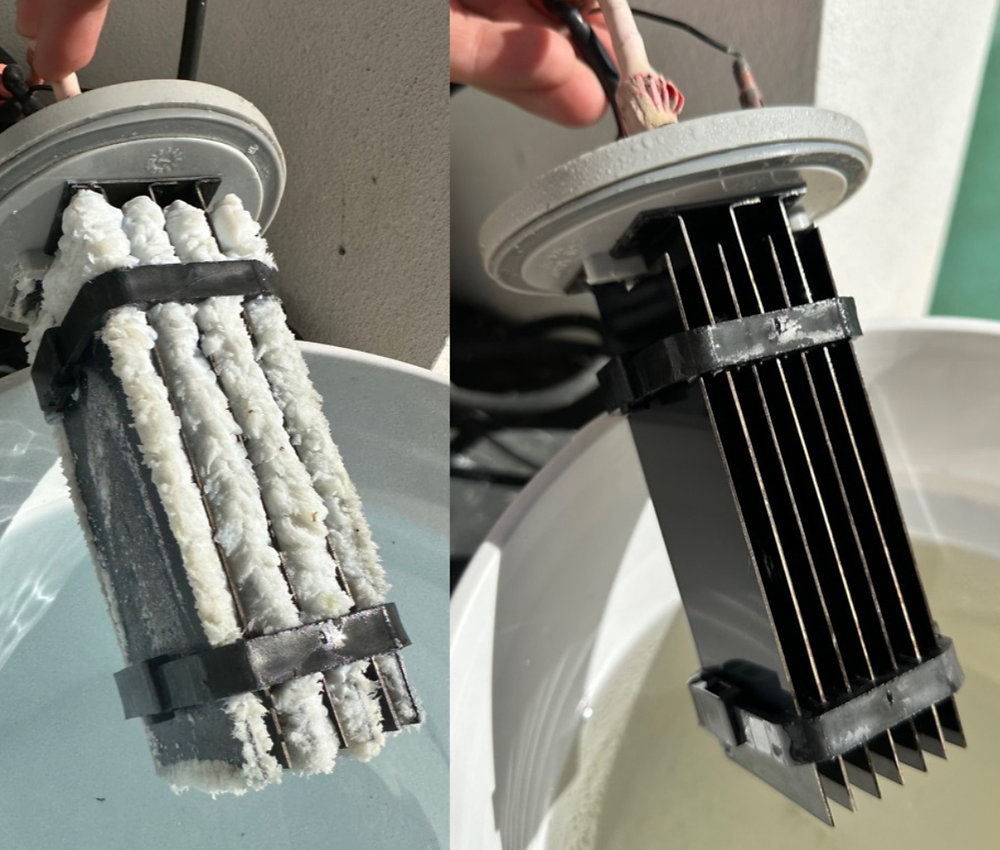
Hard water pool stains are especially common in Frisco, McKinney, Allen, Prosper, Southlake, Keller, Grapevine, and Las Colinas because many pools are constantly being topped off with mineral-heavy water. Saltwater pools can also get scale around the waterline, salt cells, and spillover areas when pH and calcium are not managed. For a deeper chemistry angle, this connects closely to pool calcium hardness and swimming pool pH levels.
Is Calcium Buildup Just Cosmetic?
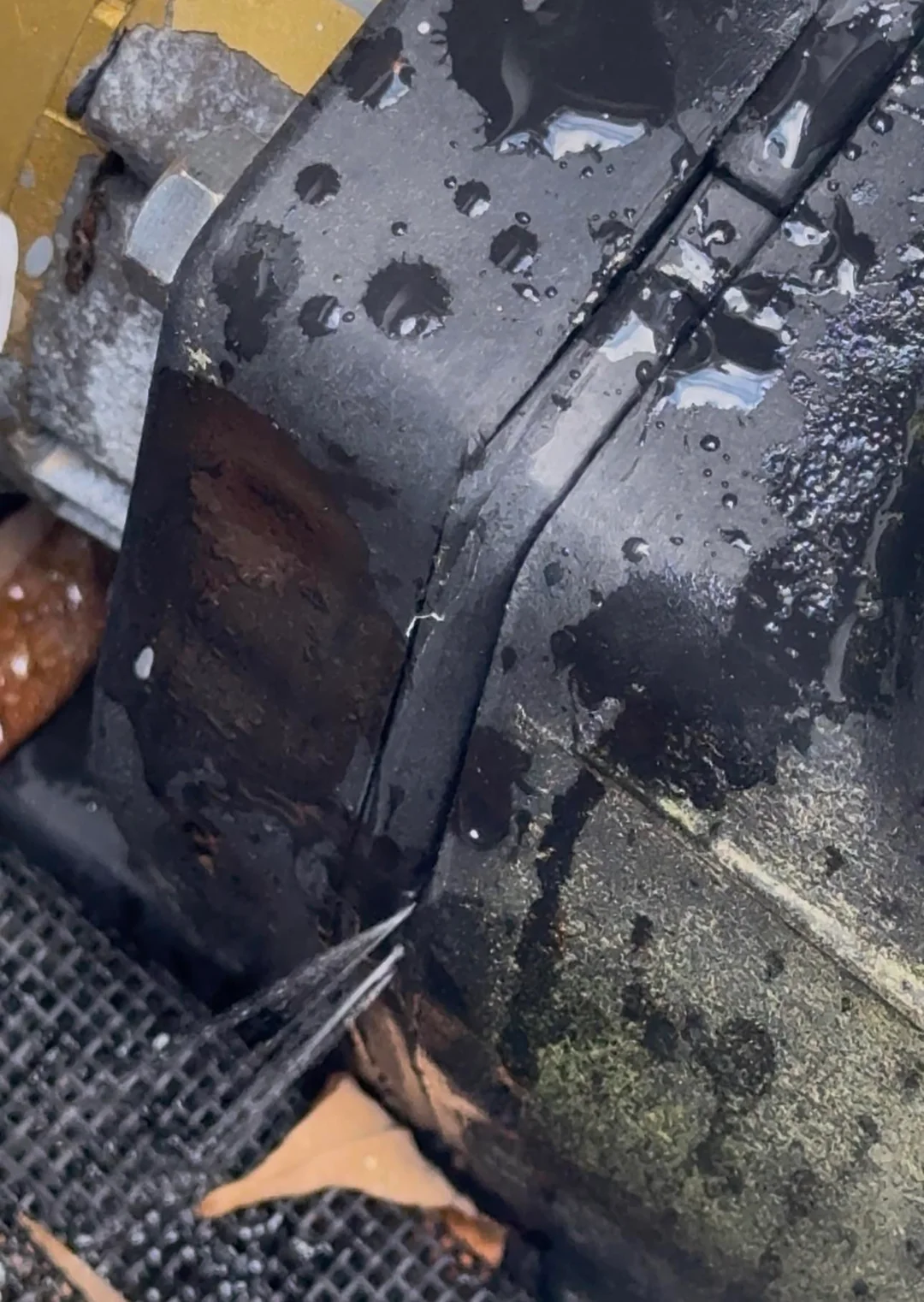
Not always. A little haze on the tile might be mostly cosmetic, but pool tile calcium buildup can be a warning sign that scale may also be forming where you cannot see it. Heaters, salt cells, plumbing, and water features can all suffer when the same water balance problem keeps going.
That is why PoolBurg does not treat pool tile scale like a simple “wipe it off and forget it” issue. If the water is scaling at the tile, the equipment deserves a look too, especially if you have noticed cloudy water, heater problems, or a salt cell that keeps scaling.
How to Remove Calcium From Pool Tile
For light pool tile calcium buildup, start gentle. A pool-safe tile brush and regular waterline brushing may help before the scale hardens. Some pool-safe scale products can loosen deposits, but they should match your surface type and water chemistry. Random household cleaners are risky because they can damage tile, plaster, grout, coping, or throw chemistry out of balance.
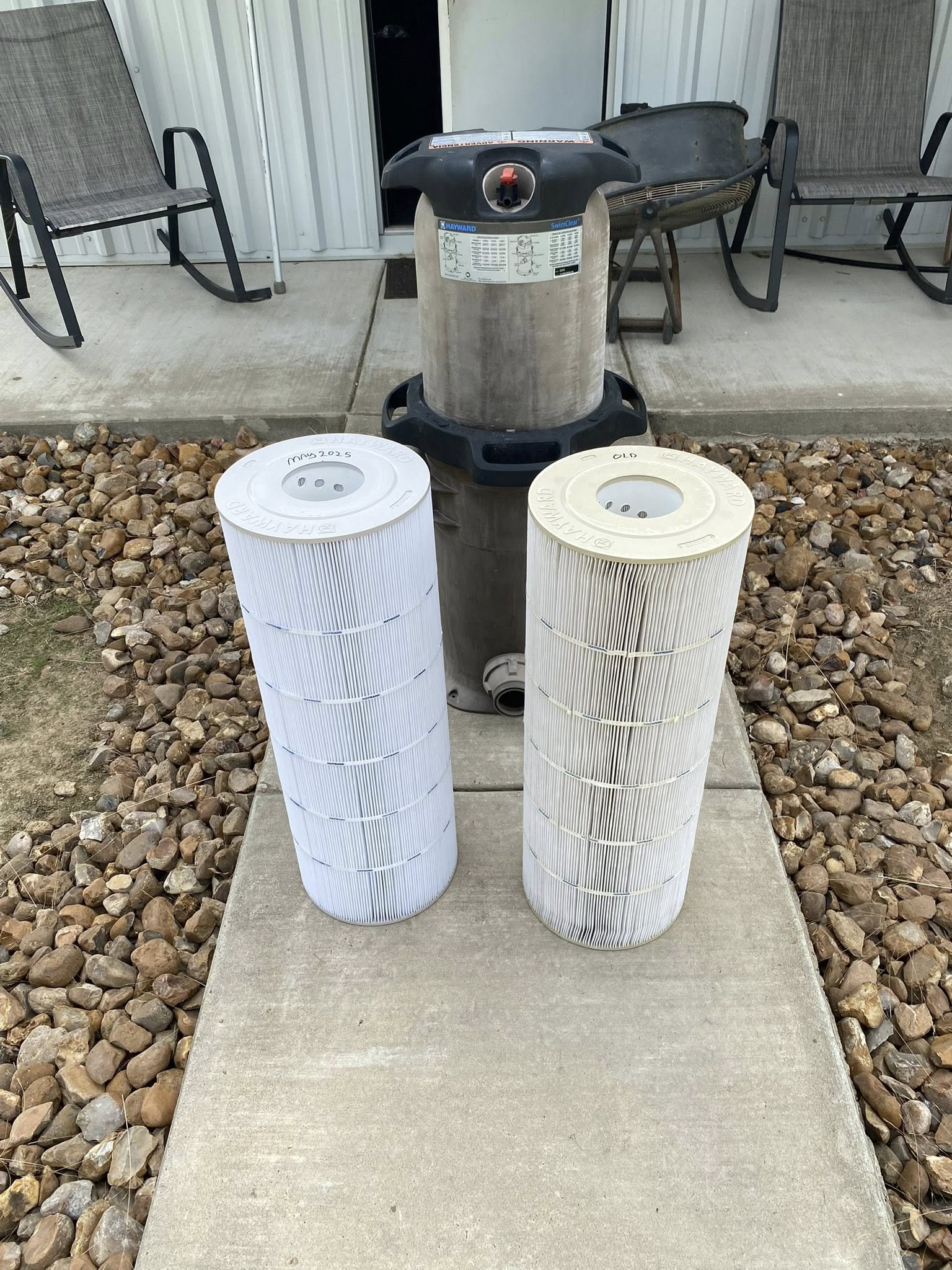
For heavy white scale on pool tile, professional cleaning may be the better route. Bead blasting or other pool-safe media cleaning can remove stubborn deposits without homeowners leaning over the edge for hours with the wrong tool. The key is not just removing the buildup, but avoiding damage to tile glaze, grout, stone, or plaster.
PoolBurg tip: If the scale feels sharp, thick, or gritty, do not attack it with metal tools. That is how a calcium problem turns into a tile repair problem.
How to Prevent Calcium From Coming Back
The real win is prevention. Keep pH under control, test calcium hardness, manage total alkalinity, and brush the waterline before scale settles in. After heavy evaporation or refilling, test again because new fill water can shift calcium and alkalinity. This is also why pool water testing kits matter more than most homeowners think.
If you already have pool plaster stains, recurring tile scale, or salt cell scale buildup, treat it as a water balance pattern, not a one-time mess. PoolBurg can test the water, inspect the equipment, and identify whether the scale is isolated to the tile or part of a bigger issue.
People Also Ask
What causes calcium buildup on pool tile?
Pool tile calcium buildup is usually caused by high calcium hardness, high pH, high alkalinity, evaporation, and hard fill water. Splash-out near the waterline leaves minerals behind as water dries.
How do you remove white scale from pool tile?
Mild scale may brush off with pool-safe tools. Heavy white scale on pool tile may need professional scale treatment or bead blasting to remove deposits without damaging the surface.
Is calcium buildup bad for a pool?
It can be. The tile may look ugly first, but scale can also point to water balance problems that affect heaters, salt cells, plumbing, and surfaces.
Does hard water cause pool scale?
Yes. Hard water contains more dissolved minerals, and when pH, alkalinity, heat, and evaporation line up, those minerals can leave crusty deposits.
Can saltwater pools get calcium buildup?
Yes. Saltwater pools can still get calcium buildup on pool tile, especially when pH rises or the salt cell has scale issues.
How do I stop pool tile scale from coming back?
Test regularly, control pH, manage calcium hardness and alkalinity, brush the waterline, and have recurring scale checked before it affects equipment.
PoolBurg Can Help Find the Real Cause
If pool tile calcium buildup keeps coming back, PoolBurg can help identify whether it is just a waterline issue or part of a larger water balance problem. We can test your pool, check the equipment, and recommend a smart cleaning plan instead of letting you waste money on products that do not match the problem. Schedule help through PoolBurg Contact.