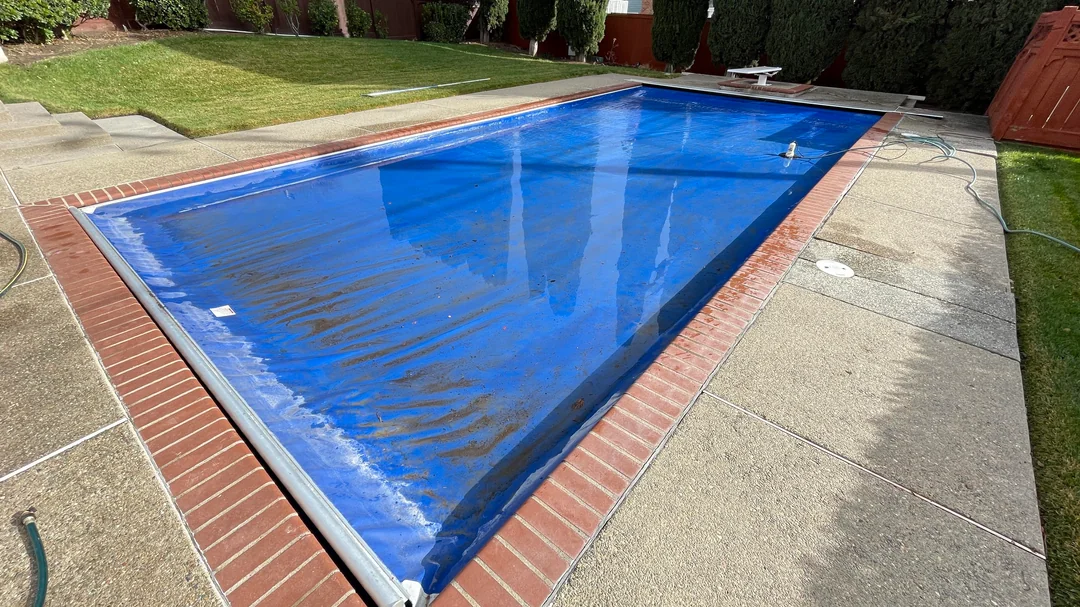
Regular automatic pool cover track cleaning might seem like a minor chore, but it becomes essential the moment your cover begins to hesitate, wrinkle, or jam. These narrow aluminum channels are responsible for guiding the fabric across the water. When they become clogged with leaves, silt, pollen, or gritty debris, the entire system must strain to operate rather than gliding with ease.
Why Automatic Pool Cover Tracks Need Cleaning
Automatic covers are great because they help reduce evaporation, heat loss, debris, and chemical demand when the pool is closed. Coverstar notes that automatic covers can reduce evaporation and chemical consumption, but the system still needs regular care. The fabric, ropes, sliders, pulleys, motor, and tracks all work together. If the tracks get gritty, that grit can act like sandpaper on the webbing and make the cover move unevenly.
That is why Coverstar recommends keeping the system free from dirt and debris that can collect in the track or cover housing. In plain homeowner language: a clean track gives the cover a fighting chance to do its job without straining itself.
Signs Your Cover Tracks Are Dirty
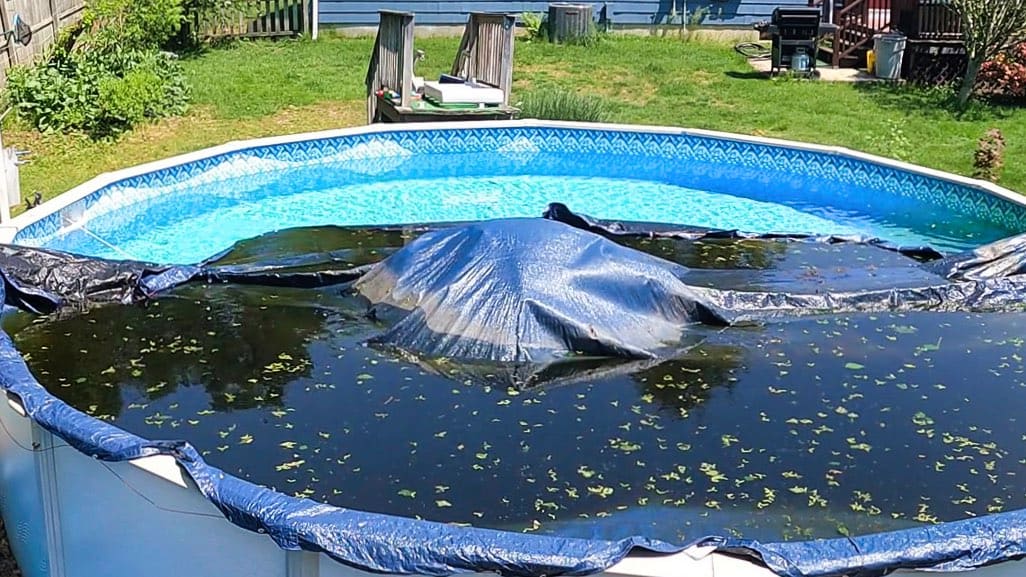
The first sign is usually not dramatic. The cover may just sound different. Maybe it hesitates, moves slower on one side, or leaves a wrinkle where the fabric used to sit flat. Once pool cover track debris builds up, you may notice:
- The automatic cover gets stuck or pauses halfway.
- One side moves faster than the other side.
- The motor sounds strained or louder than normal.
- Leaves, acorns, sand, or mud are visible inside the track.
- The cover closes crooked or does not sit squarely over the pool.
- Standing water and dirt keep collecting in the same areas.
These symptoms do not always mean the motor is bad. Sometimes automatic pool cover track cleaning is all that is needed. Other times, dirty tracks are the warning sign before a rope, pulley, or slider issue shows up.
How to Clean Automatic Pool Cover Tracks
Start simple. Open the cover only if it can move normally and safely. Remove loose leaves, twigs, and dirt from the cover surface first so they do not get dragged into the track. A leaf blower, soft broom, or pool brush can help, depending on how much debris is sitting there.
Next, rinse the tracks gently but thoroughly. Covermatic recommends spraying into the aluminum deck track slots with a garden hose to remove built-up dirt and debris. A normal hose is usually enough. The goal is to flush debris out, not blast or damage the track.
- Use water, a soft brush, or a plastic-safe tool for light cleaning.
- Keep sharp screwdrivers, knives, and metal picks out of the track.
- Rinse toward an open area where debris can escape.
- Check both tracks, not just the side that looks dirty.
- Look inside the cover box or housing area if your system has one.
For the cover fabric itself, Cover Care recommends removing water and debris before opening or closing an automatic cover. That matters because dragging muddy water, leaves, or grit across the track can turn a small cleaning task into a bigger automatic pool cover track maintenance problem.
What Not to Do When a Cover Is Stuck
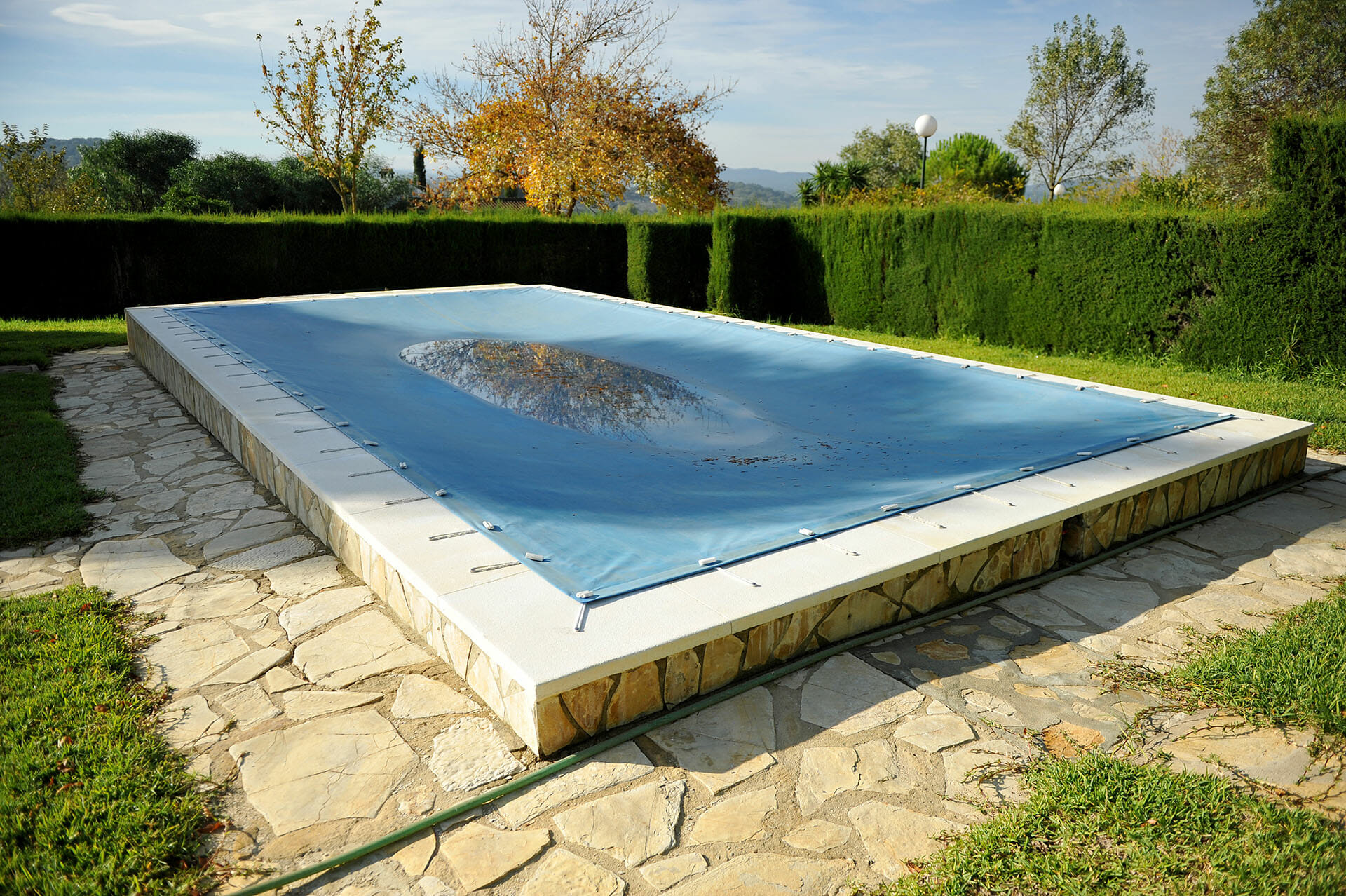
Please do not force a stuck cover. That is the pool-owner version of hearing a weird car noise and pressing the gas harder. If the cover jams, stop and look for obvious debris, standing water, or uneven movement. Forcing it can damage the ropes, fabric, sliders, or motor.
A cover that will not open or close may have track debris, rope trouble, or alignment problems. PoolStar explains that excess water or track impediments can cause automatic cover problems, so the smart move is to check the simple stuff first and call for service when the cover keeps fighting you.
When Track Problems Need Service
Automatic pool cover track cleaning can handle dirt, leaves, and some buildup. It will not fix a bent track, worn rope, failing pulley, damaged slider, or motor that is already struggling. Service is the better call if the cover keeps jamming, one side travels ahead of the other, the cover no longer closes squarely, or you hear grinding, popping, or heavy strain.
This is especially true for Southlake, Grapevine, Keller, Las Colinas, Prosper, Frisco, and Plano homes with lots of trees, wind, pollen, and storm debris. A cover may look tough, but it still depends on smooth movement. PoolBurg can inspect the tracks, clean debris, check alignment, and catch cover issues before the fabric or motor gets damaged.

People Also Ask
Why does my salt system say no flow?
Your salt system says no flow when the controller does not detect enough water moving through the cell or flow switch. The cause may be low circulation, a dirty filter, a closed valve, air in the system, or a bad flow switch.
Can a dirty filter cause a salt system no flow warning?
Yes. A dirty filter can restrict water enough that the salt chlorinator flow switch does not close properly. Clean or backwash the filter, then recheck the warning.
Does no flow mean my salt cell is bad?
Not always. A no flow warning usually points to circulation or the flow switch first. The salt cell may be dirty or scaled, but the pump, filter, valves, and water level should be checked too.
Can low water level trigger no flow?
Yes. Low water can let the skimmer pull air, which can reduce flow through the pump and cell. Bring the water to the right level before deeper troubleshooting.
What does a salt chlorinator flow switch do?
A flow switch confirms that water is moving through the salt system. If it does not detect flow, the controller can stop chlorine production.
Why is my salt cell not producing chlorine?
If the No Flow light is on, the cell may not produce chlorine because the system has shut output down. If flow is normal, then salt level, cell scale, cell age, wiring, and the control board may need testing.
When to Call PoolBurg
A saltwater pool no flow warning is common in Frisco, Allen, McKinney, Prosper, Keller, Southlake, and Wylie, especially after storms, filter pressure changes, or equipment adjustments. PoolBurg can test whether the issue is poor circulation, a flow switch, or the salt cell itself. And because salt systems depend on both equipment and chemistry, CDC pool chemical safety guidance is also a good reminder to handle pool chemicals carefully while the system is being corrected.
If your no flow light keeps coming back, schedule a service visit through PoolBurg contact us. We will check the pump, filter, valves, flow switch, salt cell, and chlorine level so your pool does not quietly drift out of balance.
PoolBurg tip: If the No Flow light appeared right after cleaning, plumbing, or turning valves, retrace that exact change first. Pool equipment has a funny little habit of blaming the wrong part when one valve is slightly off.