Fiberglass pool resurfacing can renew a faded, rough, or blistered finish when the shell remains sound. First separate surface wear from shell movement and water loss.
PoolBurg identifies what failed before recommending cleaning, localized fiberglass pool repair, or complete restoration.
What Fiberglass Pool Resurfacing Means
A one-piece shell differs from concrete later coated with fiberglass. Each needs different preparation. The original smooth gelcoat surface is factory-applied; in-ground fiberglass pool resurfacing normally uses a compatible field-applied coating.
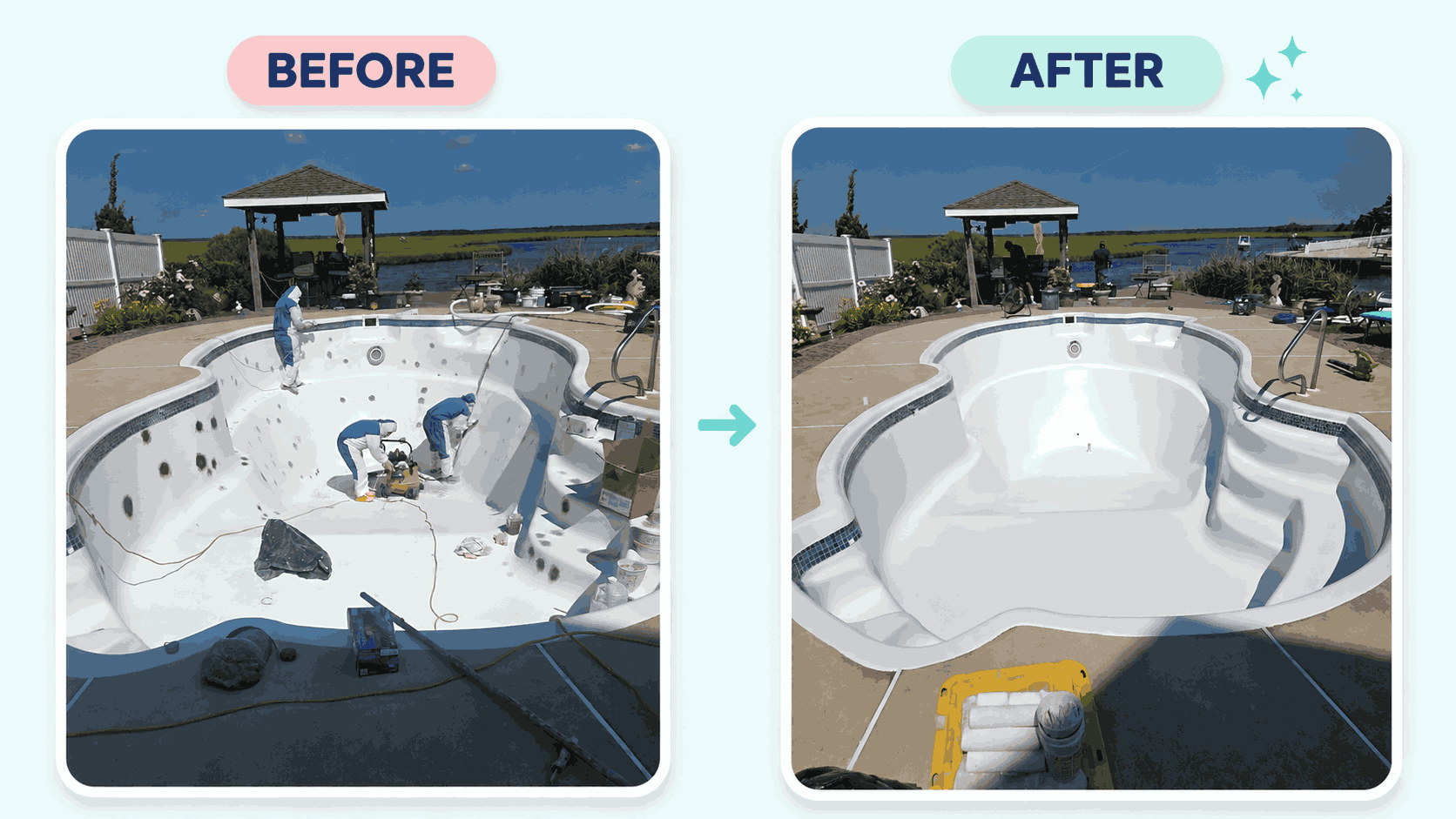
The fiberglass pool resurfacing process includes controlled draining, removal of loose material, repairs, preparation, and the selected finish. A fiberglass-specific resurfacing coating is one option, but compatibility depends on the shell and existing coating. PoolBurg’s pool resurfacing overview explains the broader process.
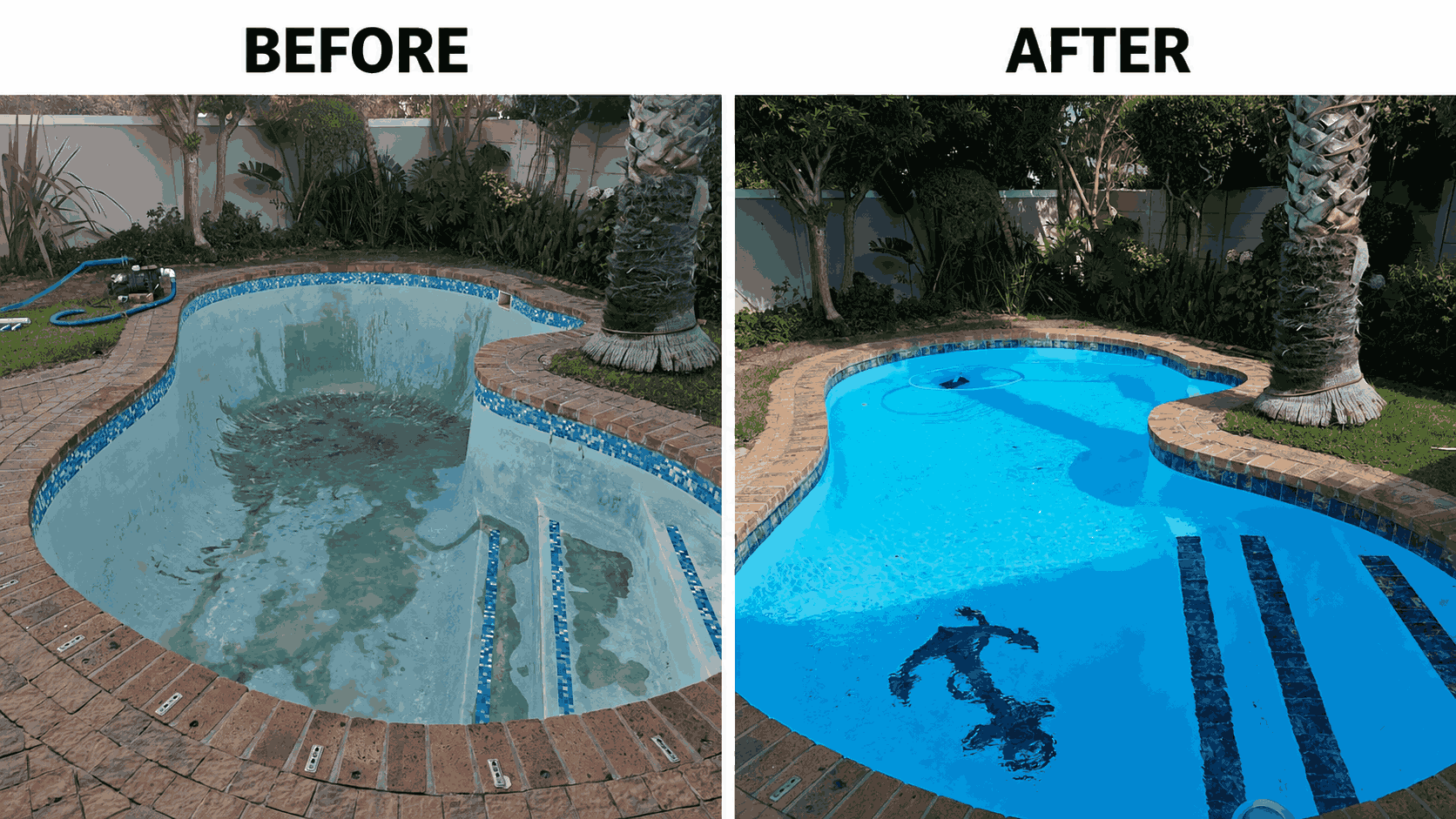
Signs Fiberglass Pool Resurfacing May Be Needed
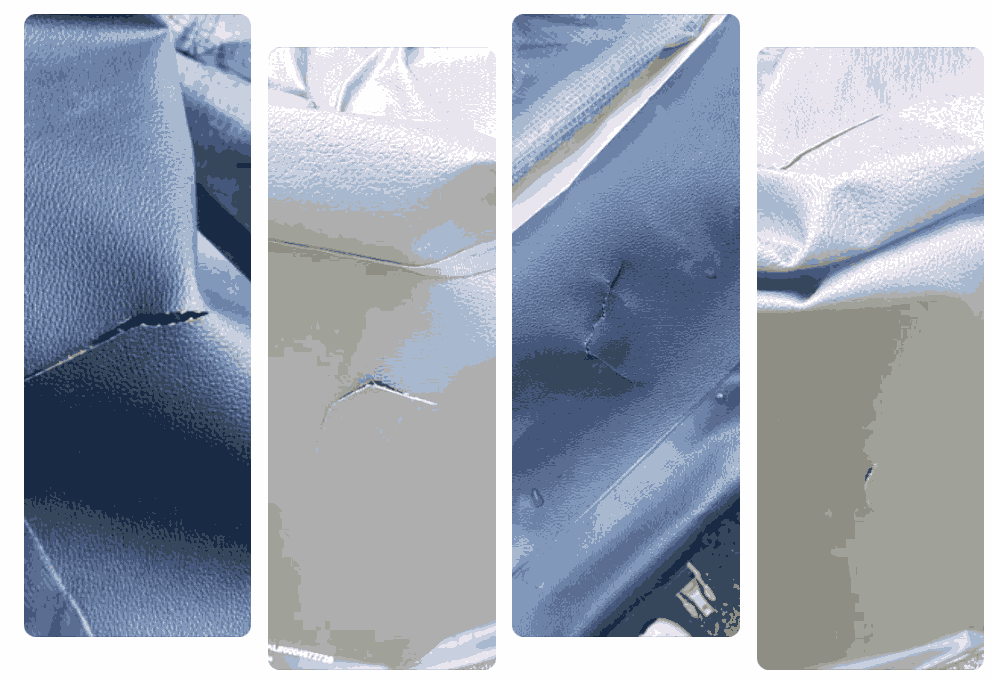
Warning signs include uneven fading, chalking, roughness, blisters, persistent stains, cracks, and exposed fibers. Not every symptom calls for fiberglass swimming pool resurfacing.
White haze may be scale, so fiberglass pool resurfacing should follow water testing. PoolBurg can check pool calcium hardness first. Manufacturer fiberglass pool damage guidance connects harsh tools, unbalanced water, soil movement, and improper draining with damage.
Cosmetic Damage vs Structural Damage
Fading, staining, chalking, and isolated shallow blisters may be cosmetic. A widening, leaking, or flexing crack beside a bulging wall needs structural investigation. Latham’s fiberglass pool warranty distinguishes cosmetic finish issues from water-losing structural failure.
Fiberglass pool resurfacing can correct a failed finish, not stabilize a moving shell. Never drain it yourself. Groundwater can lift or distort an empty shell, requiring professional bracing and water control.
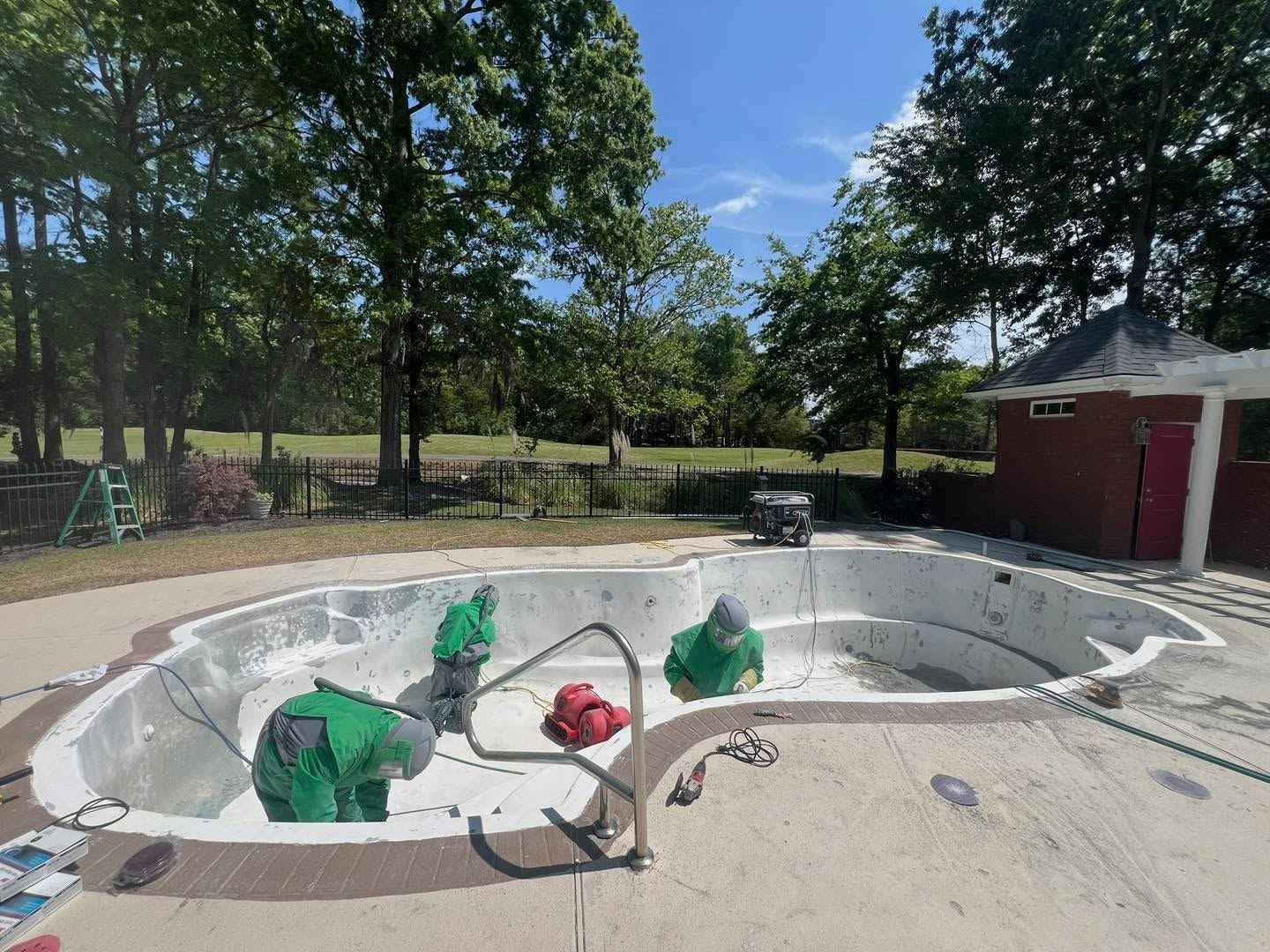
Can Fiberglass Pool Resurfacing Be Avoided With a Repair?
Often. A small scratch, localized crack, failed patch, or fitting leak may need fiberglass pool finish repair instead. New material may not perfectly match aged color, but a well-prepared spot repair can last.
Fiberglass pool resurfacing makes sense when deterioration is widespread, roughness is extensive, repairs keep failing, or fibers are exposed. Repeated patches or generic paint can become false economy.
Fiberglass Pool Resurfacing vs Replacement
If the shell holds water without major deformation, fiberglass pool resurfacing or fiberglass pool restoration is less disruptive than removal. Replacement suits severe movement, extensive laminate failure, or irreparable structural leakage.
PoolBurg’s pool repair service looks beyond appearance before recommending a path. The goal is to preserve a serviceable shell, not sell the largest project.
Preventing Future Fiberglass Surface Problems
Protect fiberglass pool resurfacing by following manufacturer water ranges. Calcium targets vary, so avoid copying one number online. Use CDC water-testing guidance for sanitation basics, the PHTA pool chemical overview for balance fundamentals, and the finish manual for surface limits.
Track swimming pool pH levels, use soft nylon tools, avoid aggressive cleaners, and follow fiberglass pool maintenance. Early attention can keep a small fiberglass pool repair from becoming whole-pool work.
Fiberglass Pool Resurfacing Questions
Can fiberglass pools be resurfaced?
Yes. Fiberglass pool resurfacing can prepare, repair, and refinish a sound shell with a compatible field-applied system.
How do you know when fiberglass needs resurfacing?
Widespread roughness, chalking, repeated blisters, exposed fibers, or failing coatings matter more than fading alone.
Can faded fiberglass be restored?
Sometimes cleaning or stain treatment helps. Permanent, widespread fading may justify fiberglass pool resurfacing.
What causes fiberglass pool blisters?
Moisture-related reactions and coating conditions can contribute. Fiberglass pool resurfacing should follow an inspection of their depth and extent.
Can cracks in a fiberglass pool be repaired?
Many can, but leaks, flexing, or wall movement require structural diagnosis first.
How long does fiberglass resurfacing last?
Fiberglass pool resurfacing longevity depends on preparation, coating, installer quality, water balance, and warranty rather than one universal lifespan.
Can bad chemistry damage fiberglass?
Yes. Poor balance can accelerate staining, scale, chalking, and finish deterioration.
Is resurfacing cheaper than replacing a fiberglass pool?
Usually, when the shell is sound. A site inspection is needed for a meaningful comparison.
Let PoolBurg Diagnose the Surface Before Selling the Project
For homeowners in Frisco, Plano, McKinney, Allen, Prosper, Keller, Southlake, and Grapevine, PoolBurg checks stains, coating condition, cracks, leaks, shell movement, and water balance together. Schedule an assessment to learn whether cleaning, localized fiberglass pool repair, or full fiberglass pool resurfacing is the sensible next step.