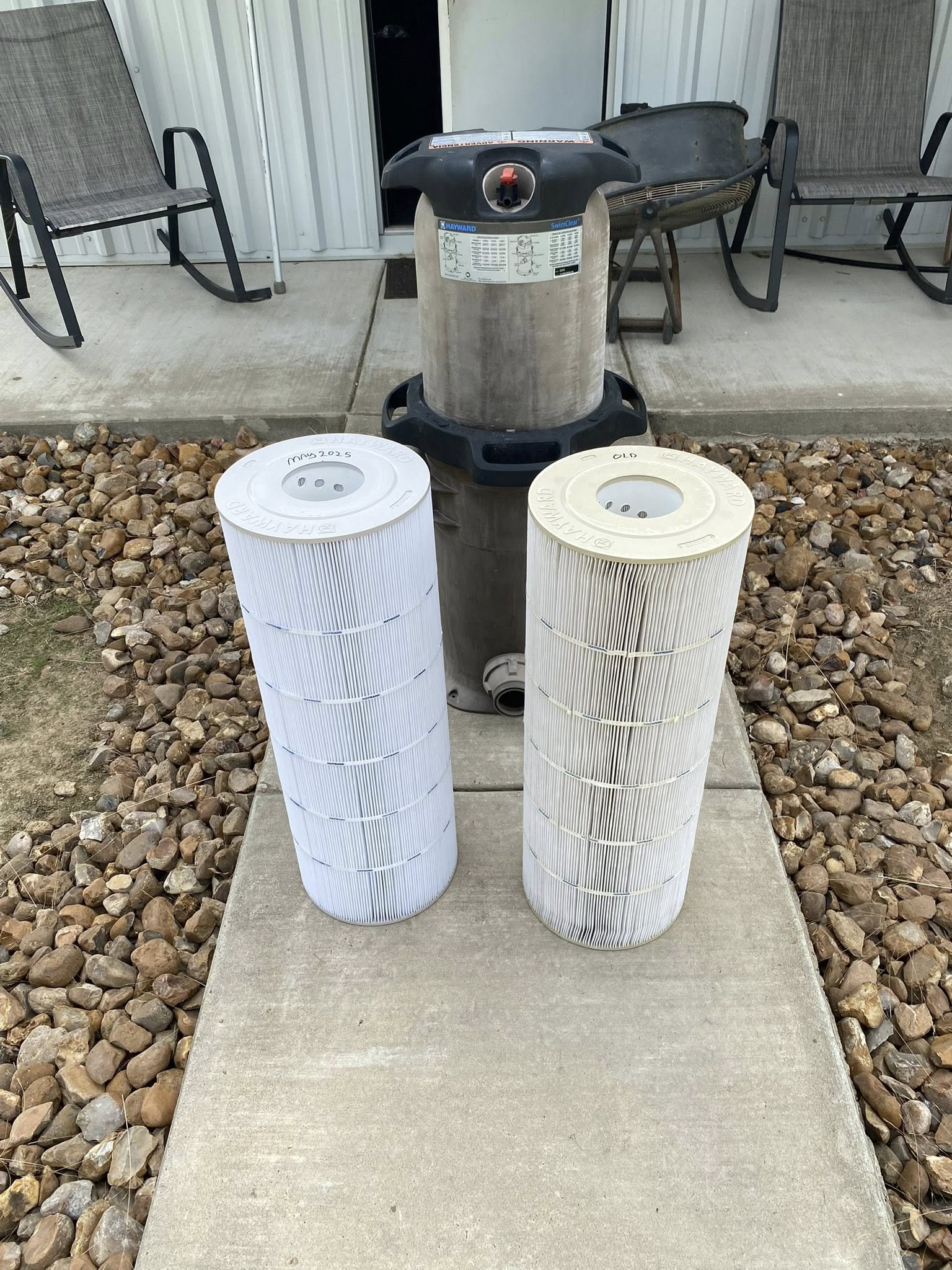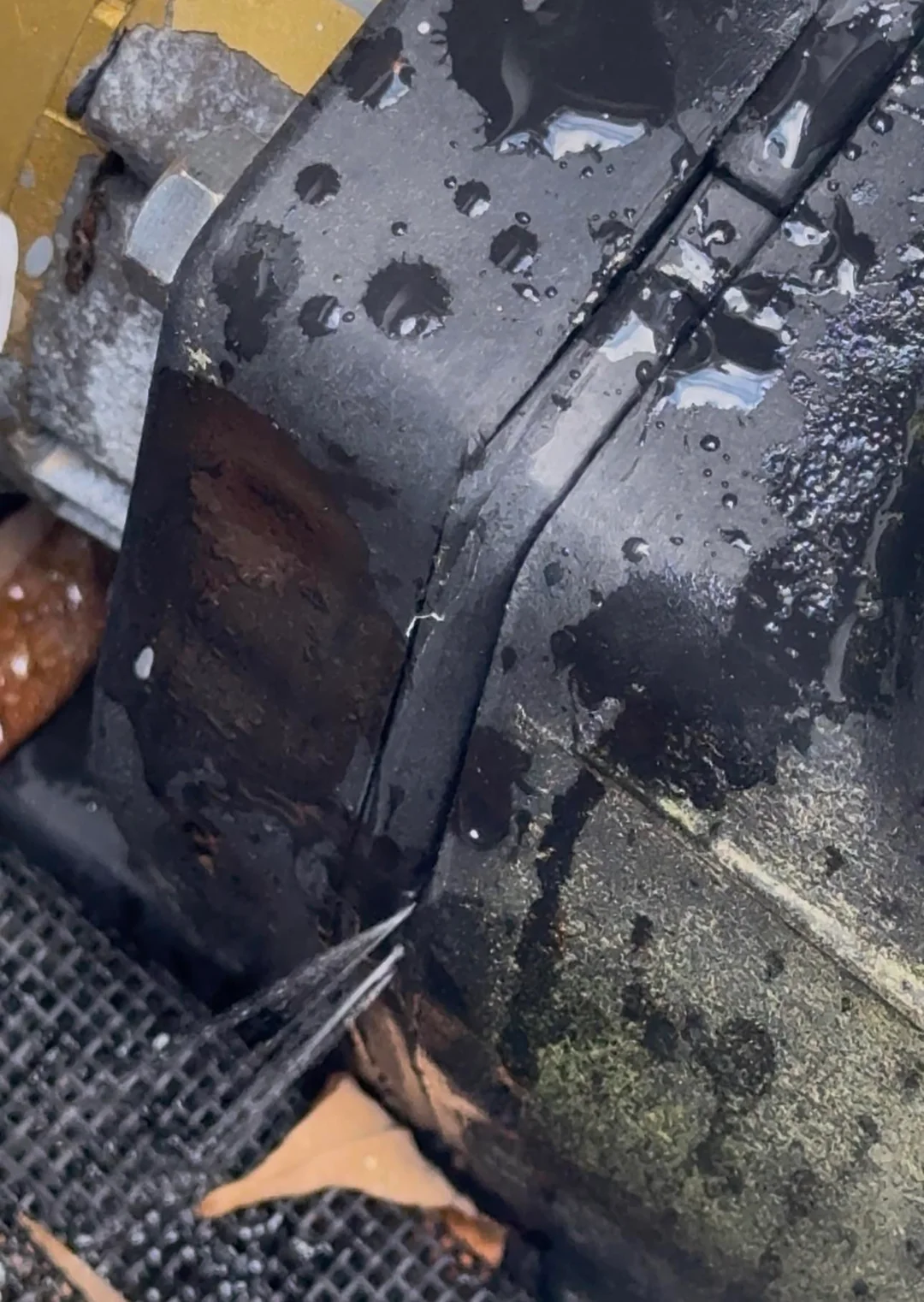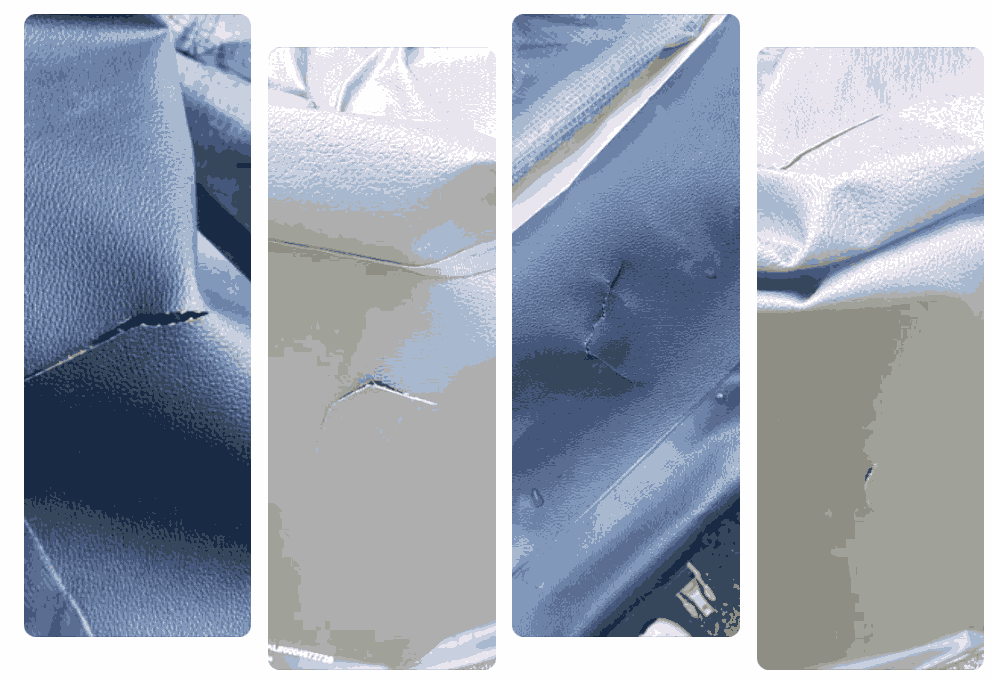
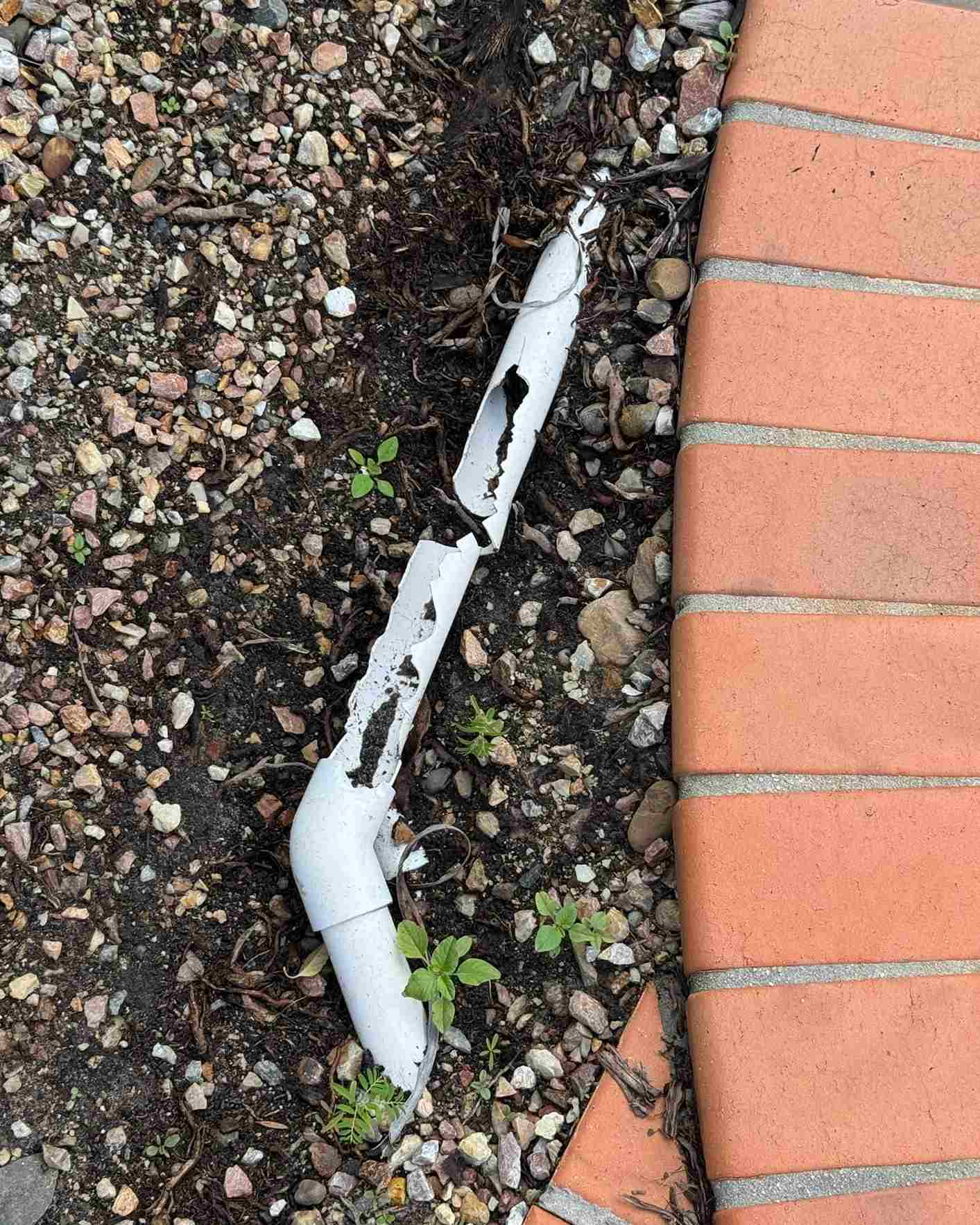
A leak in pool plumbing often shows up before it reveals its location. The pool may need more water, the pump may lose prime, or bubbles may appear at the returns. Those clues matter, but none proves the break is underground; a loose equipment-pad union can imitate a buried-line problem.
The sensible approach is to confirm abnormal loss, distinguish suction from pressure symptoms, and isolate the line before opening the deck. PoolBurg locates first and repairs second, helping homeowners avoid exploratory digging.
Where Pool Plumbing Can Leak
Water travels from the skimmer and drain through the equipment and back through the returns. A pool plumbing leak can develop at a valve, union, fitting, or buried PVC joint.
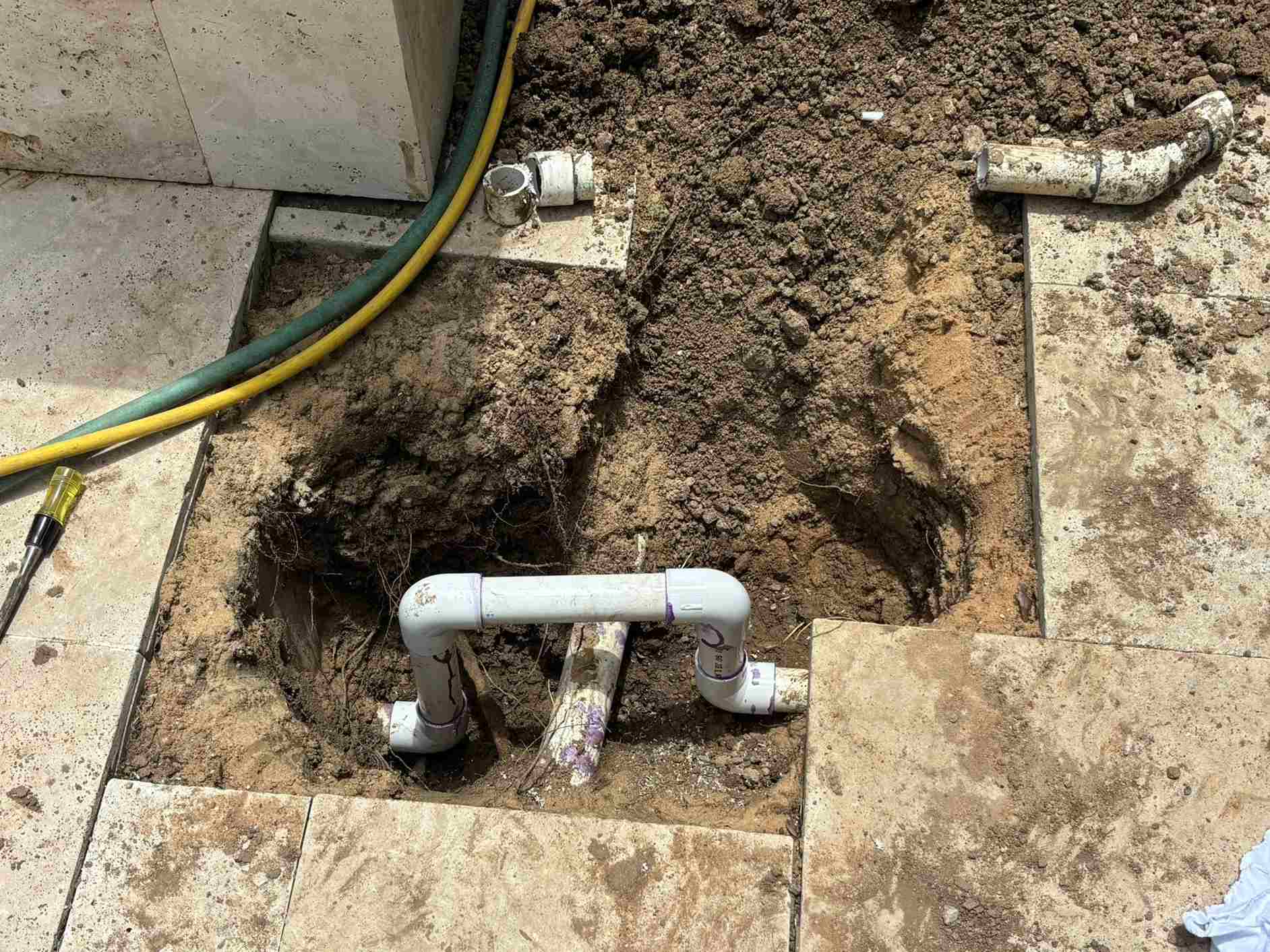
Start with what is visible. Damp concrete, mineral crust, or dripping unions can lead directly to pool plumbing repair. A dry pad does not eliminate an underground pool plumbing leak, but testing should come before digging.
Signs You May Have a Leak in Pool Plumbing
Watch for unexplained water loss, a constantly running autofill, soft soil, weak returns, air beneath the pump lid, or lost prime. Air bubbles from pool return jets can suggest suction-side air entry.
One clue is not enough. A clogged basket weakens flow, while a bad lid O-ring draws air without losing much water. Jandy’s pump troubleshooting guidance recommends checking water level, seals, unions, and suction plumbing.
Suction-Side vs Pressure-Side Leaks
The suction side runs from pool to pump. It can pull air through a bad seal or leaking pool pipe, causing bubbles or lost prime. The pressure side begins after the pump; a break there pushes water out and may leak faster during operation.
That contrast narrows a leak in pool plumbing, but water level, valves, seals, and visible equipment still require inspection.
Leak in Pool Plumbing or Normal Texas Evaporation
Turn off the autofill and compare the pool with a bucket exposed to the same weather. The City of Tampa’s bucket-test instructions explain that greater pool loss suggests a leak. Avoid rain or strong wind, and never disable freeze protection.
The City of Chandler’s pool-care guidance compares pump-on and pump-off loss; greater loss while running can implicate pressure plumbing. PoolBurg can distinguish leakage from pool evaporation in Texas. Because autofill masks loss, Scottsdale Water recommends disabling it during testing.
How Pool Plumbing Leaks Are Located
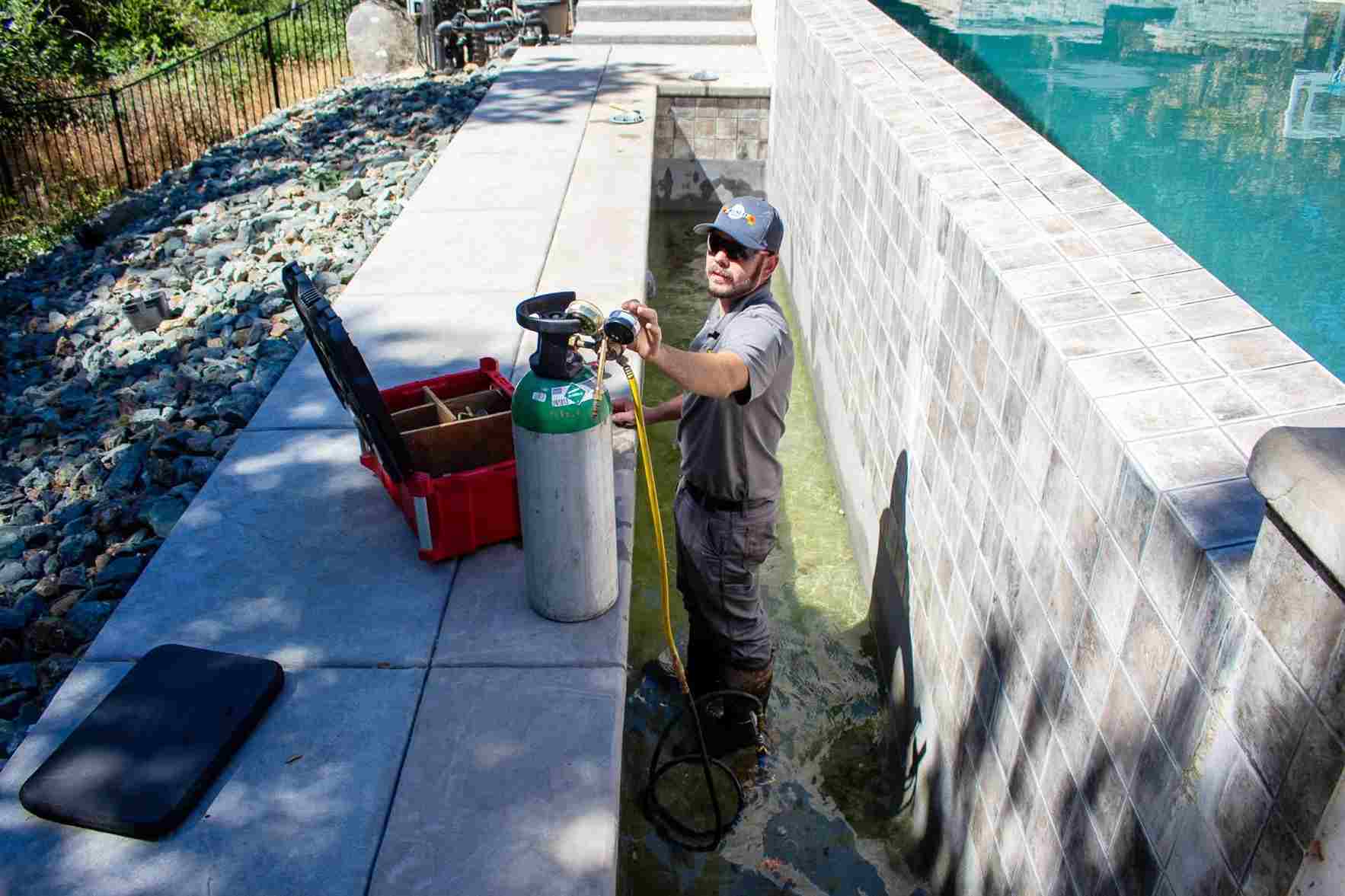
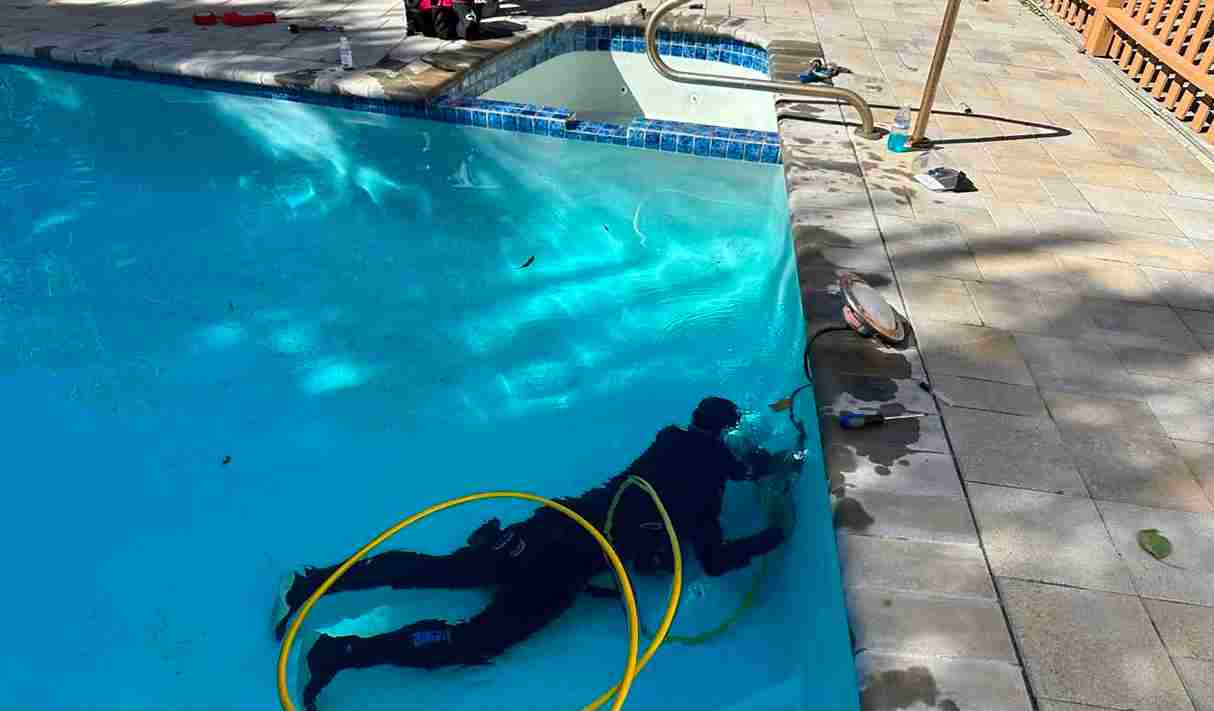
Professional pool leak detection starts with inspection and system history. A technician isolates skimmer, drain, cleaner, and return circuits, then tests the suspect line. Pool plumbing pressure-test plugs allow lines to be sealed individually.
If a line will not hold, listening equipment or tracer gas can narrow the underground pool plumbing leak. Pressurized plugs can cause injury, making this professional work.
Why Delaying Pool Pipe Repair Can Cost More
Ignoring a confirmed leak in pool plumbing wastes water and chemicals. It can erode soil, disrupt prime, and reduce circulation. The EPA’s pool water-efficiency guidance recommends monitoring pools and autofill systems for leaks. Timely pool pipe repair addresses the failed section before symptoms spread.
Leak in Pool Plumbing Questions
How do I know if my pool plumbing is leaking?
Confirm excess loss with a bucket test, compare pump-on and pump-off behavior, and inspect the pad.
Can an underground pool pipe leak be repaired?
Yes. Once testing identifies the line and location, the damaged section can usually be repaired.
Why does my pool lose water only when the pump runs?
It commonly points toward a pressure-side leak that releases water under operating pressure.
Can a suction leak cause air bubbles?
Yes. Air can enter before the pump and emerge at the return jets.
Is my pool leaking or evaporating?
A bucket test compares pool loss with evaporation under the same conditions.
Can an autofill hide a pool leak?
Yes. Check fill activity and review pool autofill problems if it runs constantly.
How are pool plumbing leaks pressure tested?
A technician isolates a line, applies controlled pressure, and checks whether it holds.
Do you have to dig up the entire yard to find a pool leak?
No. Isolation and pinpoint testing should narrow the repair area before excavation.
Let PoolBurg Locate the Leak Before Repairing It
For homeowners in Frisco, Plano, McKinney, Allen, The Colony, Carrollton, Wylie, Garland, and Mesquite, PoolBurg checks the equipment, suction symptoms, pressure plumbing, and buried lines as one system. Schedule pool leak detection and repair for a leak in pool plumbing located with evidence before unnecessary digging begins.