A fiberglass pool repair company should inspect beyond the surface before recommending resurfacing. The key question is whether the defect stops in the gelcoat or reaches the reinforced laminate. Leaks, movement, fittings, groundwater, and chemistry history can change the repair.
A search for fiberglass pool repair companies near me should lead to diagnosis, not an automatic full-surface quote. Fading may be cosmetic; a crack that grows, flexes, or loses water needs a deeper look.
What a Fiberglass Pool Repair Company Looks For First
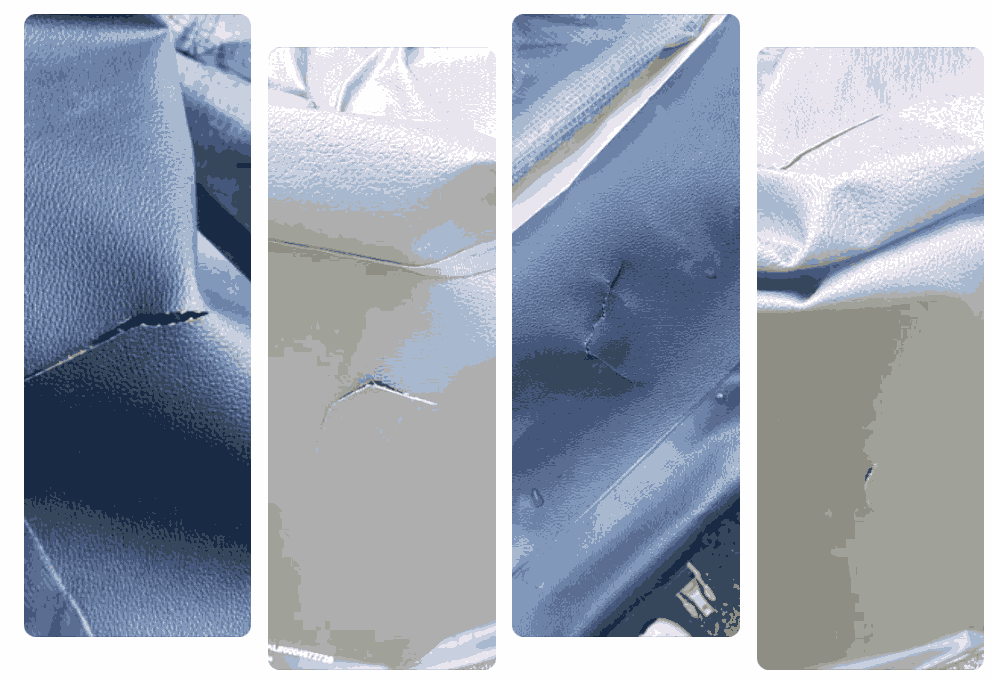
Common problems include fading, stains, scratches, spider cracks, blisters, fitting leaks, and coping separation. The Thursday Pools fiberglass damage guide notes that shallow scratches may be surface-level while deeper damage can need gelcoat work; it also links cracks or bulging with installation, soil movement, and improper draining.
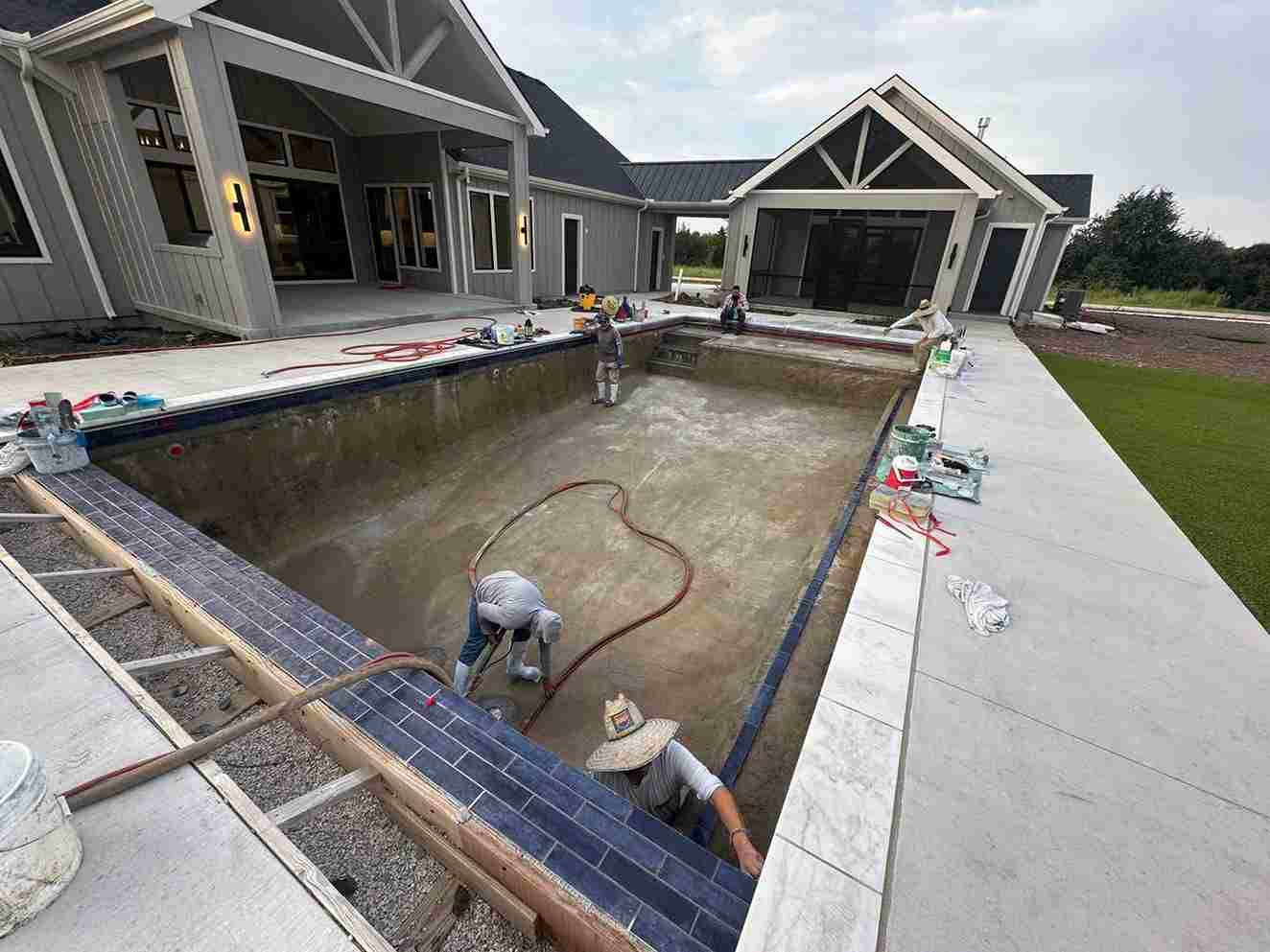
Cosmetic vs Structural Fiberglass Damage
Gelcoat is the visible finish; resin and fiberglass reinforcement form the working laminate. The Composites One open-molding overview shows those layers as separate parts. Fading or a light scratch may call for fiberglass gelcoat repair, but laminate damage needs reinforcement before the finish is restored.
The American Composites Manufacturers Association repair guidance makes the same distinction: a small gelcoat defect may accept a spot repair, while laminate damage needs resin and reinforcement. A careful fiberglass pool repair company also checks for fitting leaks, unsupported areas, deck movement, and shell flex.
Fiberglass Pool Crack Repair Starts With the Cause
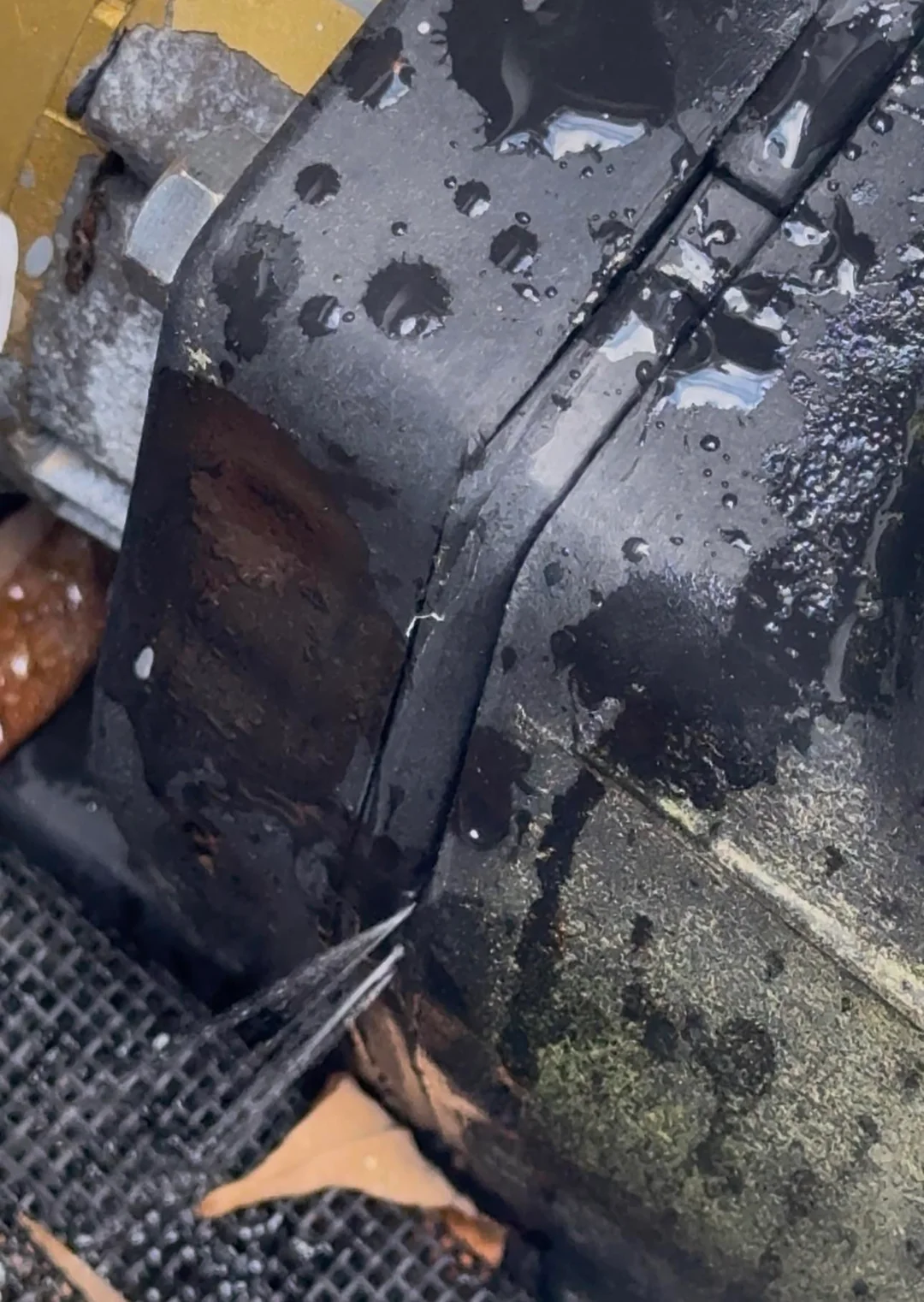
Before fiberglass pool crack repair, the technician should map the crack, determine its depth, inspect the surrounding shell, and confirm whether the pool is losing water. Dye testing or professional pool leak detection may separate a shell crack from a leaking fitting or plumbing line. If reinforcement is needed, damaged material must be removed or stabilized and rebuilt with a compatible resin, fiberglass schedule, and finish.
What Causes Fiberglass Pool Blisters?
Blisters can form when moisture moves into or becomes trapped within a coating or laminate. Age, material selection, manufacturing conditions, and surface deterioration can all be part of the story. The WEST SYSTEM gelcoat blister manual separates isolated blisters from interlaminate damage and recommends evaluating moisture before repair. That is why fiberglass pool blister repair may be local when only a few spots are involved, but widespread blistering can justify a broader surface plan.
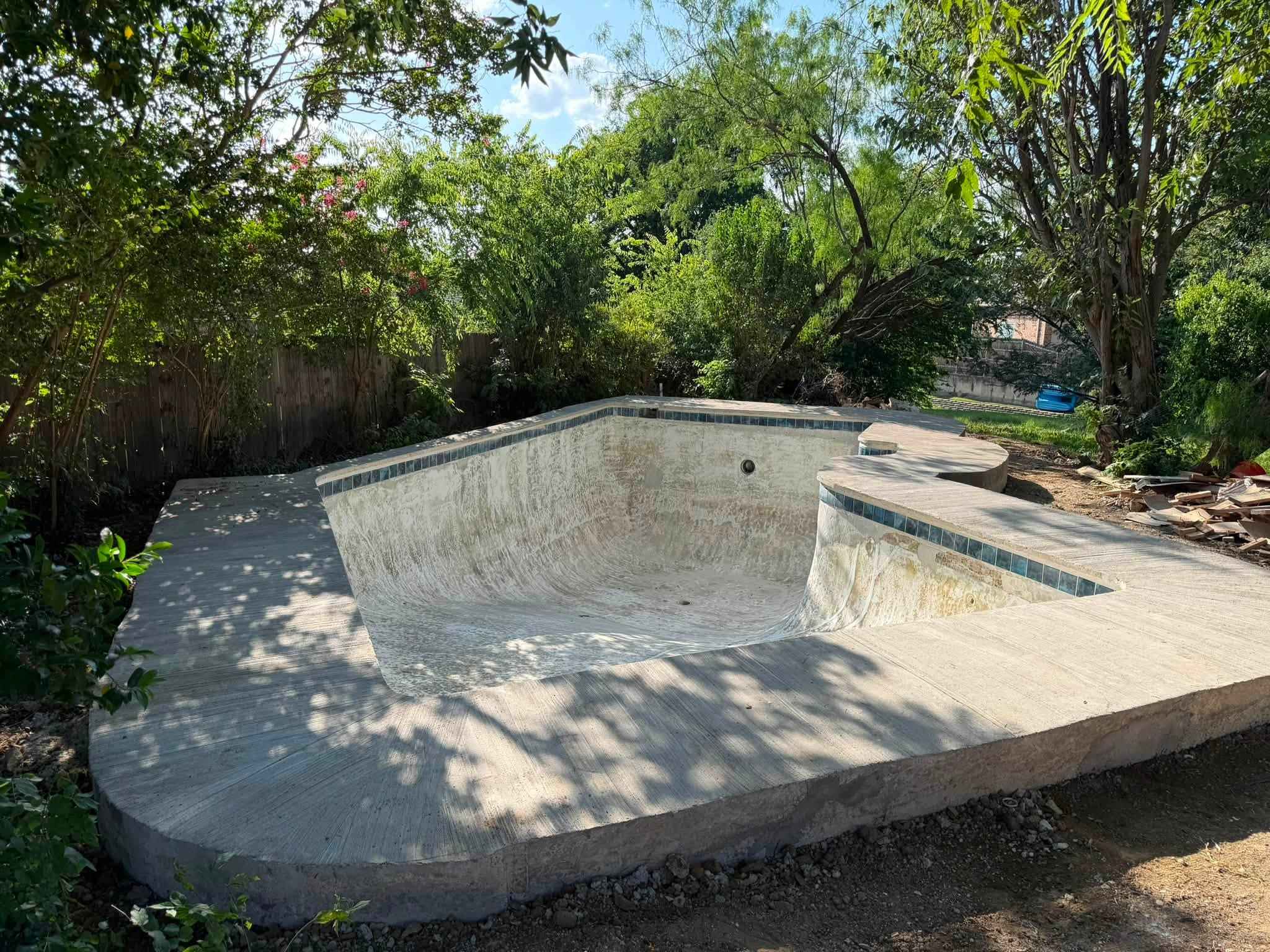
Repair vs Fiberglass Pool Resurfacing
| What You See | What It May Mean | Next Check |
|---|---|---|
| Faded or chalky area | Finish aging or chemistry history | Test, clean, and check coating condition |
| Fine spider crack with no water loss | Possible gelcoat stress | Confirm depth and shell stability |
| Crack with water loss | Laminate, fitting, or movement issue | Leak test and plan reinforcement |
| A few isolated blisters | Localized moisture or coating failure | Map and expose representative areas |
| Widespread blisters or finish failure | Broader surface deterioration | Compare repair with resurfacing |
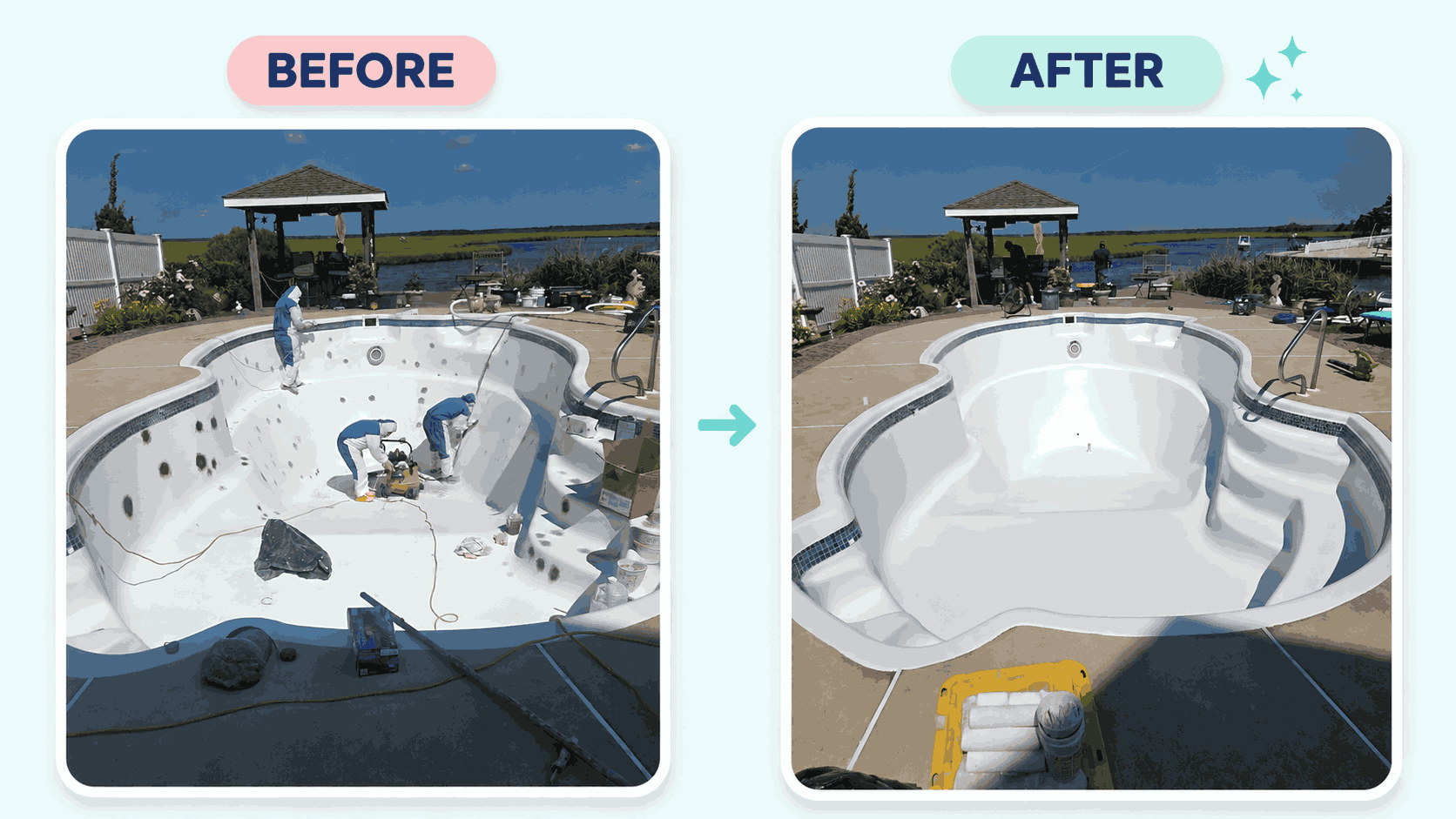
Small, stable defects usually favor selective repair. Widespread fading, many blisters, or large areas of failed coating may make fiberglass pool resurfacing more practical. The ACMA gelcoat troubleshooting guide also shows why cracking can reflect stress or inadequate laminate support, not merely a bad-looking topcoat. Resurfacing before correcting that cause can leave a fresh finish over the same problem.
A Good Fiberglass Pool Repair Company Checks the Whole Site
A complete inspection covers the surface, fittings, waterline, coping, nearby deck movement, suspected leaks, and past water-test records. PoolBurg’s pool coping repair guidance helps connect edge movement with the shell, while its pool calcium hardness guide and fiberglass pool maintenance guide support the chemistry review. Manufacturer instructions should decide the acceptable chemistry range.
If the pool must be emptied, drainage and groundwater control belong in the written repair plan. Latham’s pool-draining guidance warns that an empty fiberglass pool can bulge, split, or float under hydrostatic pressure. The San Juan manufacturer warranty likewise warns against unauthorized draining. Ask who is insured, who controls groundwater, which repair system will be used, and what the written warranty actually covers.
People Also Ask
Can fiberglass pool cracks be repaired?
Often, yes, after the crack depth, surrounding laminate, movement, and water loss are assessed.
What causes fiberglass pool blisters?
Moisture, materials, age, and coating deterioration can contribute.
Can faded fiberglass be restored?
Localized fading may be cleaned or polished; widespread failure may need resurfacing.
How do I know if fiberglass damage is structural?
Flexing, deformation, deep cracking, laminate exposure, or water loss needs structural evaluation.
Can a fiberglass pool leak around a return fitting?
Yes. Seals, fittings, and nearby plumbing should be tested before the shell is blamed.
Is repair cheaper than resurfacing?
Localized repair usually costs less; recurring or widespread damage can change the long-term answer.
How long does fiberglass pool repair last?
It depends on correcting the cause, good preparation, compatible materials, and stable support.
What should I ask a fiberglass pool repair company?
Ask about insurance, fiberglass experience, leak tests, groundwater control, materials, color matching, and warranty.
Get the Diagnosis Before the Bigger Quote
As a fiberglass pool repair company, PoolBurg starts with diagnosis, not an automatic upsell. The team checks whether the answer is leak repair, local gelcoat or laminate work, chemistry correction, coping work, or resurfacing. If your pool is in Frisco, McKinney, Allen, Prosper, Southlake, Plano, Keller, or Grapevine, start with a documented inspection so the repair matches the damage you actually have.