If you live in Frisco, McKinney, or Southlake, you already know that our local tap water is essentially “liquid rock.” This Saturday, April 25, 2026, most DFW homeowners are focused on the massive “yellow dust” oak pollen onslaught burying their backyards, but there is a silent, more expensive villain lurking in your water. Between Texas diesel prices hitting $5.11 a gallon due to the ongoing Iran war disruptions and the rising cost of equipment, you cannot afford to let DFW water hardness kill your equipment.
Understanding the relationship between hard water and swimming pools is the single most important thing you can do to protect your investment. If you master your calcium levels, you’ve solved 80% of the maintenance headaches unique to North Texas.

DFW Has Some of the Hardest Water in the Country — And Your Pool Feels Every Bit of It
In North Texas, our water hardness typically ranges from 150 to over 350 ppm (parts per million). To put that in perspective, the “ideal” range for most pools is 150–200 ppm, but our water often arrives from the tap already exceeding that threshold. Hard water and swimming pools are a volatile mix because, in our 100°F+ heat, water evaporates and leaves those minerals behind, causing your calcium levels to skyrocket by August. The “unvarnished truth” is that DFW water hardness causes more premature equipment failures and stained plaster in our region than any other factor.
What “Hard Water” Actually Means for Your Pool
When we talk about hard water and swimming pools, we are specifically talking about dissolved calcium and magnesium. Our water is hard because it flows through limestone bedrock before reaching the NTMWD. Even after municipal treatment, those minerals stay in the water. Once that water fills your pool, those minerals are there permanently unless you physically remove the water and start over.
DFW Water Hardness by City (Average 2026 Estimates)
| City | Estimated Calcium Hardness (ppm) | Risk Level |
| Frisco | 280 – 320 ppm | High Scaling Risk |
| McKinney | 190 – 300+ ppm | High Scaling Risk |
| Plano | 256 – 342 ppm | Very Hard |
| Prosper | 200 – 320 ppm | High Scaling Risk |
| Southlake | 170 – 260 ppm | Hard |
Every Problem Hard Water and Swimming Pools Cause in DFW
Ignoring calcium in pool water DFW locals deal with leads to a “cascade of failure” for your backyard oasis:
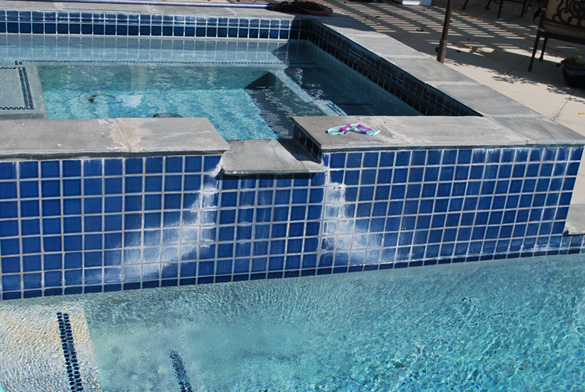
- Waterline Scale: That white, chalky ring on your waterline tile is calcium precipitating out of the water.
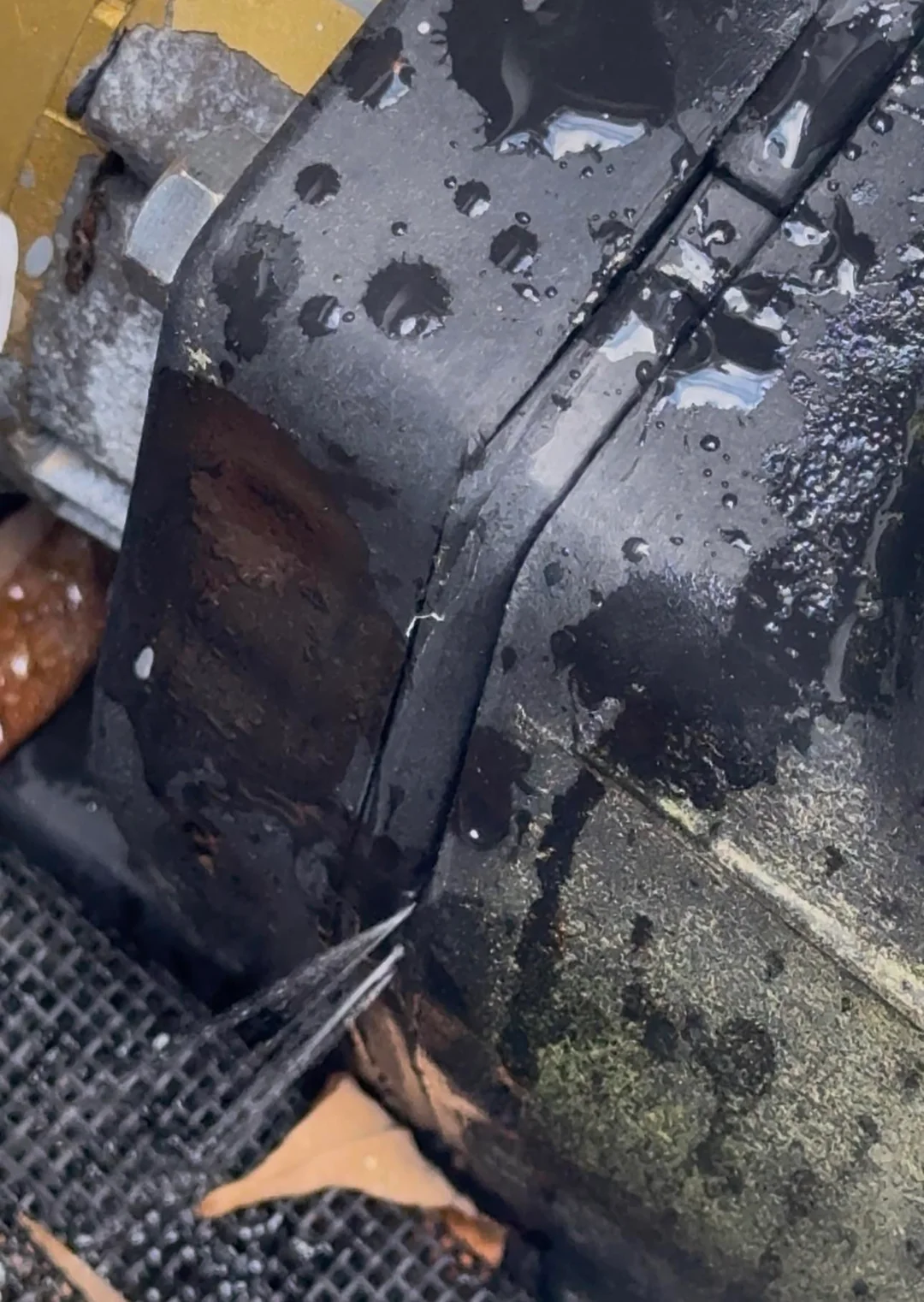
- Heater Death: Calcium scale acts as an insulator inside your heat exchanger. This forces the unit to work harder, eventually cracking the internal tubes. According to), this can reduce efficiency by up to 25% before the unit fails.
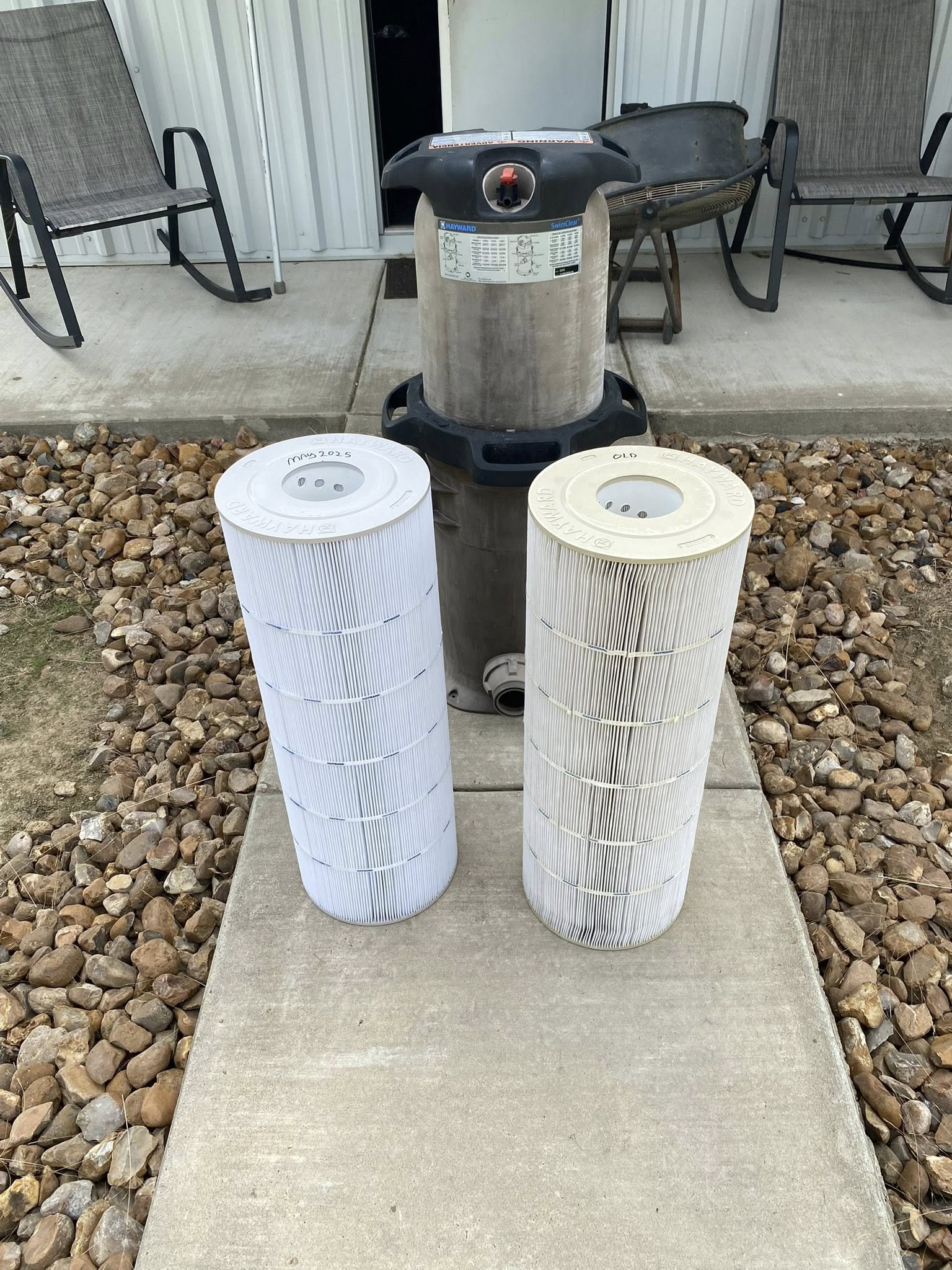
- Salt Cell Scaling: Calcium is the #1 killer of salt systems in North Texas. It coats the titanium plates and stops chlorine production.
- Rough Surfaces: In a battle of hard water and swimming pools, your plaster usually loses. Calcium embeds in the pores, making the floor feel like 40-grit sandpaper.
How to Manage Hard Water in Your DFW Pool
You don’t need a degree in chemistry to win the war against DFW water hardness. Follow these seven “Guardian” strategies:
- 1. Keep pH at 7.2–7.4: This is the most effective tactic. At a lower pH, calcium stays dissolved. At a pH of 7.8 or higher, it turns into scale.
- 2. Use a Monthly Scale Inhibitor: These sequestering agents hold the calcium in pool water DFW supplies in a “chemical grip” so it can’t stick to your tile.
- 3. Clean Your Salt Cell Every 3 Months: Don’t wait for the “Low Flow” light. Proactive cleaning is vital for hard water and swimming pools using salt.
- 4. Use a Pre-Filter: When topping off your pool, use a hose-end filter to catch minerals before they enter the system.
- 5. The Periodic Reset: Every 3–5 years, you must perform a partial drain and refill to lower your Total Dissolved Solids (TDS) and calcium.
- 6. Pick Resistant Surfaces: If you are looking at pool resurfacing, choose pebble or quartz over standard plaster. They are much denser and resist calcium penetration.
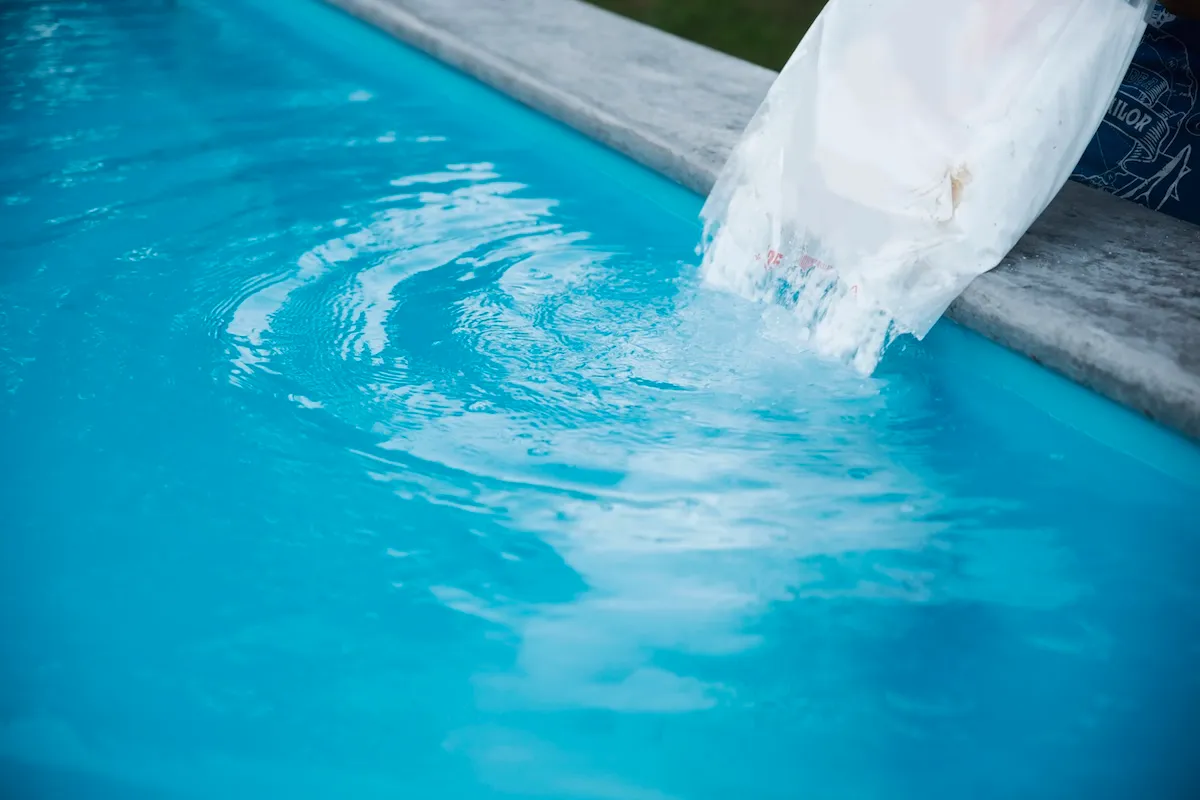
- 7. NEVER Add Calcium Hardness Increaser: Many national guides tell you to add calcium. In North Texas, that is the worst mistake you can make. Our water is already hard enough!

People Also Ask
Does DFW have hard water?
Yes, it is among the hardest in the U.S. due to the regional limestone geology.
Can I use a water softener for my pool?
While possible, it is rarely cost-effective for 20,000 gallons. Proper pH management and scale inhibitors are better for hard water and swimming pools.
How do I lower the calcium in my pool?
The only reliable way to reduce calcium in pool water DFW locals have is to drain a portion of the water and refill with fresh (though still moderately hard) water.
PoolBurg — DFW Hard Water Pool Experts Since Day One
Hard water management isn’t just a part of what we do—it is our core expertise. At PoolBurg, we’ve calibrated our weekly service specifically for the “liquid rock” challenges of Frisco and Plano. We manage your LSI (Langelier Saturation Index) at every visit to ensure your water is neither corrosive nor scale-forming. According to the CDC, balanced water is the first line of defense against both germs and equipment failure.