
If you live in Frisco, McKinney, Plano, Prosper, Celina, Allen, or any master-planned neighborhood around North Texas, HOA pool rules in DFW are not just “extra paperwork.” They can decide when you build, what fence you use, where pool equipment sits, how loud the pad sounds, and even what kind of cover or safety feature your community expects.
The tricky part is that HOA pool rules in DFW do not replace city code. They sit beside it. The City of Frisco says residential above-ground pools, in-ground pools, and spas with more than 24 inches of water require a construction permit, and plan review happens before the pool is built. Start with the City of Frisco Pools & Pool Enclosures page, then check your HOA documents before you spend money on design, fencing, equipment, or landscaping.
Why HOA Pool Rules in DFW Feel So Specific
A lot of DFW neighborhoods care about curb appeal, drainage, noise, visibility, and safety. That is why HOA pool rules in DFW often go beyond “keep the water clean.” Your HOA may ask for a site plan, fence drawing, color samples, equipment-screening plan, contractor information, and a timeline before approving the project.
This is especially common in communities with architectural review committees. The Texas State Law Library guide to restrictive covenants and CC&Rs is a good starting point for understanding how recorded community rules can shape what homeowners may change on their property.
In plain English: HOA pool rules in DFW are about more than the pool shell. They can touch the whole backyard.
The Big Items Most HOAs Check First
Before a board or architectural committee signs off, many HOA pool rules in DFW reviews focus on these items:
- Fence and gate style: height, material, latch type, gate swing, and visibility from the street.
- Equipment placement: pump, filter, heater, automation panel, and pad screening.
- Drainage and grading: making sure pool work does not send water into a neighbor’s yard.
- Noise control: especially with older pumps, heaters, blowers, or water features.
- Maintenance expectations: clear water, clean decking, working equipment, and no long-term green pool issues.
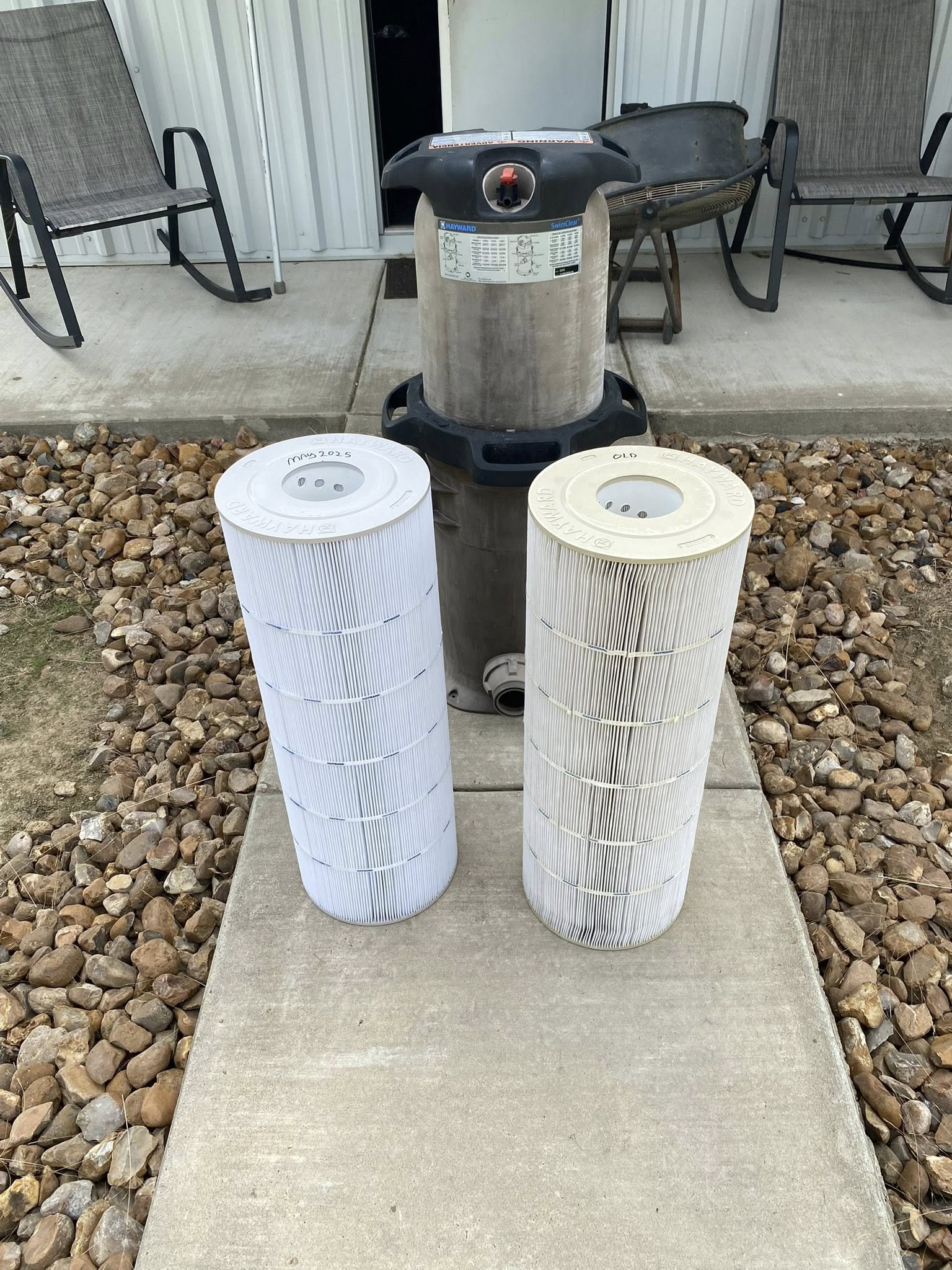
If your equipment pad is already acting up, handle that before it becomes a complaint. PoolBurg’s Pool Equipment Repair service can help with pumps, filters, heaters, valves, salt systems, and automation problems that make a backyard look neglected fast.
Fence Rules: Where City Code and HOA Style Meet
Fence requirements are where HOA pool rules in DFW can get serious. Frisco’s residential pool enclosure checklist says pool barriers must follow the adopted 2018 International Swimming Pool and Spa Code with amendments, and it lists details such as self-closing, self-latching gates and minimum barrier height. You can review the Frisco Residential Pools and Spas Enclosure Requirements for the official local checklist.
Texas also has statewide pool-yard enclosure laws, including Texas Health and Safety Code Chapter 757. Your HOA may add style rules on top of safety rules, but it should never be treated as a substitute for permits, inspections, or local code.
The smart move is simple: when reading HOA pool rules in DFW, separate safety requirements from appearance requirements. Safety is non-negotiable. Appearance is usually where the HOA wants consistency.
Pool Maintenance Still Matters After Approval
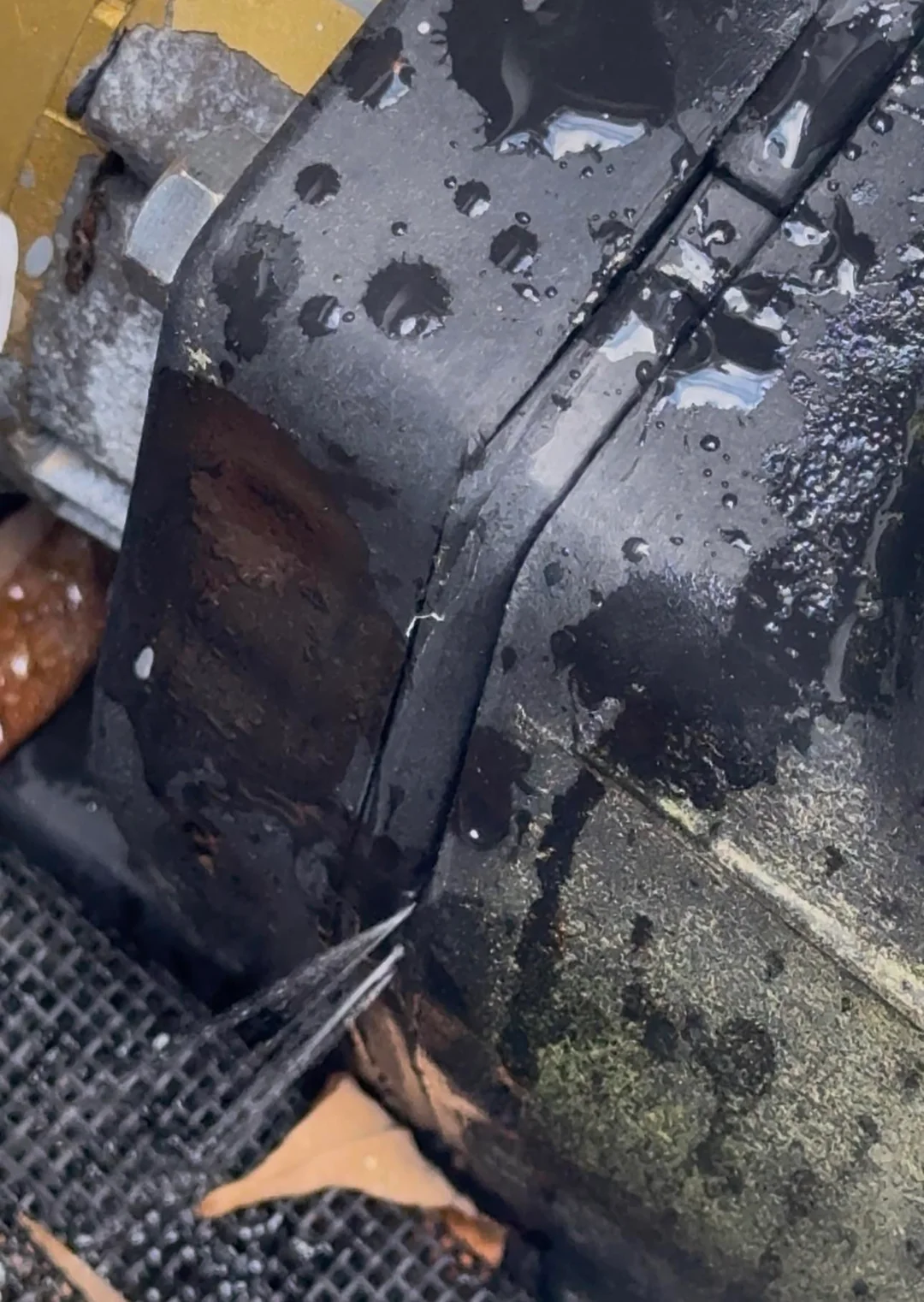
Once the pool is approved, HOA pool rules in DFW do not magically disappear. A green pool, loud pump, cracked mastic, leaking equipment, or messy deck can still trigger letters. Regular service is the quiet hero here.
That is where PoolBurg’s Weekly Pool Service makes life easier. A clean, balanced pool is less likely to draw attention from neighbors, property managers, or community inspectors. If you are not sure where your water volume or chemistry sits, PoolBurg’s Calculators can also help with quick planning numbers.For buyers, sellers, or new homeowners, Pool Inspection is another smart step. Many people learn about HOA pool rules in DFW only after a closing, which is exactly when surprise repairs feel the most annoying.

What About Community Pools and Shared Amenities?
Some HOA pool rules in DFW apply to private backyards. Others affect community pools, neighborhood amenity centers, apartment pools, and semi-public facilities. The Texas Department of State Health Services has its own Laws and Rules for Public Swimming Pools and Spas, and its public pool program explains that state and local jurisdictions help provide safety and sanitation standards for public pools and spas.
For commercial or semi-public facilities, PoolBurg’s Pool Leak Detection, equipment support, and maintenance work can help keep amenities more comfortable and less chaotic during busy swim season.
A Quick Homeowner Checklist
Use this before submitting a request, hiring a contractor, or opening the pool for the season:
- Read your CC&Rs, architectural guidelines, and any pool addendum.
- Check city permit rules before assuming HOA approval is enough.
- Confirm fence height, gate swing, latch placement, and approved materials.
- Plan equipment screening before the pad is poured.
- Keep records of service, repairs, inspections, and water-care issues.
- Schedule help early if the pump is loud, the heater is failing, or the water keeps turning cloudy.
This is the part of HOA pool rules in DFW that homeowners usually appreciate later: the more organized you are upfront, the fewer surprise delays you deal with later.

FAQ: HOA Pool Rules in DFW
Do HOA pool rules in DFW replace city pool permits?
No. HOA pool rules in DFW may add approval steps, but city permit rules and safety inspections still matter. Think of it as two lanes: city code and HOA approval.
Can HOA pool rules in DFW control where pool equipment goes?
Yes, many communities care about visibility, noise, and screening. If equipment is failing or noisy, PoolBurg’s Pool Equipment Repair team can help solve the problem before it becomes an HOA issue.
Do HOA pool rules in DFW apply to existing pools?
Often, yes. Even if the pool is already there, HOA pool rules in DFW may still cover upkeep, fences, exterior changes, equipment replacement, drainage, and visible damage.
Who can help me prepare for HOA pool rules in DFW?
PoolBurg can help with service, inspections, repairs, leak concerns, and equipment issues. If you want a pool professional to look things over, reach out through Contact Us and get the backyard conversation started before the HOA letter shows up.
Final Takeaway
HOA pool rules in DFW are really about three things: safety, appearance, and accountability. Read the rules, respect the city requirements, keep the pool clean, and fix problems early. That simple rhythm keeps the backyard fun instead of stressful — which is kind of the whole point of owning a pool in North Texas.