There is a lot of noise about whether a pool phosphate remover is a miracle cure or just a marketing gimmick. In reality, the truth is far more practical. While a phosphate remover for pool care can be an effective tool in specific scenarios, it should never serve as a band-aid for low sanitizer, excessive CYA, poor water movement, or a clogged filter. When algae keeps coming back, the smarter move is to address the entire water balance first.
For PoolBurg customers in Plano, Garland, Mesquite, Wylie, Southlake, Grapevine, and Keller, phosphates in pool water can show up after storms, lawn runoff, leaves, pollen, dust, and heavy backyard use. The goal is not to chase one number forever. The goal is clean, balanced water that does not give algae an easy opening.
What Are Phosphates in Pool Water?
Phosphates are nutrients. In natural water, phosphorus and nitrogen support plant and algae growth. In a swimming pool, phosphates can become one more thing algae can use if sanitizer gets weak. That is why some homeowners reach for pool phosphate remover when the water keeps turning dull, cloudy, or green.
But phosphates are not germs, and they are not the same as algae. They are more like food left on the table. If your chlorine level is strong enough for your stabilizer level, algae should not get the chance to sit down and eat. That is the part many pool owners miss.
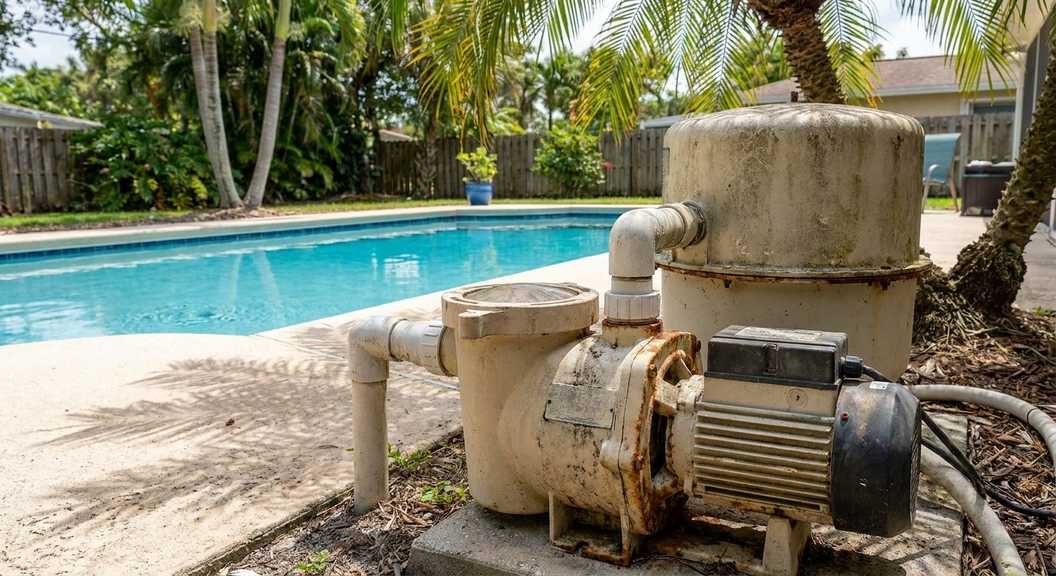
Do Phosphates Cause Algae by Themselves?
Not usually. Algae needs the right conditions: sunlight, nutrients, weak sanitizer, poor filtration, or circulation dead spots. High phosphates can make pool algae prevention less forgiving, but they are rarely the only villain.
That is why PoolBurg does not treat pool phosphate remover as a magic fix. If free chlorine is low, pH is high, CYA is too high, or the filter is dirty, phosphate treatment alone will not save the pool. It may lower the food source, but it will not sanitize the water.
When Pool Phosphate Remover Makes Sense
A pool phosphate remover may be worth considering when the basics are already being managed and algae still keeps flirting with the pool. Good situations include:
- A reliable phosphate test shows a high reading.
- Algae keeps coming back even after proper chlorine, pH, and filtration work.
- The pool sits near heavy landscaping, mulch, trees, or fertilized lawns.
- Storm runoff, leaves, or soil regularly enter the water.
- You want extra insurance during hot DFW swim season.
In those cases, a phosphate remover for pool maintenance can make the pool less friendly to algae. It is best used as a supporting tool, not the main treatment plan.
When Phosphate Remover Is Not the First Fix
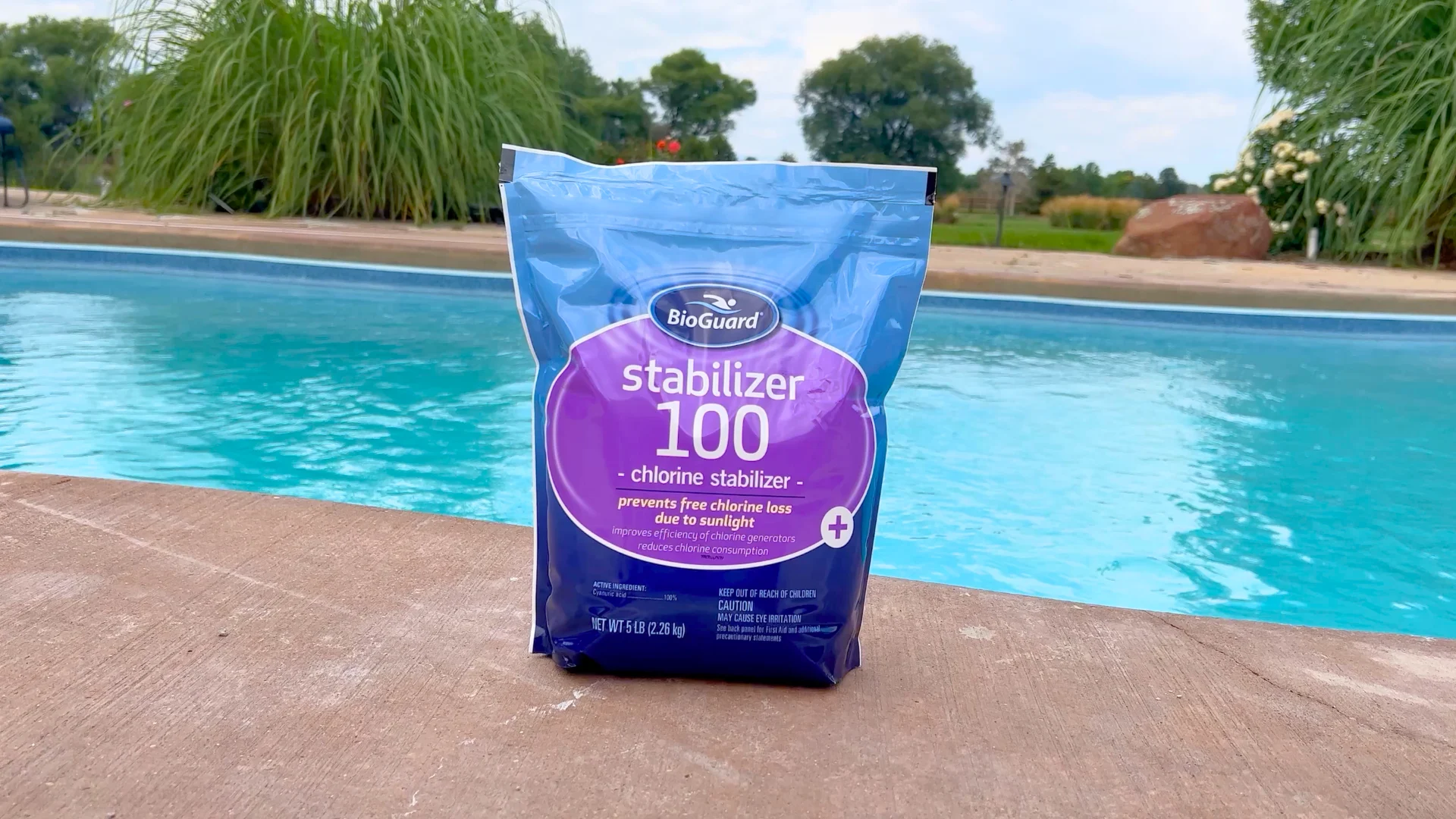
If the pool is already green, start with the basics first. Fix chlorine, pH, circulation, filtration, and brushing before blaming phosphates. A pool that needs kill algae in pool help usually needs a cleanup plan before it needs another bottle on the shelf.
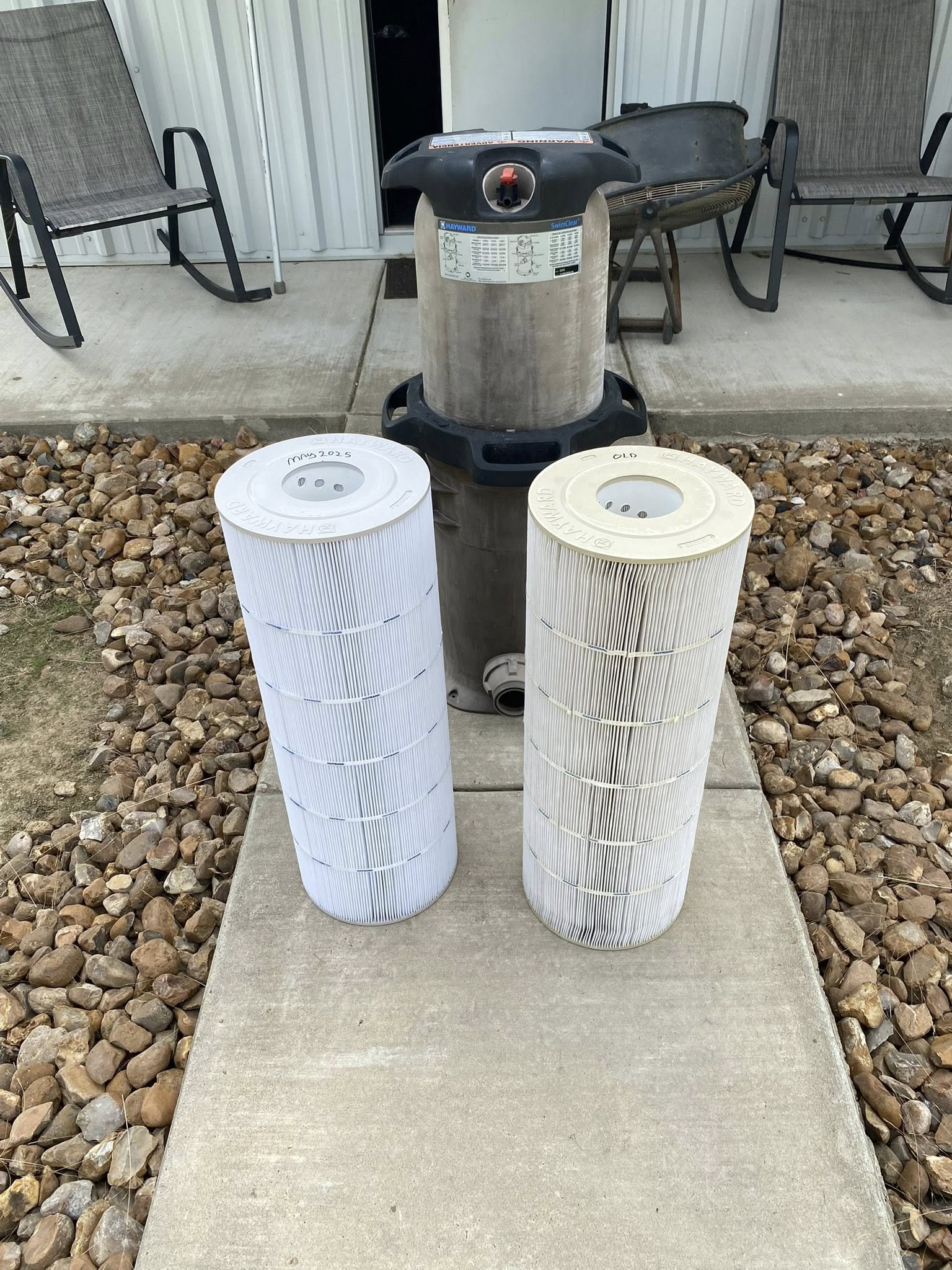
Pool phosphate remover is also not the first answer if your stabilizer is too high, your chlorine is disappearing overnight, or your filter pressure is acting strange. In those cases, the pool may need testing, filter cleaning, water replacement, or circulation work before phosphate treatment matters.
If you have already been dealing with pool chlorine lock, pool stabilizer too high, or cloudy pool after shock, solve those issues first. Otherwise, algae keeps coming back because the pool is still out of balance.
What Causes Phosphates in Pools?
Phosphates in pool water usually come from normal backyard life. Common sources include leaves, grass clippings, fertilizer runoff, soil, pollen, rainwater runoff, fill water, some pool chemicals, and organic waste from swimmers. One windy weekend can add more junk than people realize.
That is why cleaning matters. Skimming, brushing, emptying baskets, and maintaining the filter reduce the organic load before it becomes a chemistry headache. Good maintenance is still cheaper than fighting algae every other week.
People Also Ask
Do I need phosphate remover in my pool?
You may need pool phosphate remover if phosphate levels are high and algae keeps coming back, but it should come after chlorine, pH, stabilizer, circulation, and filtration are checked.
Do phosphates cause algae?
Phosphates can feed algae, but they do not usually cause algae by themselves. Weak sanitizer, poor circulation, and dirty filters are often the bigger trigger.
Why does algae keep coming back?
Algae keeps coming back when something in the system is still helping it survive. That could be low chlorine, high CYA, poor brushing, dead spots, dirty filters, or high phosphates.
Can phosphate remover clear a green pool?
Not by itself. A green pool needs proper algae treatment, brushing, filtration, and sanitizer control. Pool phosphate remover may help later as a prevention tool.
Should I test phosphates regularly?
For many residential pools, occasional testing is enough. Test more often if you have constant algae problems, heavy landscaping, storm runoff, or high debris load.
Is phosphate remover worth it?
It can be worth it as insurance, especially in high-debris pools. But if the pool is not balanced, phosphate remover will feel like wasted money because the real problem is still there.
Final Word
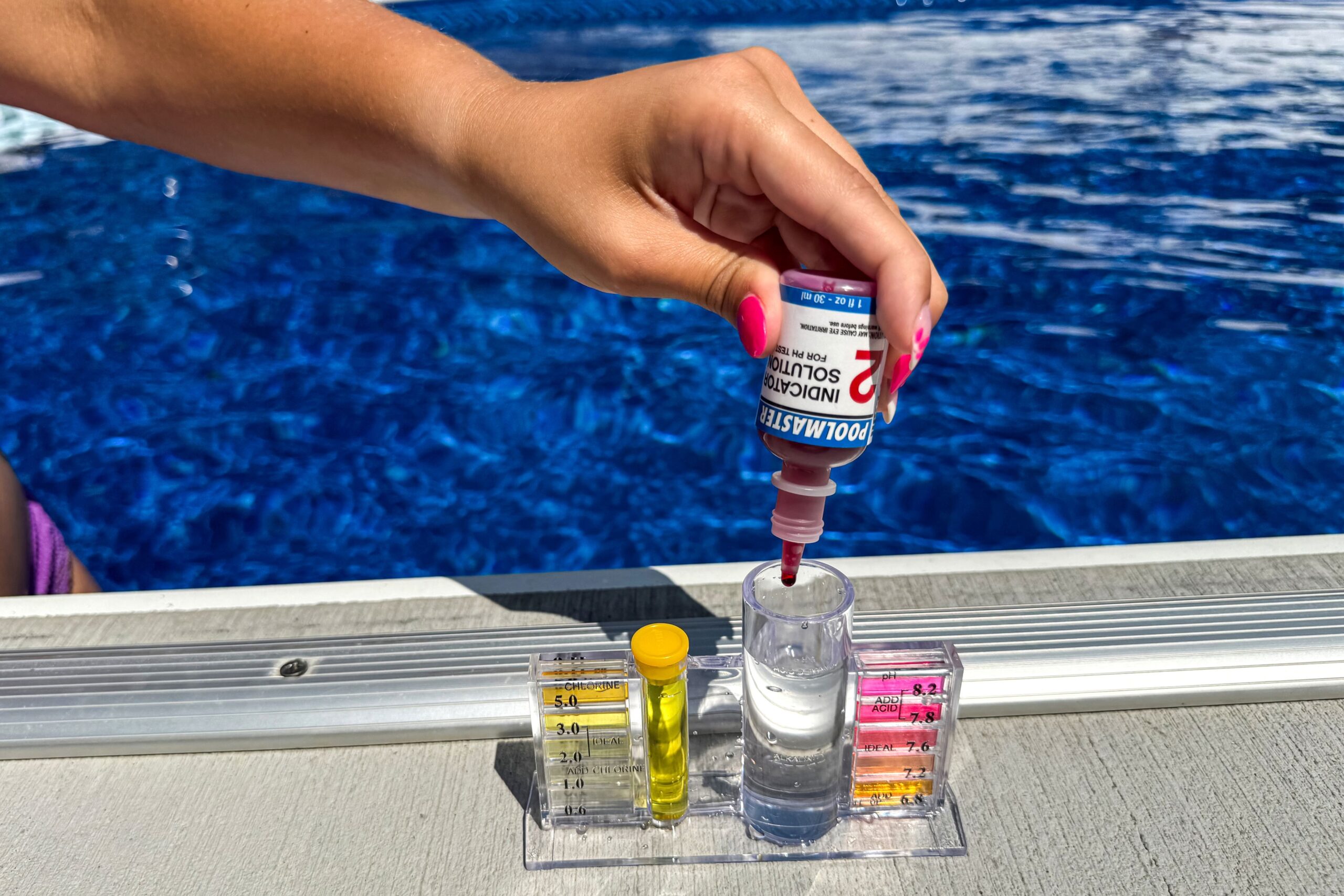
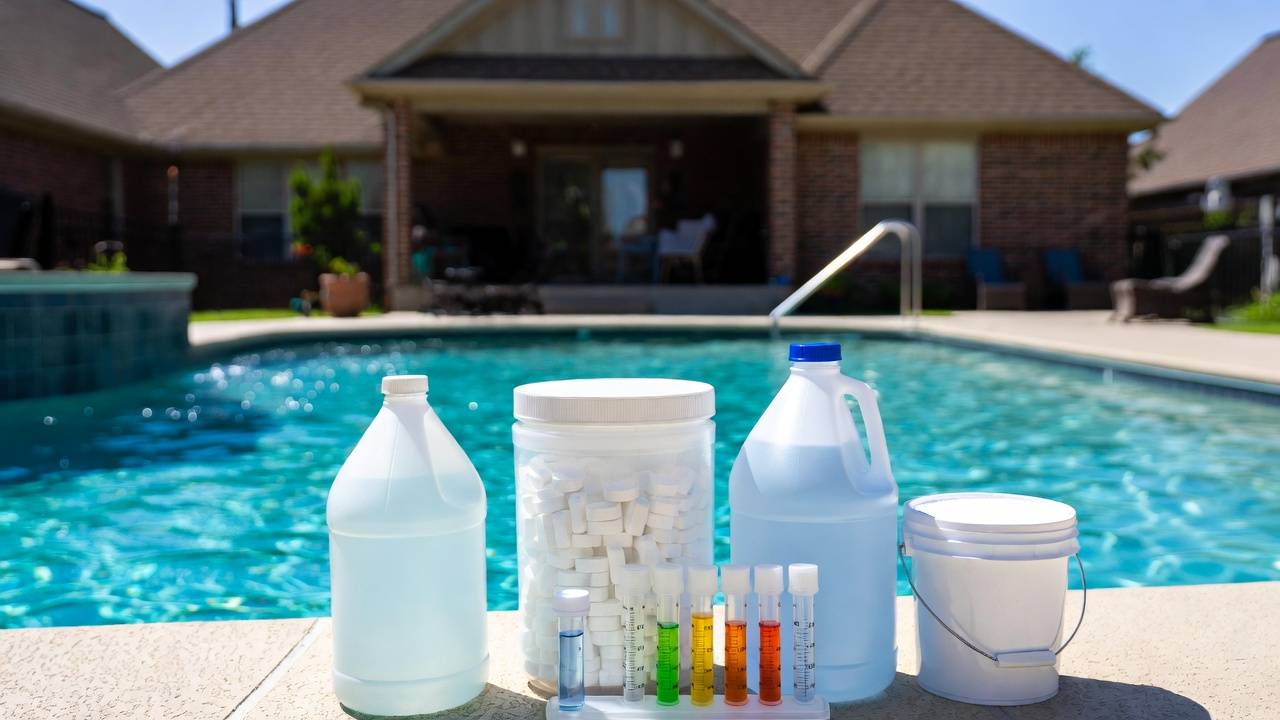
Pool phosphate remover has a place, but it should be part of a full diagnosis. PoolBurg can test phosphates, chlorine, CYA, pH, filter condition, and circulation together so homeowners stop chasing algae with random chemicals. If your pool needs common pool maintenance problems solved the right way, the smarter move is testing first and treating second.