Pool water turned brown and now your backyard looks more like sweet tea than a swimming pool? Take a breath. In most DFW pools, brown water usually points to iron, organic tannins, or a reaction that happened after chlorine hit the water. The color matters. A good pool water color diagnosis can tell you whether to shock, filter, treat metals, or stop before making stains worse.
Your Pool Water Changed Color and Here Is What It Means
Clear pool water should look blue, or clear with the natural tint of your surface. When pool water turned brown, green, yellow, black, or cloudy white, something specific is happening. Use this simple pool water color chart as a first clue, not a final diagnosis. Most color changes are fixable in 24 to 72 hours when the treatment matches the cause. Guessing is where people get into trouble.
| Pool Color | Likely Cause | First Smart Step |
|---|---|---|
| Light green | Early algae or copper | Test chlorine and check for metals |
| Dark green | Severe algae bloom | Brush, filter, and start recovery |
| Brown or rusty | Iron or organic tannins | Do not blindly shock until tested |
| Milky white | High pH, calcium, or filtration issue | Lower pH and clean the filter |
| Yellow film | Mustard algae or pollen | Brush and filter continuously |
| Black spots | Black algae or manganese | Call for a proper diagnosis |
Green Pool Water
If you are asking “why is my pool green,” the most common answer is algae. A light green tint usually means chlorine dropped and algae is settling in. But copper can also make water or surfaces look green, especially after copper-based algaecide, heater corrosion, or old plumbing issues. A quick clue: rub vitamin C on a green wall spot. If it lightens fast, metals may be involved. If not, treat it like algae. Dark green water is a bigger project and usually means chlorine has been low for days. PoolBurg already has a deeper guide on why is my pool green if the water has gone full swamp mode.
Brown or Rust-Colored Pool Water
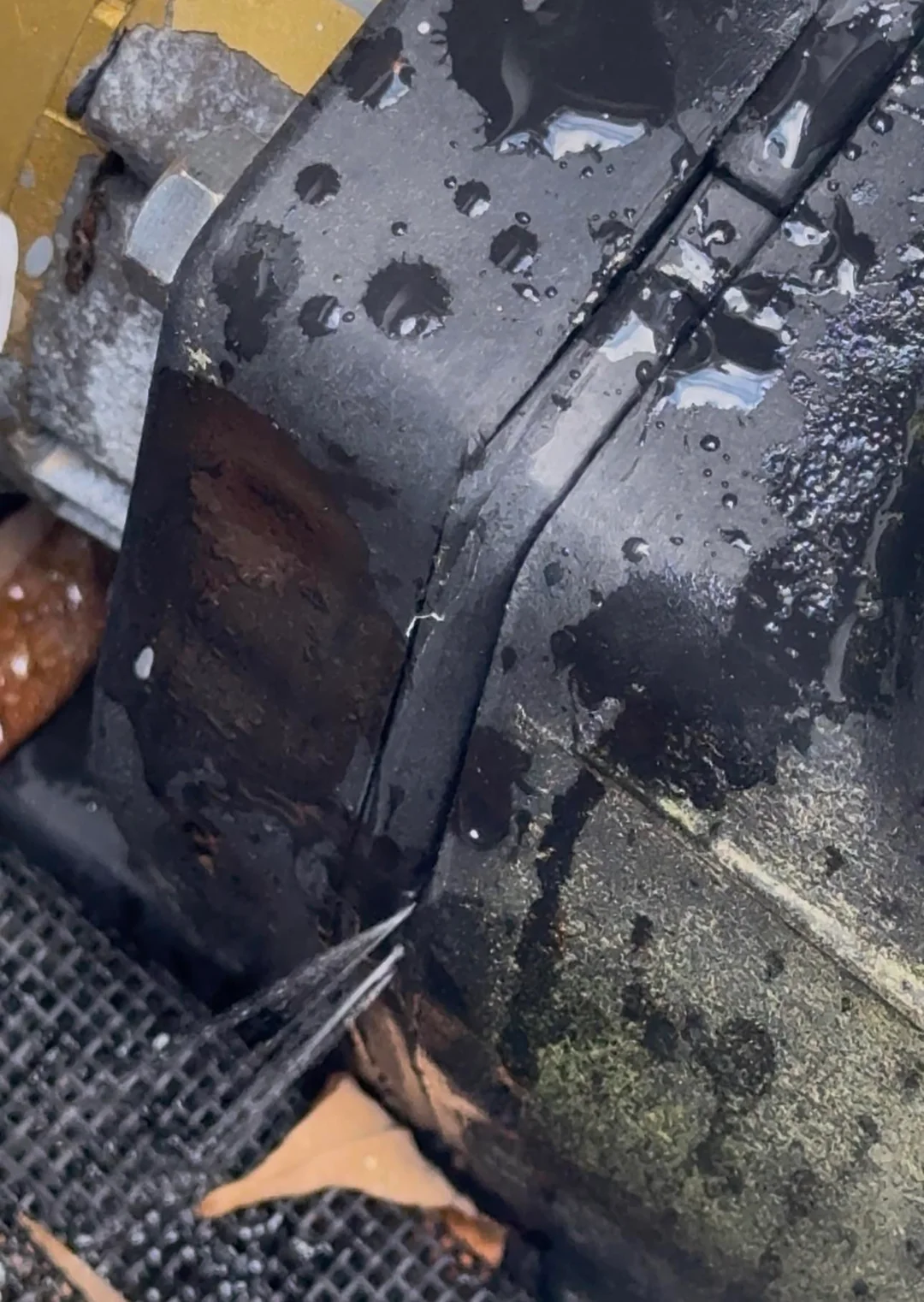
When pool water turned brown, think iron first. Iron can enter from fill water, corroding parts, or older gunite problems. Chlorine oxidizes iron, and the water may suddenly darken into tea, orange, or rusty brown. Leaves can also create tannins, especially after North Texas fall storms and oak or pecan debris. If pool water turned brown right after adding chlorine, do not keep dumping shock. Use a metal sequestrant, circulate, clean the filter, and confirm the source. For heavy brown water, a partial drain and refill with filtered fill water may be needed.
Milky or Cloudy White Pool Water
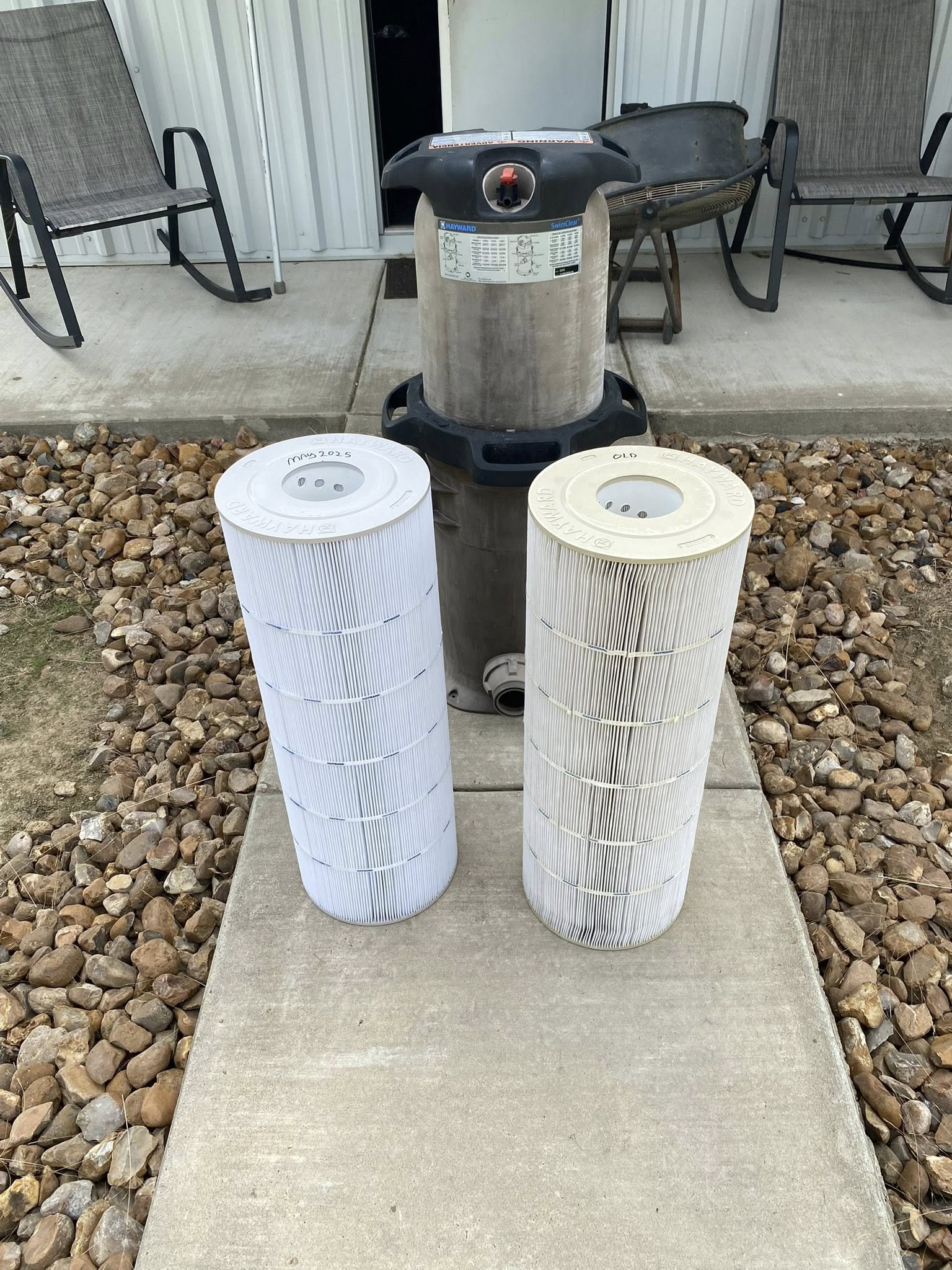
Pool water milky or dull usually means balance or filtration is slipping. In DFW, hard water makes this extra common. High pH can push calcium out of solution and make the water look cloudy. A dirty cartridge, weak circulation, old water, or undissolved cal-hypo shock can also make pool water milky. Start with pH, then clean the filter, run the pump longer, and keep brushing. The CDC home pool and hot tub water treatment and testing guidance notes that disinfectant and pH work together, so cloudy water should not be ignored.
Yellow, Black, Purple, and Blue-Green Clues
Yellow dust may be pollen, but yellow film that hugs shaded walls can be mustard algae. Black spots in plaster are often black algae, which digs into porous surfaces and rarely disappears with a casual shock. Purple or dark patches can point to manganese, while blue-green staining usually points back to copper. This is where the pool water color chart becomes useful: the shade tells you whether you are dealing with algae, metals, organics, or equipment trouble.
When to DIY and When to Call PoolBurg
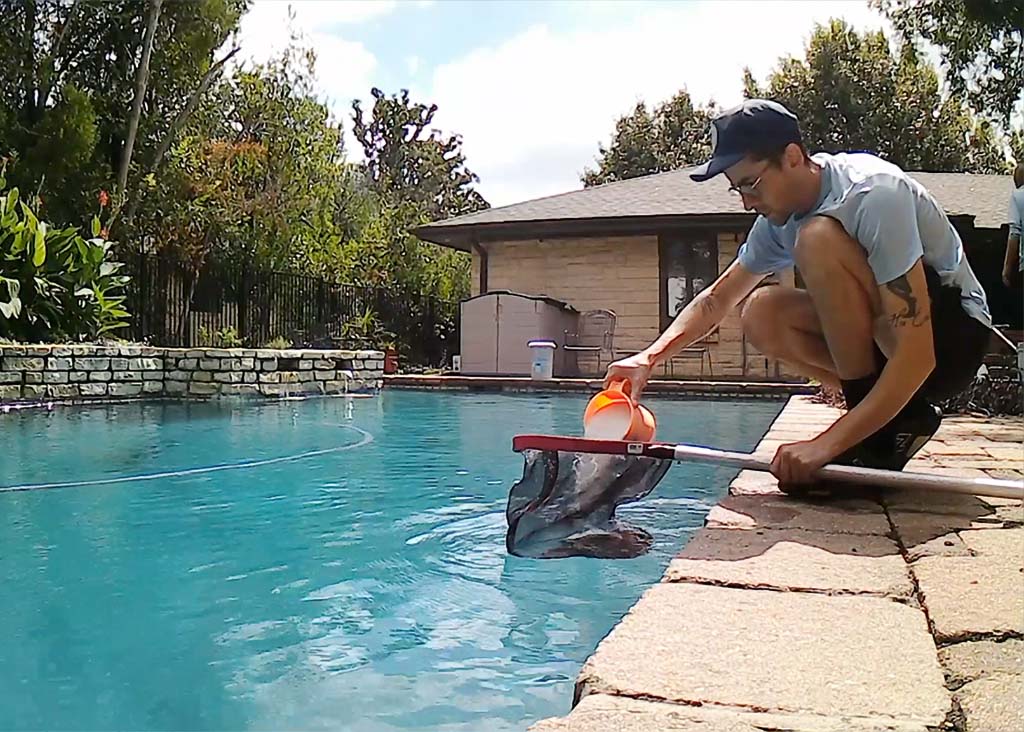
DIY is reasonable for a light green tint, slight cloudiness, or pollen that filters out quickly. Call PoolBurg when pool water turned brown, when the water is dark green, when pool water milky conditions keep coming back, or when stains appear on the surface. Metals need careful handling because the wrong move can lock stains into the plaster. PoolBurg’s weekly pool service includes water testing, metal checks, brushing, cleaning, and equipment assessment. If the issue is equipment-related, the pool repair team can look at filtration, circulation, heater corrosion, and other hidden causes.
People Also Ask
Why is my pool water green even though I add chlorine?
If you are asking why is my pool green even after chlorine, the pool may have high stabilizer, poor circulation, algae hiding on surfaces, or metals changing color after oxidation.
What causes brown pool water?
Brown pool water usually comes from iron, rust, or organic tannins. If pool water turned brown after chlorine, iron is a strong possibility.
Why is my pool water cloudy white?
Pool water milky white often comes from high pH, calcium precipitation, dirty filtration, old water, or undissolved shock.
Is it safe to swim in discolored pool water?
It is better to wait. Discolored water can hide poor sanitizer levels, algae, metals, or visibility problems. The CDC healthy swimming prevention guidance recommends keeping disinfectant and pH in proper range for safer swimming.
How do I fix pool water that changed color overnight?
Start with testing. Check chlorine, pH, alkalinity, metals, and filtration before adding more chemicals. The right fix depends on the color.
PoolBurg Diagnoses Water Color Changes at Every Visit
Pool water turned brown, green, cloudy, or stained? Do not guess your way through a chemical aisle. PoolBurg identifies the cause, treats the water correctly, and helps restore the clear blue look North Texas pool owners actually want. If your pool water color looks weird, contact PoolBurg and let the team fix it right the first time.