Salt water pool maintenance schedule planning is where a lot of Texas pool owners get surprised. A salt pool can feel smoother and be easier to live with than a traditional chlorine pool, but it is not a self-cleaning backyard robot. The salt system makes chlorine from dissolved salt. It still needs good flow, clean baskets, steady pH, enough stabilizer, and regular eyes on the salt cell. In DFW heat, skipping one week can be the difference between clear water and that “why is it cloudy already?” moment.
Weekly Salt Water Pool Maintenance
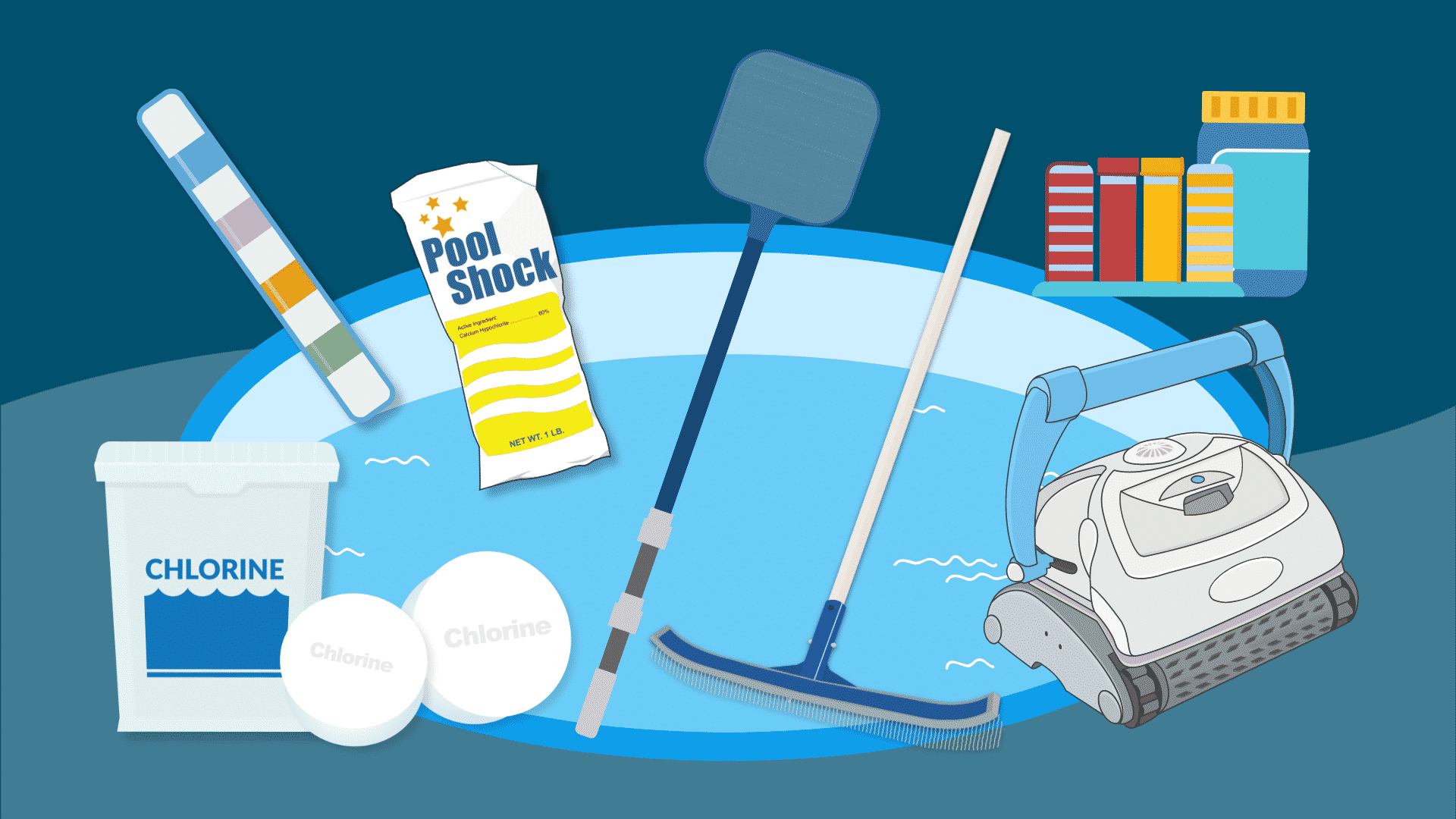
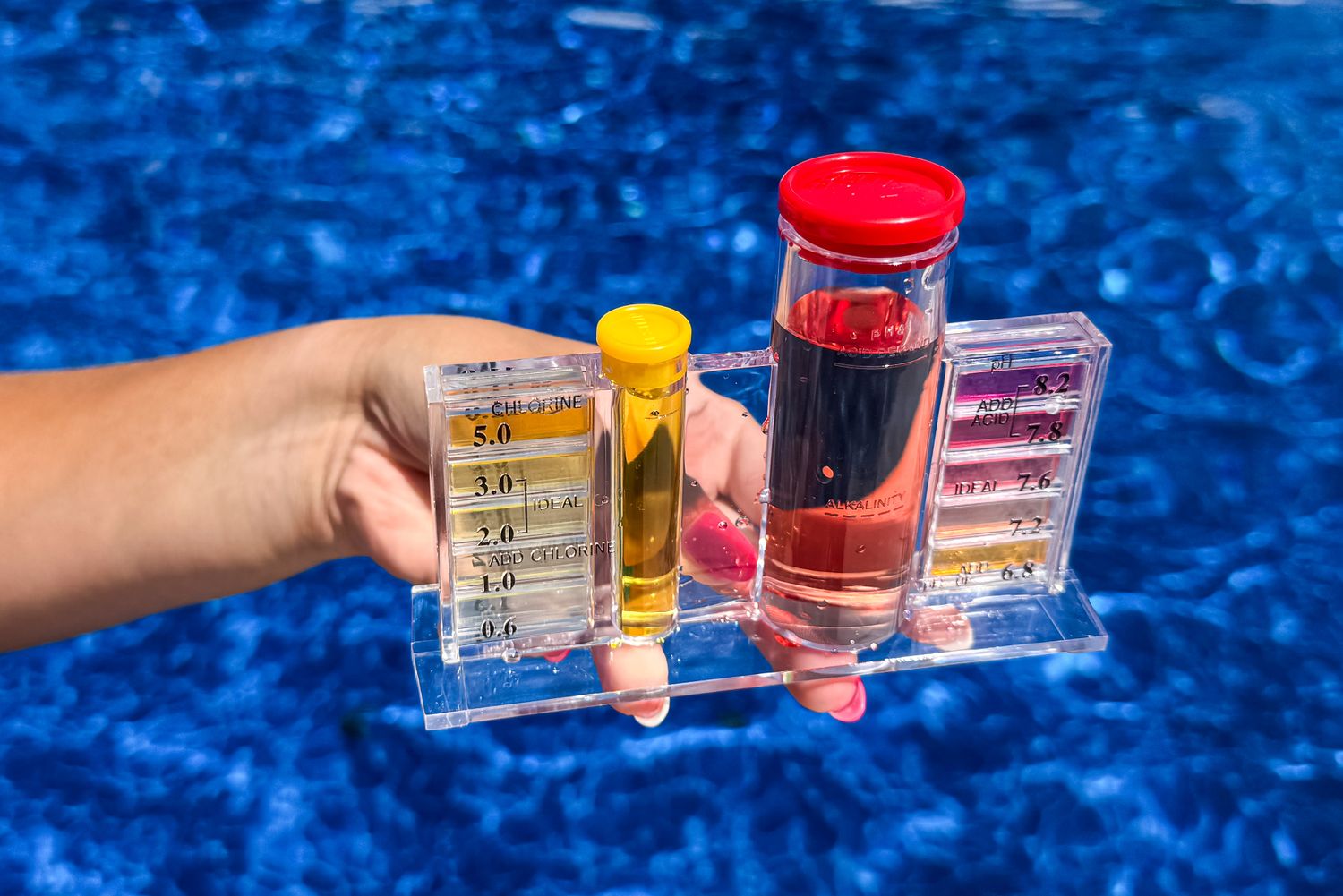
A smart salt water pool maintenance schedule starts with the weekly basics. Test free chlorine and pH first, because those two tell you whether the water is actually protected and comfortable. The CDC home pool water treatment and testing guidance recommends keeping pool pH in the 7.0 to 7.8 range and maintaining enough chlorine for sanitation, which matters even when the pool looks pretty.
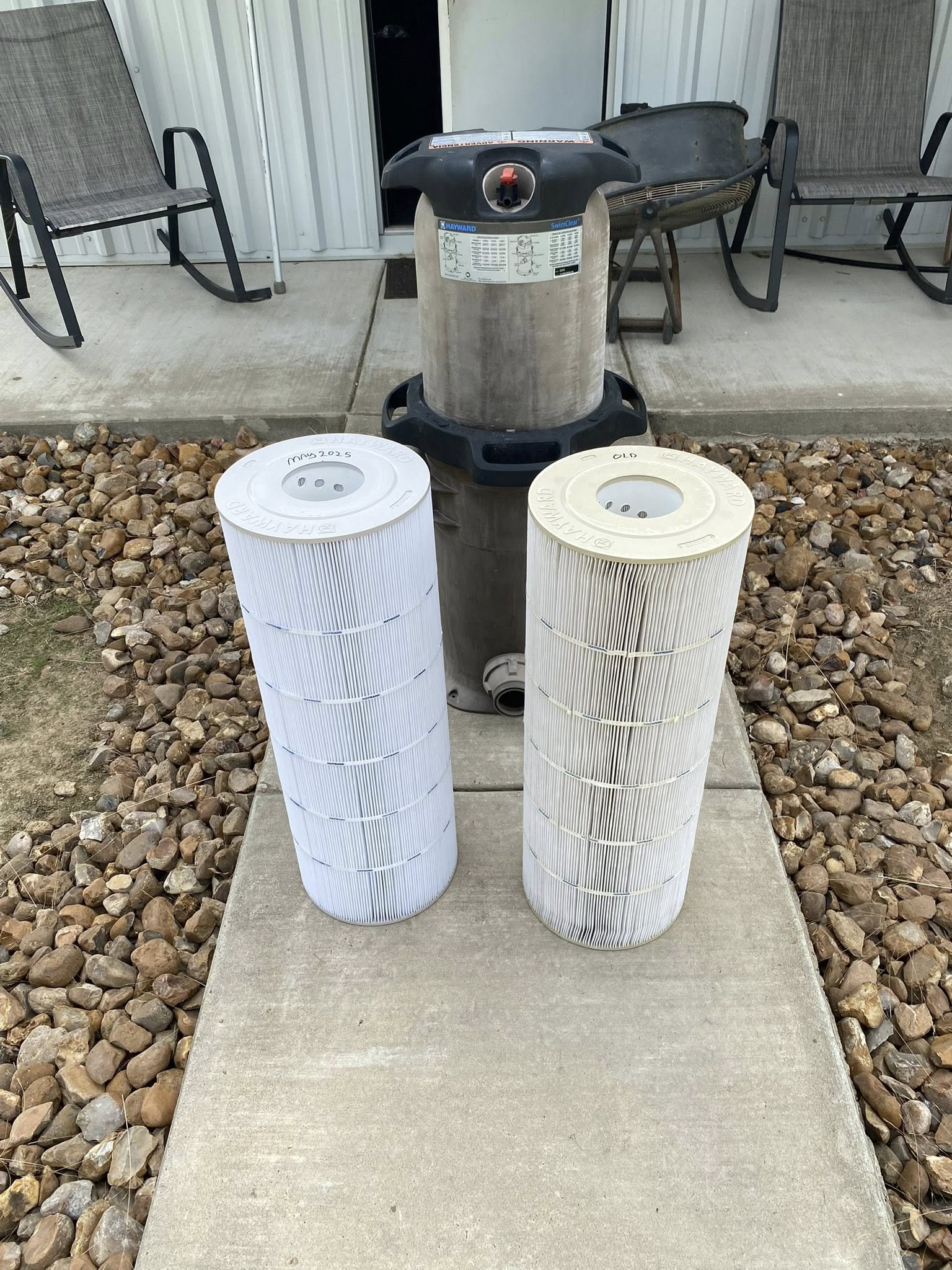
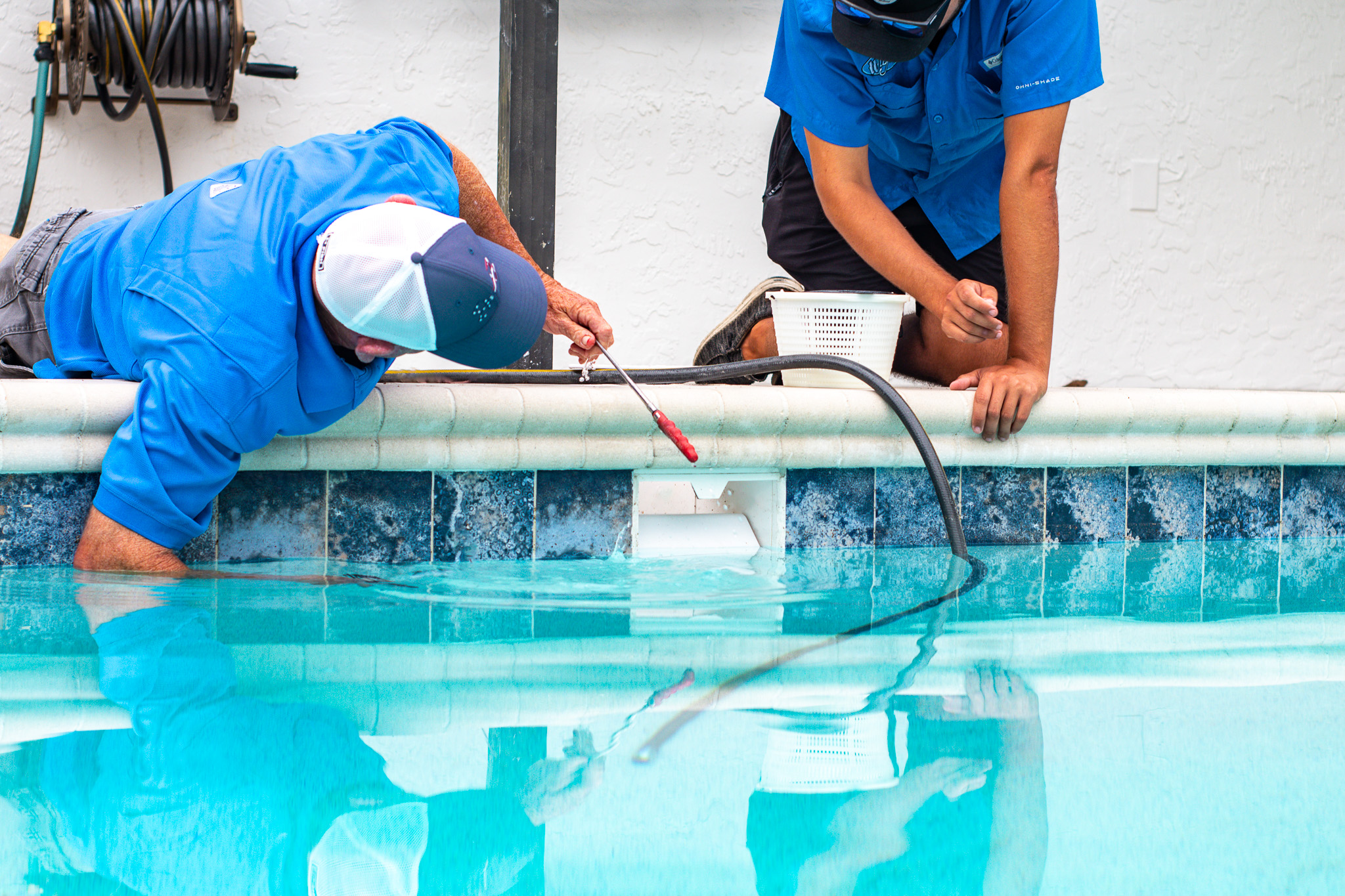
Once testing is done, empty the skimmer baskets and pump basket, brush steps and walls, skim debris, check water level, and look at the equipment pad. Weak flow, odd pump sounds, air bubbles, or a warning light on the salt system are not little details. They are early clues. Weekly salt water pool maintenance is really about catching those clues before they turn into algae, scale, or a dead weekend swim plan.
Monthly Salt Water Pool Maintenance
Monthly care goes a little deeper. Check the salt level with a reliable test, not only the system display. Salt cells can read incorrectly when scale builds up or water balance is off. The Hayward AquaRite product manual lists 2700 to 3400 ppm as the ideal salt range, with 3200 ppm as optimal for that system. Pentair systems may use different targets, so always follow the equipment manual on your pad.
Monthly is also a good time to inspect the salt cell, test calcium hardness, check cyanuric acid, and look at total alkalinity. The Pentair IntelliChlor quick start guide lists common balance targets such as pH 7.2 to 7.8, calcium hardness 200 to 400 ppm, alkalinity 80 to 120 ppm, and stabilizer 30 to 50 ppm for that system. Those numbers are not just chemistry trivia. They help prevent scale, protect surfaces, and keep chlorine from disappearing too fast in the sun.
Seasonal Salt Pool Maintenance In Texas
A salt pool maintenance schedule should change with the season. In spring, the goal is startup: clean the pool, balance the water, check the salt cell, and make sure the system is producing chlorine before swim season gets busy. In summer, the big battle is heat. Warm water, long pump run times, kids, sunscreen, storms, and dust all increase demand.
After big storms, test again even if you serviced the pool two days earlier. Rain can dilute chemistry, push debris into the water, and make the filter work harder. In winter, North Texas pools still need attention. Freezing weather can damage equipment, and low-use pools can still drift out of balance if nobody checks them.

What Happens If You Skip Salt Pool Maintenance?
Skipping a salt water pool maintenance schedule rarely causes one dramatic problem overnight. It usually creates a chain reaction. pH creeps high. Calcium scale starts forming. The salt cell works harder. Chlorine production drops. Water turns hazy. Then algae sees an opening.
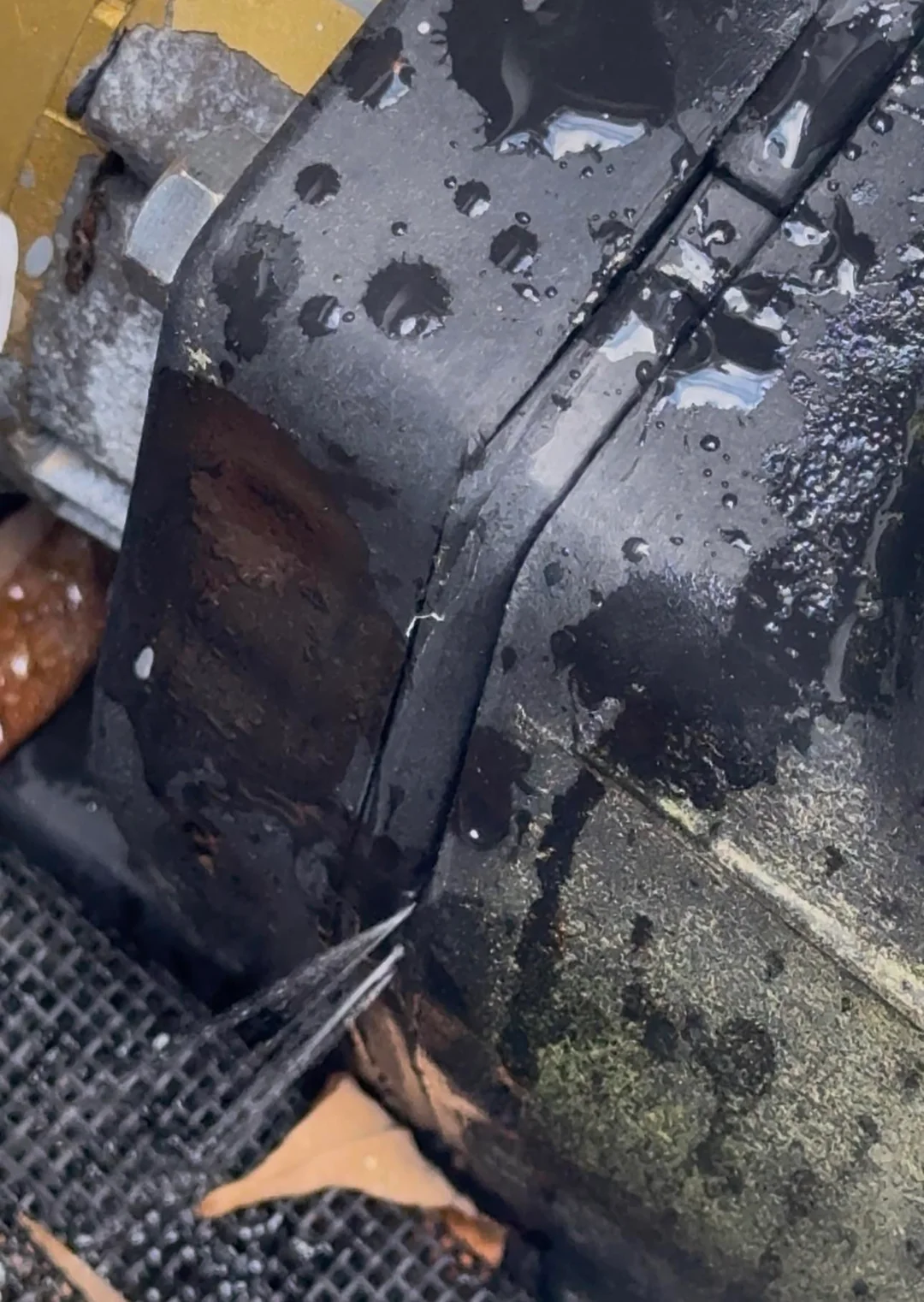
Scale is especially frustrating because it can block the salt cell even when the pool has enough salt. PoolBurg sees this a lot around DFW hard water. If you notice flakes, cloudy water, low chlorine, or warning lights, our guide on salt cell scale buildup explains why the cell may need attention before you simply add more chemicals.
DIY Salt Pool Schedule vs Professional Pool Service
A homeowner can handle some parts of a salt water pool maintenance schedule: testing, brushing, emptying baskets, and keeping basic notes. The tricky part is knowing what the results mean together. Low chlorine might be a run-time issue, a dirty cell, low salt, high stabilizer, high pH, or poor circulation. Guessing can get expensive.
That is where PoolBurg’s weekly pool service helps. During service, we check cleaning needs, water balance, equipment behavior, salt cell condition, and early warning signs. If you are thinking about switching from chlorine, PoolBurg can also help with a chlorine to salt conversion and explain the real cost of saltwater pool maintenance before you invest in new equipment.
People Also Ask
How often should a salt water pool be maintained?
A salt water pool should be checked weekly, with deeper testing every month. During Texas heat, storms, or heavy swimming, testing more often is smart.
What is a good salt water pool maintenance schedule?
A good salt water pool maintenance schedule includes weekly chlorine and pH testing, brushing, basket cleaning, flow checks, monthly salt and cell checks, and seasonal adjustments for heat, storms, and freeze risk.
How often should a salt cell be cleaned?
Inspect the cell regularly and clean it only when scale is visible or performance drops. Over-cleaning with acid can shorten cell life, so follow the manufacturer’s directions carefully.
Why is my salt pool cloudy?
Cloudy salt pool water can come from low chlorine, high pH, poor filtration, low run time, dirty filters, scale buildup, or a salt cell that is not producing enough chlorine.
Is salt water pool maintenance easier than chlorine?
It can be easier, but not effortless. Salt systems automate chlorine production, but they do not replace testing, brushing, filtering, balancing, or cell inspection.
PoolBurg Can Keep Your Salt Pool On Schedule
A salt water pool maintenance schedule works best when it is consistent. You should not have to guess every week or chase cloudy water all summer. PoolBurg helps salt pool owners in Frisco, Plano, Allen, McKinney, and nearby DFW cities keep chemistry stable, watch the salt cell, and prevent little issues from becoming expensive ones. If your salt pool needs a dependable routine, contact PoolBurg and let us help you keep the water clear, comfortable, and ready.