Common pool maintenance problems almost never show up politely. One week the water looks fine, then suddenly the pool is cloudy, the pump sounds angry, the chlorine disappears too fast, and everyone starts blaming the weather. Sometimes the weather is part of it, especially in North Texas, but most pool maintenance issues build up because one small part of the routine slipped.
That is the tricky thing about pool care. Chemistry, cleaning, circulation, filtration, and equipment all lean on each other. When one piece gets lazy, the rest of the pool starts acting weird.
Why Common Pool Maintenance Problems Build Up Quickly
A pool is not just a tub of water. It is a moving system. Water has to circulate, debris has to be removed, filters have to breathe, and sanitizer has to stay active long enough to do its job. The CDC explains that pool water treatment depends on proper disinfectant and pH control, which is why a clear pool can still be poorly balanced.
Common pool maintenance problems get worse when homeowners only treat what they can see. A little cloudiness may look harmless. A little algae in the corner may seem like nothing. A slightly high filter reading may not feel urgent. But those small clues often point to deeper pool maintenance issues.
The Most Common Pool Maintenance Problems
The most common pool maintenance problems PoolBurg sees around Frisco, Plano, McKinney, Allen, The Colony, Lewisville, Carrollton, Addison, Keller, Garland, Mesquite, Wylie, and Prosper are usually familiar:
- Cloudy water that will not clear
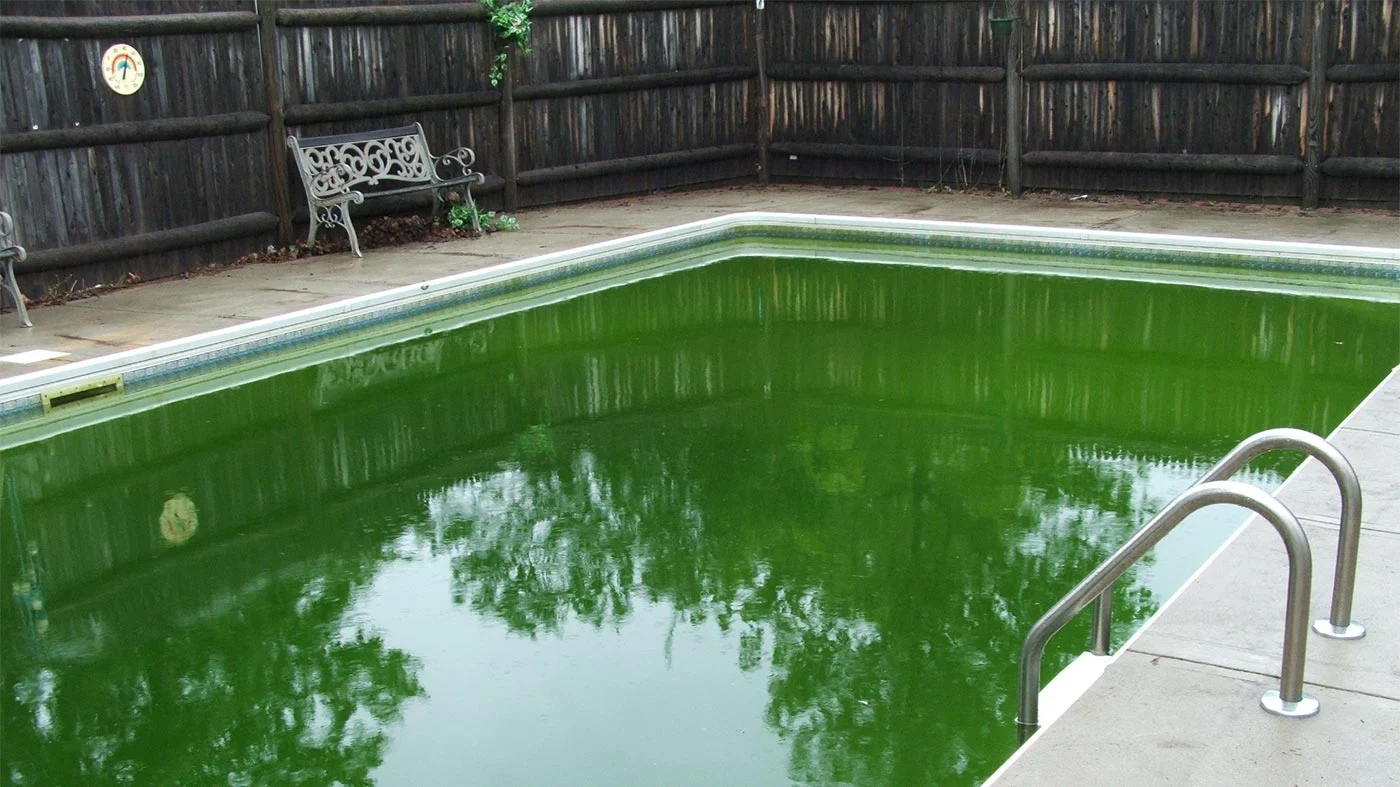
- Green water after rain or heavy use
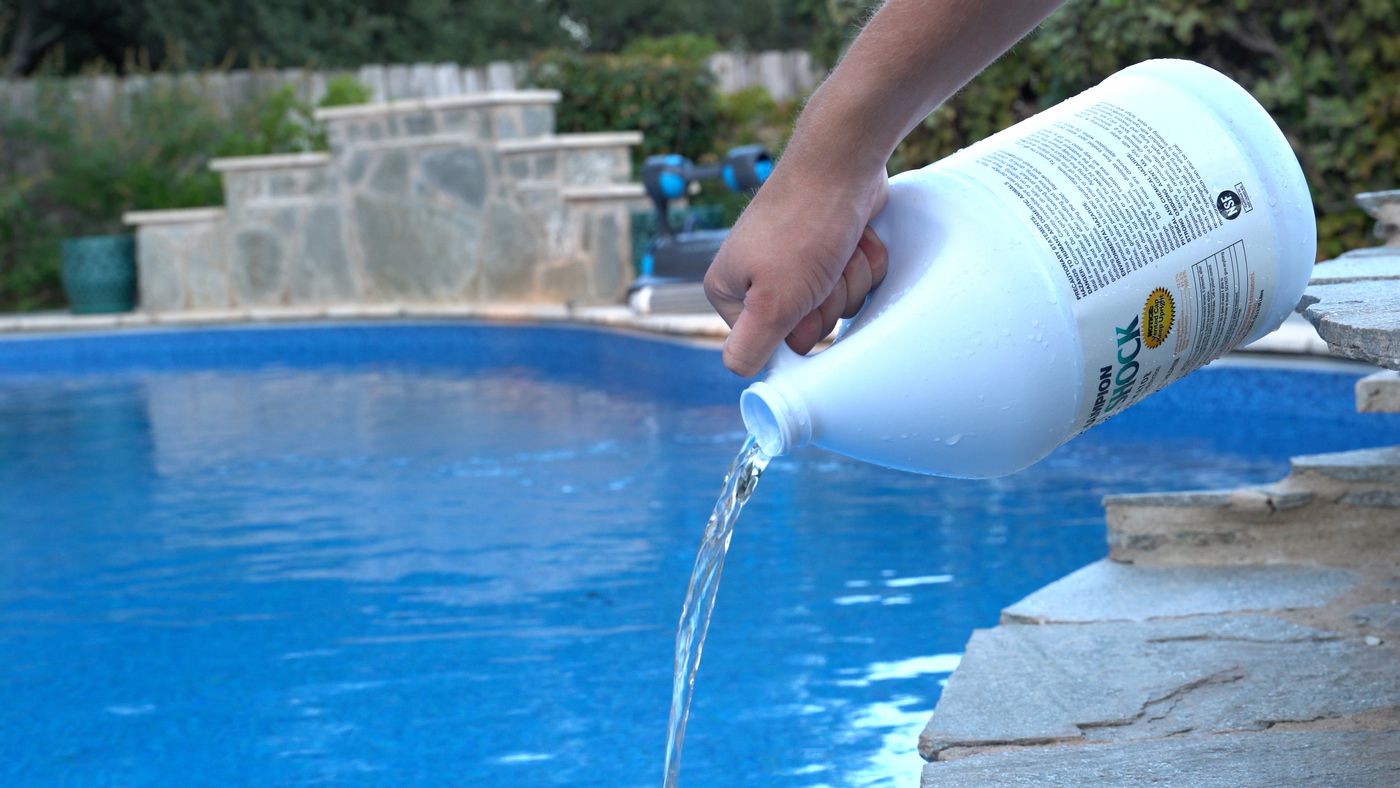
- Low chlorine even after adding chemicals
- High pH that keeps creeping back
- Algae spots on steps, walls, and corners
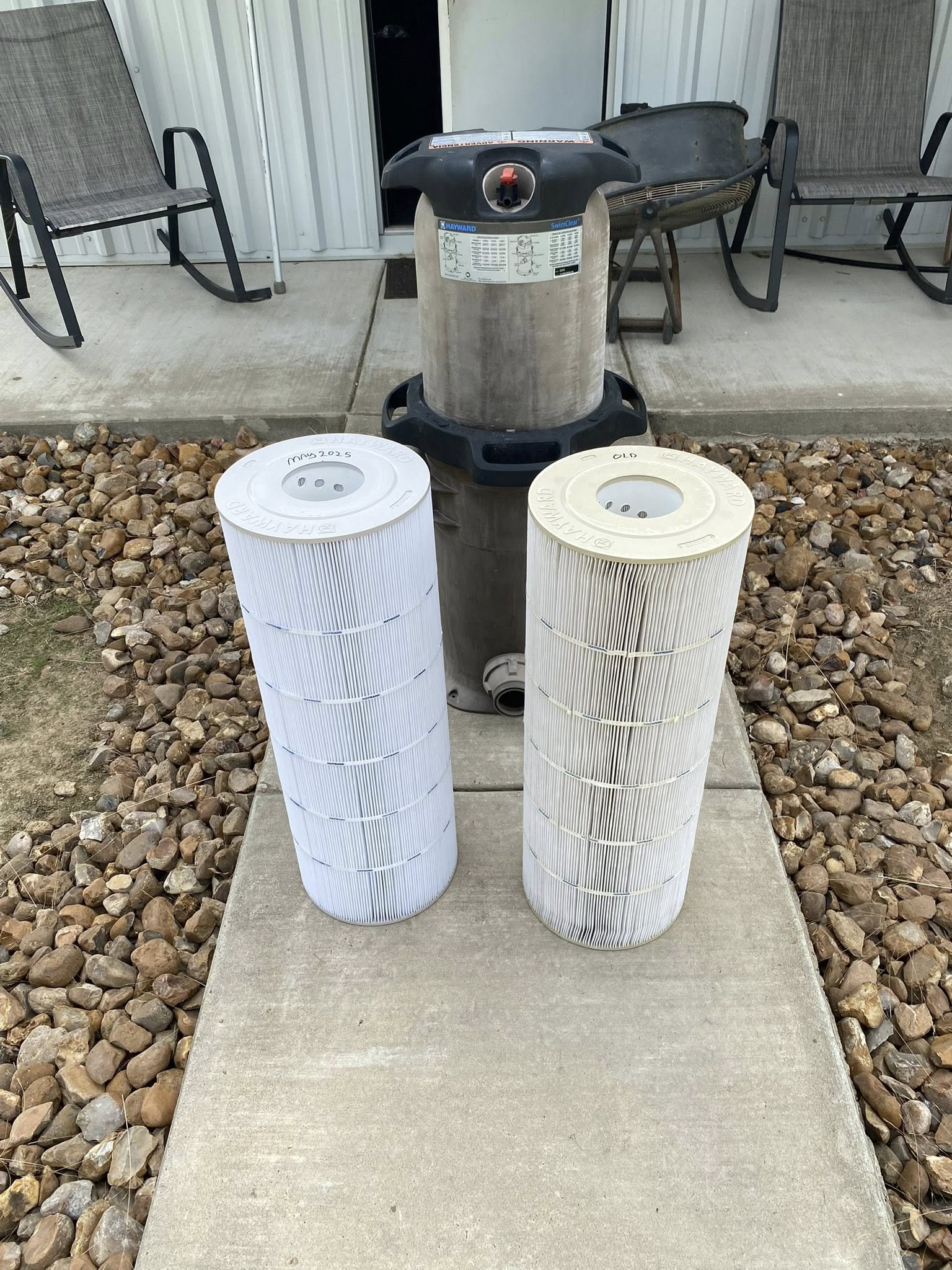
- Dirty or restricted filters
- Weak circulation or low return flow
- Scale on tile, plaster, or salt equipment
- Stains from metals, leaves, or organic debris
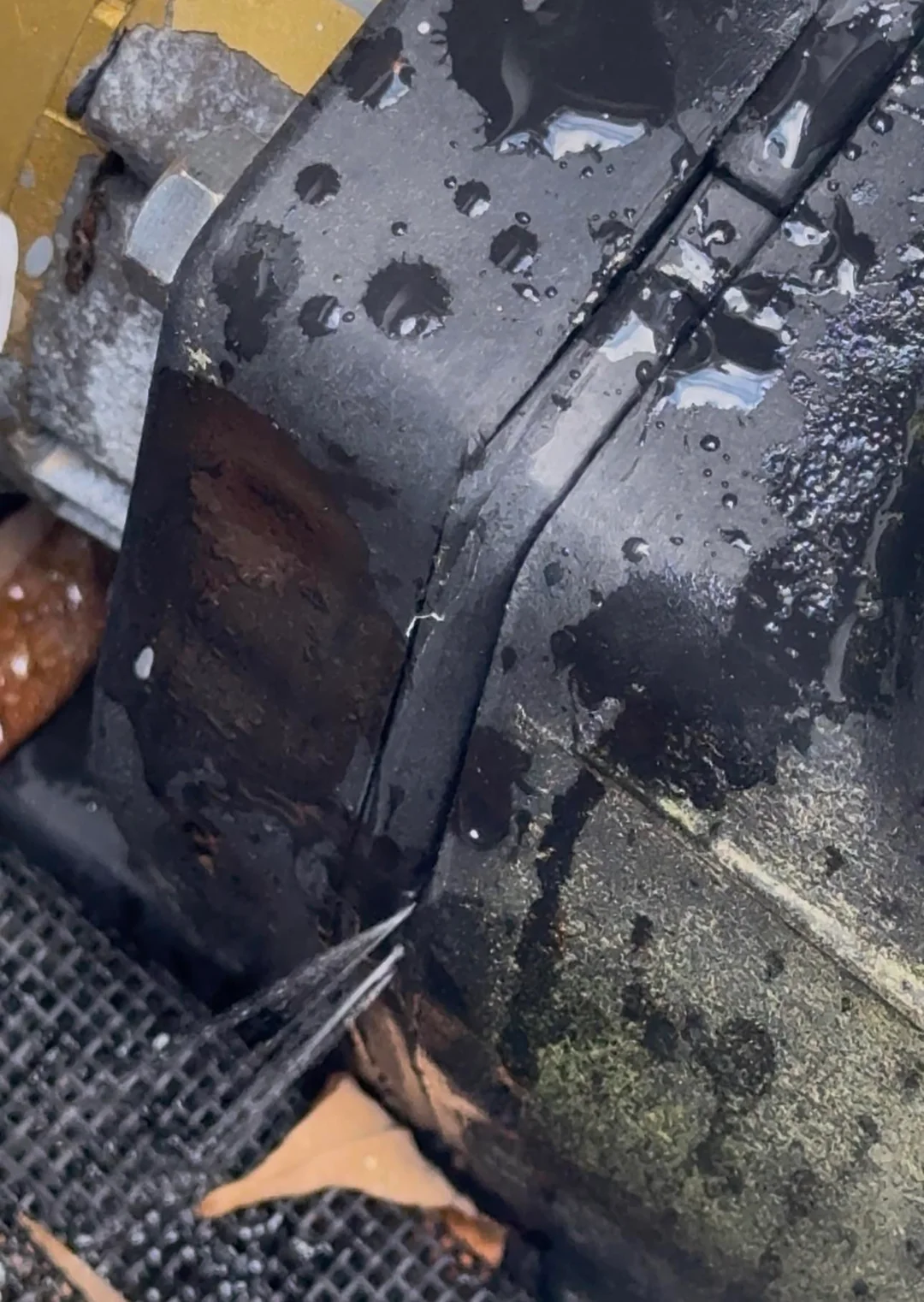
- Pump noise, air bubbles, suction loss, or leaks
A lot of these issues connect back to the same few pool care mistakes: skipping brushing, guessing chemicals, ignoring filter pressure, and waiting too long to fix weak circulation. PoolBurg’s guide on pool circulation problems is a good internal follow-up when the water looks bad even though chemicals have been added.
Chemistry Problems Homeowners Miss
Chemistry is where common pool maintenance problems can sneak up quietly. pH imbalance is the big one. If pH climbs too high, chlorine becomes less effective and scale becomes more likely. If pH drops too low, water can become aggressive and uncomfortable. The Pool and Hot Tub Alliance maintenance guide also points homeowners back to regular testing for chlorine, pH, alkalinity, and other key levels.
Other chemistry problems include high stabilizer, low alkalinity, high calcium hardness, combined chlorine, and phosphates. The National Pesticide Information Center pool chemical fact sheet explains why proper chemical levels and pH matter for both swimmer comfort and germ control.
This is where random chemical dumping gets expensive. Adding more chlorine to a pool with bad pH, dirty filters, or poor circulation may not solve the real problem. It just keeps the cycle going.
Cleaning Problems That Cause Bigger Issues
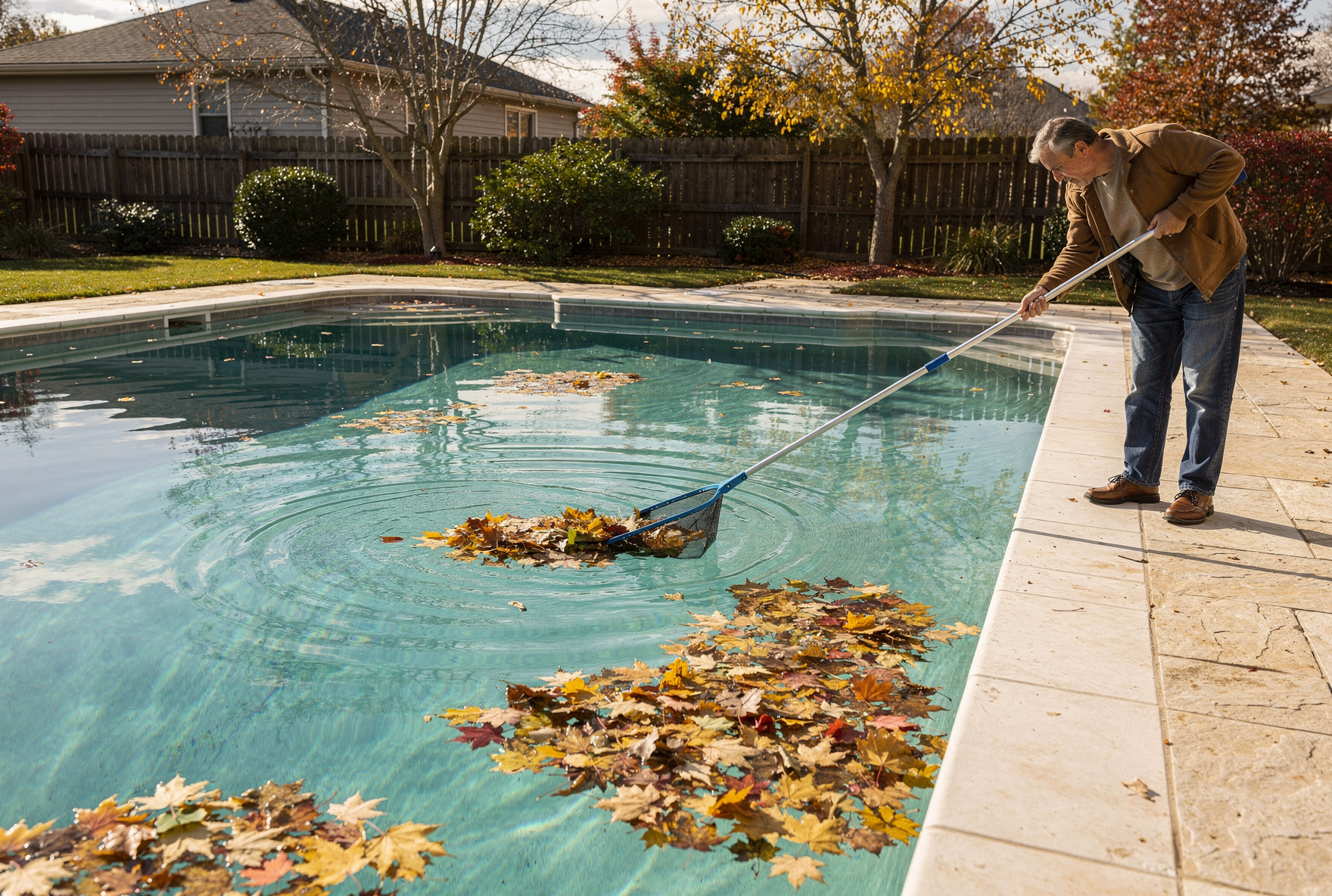
Some pool care mistakes are boring, but boring things are usually what keep pools clear. Not brushing allows algae to cling to steps, benches, corners, and shaded walls. Not vacuuming lets debris decay on the floor. Leaving baskets full makes the pump work harder. Letting leaves sink can create stains and chlorine demand.
Cleaning also supports the filter. If a pool is full of dirt, pollen, and dead algae, the filter gets overwhelmed faster. That can lead to cloudy water even when the chemical test does not look terrible. If your filter is part of the problem, PoolBurg’s article on pool filter backwash explains why pressure and timing matter.
Equipment Problems That Affect Maintenance
Common pool maintenance problems are not always chemical. Sometimes the equipment is quietly losing the battle. A weak pump, dirty filter, suction leak, bad valve position, heater issue, or automation error can make the water harder to manage every single week.
Poor circulation is especially sneaky. You can test, brush, and add sanitizer, but if water is not moving through the pool properly, dead spots form. That is where algae likes to set up camp. Texas public pool rules even treat water clarity as a safety issue because swimmers should be able to clearly see the deepest part of the pool, as shown in the Texas pool water clarity standard.
How to Prevent Common Pool Maintenance Problems
The best way to prevent common pool maintenance problems is to stop treating pool care like a once-in-a-while chore. A simple weekly routine goes a long way:
- Test chlorine, pH, alkalinity, calcium, and stabilizer.
- Empty skimmer and pump baskets.
- Brush walls, steps, benches, and corners.
- Vacuum or remove settled debris.
- Check filter pressure and clean when needed.
- Watch for leaks, air bubbles, noise, and weak flow.
- Adjust service habits after storms, heat waves, and heavy swimming.
The CDC pool chemical safety guidance is also worth keeping in mind because pool chemicals need to be handled carefully, stored correctly, and never mixed carelessly.For homeowners who are tired of chasing the same symptoms, PoolBurg’s pool maintenance for beginners and pool water testing kits guides can help explain the basics without making pool care feel like a science exam.
People Also Ask
What are common pool maintenance problems?
Common pool maintenance problems include cloudy water, algae, high pH, low chlorine, dirty filters, scale, stains, weak circulation, and pump or equipment issues.
Why does my pool keep getting cloudy?
Cloudy water usually comes from poor filtration, low sanitizer, high pH, heavy debris, algae beginning to grow, or circulation problems.
Why does algae keep coming back?
Algae often comes back when brushing is skipped, chlorine is inconsistent, filter cleaning is delayed, or the pool has dead spots with poor circulation.
What happens if pool maintenance is ignored?
Ignored maintenance can lead to green water, staining, scaling, equipment strain, clogged filters, higher chemical costs, and emergency service calls.
How often should pool maintenance be done?
Most residential pools in DFW need weekly maintenance, with extra attention after storms, heavy swimming, high heat, or major debris events.
Is professional pool maintenance worth it?
For many homeowners, yes. Professional maintenance helps catch small pool maintenance issues early, keeps chemistry more consistent, and protects expensive equipment.
PoolBurg Helps Stop the Pattern Behind the Problem
Common pool maintenance problems are frustrating because they make homeowners feel like they are always one step behind. PoolBurg helps DFW homeowners stop guessing and find the pattern behind the problem, whether that is chemistry, cleaning, filtration, circulation, or equipment.If your pool keeps turning cloudy, green, rough, stained, or hard to balance, contact PoolBurg and let us help you get the pool back into a routine that actually works.