Pool heat pump not heating enough is a frustrating problem because the unit may look like it is running, the fan may be spinning, and the control panel may show the right set temperature, but the water still feels stubbornly cold. In North Texas, that usually comes down to one of four things: airflow, water flow, sizing, or expectations. Before you assume the whole heater is dead, it helps to separate a real repair issue from a pool that is simply too large, too exposed, or not running long enough for the weather.
Why A Pool Heat Pump Underperforms
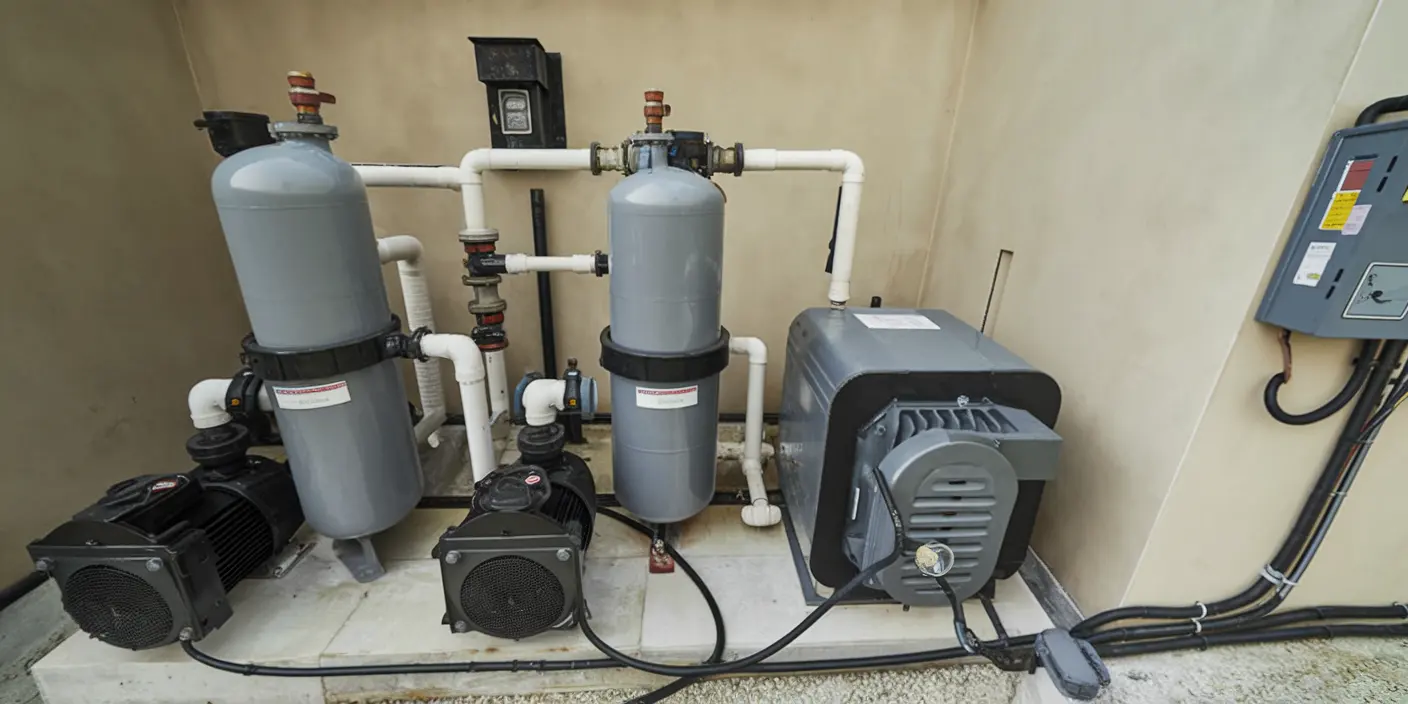
A heat pump pulls heat from the surrounding air and transfers it into the pool water. That means blocked airflow matters. A dirty coil, leaves around the cabinet, fences too close to the unit, or poor clearance can all reduce heat transfer. Pentair’s UltraTemp heat pump guide lists required clearances around the unit, which is a good reminder that a heat pump needs breathing room, not just electricity.
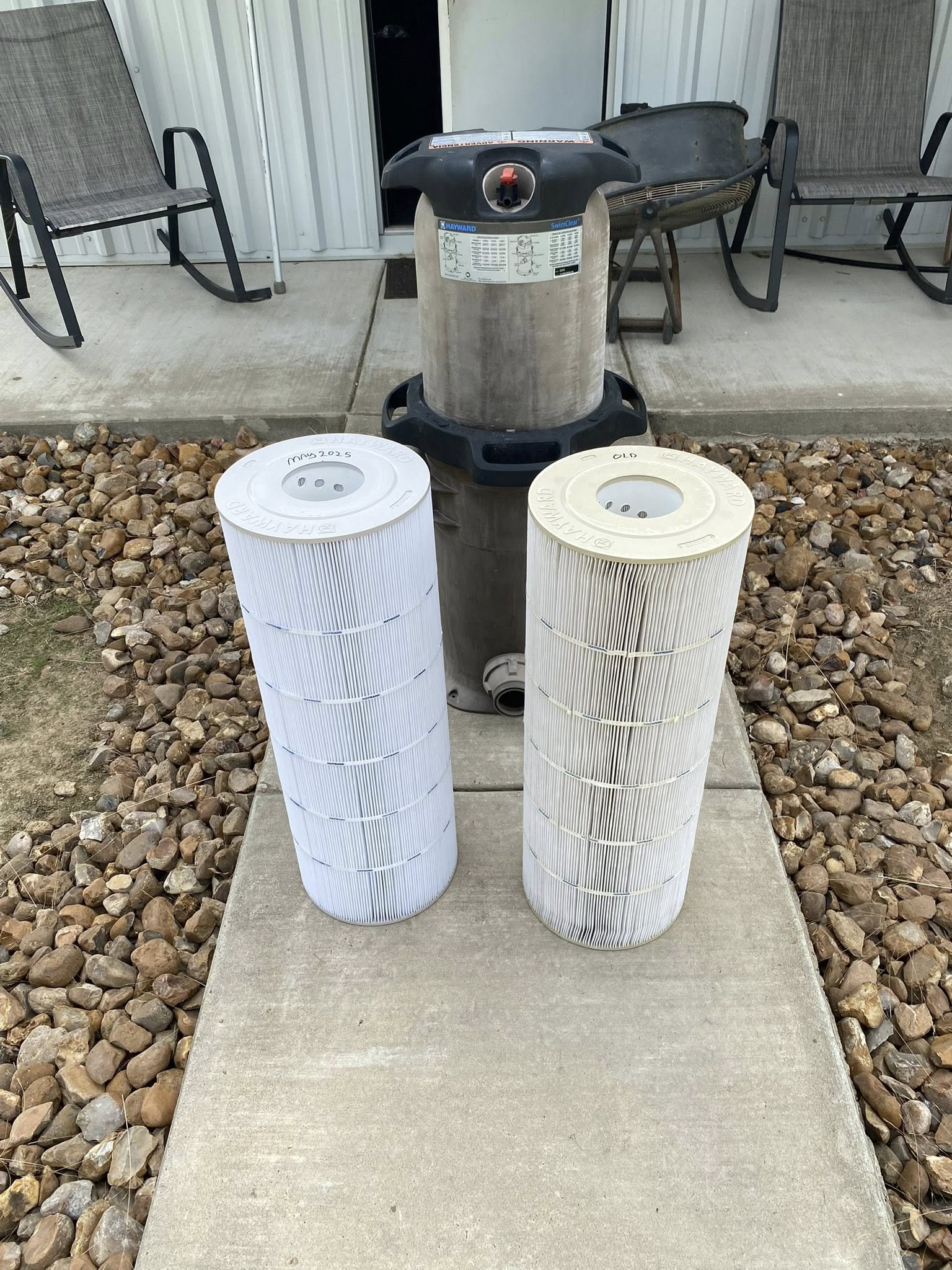
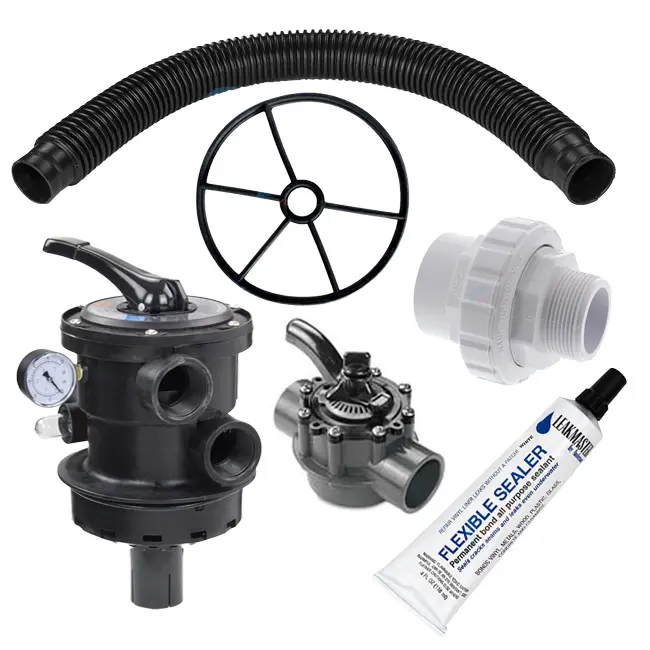
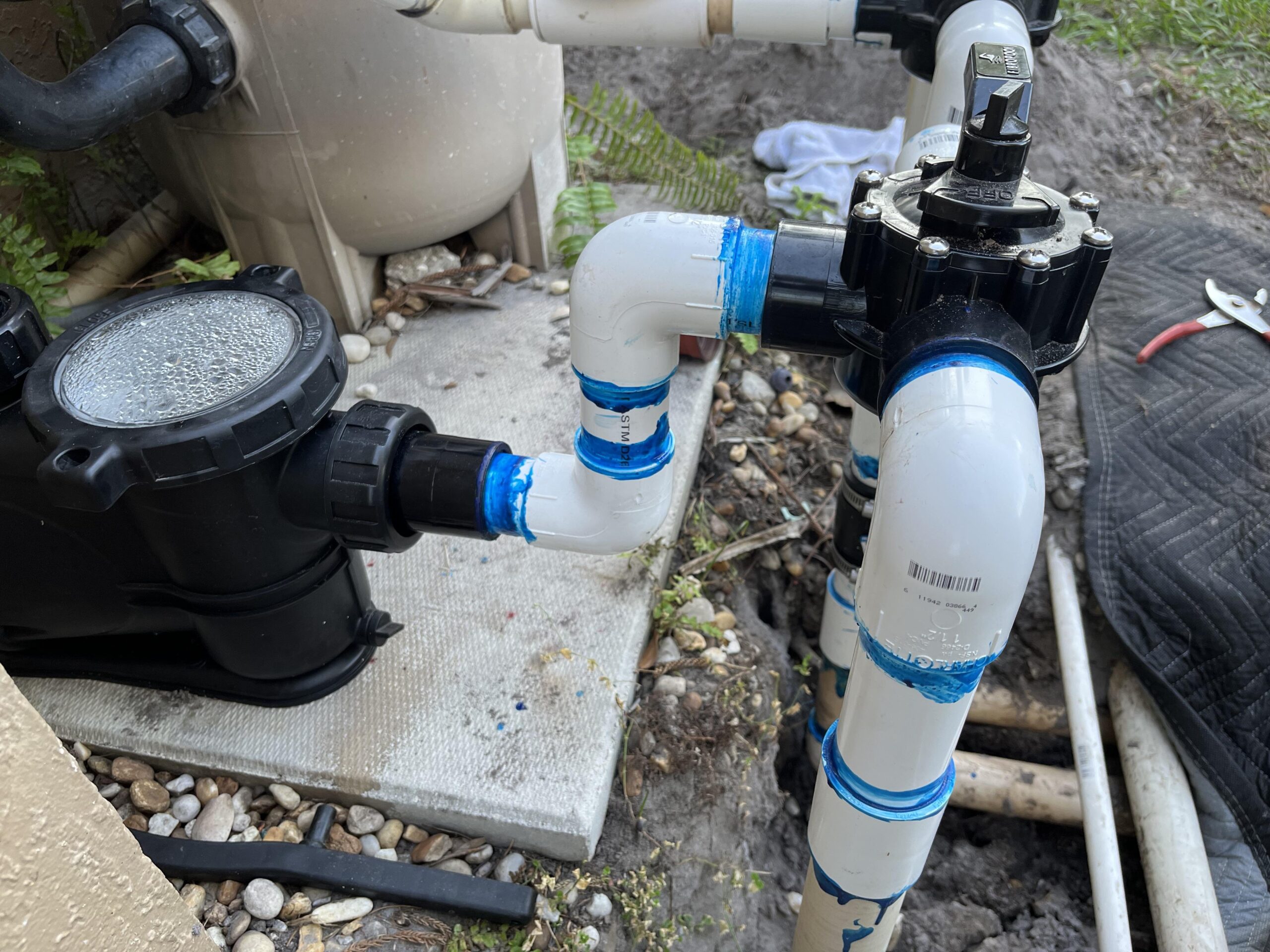
Water flow matters just as much. A dirty filter, clogged basket, weak pump flow, wrong bypass position, or valve issue can make a pool heat pump not heating water problem look like a heater failure. AquaComfort’s heat pump manual lists little or no water flow causes such as a dirty filter, air leak, incorrect valve position, undersized pump, or pump not running.
What To Check Before Booking Repair
Start simple. Confirm the set temperature is higher than the current pool temperature. Hayward’s heater troubleshooting guide recommends checking that the filter pump is on, the heater is enabled, and the set point is above the current water temperature.
Then check runtime, filter pressure, pump basket, skimmer basket, return flow, and whether the pool is actually gaining temperature over several hours. A one-degree rise can feel invisible when you are waiting next to the pool with a towel, but it may still mean the system is working.
When It Is A Repair Issue Rather Than A Sizing Issue
Pool heat pump troubleshooting gets more serious when you see error codes, icing, pool heater short cycling, strange compressor noises, repeated shutdowns, or the unit running with almost no temperature rise. Short cycling can point to flow problems, sensor issues, pressure switch problems, or control faults.
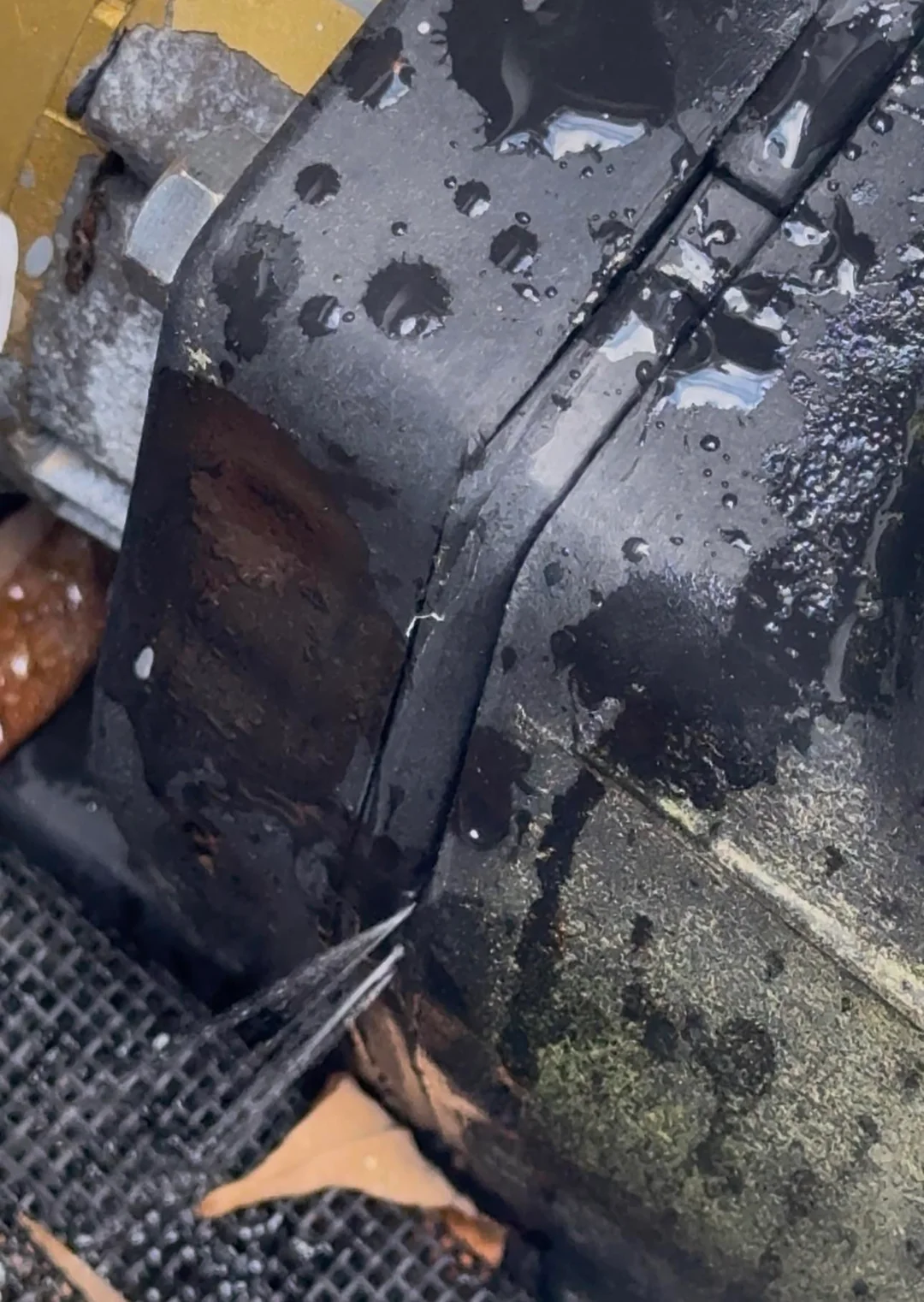
Refrigerant and compressor concerns are not DIY territory. If the unit has low-pressure or high-pressure faults, ice on the coil in conditions where it should not be icing, or repeated lockouts after flow has been verified, it is time for a professional diagnosis.
How Long Heating Should Realistically Take
A pool heat pump not reaching set temperature may not always be broken. Pool volume, starting water temperature, wind exposure, shade, nighttime air temperature, and cover use all matter. The U.S. Department of Energy explains that heat pump pool heater sizing uses factors like pool surface area, desired temperature rise, and average wind speed at the pool surface.
That is why a large backyard pool in Frisco, Plano, McKinney, Allen, Lewisville, Southlake, Grapevine, Carrollton, Keller, Garland, Wylie, or Prosper can struggle during windy spring weather or cool North Texas nights. A pool cover can reduce heat loss, especially overnight, which is why PoolBurg’s pool cover maintenance guide pairs naturally with heater performance conversations.
People Also Ask
Why is my pool heat pump not heating enough?
The most common causes are low airflow, dirty coils, low water flow, dirty filters, bypass issues, undersizing, short runtime, cold weather, or a repair issue like sensors, refrigerant, or compressor trouble.
Why is my pool heater not reaching set temperature?
It may not be running long enough, the pool may be losing heat overnight, the unit may be undersized, or there may be flow, airflow, sensor, or control problems.
Can cold weather stop a pool heat pump?
Yes. Heat pumps depend on air temperature. Cool nights and wind can slow heat recovery, especially on large uncovered pools.
How long should a pool heat pump take to heat?
It depends on pool size, desired temperature rise, air temperature, wind, cover use, and heat pump capacity. Large jumps can take many hours or even days.
Can a dirty filter make a heat pump underperform?
Yes. A dirty filter can reduce water flow through the heater, causing weak heating, error codes, or short cycling.
PoolBurg’s Heat Pump Performance Check
PoolBurg does not jump straight to replacement. We check airflow, coil condition, water flow, filter pressure, pump basket, runtime, control settings, error codes, bypass position, pool size, cover use, and realistic temperature expectations. If it is a dirty filter or bypass problem, we say so. If it is a repair issue, we explain the next step. If the system is undersized for the pool, we help you understand the math before spending money.
If your pool heat pump not heating enough problem keeps coming back, contact PoolBurg for a heat-pump performance check across Frisco, Plano, McKinney, Allen, Lewisville, Southlake, Grapevine, Carrollton, Keller, Garland, Wylie, Prosper, and nearby DFW cities.