Deciding between chlorine vs bromine often seems straightforward until you are the one balancing the water chemistry. While both act as effective sanitizers for your pool or spa when managed properly, they respond quite differently to the intense North Texas sun, steaming spa temperatures, high bather loads, or a backyard pool left open to the elements all week.
For most PoolBurg customers in Frisco, Plano, Allen, McKinney, Carrollton, Grapevine and the rest of North Texas, pool chlorine is still the practical default for outdoor pools. Pool bromine has its place, especially in hot tubs and covered spas, but it is not automatically “better” just because it feels softer or smells different.
How Chlorine Works in Pool Water
Chlorine is an oxidizing sanitizer. In plain English, that means it kills germs and also helps break down sweat, body oils, sunscreen residue, urine, and other swimmer waste. When pool chlorine is doing its job well, the water smells fairly neutral. That harsh “chlorine smell” people complain about is often a sign of chloramines and poor oxidation, not too much clean chlorine.
For outdoor pools, chlorine has one big advantage: it can be protected with cyanuric acid, also called stabilizer. That matters in DFW because strong sunlight burns through unstabilized sanitizer fast. PoolBurg also sees chlorine fit well with salt systems, because a saltwater pool is still a chlorine pool – the generator simply produces chlorine from salt instead of you adding tablets or liquid every week. If you are comparing sanitizer options with salt in mind, see PoolBurg’s chlorine to salt conversion guide.
How Bromine Works Differently
Bromine is also a sanitizer, but it behaves differently after it reacts with contaminants. Bromamines can still remain active as sanitizers, which is one reason bromine often feels more forgiving in hot tubs and covered spas. Many homeowners also describe bromine water as having a softer feel and less sharp odor when the chemistry is managed well.
The tradeoff is sunlight. Bromine does not get the same practical UV protection from cyanuric acid that chlorine does, so pool bromine can be expensive and frustrating in a bright, uncovered outdoor pool. That is why the bromine vs chlorine answer changes depending on whether we are talking about a shaded spa, an indoor swim spa, or a full-size outdoor pool in July.
Chlorine Bromine Pros Cons for Real Homeowners
- Chlorine pros: usually cheaper, fast-acting, widely available, easy to test, and the best fit for most outdoor pools with stabilizer.
- Chlorine cons: can create stronger odors and irritation when combined chlorine builds up or when pH is out of range.
- Bromine pros: performs well in warm water, can feel gentler in spas, and bromamines can keep sanitizing after they form.
- Bromine cons: usually costs more, dissolves more slowly, is harder to protect from sunlight, and is less common for large outdoor pools.
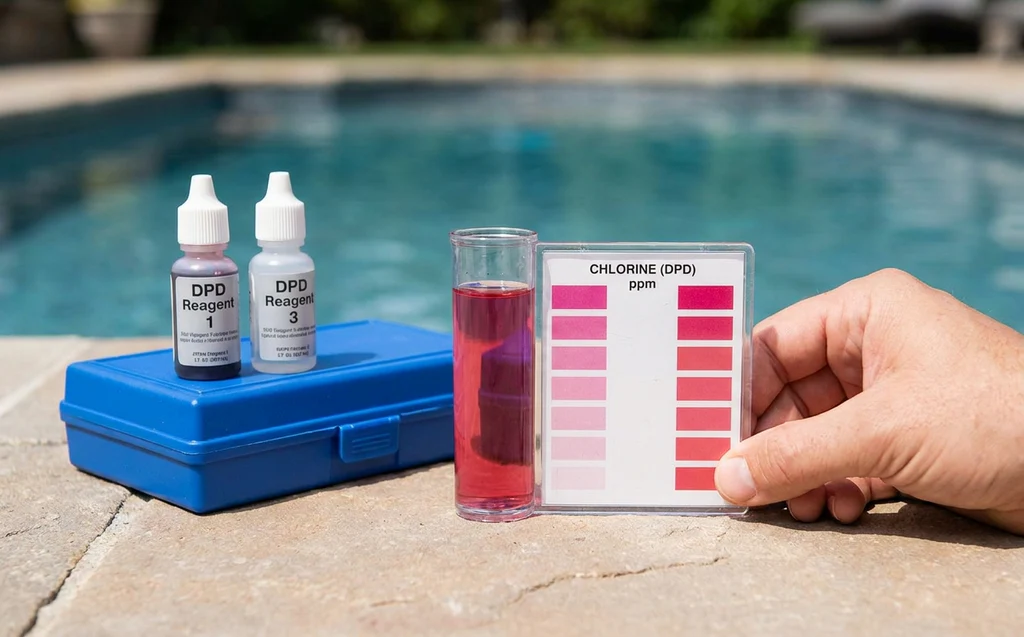
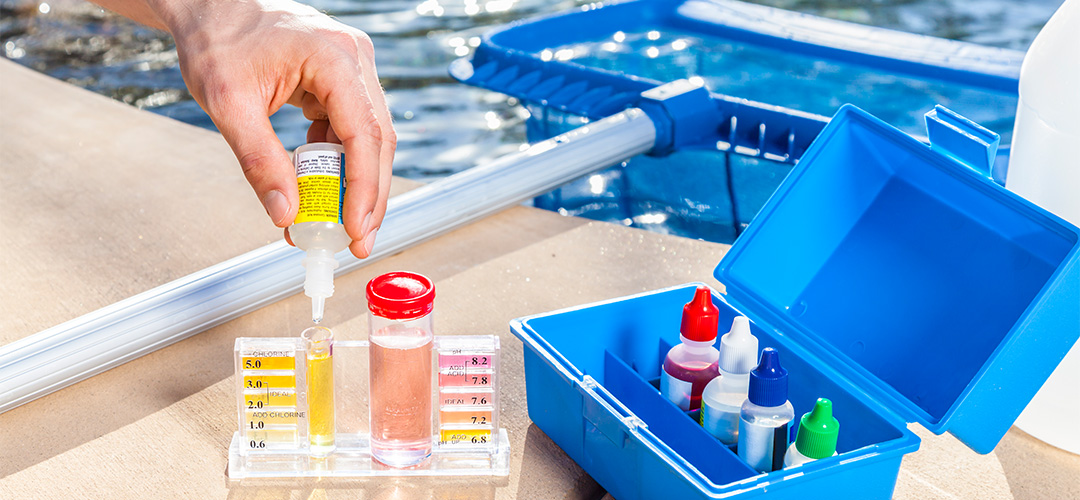
The important thing is not to treat either sanitizer as magic. A pool can look clear and still be under-sanitized. A spa can smell fine and still need testing. The CDC recommends checking sanitizer and pH because both chlorine and bromine depend on the water being balanced to work properly.
Where Each Sanitizer Makes the Most Sense
Outdoor pools: choose chlorine most of the time. For a normal North Texas backyard pool, chlorine is usually the smarter choice. It is cheaper, easier to adjust after storms and parties, and works better in sunlight when stabilizer is managed correctly. This is also the better fit for saltwater pools because salt systems generate chlorine, not bromine.
Hot tubs and covered spas: bromine may be worth considering. Bromine handles warm water nicely, which is why many spa owners like it. But if your pool and attached spa share the same water, do not casually add bromine to one side without a plan. Shared plumbing means the chemistry mixes. This is where a professional water test is worth it.
Indoor or covered water: either can work, but testing wins. Bromine can be appealing where sunlight is limited, but chlorine is still common and reliable. The right answer depends on the equipment, ventilation, swimmer load, surface type, and how often the water is tested.
Can You Switch From Chlorine to Bromine?
Yes, but do not treat switching like swapping soap brands. Once a bromide bank is established, adding an oxidizer can keep reactivating bromine. That can be useful in a spa, but confusing if you wanted to return to a straight chlorine routine. In many cases, switching systems means draining or partially draining, cleaning, refilling, and starting the new chemistry correctly. For small hot tubs, that may be simple. For a full pool, it deserves a conversation before you spend money.
Also be careful with specialty systems. Health Canada warns against using sodium bromide or bromine products with ionizers, ozone-generating devices, UV devices, or electrolysis systems. Even if you are not in Canada, that warning is useful because it reminds homeowners not to mix sanitizer systems casually.
PoolBurg’s Honest Take for DFW Pools
For outdoor DFW pools, chlorine vs bromine usually lands on chlorine. It handles sun better, costs less, works with stabilizer, and is easier for weekly service teams to manage consistently. For spas, swim spas, and covered hot-water setups, bromine deserves a real look, especially if odor and hot-water stability are the main concerns.
Still, the best sanitizer is the one you can keep in range. If your pool constantly smells harsh, burns eyes, grows algae, or eats sanitizer after every weekend, the problem may not be the sanitizer choice. It may be pH, combined chlorine, stabilizer, bather load, filter performance, or a routine that is not keeping up. PoolBurg’s pool service checklist, how often to shock a pool, and pool chlorine rash guides are helpful next reads if your water is technically sanitized but still uncomfortable.

People Also Ask
Is bromine better than chlorine for pools?
Bromine can be better for hot tubs, covered spas and warm water, but chlorine is usually better for outdoor pools because it is cheaper, easier to stabilize against sunlight, and easier to manage after heavy use.
Why use bromine instead of chlorine?
Homeowners often use bromine for hot tubs because it performs well in warm water and can have a less sharp smell. It is not usually the first choice for a large sunny outdoor pool.
Is pool chlorine safe?
Yes, pool chlorine is safe when maintained in the proper range with balanced pH. Problems usually happen when chlorine is too low, too high, or combined chlorine builds up from poor oxidation.
Can I use bromine in an outdoor pool?
You can, but it is usually not the most cost-effective choice in sunny outdoor water because bromine is not protected from UV the same way chlorine can be protected with stabilizer.
Can I switch from chlorine to bromine?
Yes, but it is best to plan the switch carefully. For a spa, that may mean draining, cleaning and restarting. For a pool, talk with a professional before creating a bromide bank you did not intend.
What is the main chlorine bromine pros cons takeaway?
Chlorine wins for most outdoor pools because of cost and sunlight performance. Bromine wins more often in hot, covered spa water where comfort and heat stability matter most.
Conclusion
Not sure whether chlorine or bromine makes more sense for your pool, spa or salt system? PoolBurg can test your water, check your sanitizer demand, review your equipment, and recommend a chemistry routine that fits North Texas heat instead of guessing from a bottle label. Whether you stay with pool chlorine, consider pool bromine for a spa, or want help with saltwater care, we can help keep the water clear, comfortable and properly balanced.