How often to shock a pool is not a one-size-fits-all answer, especially in North Texas. Some weeks your pool may need a chemical boost after storms, heavy swimming, pollen, dust, or dull water. Other weeks, if chlorine, pH, circulation, and filtration are all in good shape, shocking just because the calendar says so can be unnecessary. The smarter answer is this: shock the pool when the water conditions call for it, not because someone on the internet said every Saturday night is sacred shock night.
What Shock Actually Does
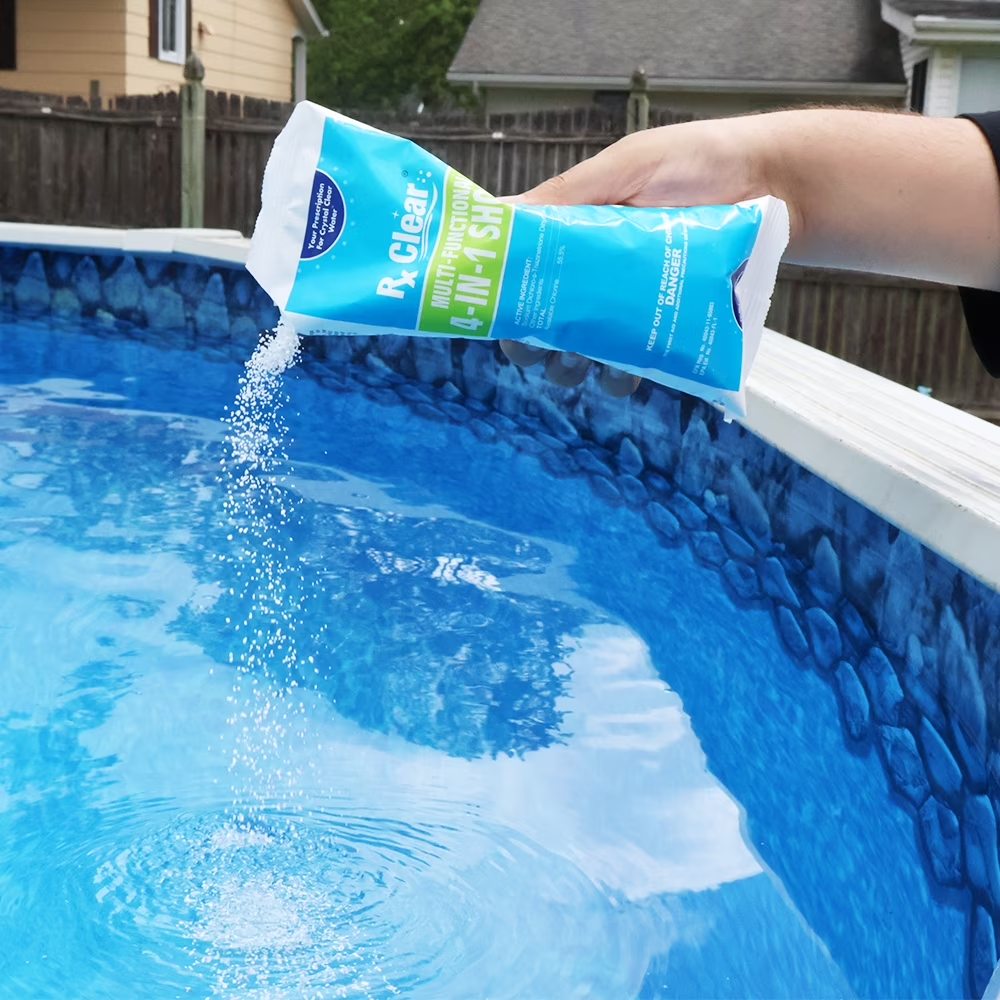
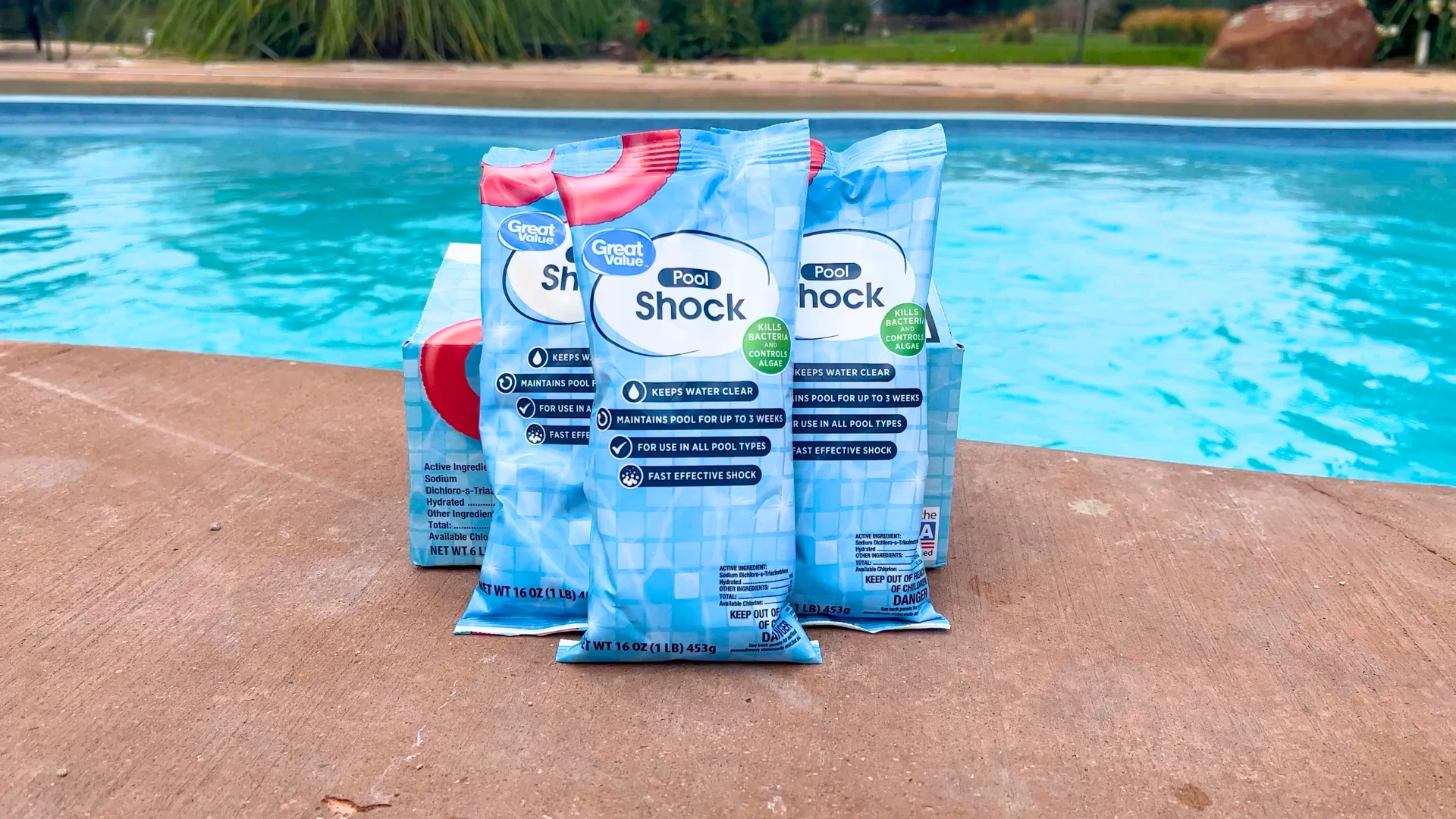
Pool shock is a strong oxidizing treatment that raises the water’s ability to break down contaminants, organics, and chloramines. Routine chlorination keeps sanitizer available day to day. Shock is the heavier reset button when the water is carrying more demand than normal.
That does not mean shock fixes every water problem. If pH is off, the filter is dirty, the pump run time is too short, or the pool has poor circulation, shock may help for a moment and then the same problem comes right back. The CDC says chlorine and pH are the first defense against germs and recommends routinely checking both in home pools.
When Routine Shocking Makes Sense
A realistic pool shock schedule depends on pool use. During mild weather with light swimming and steady chemistry, some pools may not need weekly shock. During Texas summer, when the pool is warm, busy, and constantly collecting sunscreen, sweat, grass clippings, and dust, many DIY-maintained pools need shock more often.
The best routine is to test first. If free chlorine is low, combined chlorine is high, water looks flat, or there is a strong chemical smell, shock may make sense. If everything tests clean, the pool is clear, and the filter is working well, the better move may be simple maintenance instead of extra product.
Situations That May Call For Extra Shock
The most common answer to when to shock a pool is after something unusual happens. Heavy rain can dilute chlorine, push debris into the water, and change the chemistry. A big pool party adds sunscreen, body oils, sweat, and organic load. Algae start-up, dull water, or a strong odor can also point to higher chlorine demand.
Texas pools in Frisco, Plano, McKinney, Allen, The Colony, Lewisville, Southlake, Grapevine, Las Colinas, Farmers Branch, Carrollton, Addison, Keller, Garland, Mesquite, Wylie, and Prosper see plenty of those triggers. PoolBurg’s pool maintenance after rain guide and weekly pool maintenance routine article both explain why storms and inconsistent care can knock a pool out of rhythm fast.
When Not To Shock Blindly
Do not shock blindly when pH has not been tested, the filter is dirty, the pump is not circulating well, or the pool is already cloudy from a mechanical issue. Throwing shock into bad circulation is like washing only one corner of the floor and calling the whole house clean.
Saltwater pools need the same caution. A salt pool can be shocked, but if the real issue is low salt, a dirty salt cell, high stabilizer, high pH, or poor output settings, shock may only hide the problem for a day or two. PoolBurg’s swimming pool pH levels guide and common pool maintenance problems article are good supporting reads before guessing with chemicals.
How To Know When The Pool Is Ready Again
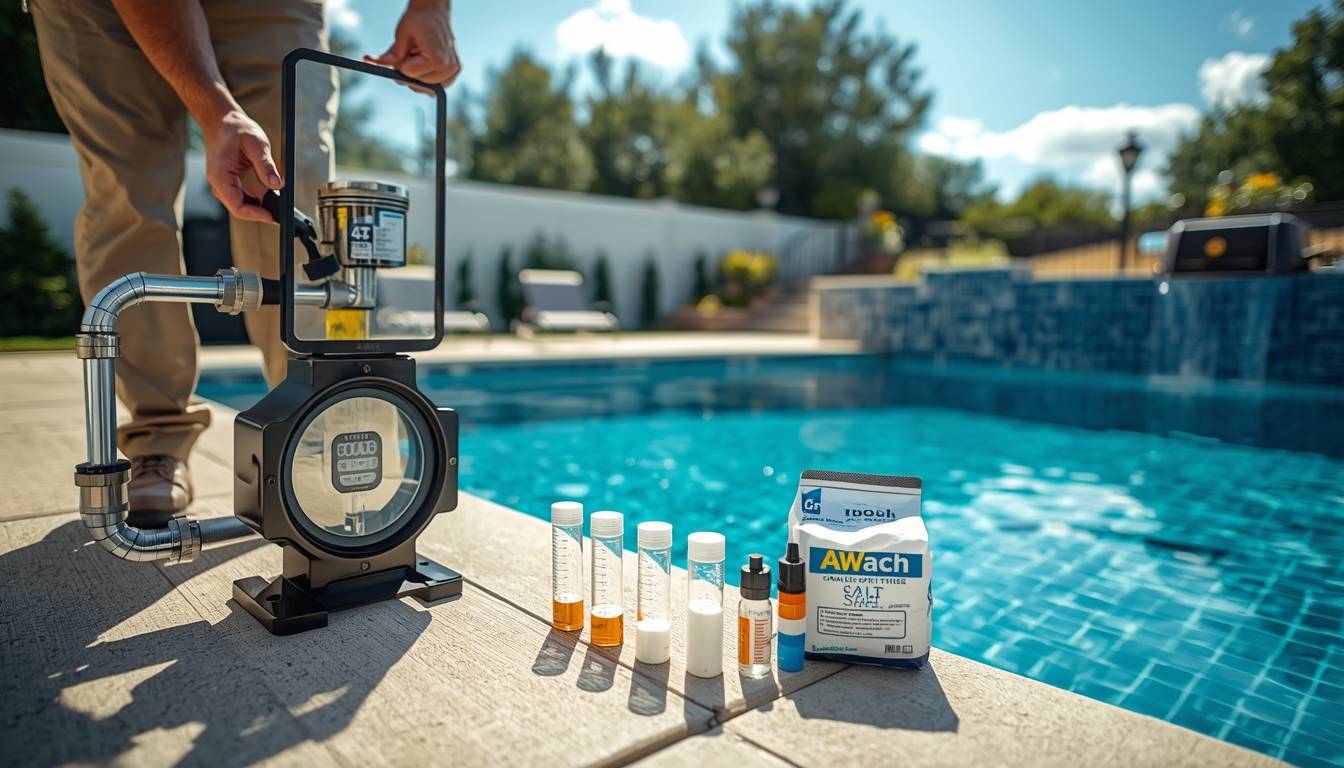
After shock, do not swim just because the water looks clear. Test first. CDC guidance lists typical pool chlorine and pH ranges and notes that pH affects how well chlorine works. The CDC also warns that pool chemicals can cause injury if handled incorrectly, so label directions, storage rules, and safe mixing habits matter.
Some organisms are tougher than homeowners expect. CDC notes that Cryptosporidium is very tolerant to chlorine and can live for more than seven days, which is a good reminder that shock is not a magic shield against every risk.
A Realistic PoolBurg Approach
PoolBurg does not treat shock like superstition. We look at the water condition, free chlorine, pH, alkalinity, stabilizer, calcium hardness, filter pressure, circulation, recent weather, and pool use. Then we decide whether shock is actually needed or whether the pool needs brushing, filtration, balancing, or equipment correction first.
If you keep asking, how often should I shock my pool, because the water keeps turning cloudy anyway, that is usually a sign the real problem has not been found yet. It may be low run time, high pH, poor filtration, algae hiding in corners, or a sanitizer demand issue after storms and summer use.
People Also Ask
How often should you shock a pool?
Some pools need shock weekly during hot, busy periods. Others only need it after storms, parties, algae, or low chlorine readings. Testing should lead the decision.
Should I shock my pool after rain?
After heavy rain, yes, it may be needed if chlorine is low, debris is high, or the water looks dull. Test pH and chlorine first instead of guessing.
Should I shock my pool after a party?
Often, yes. Heavy swimmer load adds sweat, sunscreen, body oils, and organics that can use up chlorine faster.
Why does my pool smell like chlorine?
A strong smell often points to chloramines or poor water balance, not too much clean chlorine. Testing is the only way to know what is actually happening.
Can you shock a saltwater pool?
Yes, but do not use shock as a shortcut for poor salt-cell output, dirty cells, high pH, or unbalanced water. Find the cause first.
PoolBurg Can Help You Stop Guessing With Shock
Knowing how often to shock a pool is less about memorizing a calendar and more about understanding the water. If your pool keeps looking cloudy, smelling strong, or turning green after storms, PoolBurg can inspect the chemistry, circulation, filtration, and equipment before you dump in another bag of shock. Contact PoolBurg for a chemical reset and pool inspection that solves the real problem.