Pool test strips vs liquid test kit accuracy is one of those backyard debates that sounds small until your pool turns cloudy, your eyes start burning, or you accidentally dump in chemicals you did not need. For a quick weekly check, pool water test strips can be handy. For troubleshooting, a liquid pool test kit, especially a good DPD pool test kit, gives you a better look at what is actually happening in the water. In North Texas, where heat, storms, pollen, and heavy swim weekends can change chemistry quickly, the right testing method can save a lot of guessing.
What Each Test Method Is Actually Measuring
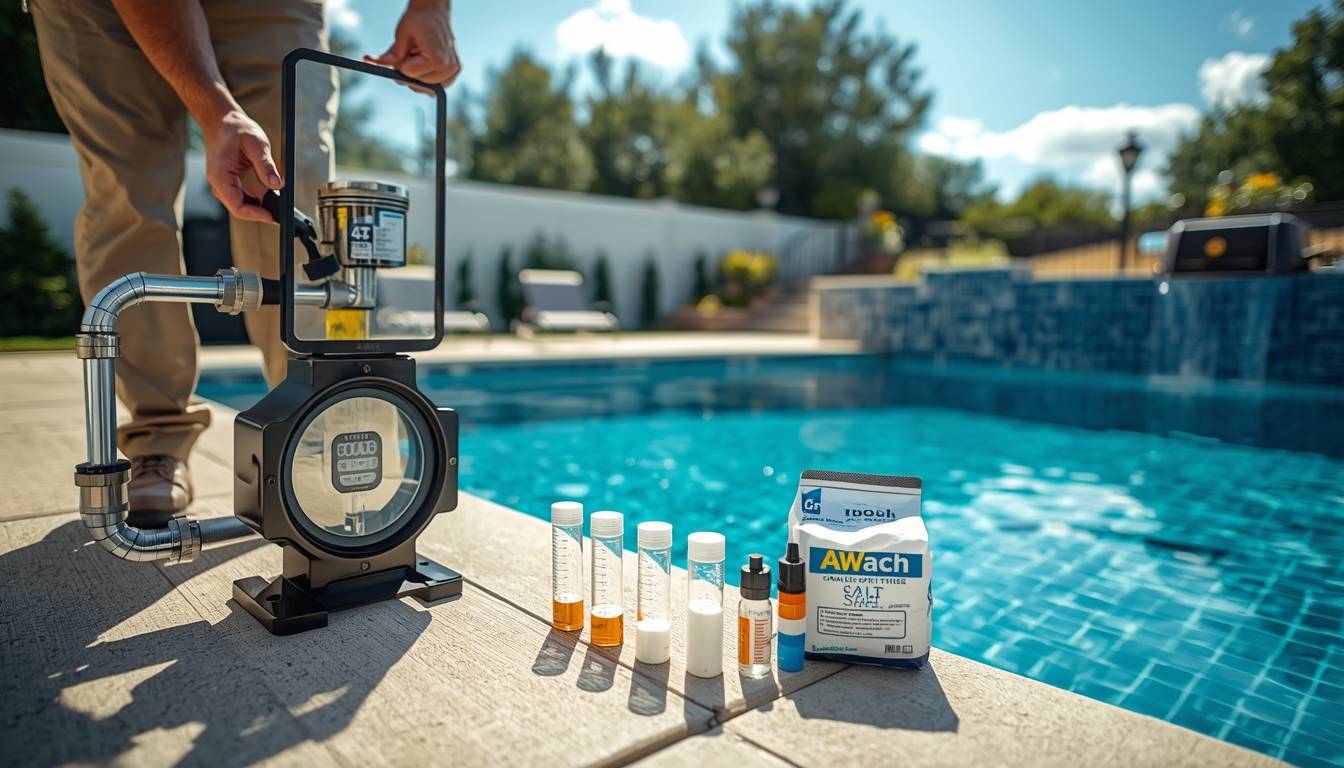
Pool water test strips use small chemical pads that react when dipped in water. You wait a few seconds, compare the colors to the bottle, and get an estimate for chlorine, pH, alkalinity, stabilizer, hardness, or salt depending on the strip. They are fast, simple, and good for spotting obvious changes.
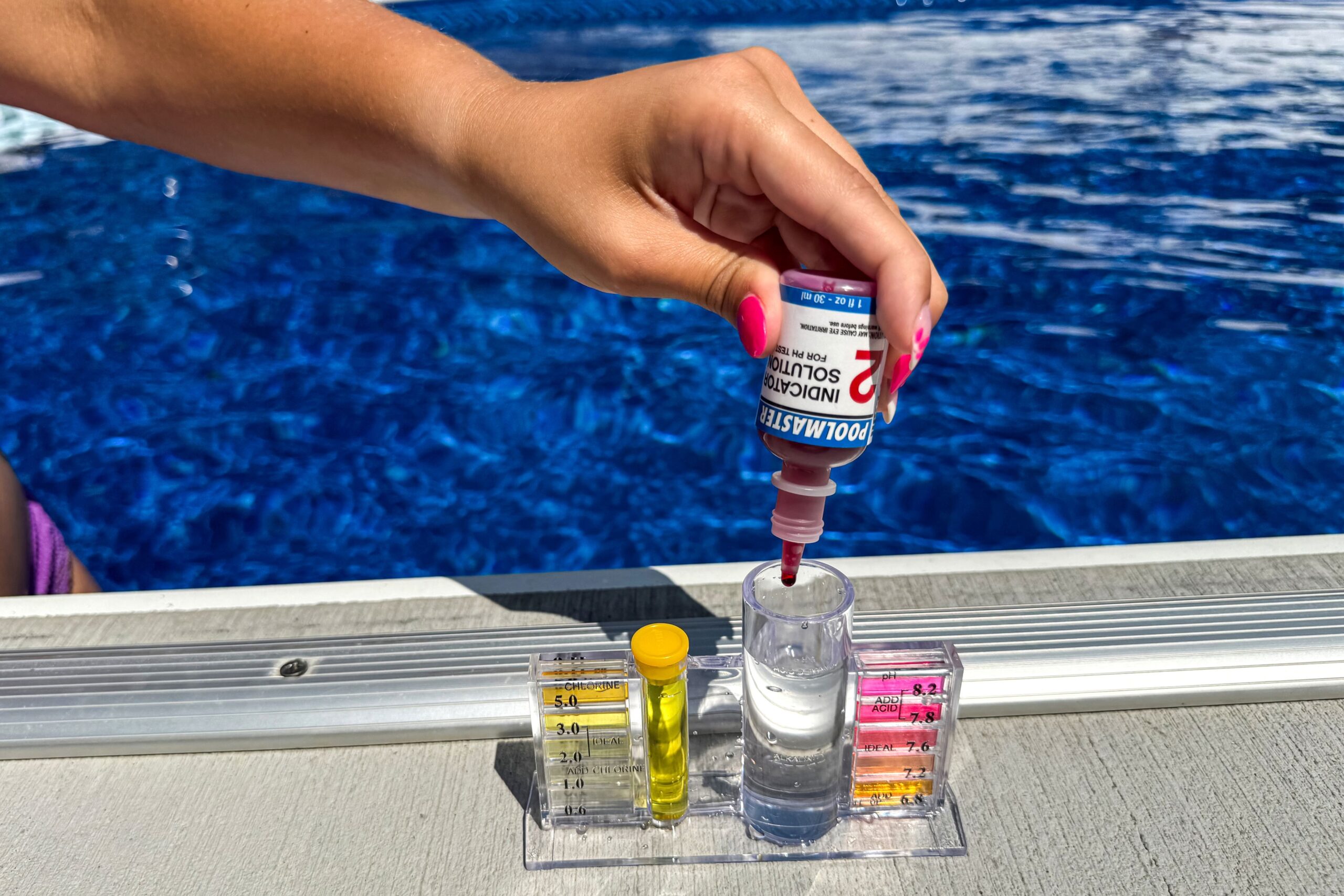
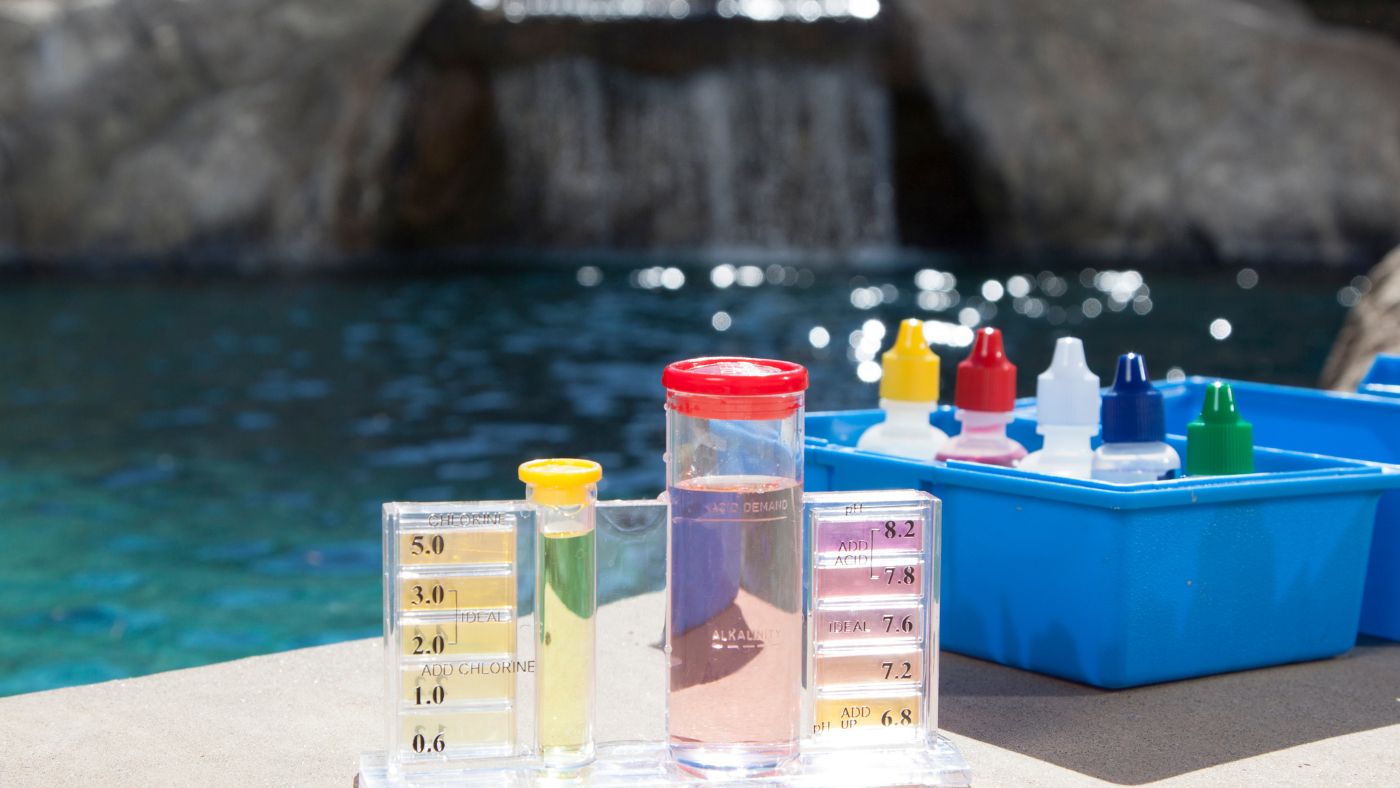
A liquid pool test kit uses drops, tablets, or titration steps. A DPD pool test kit is commonly used to measure chlorine and pH. The CDC explains that DPD stands for N,N Diethyl-1,4 Phenylenediamine Sulfate and says DPD kits are the most accurate option for measuring chlorine and pH in home pools and hot tubs.
Accuracy, Speed, and Convenience
So, are pool test strips accurate? They can be accurate enough for quick screening if they are fresh, stored correctly, used correctly, and read in good light. Their big win is convenience. Dip, wait, compare, done. For a busy homeowner in Frisco, Plano, Allen, McKinney, The Colony, or Prosper, that is better than not testing at all.
Where liquid kits win is detail. A liquid pool test kit usually gives more dependable readings when you are fighting algae, cloudy water, irritation complaints, salt-system problems, or repeated chemical swings. The Home Depot pool water testing guide also notes that test kits take more time than strips but are typically more accurate.
The Mistakes That Make Results Unreliable
Bad testing habits can ruin both methods. Strips can be thrown off by wet fingers in the bottle, old strips, sunlight, humidity, expired pads, dipping too long, waiting too long to read the color, or trying to judge pale pink in bad lighting. Liquid kits can also fail if reagents are old, bottles are contaminated, drops are the wrong size, or instructions are rushed.
Taylor Technologies says test reagents are essential to accurate water testing and recommends replacing reagents at the beginning of each pool season. One bad reading can lead to chemical overcorrection, and that is where pool care gets expensive fast.
When Strips Are Fine and When They Are Not Enough
Strips are fine for quick checks between service visits, after a small swim day, or when you simply want to know whether chlorine and pH are in the ballpark. They are also useful for homeowners who would otherwise avoid testing because liquid kits feel too fussy.
But strips are not enough when the pool has algae, cloudy water, a strong chlorine smell, scaling, swimmer irritation, or salt cell trouble. At that point, you need better numbers. PoolBurg’s pool water testing kits article and swimming pool pH levels guide can help homeowners understand why one number never tells the whole story.
When PoolBurg’s Professional Testing Adds Value
The real skill is not just testing. It is interpreting chlorine, pH, alkalinity, stabilizer, calcium hardness, water temperature, pool use, filter condition, and circulation together. The CDC says chlorine and pH are the first defense against germs in pools and recommends routine testing, which is exactly why guessing is a weak plan.
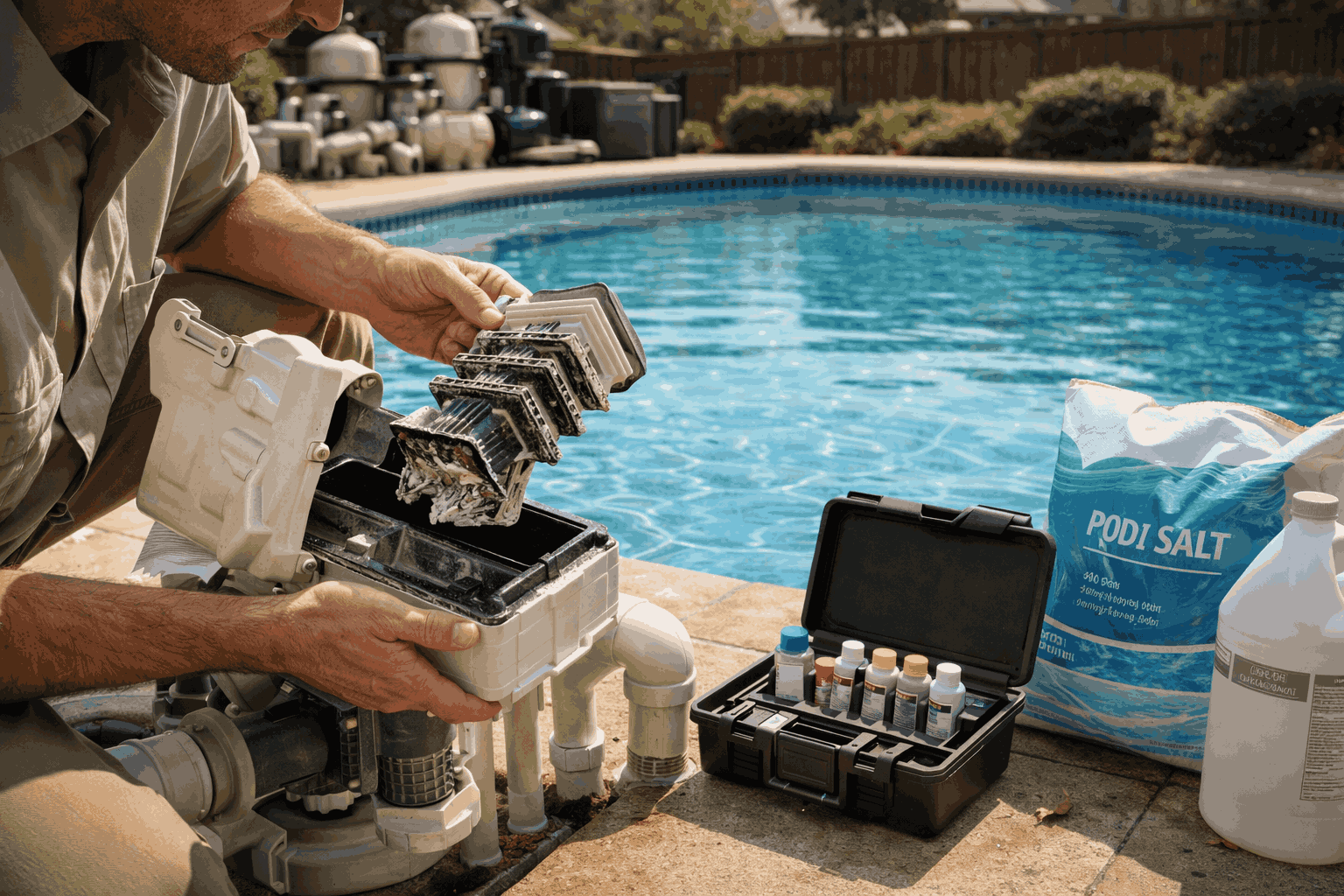
After storms, parties, heat waves, or heavy pollen, PoolBurg can test the water, correct the chemistry, and check whether the real problem is chemistry, filtration, or circulation. That matters in Lewisville, Southlake, Grapevine, Las Colinas, Farmers Branch, Carrollton, Addison, Keller, Garland, Mesquite, and Wylie just as much as it does in Frisco.
How To Choose a Home Testing Setup
A casual pool owner can keep strips on hand for quick checks and call for help when the pool starts drifting. A saltwater owner should use strips or digital checks for salt, but still track pH, chlorine, alkalinity, stabilizer, and calcium. A troubleshooting owner should keep a liquid pool test kit or DPD pool test kit nearby, because better readings make better decisions.
For families, safety matters too. PoolBurg’s family safe pool chemicals guide, common pool maintenance problems guide, and weekly pool maintenance routine article all point back to the same truth: consistent testing beats chemical guesswork.
People Also Ask
Are pool test strips accurate?
They can be accurate enough for quick routine checks, but they are less precise than a good liquid or DPD test kit, especially when water problems are already happening.
Is a liquid pool test kit more accurate than strips?
Usually, yes. Liquid kits take more time, but they often give better detail for chlorine, pH, alkalinity, calcium, and stabilizer decisions.
What is a DPD pool test kit?
A DPD pool test kit uses a reagent that reacts with chlorine so you can measure sanitizer levels more accurately than with a simple color strip.
Why do my strip results not match pool-store results?
The strip may be old, damp, misread, exposed to heat, or read too late. Pool-store testing may also use different equipment or sampling methods.
How often should I test my pool water?
Most homeowners should check chlorine and pH at least weekly, and more often during Texas heat, after storms, after parties, or when water looks off.
PoolBurg Can Help You Stop Chasing Mixed Results
If pool test strips vs liquid test kit results keep confusing you, PoolBurg can help. We test the water, read the whole chemistry picture, and correct the cause instead of chasing one random color square at a time. If your DFW pool keeps drifting, contact PoolBurg and let us help you get clear, comfortable water back without the chemistry headache.