When pool alkalinity too high becomes a pattern, maintaining a standard pool can feel like an uphill battle. You might struggle with pH levels that refuse to stay down or water that remains hazy even after a filter cleaning. It often feels like your acid adjustments simply vanish into thin air. For those in Frisco, McKinney, Allen, Prosper, Southlake, Keller, and Las Colinas, the North Texas sun and mineral-heavy fill water only add to the frustration by constantly disrupting your water chemistry.
The short answer: high pool alkalinity usually means the water has too much buffering power. That sounds helpful at first, but when pool alkalinity too high becomes the weekly pattern, pH becomes harder to adjust, cloudy pool water becomes more likely, and scale can start showing up on tile, spillways, heaters, and pool surfaces.
What High Pool Alkalinity Means
Total alkalinity is basically your pool water’s resistance to pH change. Think of it like the pool’s shock absorber. A healthy amount helps stop pH from bouncing all over the place. But pool alkalinity too high gives the water so much cushion that pH adjustments do not seem to stick.
That is why alkalinity and pH are tied together, but they are not the same thing. Orenda explains alkalinity as a buffer against pH reduction, which is exactly why a pool with high pool alkalinity may fight you every time you try to bring pH down.
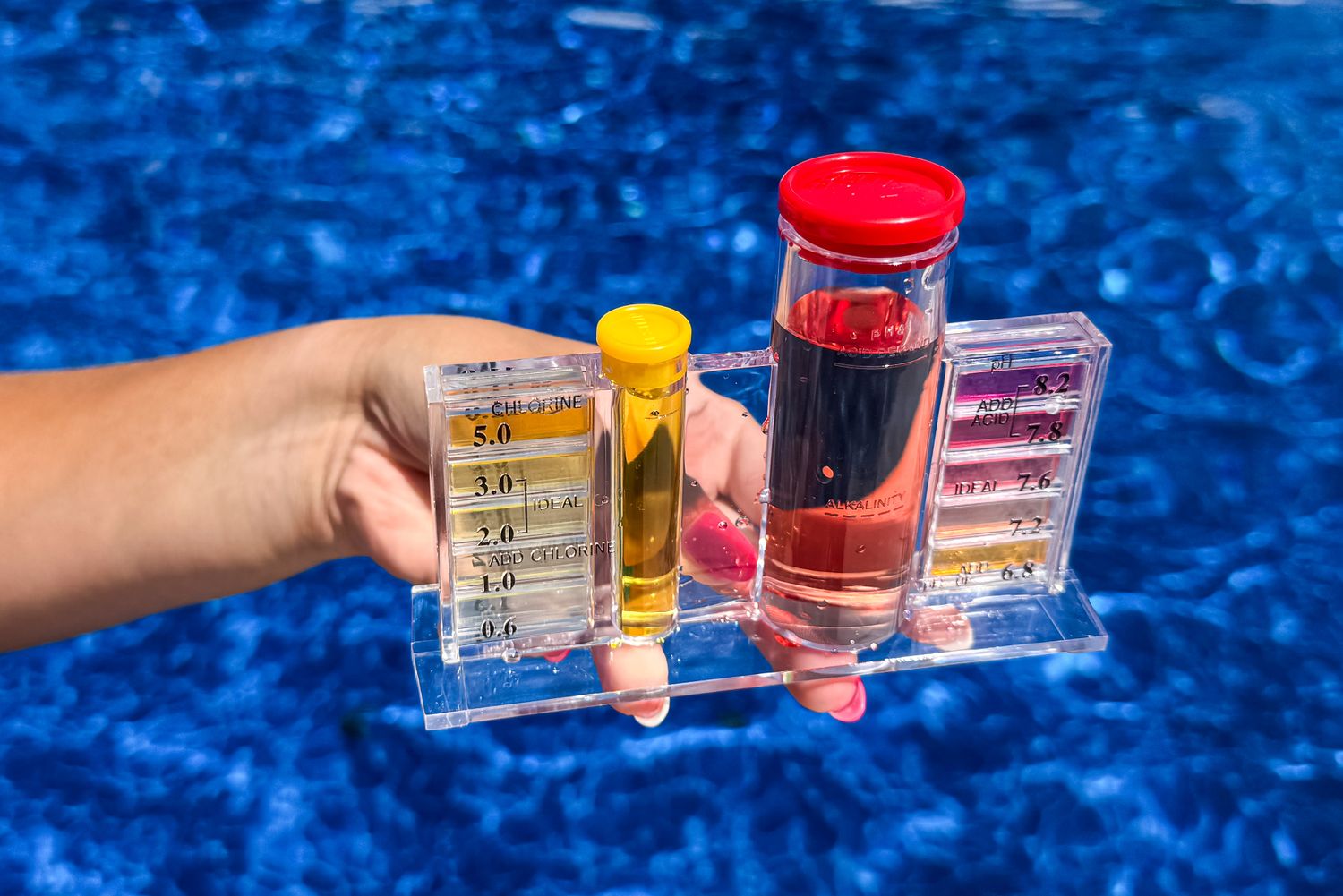
Signs Your Pool Alkalinity Is Too High
Pool alkalinity too high does not always scream for attention at first. Sometimes the water looks almost fine, but the test results and little annoyances keep telling on it. Common signs include:
- pH keeps rising even after you add acid
- cloudy pool water that does not clear as quickly as it should
- scale or crusty buildup along tile, waterlines, and spillways
- calcium buildup getting worse when calcium hardness is already high
- chlorine feeling less effective because high pH is riding along with the alkalinity
- acid adjustments that work for a day, then seem to vanish
If your biggest headache is pool pH problems, start by comparing pH and alkalinity together. PoolBurg’s guide to swimming pool pH levels is a helpful next read, especially if you feel like you are always chasing one number.
What Causes Pool Alkalinity to Rise?
Most homeowners do not wake up and randomly decide to over-alkalize a pool. It usually builds slowly. High-alkalinity fill water is one of the biggest culprits in North Texas. When hot weather pulls water out through evaporation, you refill the pool, and that new water can keep adding minerals and alkalinity back into the system.
Pool alkalinity too high can also come from adding too much alkalinity increaser, using baking soda without retesting carefully, or overcorrecting after a low reading. Salt pools can add another layer of confusion because pH may naturally drift upward over time. That is why some pool owners say, “My pH is fine, but my alkalinity is high. Should I touch it?” The honest answer is: maybe, but only after looking at the whole water picture.
How High Alkalinity Affects pH and Cloudy Water
When pool alkalinity too high keeps pH elevated, the pool can become more scale-forming. That can lead to a dull, cloudy look, especially when calcium hardness is also high. It may also leave rough white buildup around waterline tile and raised spa edges. If that is already happening, our page on hard water and swimming pools connects the dots between hard water, scale, and frustrating pool maintenance.
Water clarity is also a safety and comfort issue, not just a “looks bad” issue. The CDC says pools with proper chlorine or bromine levels and pH are less likely to spread germs. And while alkalinity itself is not chlorine, it can push pH into a range where the water feels less comfortable and harder to manage. For a broader clarity checklist, see PoolBurg’s guide to pool water clarity.
How to Lower Pool Alkalinity Safely
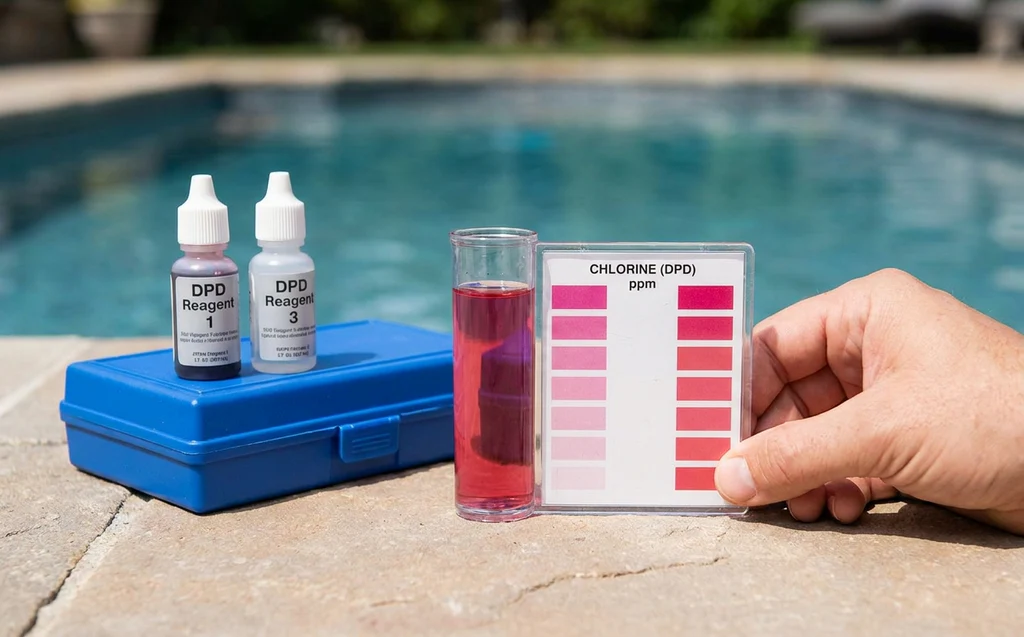
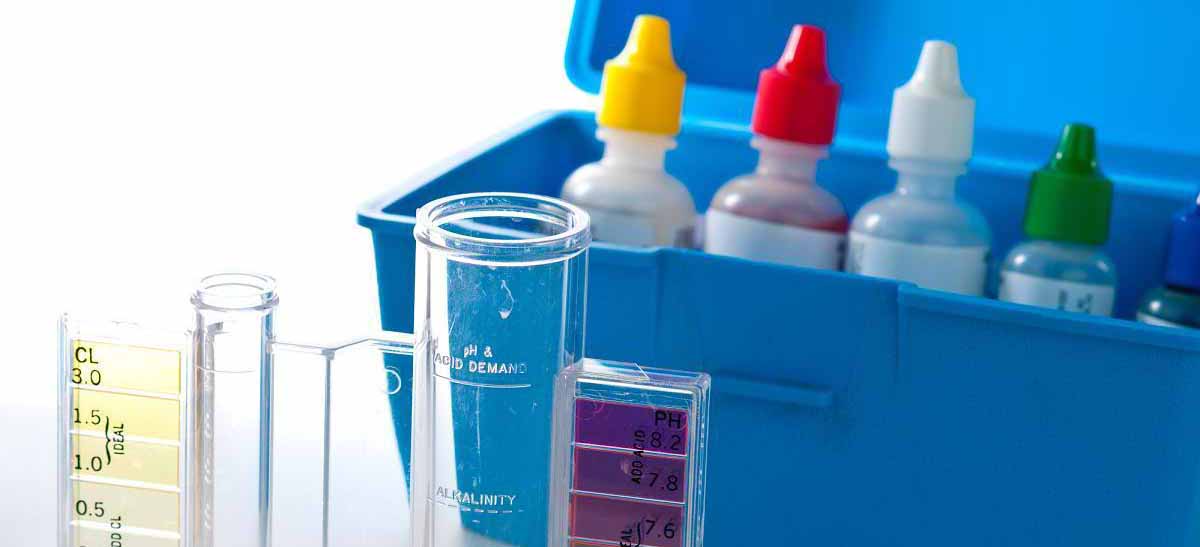
To lower pool alkalinity safely, slow down. That is not dramatic advice, but it is the advice that saves surfaces, heaters, liners, and plaster from chemical whiplash. First, test total alkalinity and pH with a reliable kit. Pool test strips can help with quick checks, but if your numbers keep changing, a better kit or professional test is worth it. PoolBurg also has a guide to pool water testing kits if you want to compare options.
In most residential pools, muriatic acid or dry acid is used to lower pool alkalinity and pH. Follow the product label, run the pump, add small amounts, and retest before adding more. Orenda recommends lowering alkalinity gradually instead of trying to force a huge correction all at once.
Also, be careful with acid. The CDC healthy swimming guidance reminds swimmers and pool owners that recreational water can carry health and safety risks, and chemical handling is part of that bigger safety picture. A simple rule: never mix pool chemicals, never add acid and chlorine together, and avoid breathing fumes. For homeowner-level acid handling basics, this muriatic acid guide for pools explains why protective gear and careful dosing matter.
After acid lowers alkalinity and pH, aeration can help raise pH again without raising alkalinity much. That may mean running spa jets, bubblers, spillways, or aiming return jets toward the surface. It is a patient process: acid lowers the alkalinity, aeration helps pH recover, then you retest.
When PoolBurg Should Take a Look
If pool alkalinity too high keeps coming back every week, the problem may not be one bad chemical dose. It may be fill water, calcium hardness, pH habits, poor testing, or equipment that is not circulating water well. PoolBurg can test alkalinity and pH together, check calcium hardness, look for scaling, and help you stop chasing the same number over and over.
If high pool alkalinity is creating cloudy pool water, scale, or constant pool pH problems, contact PoolBurg and let us help you balance the water the right way instead of guessing every weekend.
People Also Ask
What happens if pool alkalinity is too high?
Pool alkalinity too high can make pH hard to lower, increase the chance of cloudy pool water, and contribute to scale when calcium hardness is also high.
How do I lower pool alkalinity?
Test first, then use muriatic acid or dry acid carefully in small doses. Circulate, aerate when needed, and retest before adding more chemicals.
Can high alkalinity make a pool cloudy?
Yes. High pool alkalinity can support high pH and scaling conditions, which may make the water look dull, milky, or cloudy.
Does high alkalinity cause scaling?
It can. Scaling is usually tied to the full water balance, including pH, alkalinity, calcium hardness, temperature, and evaporation.
Should I adjust pH or alkalinity first?
Look at both together. If alkalinity is very high, lowering it with acid will usually lower pH too, so retesting between adjustments matters.
Can I swim with high alkalinity?
Mildly high alkalinity is not always an emergency, but if the water is cloudy, irritating, or the pH is out of range, wait until the pool is balanced and clear.