When damage remains isolated, targeted concrete pool repair can preserve an otherwise sound structure. An isolated chip, a localized plaster defect, or a minor crack doesn’t necessarily call for a complete interior resurfacing. However, expanding cracks, widespread delamination, and ongoing leaks require a broader approach. Serving pool owners throughout Frisco, Plano, McKinney, Allen, Southlake, Keller, Grapevine, Prosper, and the broader DFW region, PoolBurg helps identify the root cause of failures to determine the most effective repair solution.
What Counts as Concrete Pool Damage?
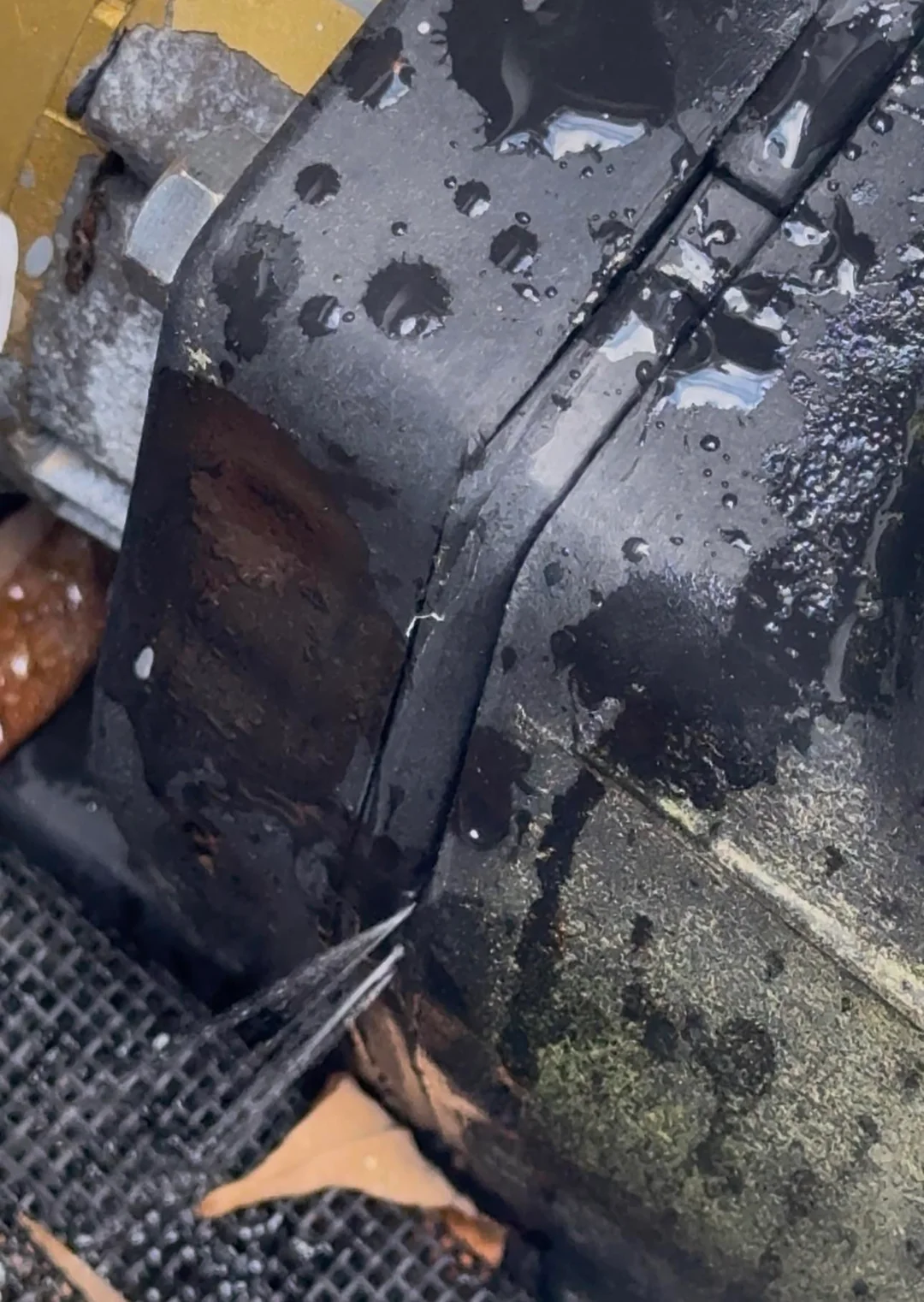
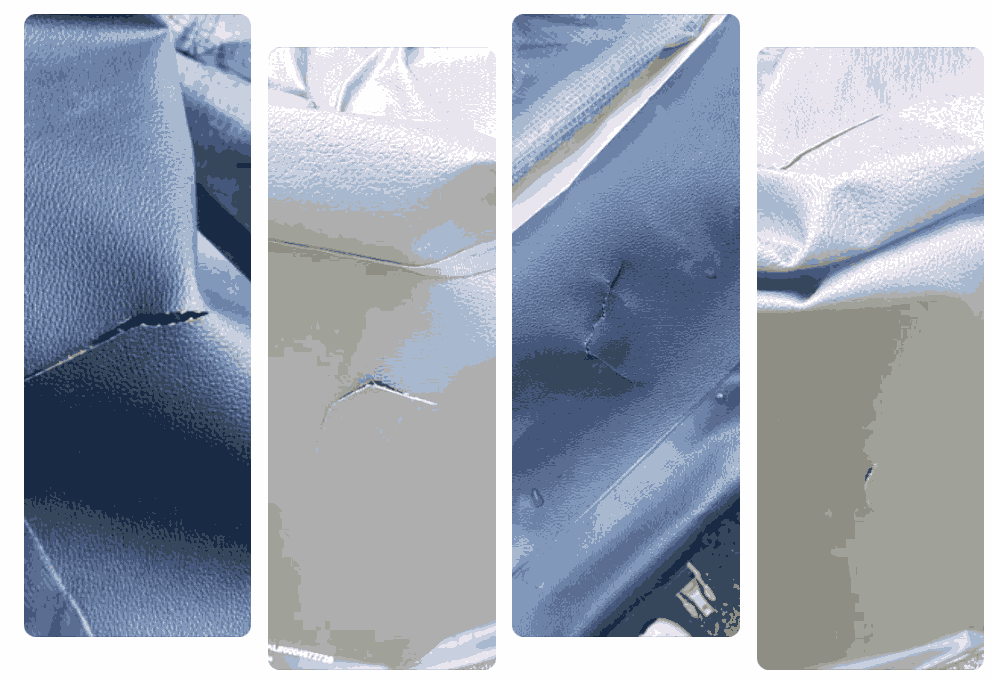
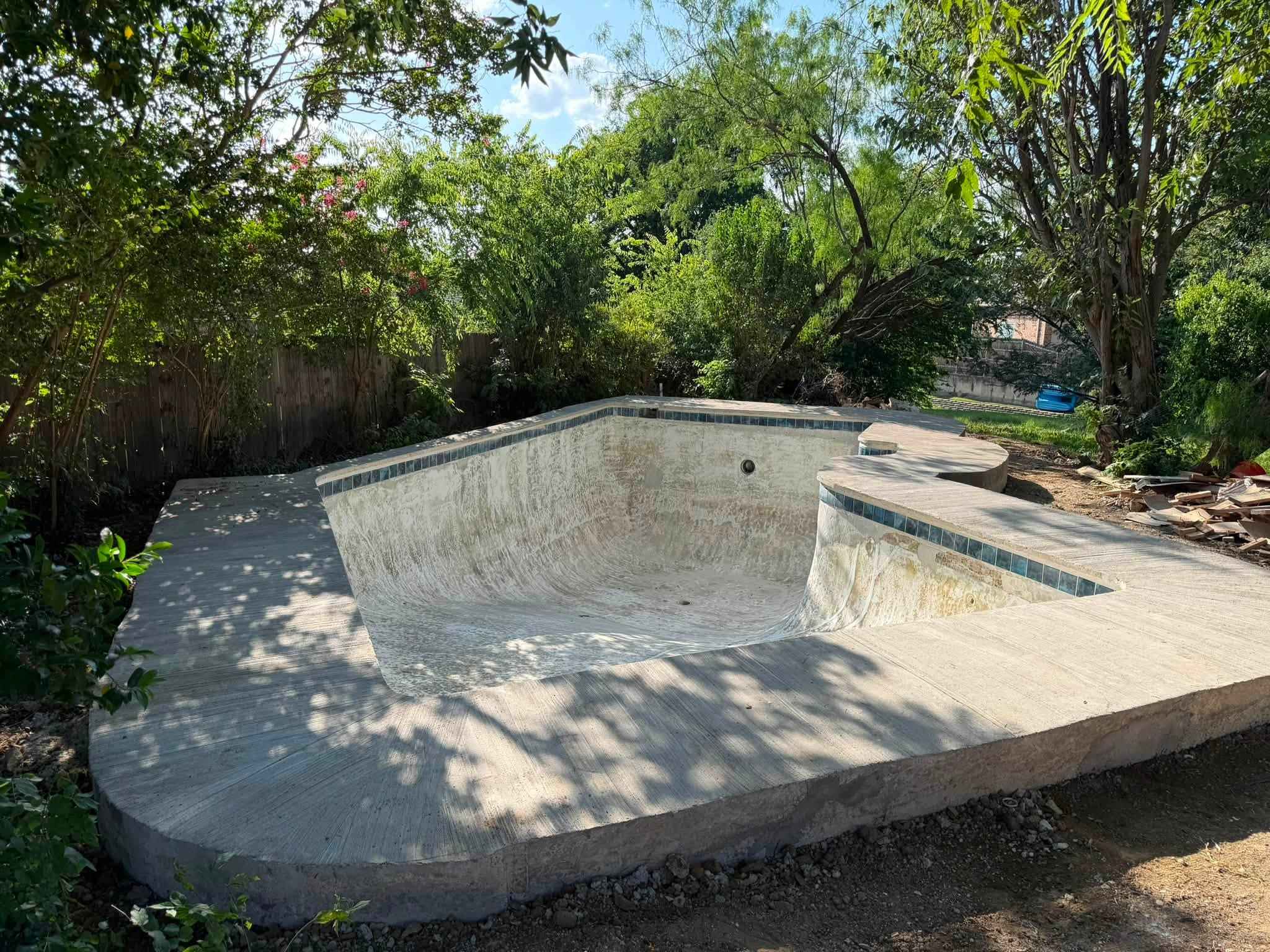
Damage can affect the finish, its bond, or the structural shell. Common signs include hairline surface cracks, wider movement cracks, rough or etched plaster, hollow delamination, chips, exposed gunite, stains, and unexplained water loss. American Concrete Institute guidance on cracking explains that cracks may be cosmetic or may point to greater distress. PoolBurg’s pool surface repair guide helps connect the visible symptom to the next service.
Surface Crack vs Structural Crack
Fine crazing confined to plaster may be cosmetic. A crack that widens, returns after patching, crosses the shell, displaces tile or coping, or accompanies water loss needs deeper evaluation. Do not choose concrete pool crack repair from width alone. ACI’s concrete repair guidance starts with condition evaluation and identifying the deterioration mechanism before materials are chosen. Diagnosis separates a durable repair from a cosmetic patch over movement.
| Finding | Spot Repair? | Decision Clue |
|---|---|---|
| One small chip or spall | Often | If surrounding finish and shell are sound |
| Hairline finish cracking | Sometimes | Confirm it is limited to the plaster |
| Widespread hollow plaster | Rarely | Resurfacing usually gives better value |
| Growing crack with water loss | Not first | Leak and structural evaluation come first |
Common Causes of Concrete Pool Damage in DFW
North Texas pools face aging finishes, chemistry imbalance, freezes, water intrusion, and pressure from shifting decks or coping. Soil movement matters too. Texas A&M research on North Texas expansive soils describes shrink-swell behavior, differential heaving, and cracking in regional infrastructure. That regional condition is one reason a cement pool repair should not ignore movement around the deck, bond beam, and coping. See PoolBurg’s pool coping repair guide when damage starts near the perimeter.
Which Concrete Pool Repair Problems Can Be Spot-Repaired?
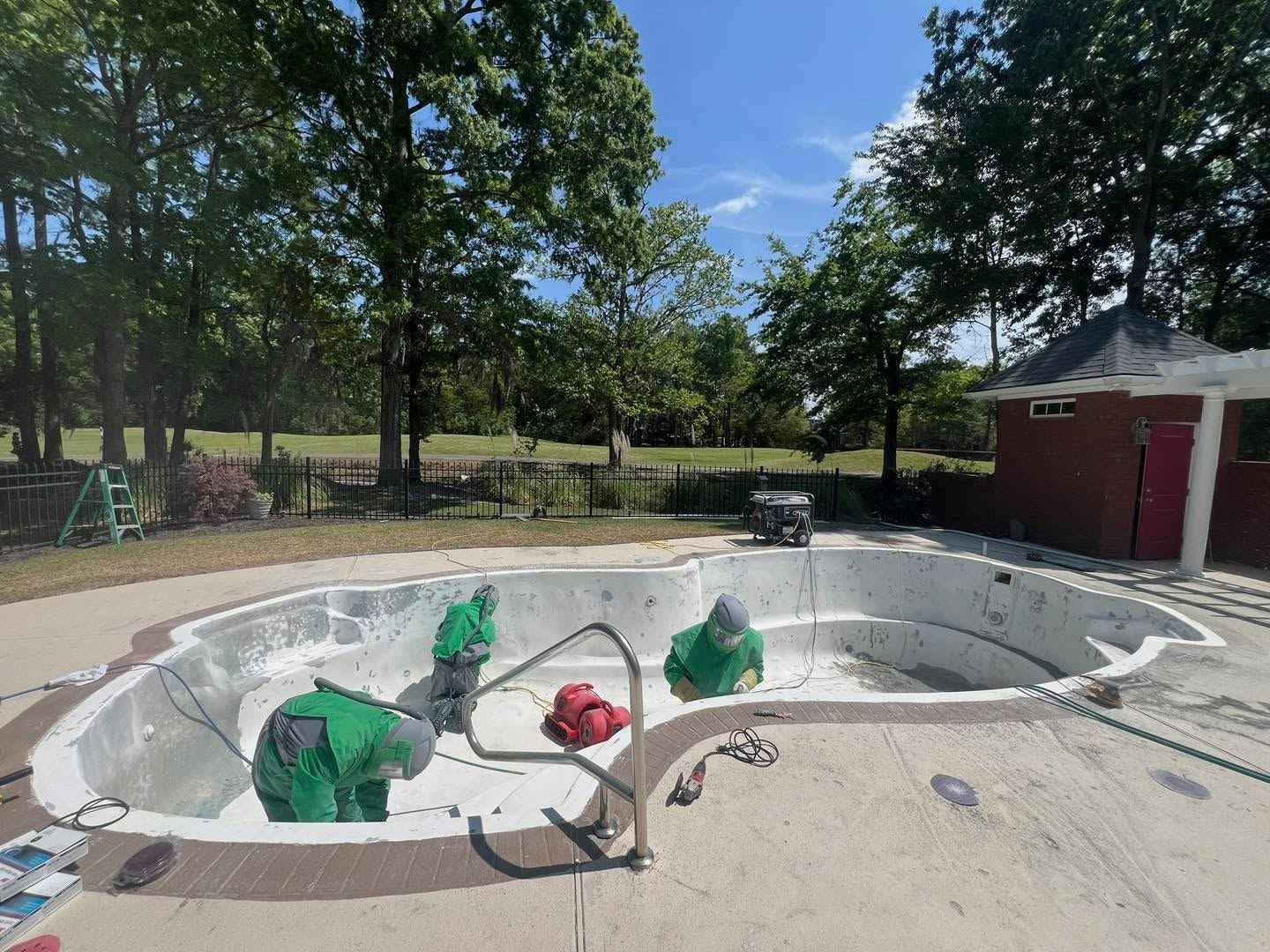
Small plaster chips, isolated pop-offs, limited delamination, and a localized crack can often be cut back to sound material and patched with a compatible pool-rated system. Limited stains or calcium deposits may need treatment rather than new plaster. SGM’s finish preparation instructions call for removing hollow or delaminated plaster and repairing cracks and leaks before a new finish is applied. Pressure washing can expose more loose material than the first visible patch, so the surrounding area must be checked before pricing a spot repair.
When Full Pool Resurfacing Makes More Sense
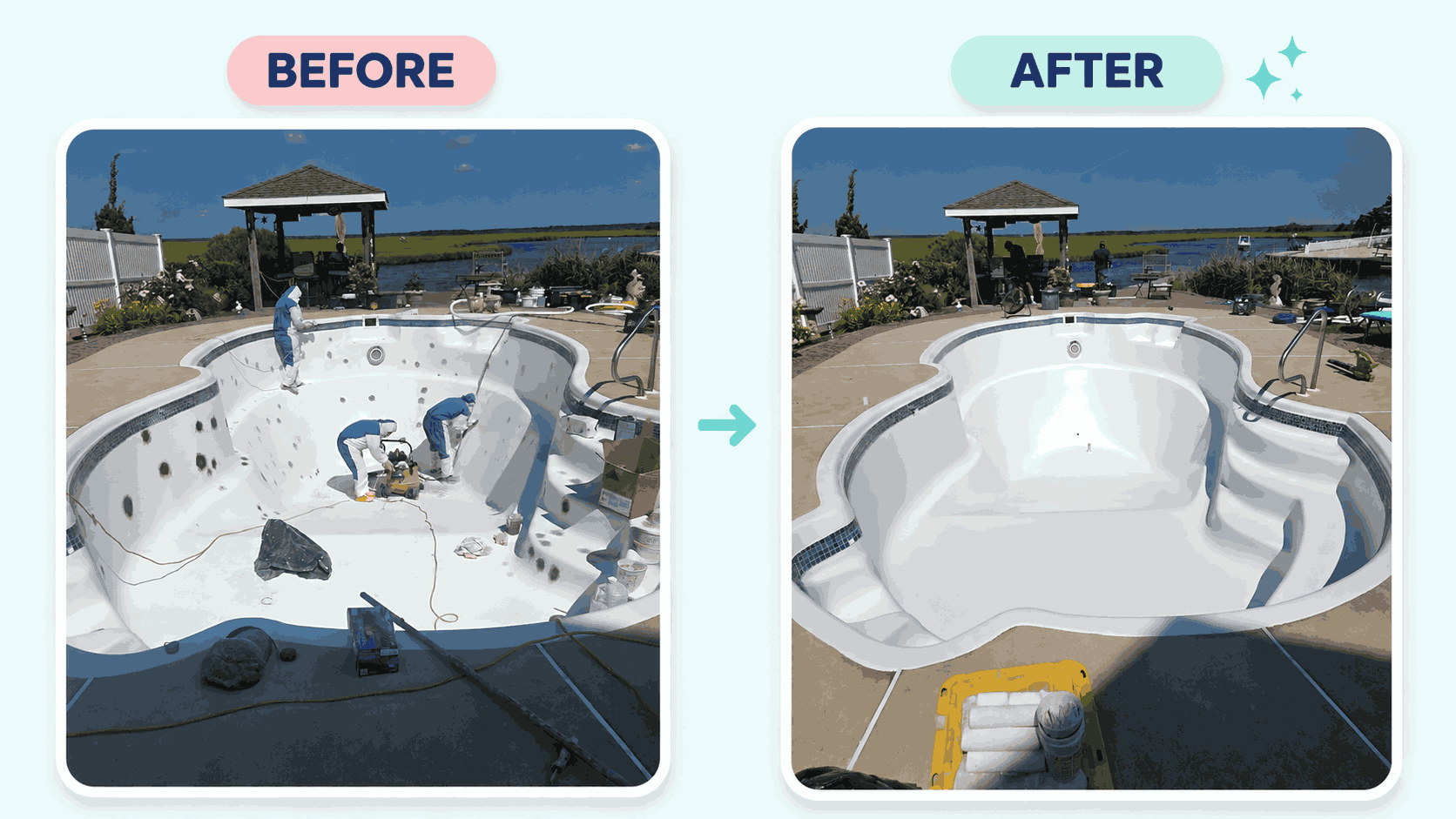
Resurfacing offers better value when roughness covers most of the pool, hollow areas appear in several zones, previous patches keep failing, or aging plaster has large-scale staining and cosmetic deterioration. National Plasterers Council finish deterioration guidance explains how chemical exposure can alter cementitious finishes. If the finish is failing broadly, concrete pool repair becomes less cost-effective. Compare PoolBurg’s pool resurfacing service rather than paying for a growing map of mismatched patches.
What If the Pool Is Losing Water?
A visible crack does not prove it is the leak, and a leaking pool may have no obvious shell crack. Plumbing, skimmers, fittings, lights, and the shell require separate tests. American Leak Detection describes pressure, acoustic, and dye testing for distinguishing plumbing from structural water loss. Start with PoolBurg’s pool leak detection guidance before making a cosmetic patch that may hide the symptom but miss the source.
People Also Ask
Can cracks in a concrete pool be repaired?
Yes. Localized cracks can often be repaired, but active movement and water loss must be diagnosed first.
How do I know if a pool crack is structural?
Growth, displacement, repeated failure, nearby coping movement, or leakage are warning signs that merit structural evaluation.
Can gunite pools crack?
Yes. Gunite pool repair may address finish cracking or shell movement, depending on the crack’s depth and cause.
Can pool plaster be repaired without resurfacing?
Yes, when chips, pop-offs, or roughness are limited and the surrounding finish remains firmly bonded.
Why is concrete showing through pool plaster?
The plaster may be worn, chipped, etched, or delaminated, exposing the gunite or shotcrete shell beneath it.
Can bad chemistry damage concrete pools?
Yes. Aggressive or scale-forming water can etch, roughen, discolor, or deposit minerals on cement-based finishes.
Does a cracked pool always leak?
No. Some cracks are finish-only, while others penetrate the shell; leak testing confirms whether water is escaping.
When is resurfacing better than repair?
Choose resurfacing when deterioration is widespread, delamination is extensive, or repeated spot repairs no longer hold.
Diagnose the Damage Before Choosing the Repair
Concrete pool repair works best when PoolBurg first separates finish damage from bond failure, shell movement, and plumbing leaks. Review the pool plaster repair guide, compare pool plaster stains, or contact PoolBurg for a DFW evaluation. The goal is targeted repair when it is enough and resurfacing when the whole finish has reached the end of its useful life.