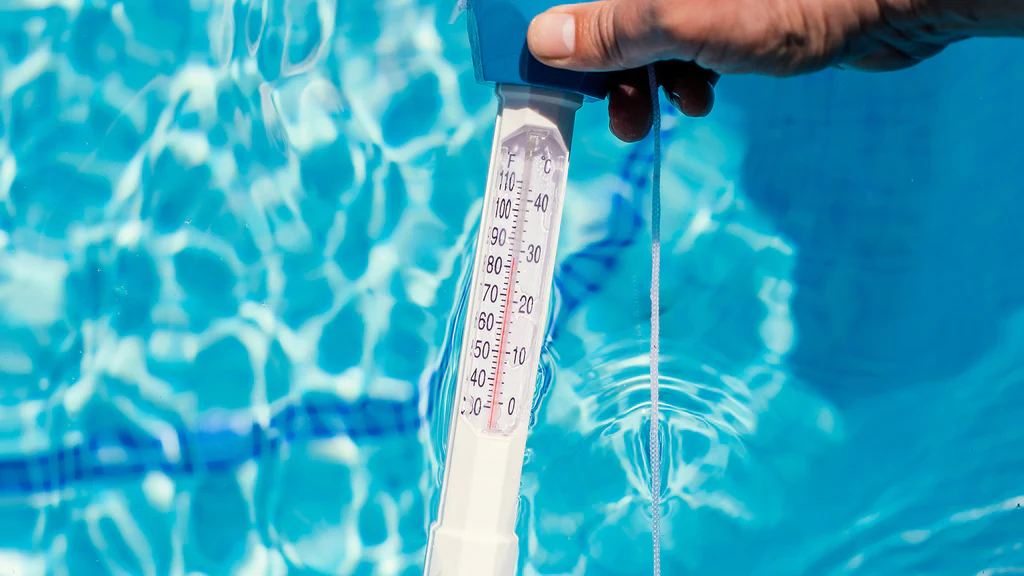
If you’ve lived in Frisco or anywhere in North Texas for a while, you know our weather doesn’t do “moderate.” We go from a localized ice age in February to a literal furnace in August. Finding the best pool temperature for your backyard isn’t just about turning a dial on your heater; it’s about balancing comfort, safety, and your monthly energy bill.
Look, after 35 years of maintaining pools in the DFW area, I can tell you that there is no single “perfect” number. The best pool temperature for a triathlete training for a marathon is going to feel like a polar plunge to a six-year-old wanting to play with a dive ring. This pool water temperature guide will help you navigate those 50°F to 95°F swings we see throughout the year so you can keep the water exactly where it needs to be.
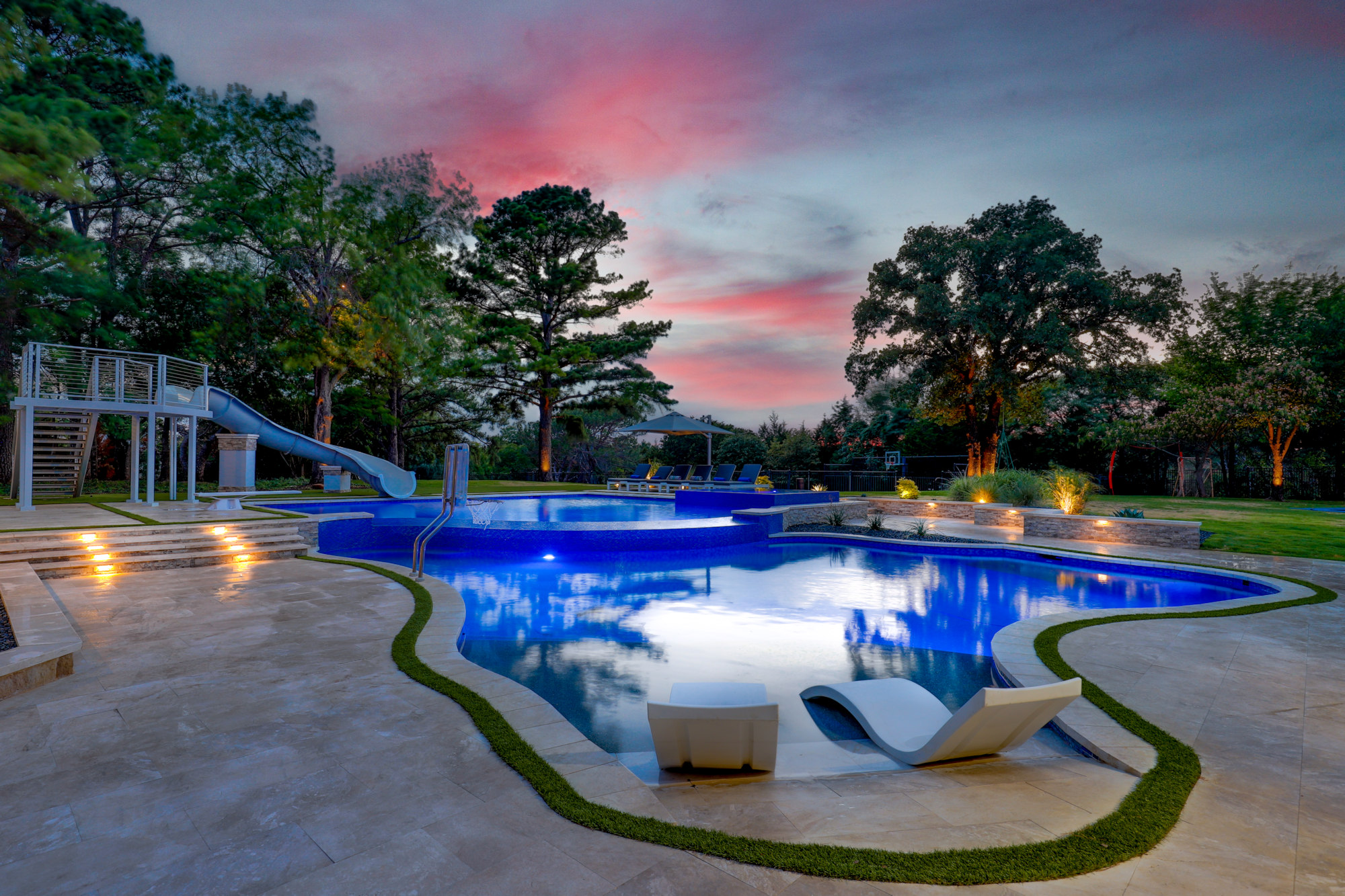
What Temperature Should Your DFW Pool Be? It Depends on How You Use It
Most homeowners I talk to in Southlake or Plano target 82°F as the “sweet spot.” It’s cool enough to be refreshing when it’s 100°F outside but warm enough that your teeth aren’t chattering. But depending on who is jumping in, you might need to nudge that number up or down. According to official swimming safety standards, maintaining a consistent temperature is actually better for your pool’s structural longevity as it prevents extreme expansion and contraction of the plaster.
Ideal Pool Temperatures by Use Case
Recreational swimming (adults): 78-84°F
This is where 90% of my customers stay. 82°F is the “Frisco Standard.” It’s the best pool temperature for lounging on a tanning ledge with a cold drink.
Children and families: 82-86°F
Kids have less body fat and lose heat way faster than adults. If the water is too cold, they’ll be out in ten minutes. If you want them to burn off that energy, aim for 84°F.
Lap swimming and exercise: 76-82°F
If you’re doing high-intensity cardio, 84°F will make you feel like you’re swimming in soup. Competitive swimmers usually prefer 78°F to avoid overheating.
Water therapy and rehabilitation: 84-88°F
For those dealing with arthritis or recovering from surgery, warmer water is a must. It relaxes the muscles. Some physical therapy protocols even recommend going up to 92°F for specific joint exercises.
Spa / hot tub: 100-104°F
Standard operating temp. Never, and I mean never, go above 104°F. It’s a major health risk.
DFW Pool Temperature Throughout the Year
In North Texas, your pool’s “natural” temperature changes every month.
- December: 48-60°F. Unless you’re running a gas heater, the pool is basically a giant blue decoration.
- March: 55-68°F. Swimmable for the brave, but you’ll want the heater on.
- May: 75-85°F. Prime season begins.
- July-August: 85-95°F. This is when the pool too hot complaints start coming in.
Can a DFW Pool Get TOO HOT?
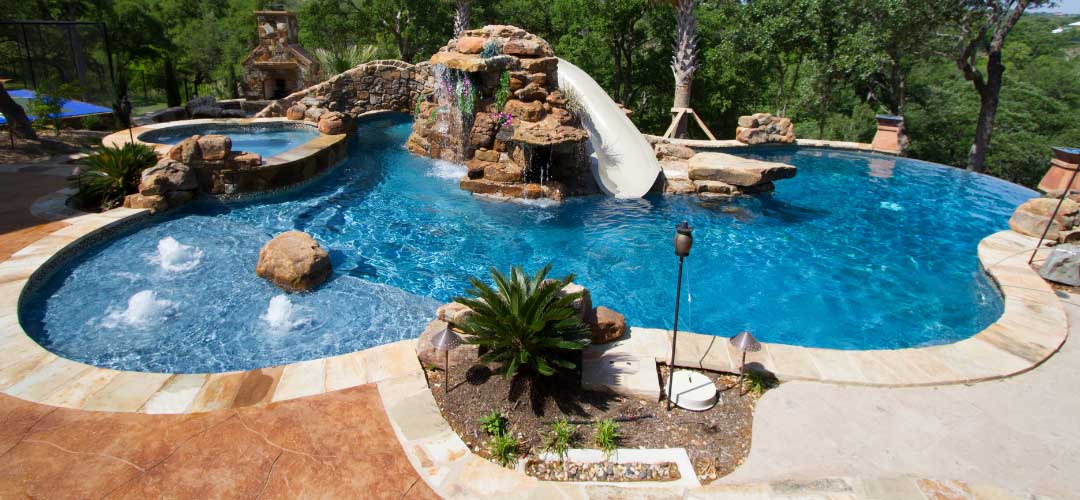
Yes, and it happens every July. When the water hits 92°F+, it stops being refreshing. A pool that is too hot also becomes an algae factory. Algae growth rates explode in 90°F water, and your chlorine will burn off twice as fast.
How to cool a hot DFW pool
You don’t need a $5,000 chiller. Run your waterfalls and fountains at night. This uses “evaporative cooling” to drop the temp by 3 to 5 degrees by morning. You can check the weather to see how well this will work—the lower the humidity, the better the cooling.
Heating Your DFW Pool Efficiently
If your pool is too cold, you have three main options:
- Solar Covers: They’re basically free to run and can add 5-10 degrees.
- Heat Pumps: Great for keeping a steady temp for $50-$150 a month.
- Gas Heaters: Best for “on-demand” heating or getting a spa hot fast, but they can cost $150-$400 a month if you’re not careful. The energy pool heating gov. suggests that using a cover with a heater can reduce energy loss by up to 70%.
Temperature and Pool Chemistry — The Connection
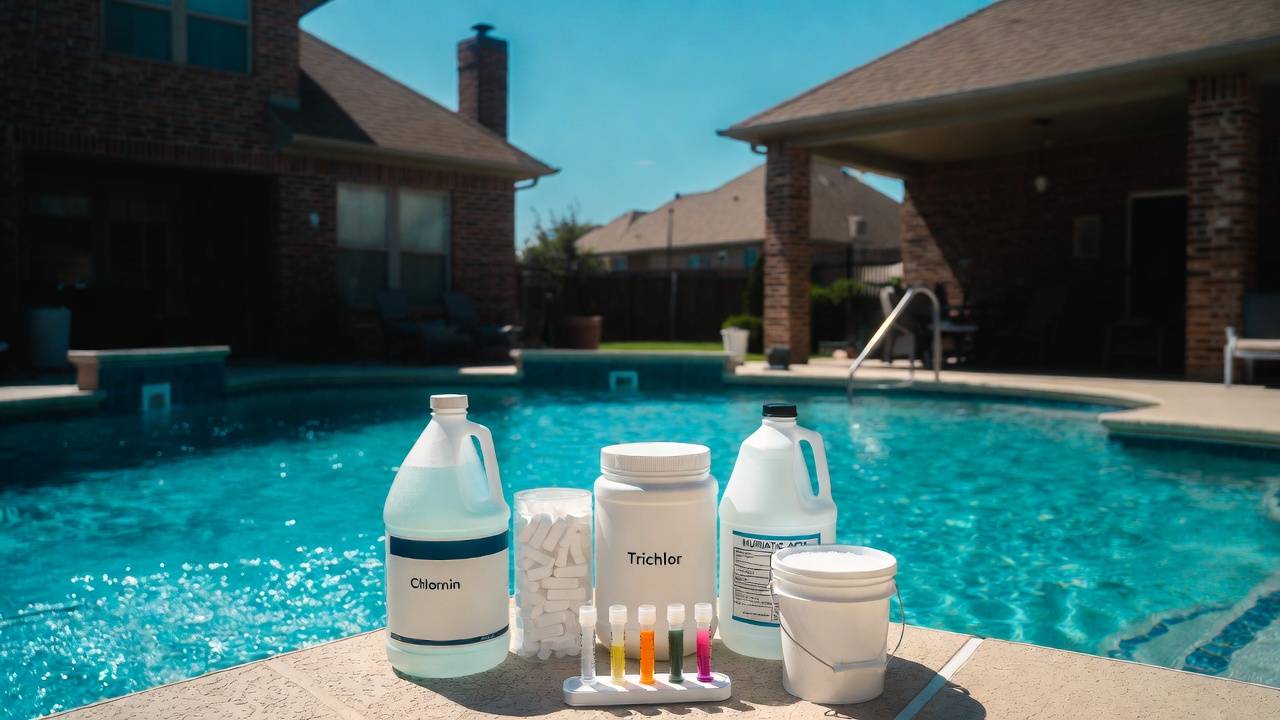
This is the technical bit. For every 10°F increase in water temperature, your chlorine consumption rate roughly doubles. Warm water also causes “pH drift,” especially in salt systems. This is why a “set it and forget it” approach to chemicals never works in Texas. You have to be temperature-aware. Refer to the WQA guides to see how temperature affects mineral solubility and scaling.
People Also Ask
What temperature should a pool be in Texas?
For most, 82°F is the best pool temperature. It’s the perfect balance of refreshing and comfortable.
Can a pool get too hot in DFW?
Absolutely. In August, pools often hit 95°F, which makes them feel like a bathtub and uses massive amounts of chlorine.
How do I cool down my pool in summer?
Run your water features at night and point your return jets upward to agitate the surface.
PoolBurg Adjusts Chemistry for Your Pool’s Temperature
At PoolBurg, we don’t just “splash and dash.” We test your water temperature at every visit and adjust your chemical dosing to match. Whether your water is too hot or too cold, we make sure the chemistry is locked in. Want comfortable water at the right temperature? PoolBurg manages chemistry to match your pool’s conditions.