Electric pool heater repair should begin with a diagnosis, not a replacement quote. If the display works but the water stays cold, the breaker trips, or the heater cycles off, a qualified technician should verify water flow, electrical supply, safety switches, temperature controls, and the heating circuit before condemning the whole unit. PoolBurg’s Pool Heater Repair and Pool Electrical Repair services are the right starting points when the problem crosses both plumbing and electrical systems.
Electric Pool Heater Repair Starts by Identifying the Heater Type
Homeowners often call any plug-in or hardwired heater an “electric heater,” but there are two different systems. A resistance heater creates heat in an electric element. A heat pump uses electricity to move heat from outdoor air into the water. The U.S. Department of Energy explanation of heat pumps describes that heat-transfer principle, while products such as the Pentair UltraTemp heat pump use refrigerant, coils, a compressor, and defrost controls. The diagnostic path is different, so identify the exact model first.
Signs You Need Electric Pool Heater Repair
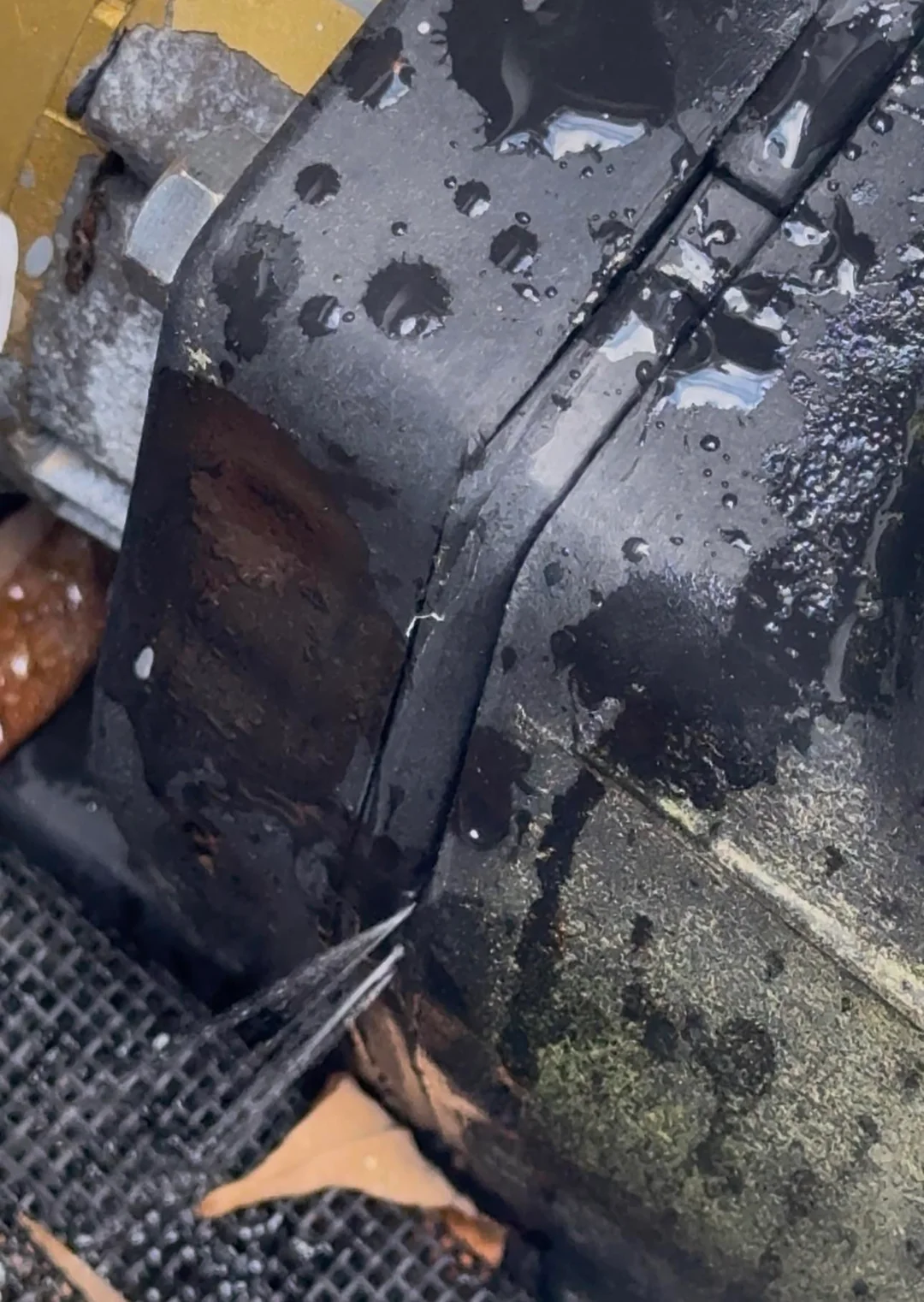
Typical calls include an electric pool heater not heating, a dead display, repeated cycling, error codes, a breaker or GFCI that trips, or a heater that appears to run without raising water temperature. Water or corrosion around the electrical compartment is a stop-and-call condition. A local pool heater service should document the model, incoming voltage, error history, set point, actual water temperature, and whether the heater is receiving a call for heat before parts are ordered.

Check Water Flow Before Blaming the Electrical System
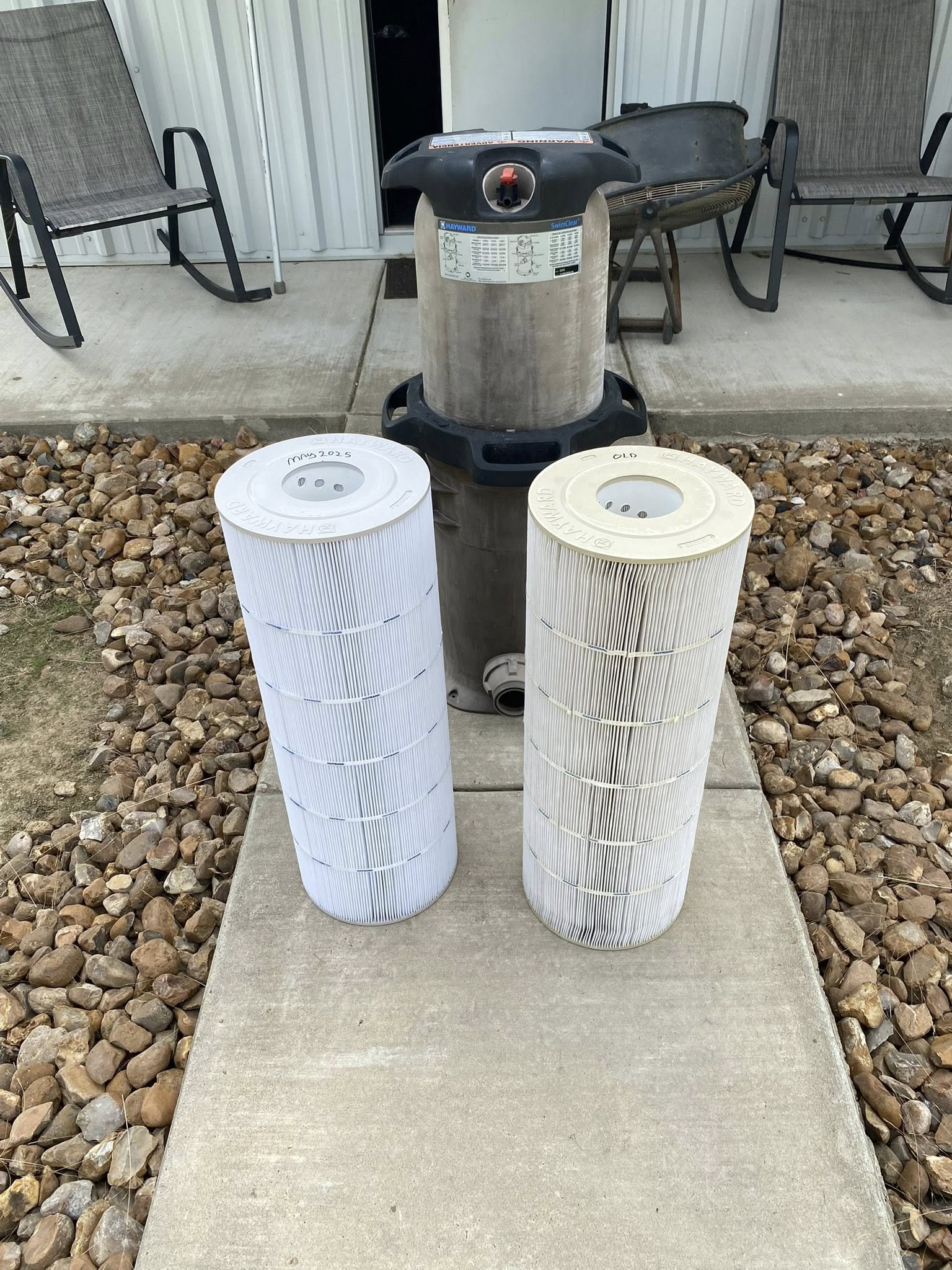
Low flow can make a healthy heater look electrically dead because the safety circuit may refuse to energize the heating stage. Confirm the pump is running, baskets are clear, valves are open, and the filter is not restricting circulation. PoolBurg’s Pool Heater Pressure Switch guide explains why the switch may be reporting a real flow problem instead of being the failed part. Electric-heater manufacturers also build flow protection into their equipment; Coates electric pool heaters list a flow switch and manual-reset high-temperature limit as standard safety components.
Electric Pool Heater Element Replacement Needs Testing First
An electric pool heater element replacement may be correct when an element is open, grounded, badly scaled, or damaged after operation without adequate water flow. But element failure should be proven with proper electrical testing. Raypak E3T service documentation separates heating elements from flow sensors, temperature sensors, high-limit devices, boards, transformers, and power-control components. That is a good reminder that “no heat” can come from several different places in the same heater.
Why a Breaker or GFCI Trip Changes the Repair Plan
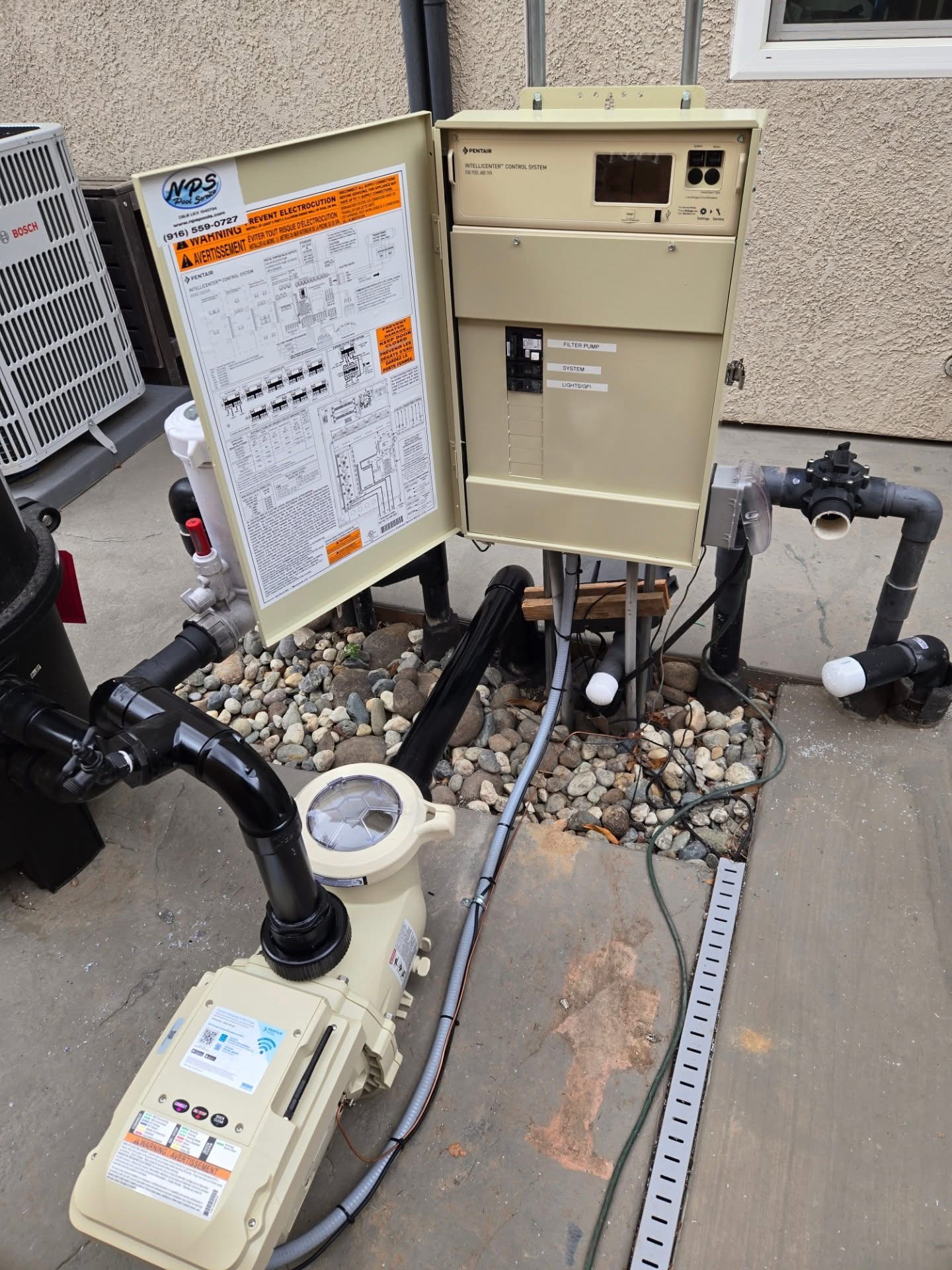
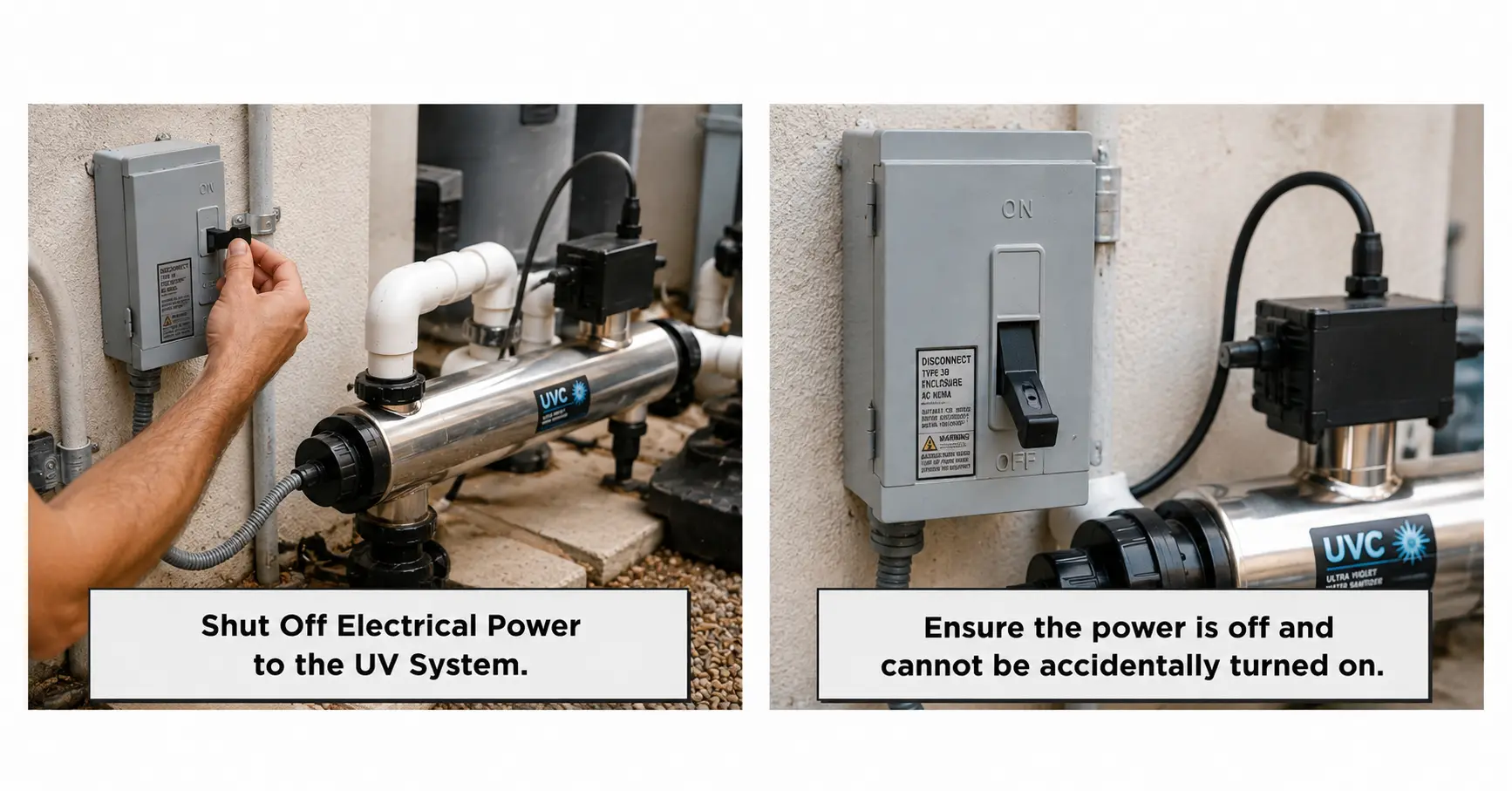
If the heater trips a breaker or GFCI, stop repeatedly resetting it. Possible causes include a grounded heating element, moisture intrusion, damaged wiring, a failed contactor or relay, or another insulation fault. This is where DIY troubleshooting should end. The U.S. Consumer Product Safety Commission electrical safety guidance specifically warns about electrical equipment around pools and recommends qualified inspection. Pool heater electrical repair should be performed with proper test equipment and safe isolation procedures.
Control and Sensor Problems Can Look Like a Bad Heater
A thermostat, temperature sensor, high-limit switch, relay, board, wiring connection, or automation command can interrupt heating even when the element itself is fine. PoolBurg’s Pool Heater High Limit Switch guide is a useful example: a safety switch may trip because of low flow or overheating, not because the switch is automatically bad. The same logic applies across electric pool heater repair—test the condition that caused the shutdown before replacing the device that reported it.
Repair or Replace the Electric Pool Heater
Repair usually makes sense when the cabinet is sound and the fault is isolated to an element, sensor, contactor, switch, wiring connection, or control. Replacement becomes more reasonable when the heater has serious corrosion, repeated electrical failures, obsolete parts, internal leaks, poor capacity for the pool, or repair costs that keep stacking up. PoolBurg’s Pool Heater Not Working guide can help separate a repairable fault from a broader equipment decision.
What to Ask a Local Electric Pool Heater Technician
Before booking, ask whether the technician works on resistance heaters—not only gas heaters and heat pumps—and whether they can test voltage, amperage, insulation/ground faults, elements, contactors, sensors, flow safeties, and control output. Ask about the diagnostic fee, OEM or approved replacement parts, workmanship warranty, and whether you will receive a repair-versus-replace explanation. For Frisco, Plano, McKinney, Allen, Prosper, Southlake, Grapevine, Keller, Las Colinas, and nearby DFW areas, PoolBurg’s approach is simple: diagnose the heater and the system around it before recommending expensive equipment.
People Also Ask
| Questions and Answers | Questions and Answers |
| Who repairs electric pool heaters near me? Look for a pool heater technician who specifically works on resistance electric heaters and can diagnose both water-flow safeties and high-voltage electrical components. | Why is my electric pool heater not heating? Low flow, a dirty filter, a tripped high limit, failed element, sensor fault, control problem, wiring issue, or lack of proper power can all stop heating. |
| Can an electric pool heater element be replaced? Yes. Heating elements are service parts on many resistance heaters, but the element should be electrically tested before replacement. | Why does my heater trip the breaker? A grounded element, moisture, damaged wiring, control component fault, or other electrical leakage can trip protection. Stop repeated resets and have it tested. |
| Can low flow stop an electric pool heater? Yes. Many heaters use flow or pressure safety devices that prevent heating when circulation is inadequate. | Is an electric pool heater the same as a heat pump? No. A resistance heater generates heat with an element; a heat pump transfers heat from the air using a refrigerant circuit. |
| How much does electric pool heater repair cost? Cost depends on the model, diagnosis, access, electrical work, and part required. A diagnostic-based quote is more useful than a generic range. | When should an electric heater be replaced? Consider replacement when corrosion, internal leaks, obsolete parts, repeated failures, poor sizing, or stacked repair costs make continued repair impractical. |
Get Electric Pool Heater Repair Without Guessing at Parts
If your electric heater will not heat, cycles off, or keeps tripping electrical protection, PoolBurg can test the flow and electrical components before recommending replacement. Send the heater brand and model, display code, pump status, and exact symptoms, then contact PoolBurg for local pool heater service across North Texas.