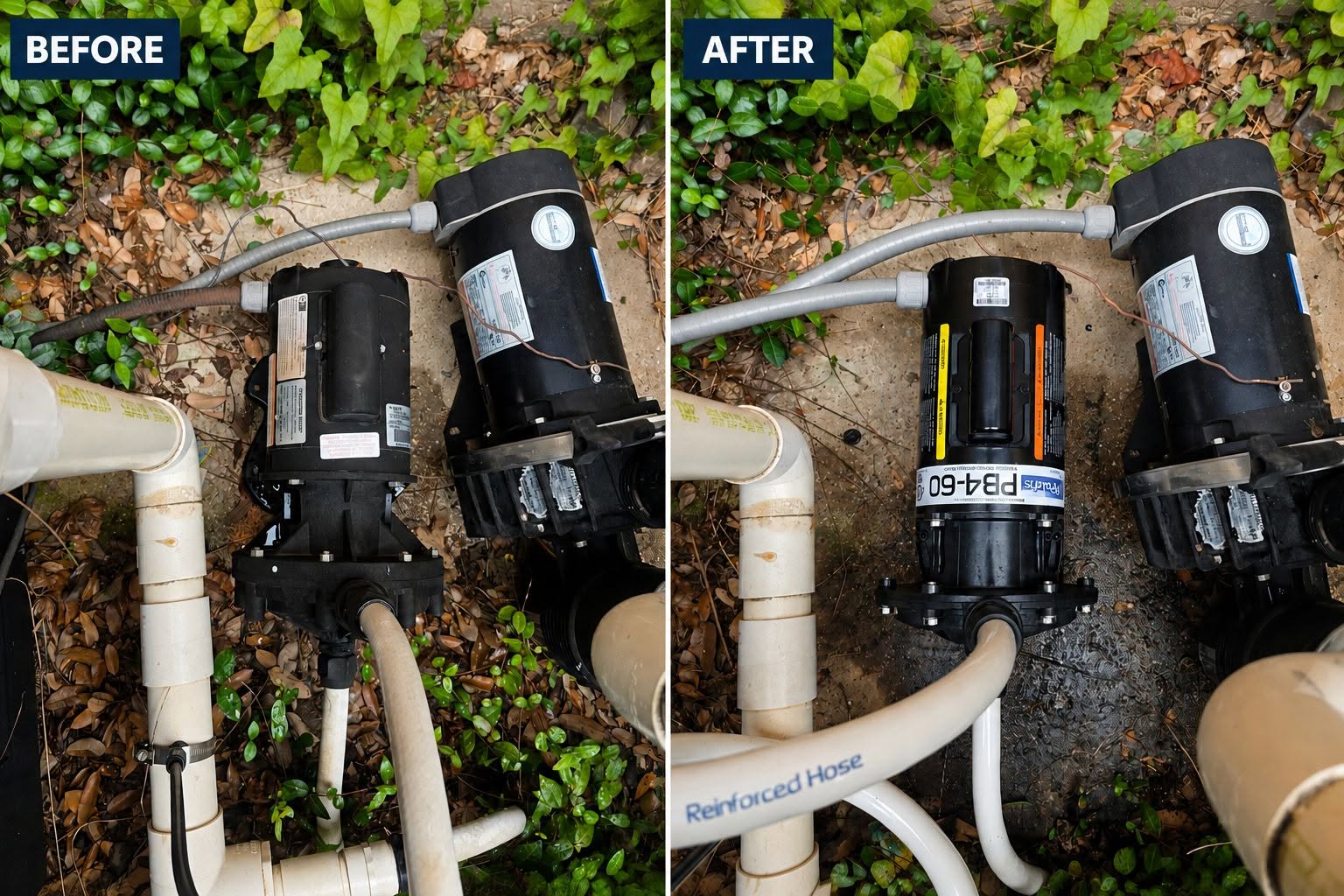
A polaris pb4 booster pump can look dead when the real problem is a clogged cleaner screen, leaking feed hose, bad back-up valve, restricted wall fitting, or poor scheduling. Before buying a new pump, PoolBurg checks whether the booster is actually producing pressure and whether that pressure is reaching the cleaner.
That matters because the main filter pump can circulate the pool normally while a pressure-side cleaner barely moves. A Polaris booster pump repair should start with the cleaner, booster, pressure line, and controls as one system—not with a parts order.
What the Polaris PB4 Booster Pump Actually Does
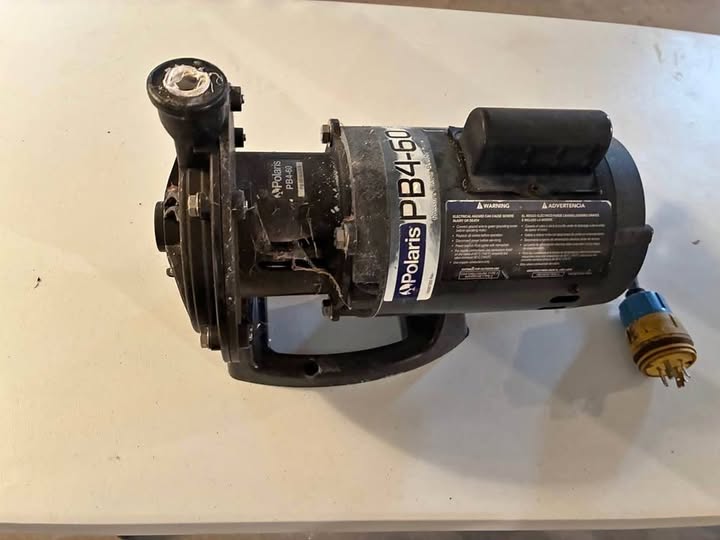
The Polaris PB4-60 booster pump is a dedicated pump that supplies high-pressure water to compatible pressure-side cleaners. It is separate from the pool’s main circulation pump, which handles filtration and general water movement. That is why a pool can have normal return flow while the cleaner sits still.
Polaris states in the PB4-60 installation and operation manual that the pump is not self-priming and should only operate while the filtration pump is running. That sequencing becomes important later when checking timers or automation.
Signs the Polaris PB4 Booster Pump May Be Failing
Common warning signs include a pump that will not start, only hums, grinds, leaks, repeatedly shuts off, trips a breaker, or produces weak cleaner pressure. A noisy bearing or water leaking between the motor and wet end also deserves attention. But none of those symptoms, by itself, proves a PB4 booster pump replacement is the right answer.
Booster Pump Problem vs Cleaner Problem
Start at the cleaner. Polaris says a Vac-Sweep 280 should run in its proper wheel-RPM range, and its owner guidance tells you to check the inline screen, pool filter, pump basket, hoses, connections, swivels, and flow restrictions when RPM is low. PoolBurg uses the same whole-system thinking in Pool Cleaner Troubleshooting.
A cleaner that backs up constantly or will not change direction may have a cleaner-side fault. Polaris explains that the pressure-cleaner back-up valve should cycle on and off about every three minutes. If line pressure is healthy but the wheels still do not turn, inspect the cleaner before condemning the Polaris cleaner pump; see PoolBurg’s Pool Cleaner Wheels Not Turning guide.
Why a PB4-60 Can Leak
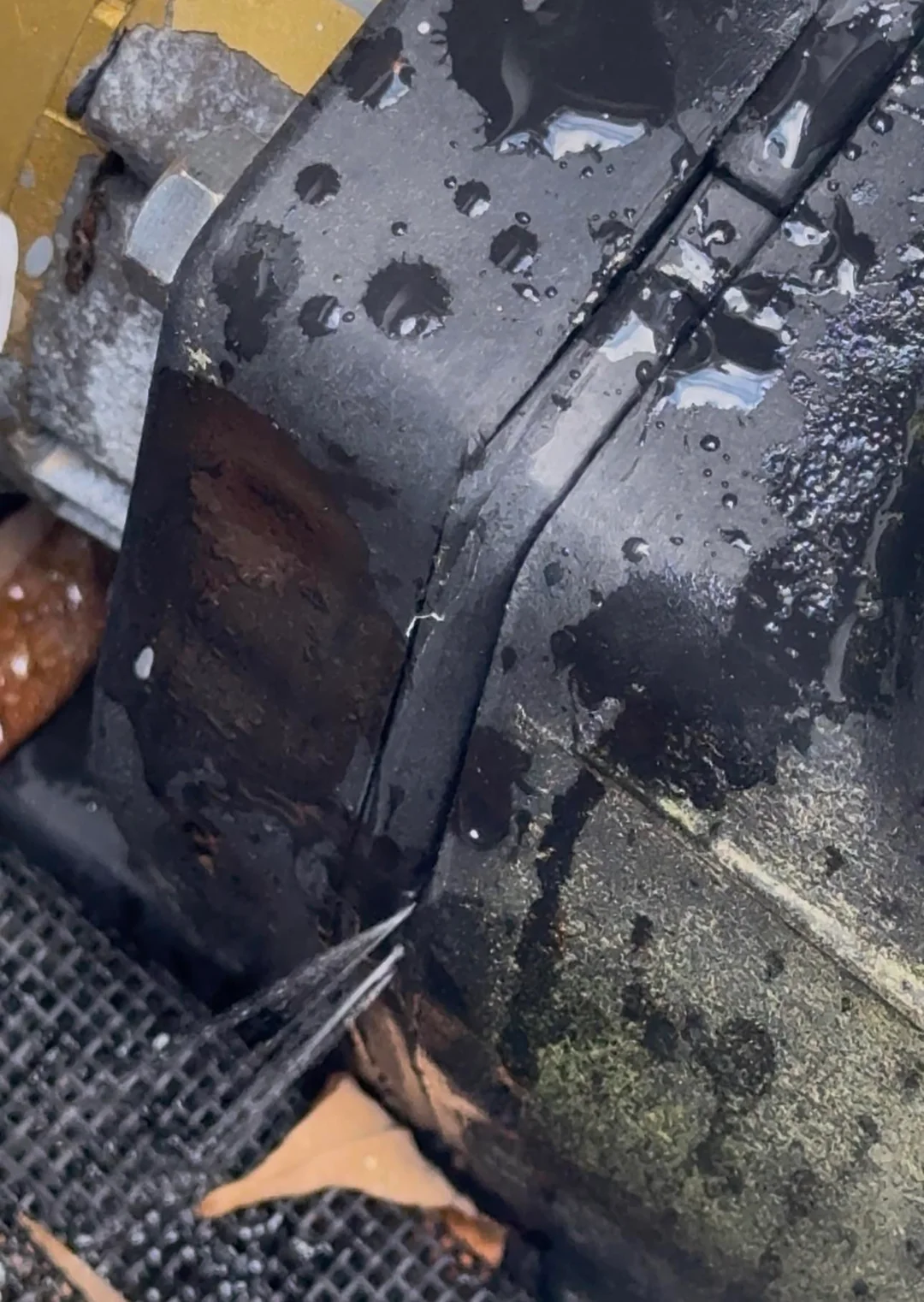
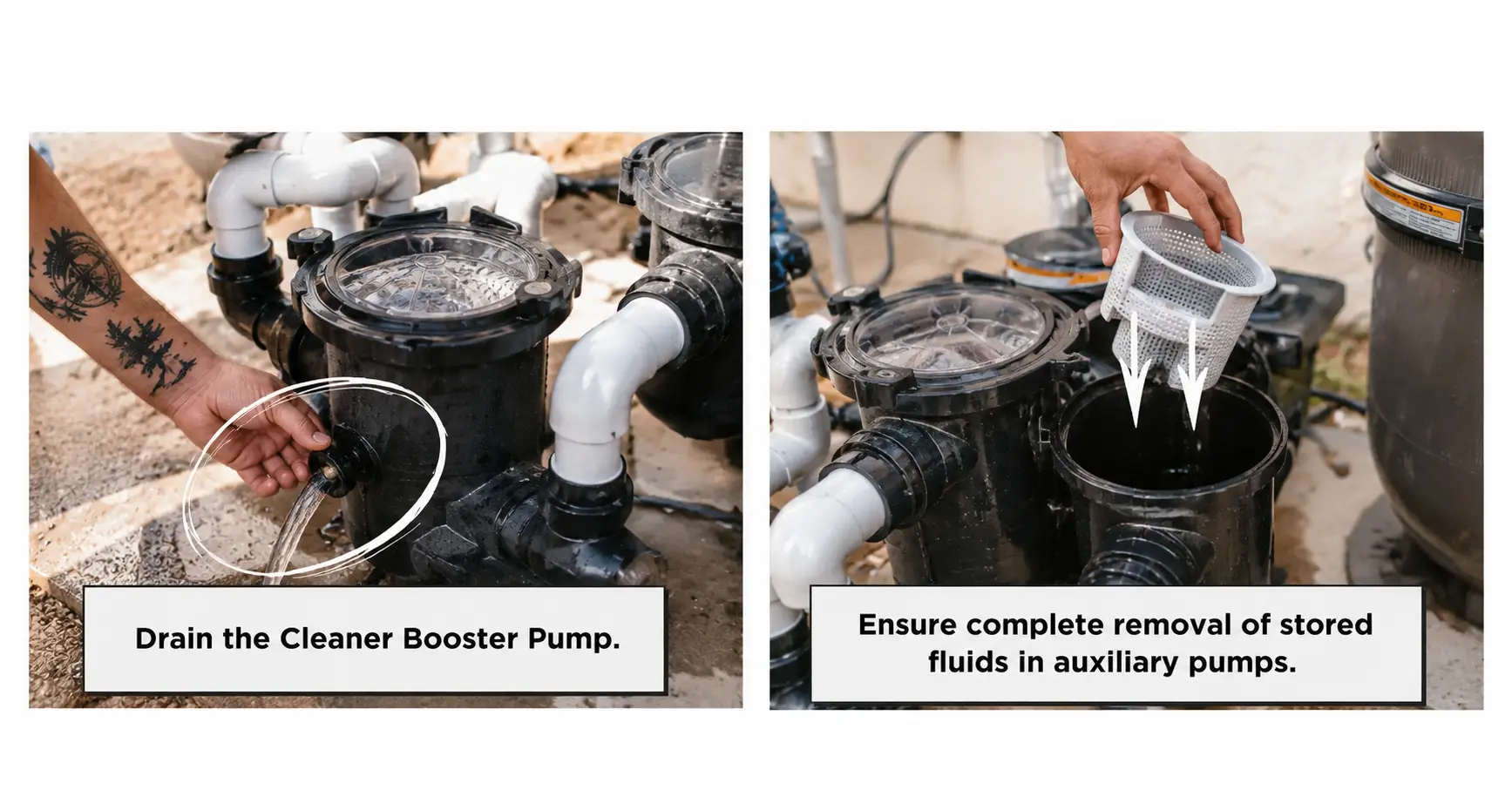
A Polaris PB4-60 booster pump can leak from the shaft seal, backplate O-ring, drain plug, quick-connect plumbing, or a cracked housing after freeze damage. A wet equipment pad does not automatically mean the whole pump is finished. If water appears between the motor and wet end, a seal failure is a strong possibility; PoolBurg can compare a Pool Pump Shaft Seal Leak repair with the condition of the motor and housing.
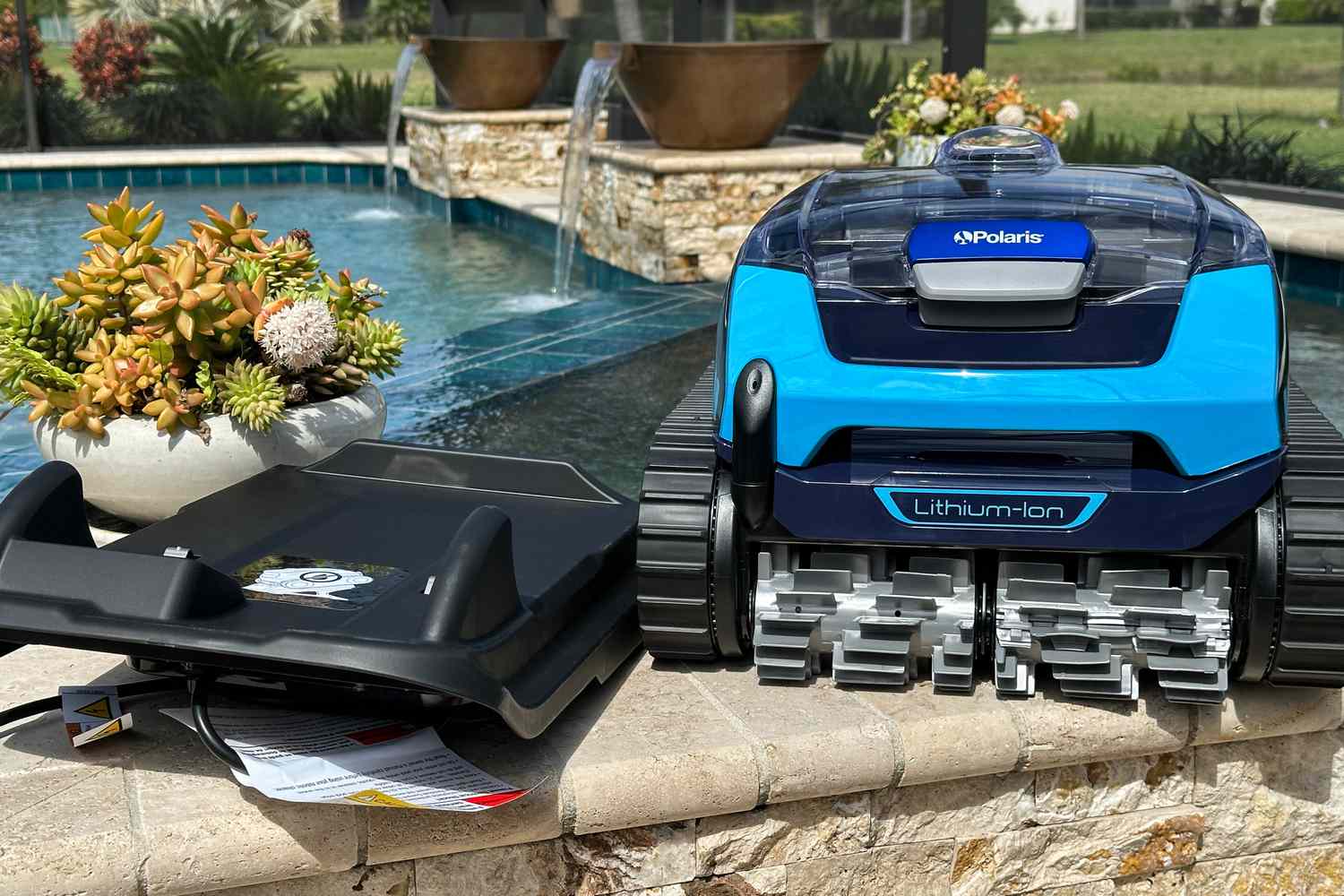
PB4 Pump Hums but Will Not Start
A hum with no rotation can come from a failed start capacitor, seized motor or bearings, a blocked impeller, or a voltage problem. Do not keep cycling a stalled motor. If the breaker trips, stop there rather than repeatedly resetting it. The CPSC electrical safety guidance notes that pool pumps are electrical equipment around wet surfaces, so live electrical diagnosis belongs with a qualified technician. PoolBurg’s Pool Pump Repair process separates the electrical fault from the hydraulic one.
Repair the PB4-60 or Replace It
Polaris booster pump repair makes sense when the housing is sound and the problem is limited to a seal, capacitor, impeller obstruction, bearing, or serviceable motor component. Replacement becomes more attractive after freeze cracking, severe corrosion, repeated seal or bearing failures, an overheated motor, or several expensive failures at once.
If replacement is justified, the Polaris PB4SQ is a multistage alternative designed for pressure cleaners, and Polaris publishes a PB4SQ/PB4-60 replacement kit. It can be a sensible upgrade, but voltage, plumbing, cleaner requirements, and automation should be confirmed before treating it as an automatic swap. Some owners also compare a robotic cleaner; that is a system-choice question, not proof the old booster is bad.
Should the Booster Pump Run Without the Main Pump
No. The filtration pump should start and establish flow before the booster comes on. Polaris warns that running the booster without the filtration pump can damage it. With separate timers or Pool Automation, schedule the booster entirely inside the main pump’s run window. If the cleaner works sometimes and fails at other times, check scheduling before replacing hardware.
People Also Ask
| Questions and Answers | Questions and Answers |
|---|---|
| What does a Polaris PB4 booster pump do? It supplies dedicated high-pressure water to compatible pressure-side pool cleaners. | How do I know if my Polaris booster pump is bad? Confirm power, motor operation, leaks, output pressure, and cleaner-side restrictions before calling the booster bad. |
| Why does my PB4-60 hum but not start? A capacitor, seized motor, bearing problem, blocked impeller, or electrical fault can cause humming without rotation. | Why is my Polaris cleaner moving slowly? Check cleaner RPM, the inline screen, filter and baskets, hose leaks, wall fitting, valves, and booster pressure. |
| Can the PB4-60 shaft seal be replaced? Yes, when the rest of the pump is in serviceable condition. | Why is water leaking from my booster pump? Common sources include the shaft seal, O-rings, fittings, drain plug, or a cracked housing. |
| Can I replace a PB4-60 with a PB4SQ? Often it is considered as an upgrade path, but confirm plumbing, voltage, controls, and cleaner requirements first. | Does a Polaris booster pump need the pool pump running? Yes. The filtration pump should be running and supplying flow before the booster operates. |
| How long does a booster pump last? There is no single lifespan; runtime, water conditions, freeze exposure, ventilation, electrical supply, and maintenance all affect service life. | Should I repair the booster or switch to a robot? Compare the actual fault, repair cost, cleaner condition, energy use, and how you prefer to maintain the pool. |
Diagnose Your Polaris PB4 Booster Pump With PoolBurg
PoolBurg serves Frisco, Plano, Allen, McKinney, The Colony, Lewisville, Garland, Wylie, and nearby DFW communities. Before dispatch, send the cleaner model, a photo of the PB4 label, what the pump sounds like, whether it leaks, and what the cleaner is doing. Through Contact PoolBurg, we can prepare the technician to diagnose the cleaner, booster pump, pressure line, and controls together before recommending an expensive replacement.